Altered Chocolate Cake
E
By Emma
Certified Culinary Professional
•
Recipe tested & approved
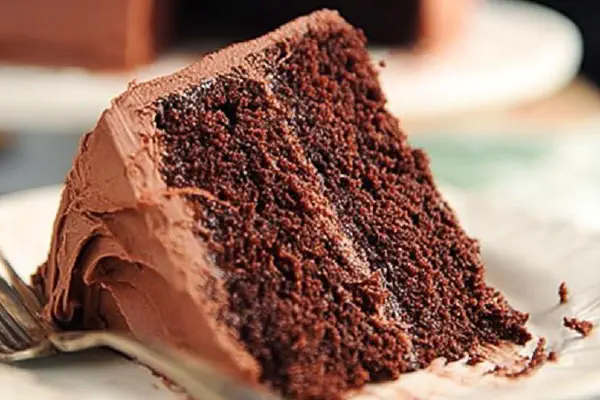
A chocolate cake riff with altered ingredient ratios, sour cream, and espresso for added depth. Baking pans greased and floured keeps the crust from stubborn sticking, a frequent rookie error. Hot espresso replaces coffee; more intense, richer. Butter swapped for ghee, adds nuttiness and heat stability. Mixing order shifted for better emulsification—dry ingredients first, then liquids. Eggs added last for structure. Frosting chocolate bar melted instead of cocoa powder in buttercream, richer cocoa flavor with real texture. Heavy cream thinned to consistency, adjustable on the fly. This cake smells like a bakery in your kitchen, moist crumb, crumbly but fluffy. Watch the edges pull away from pans, toothpick not only dry but feels tacky before it’s done—patience needed. Frosting smoothness varies with cream; cold kitchens need more softening. Recipe yields 14 servings, each around 735 calories.
Prep:
35 min
Cook:
38 min
Total:
73 min
Servings:
14 servings
#baking
#chocolate
#cake
#dessert
#American cuisine
#ghee
#espresso
Before You Start
Started off lazy with packets, but after botching a dozen runs, figured tweaks make or break. Like swapping plain coffee for hot espresso; it wakes the cocoa deep, no bitter aftertaste. Ghee instead of butter melted out creaminess, gave subtle toasted notes. Mixing dry first means clumps vanish, makes batter better hydrated with liquids next. Eggs stirred last, final texture locks in, batter feels silky and dense now instead of puzzle-piece crumb. Baking time varies– not exact science. Watch cake edges pulling, jiggle center for springiness. Frosting’s real melted chocolate beats powder every time, like coating in velvet. Heavy cream thins frosting to your whim, let fingers test rather than faith in measurements. Patience on cooling, hot layers ruin frosting, crusts fall. I skip frosting top dome to avoid sliding disasters, trims smooth finish. Every stage, smell and feel tell if cake’s ready. Real cake takes a little love and practice.
Ingredients
- 1 box chocolate cake mix
- ¾ cup all-purpose flour
- ½ teaspoon salt
- ¾ cup granulated sugar
- 3 tablespoons unsweetened cocoa powder
- 1 cup hot espresso, freshly brewed
- 5 tablespoons melted ghee
- 5 tablespoons vegetable oil
- ½ cup sour cream
- 4 large eggs
- 1½ teaspoons vanilla extract
- ---
- 1 cup unsalted butter softened
- 4 cups powdered sugar
- ¼ teaspoon salt
- ¼ cup unsweetened cocoa powder
- 4 ounces bittersweet chocolate melted and cooled
- 1 teaspoon vanilla extract
- 6 to 8 tablespoons heavy cream (adjust as needed)
In The Same Category · Desserts
Explore all →
Red Velvet Twist Cake
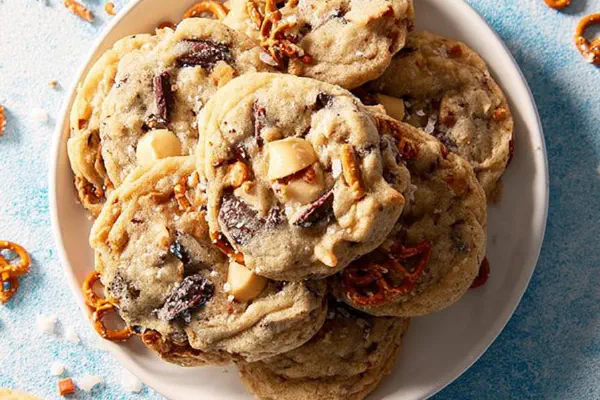
Kitchen Sink Cookies
No-Bake Blueberry Cheesecake Remix
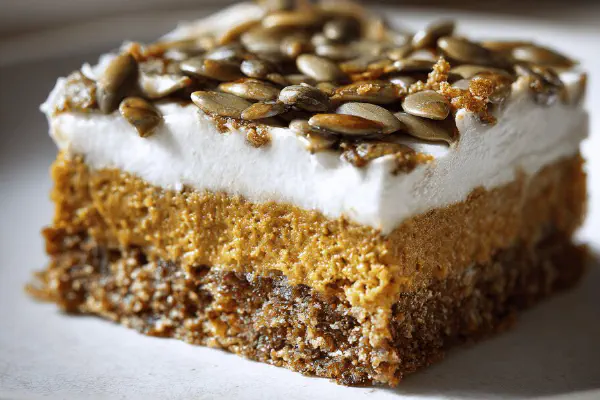
Spiced Pumpkin Squares
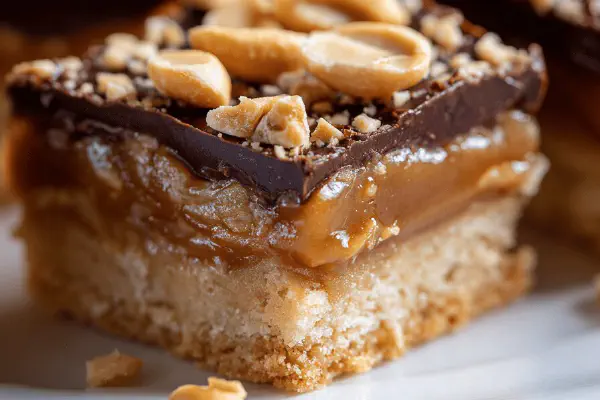
Crunchy Peanut Caramel Bars
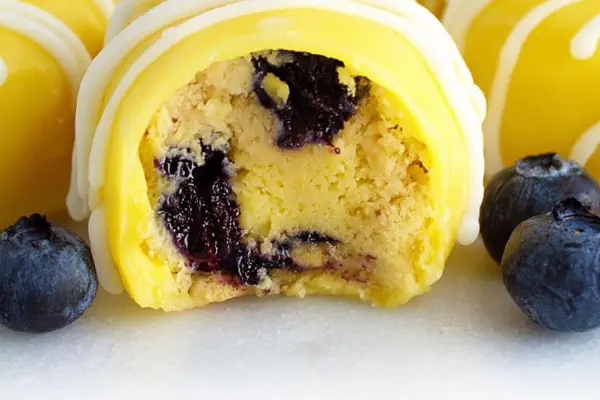
Lemon Blueberry Cheesecake Bites
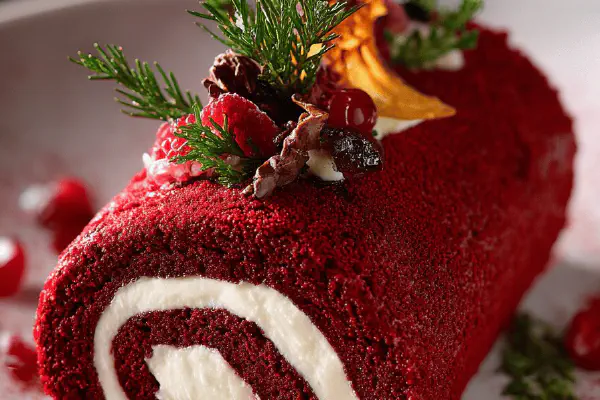
Red Velvet Yule Log
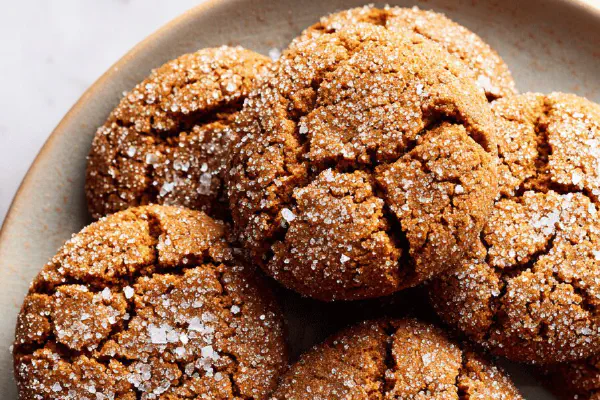
Double Ginger Crunch Cookies
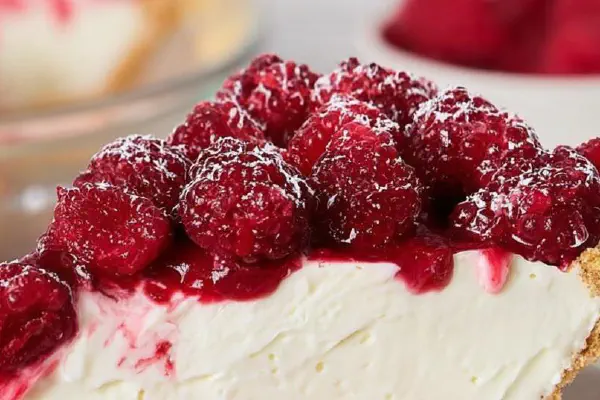
Raspberry Cream Cheese Pie

Soft Cutout Sugar Cookies
Apple Cream Layer Bars
Classic Apple Tart
Valentine's Peekaboo Pound Cake
Candy Cane Crumble Cookies
Chunky Peppermint Bark
Soft Peanut Butter Cookies
Raspberry Lemon Tart Remix
Almond Joy Bars Remix

Cookie Monster Cupcakes
Lemon Raspberry Tart
About the ingredients
Substitutions happen easy here if you know the game. Espresso makes difference but if you only have strong coffee, use that hot—still better than room temp. Ghee swapped for butter cuts water content, elevates caramelized flavor and resists burning; softened butter can swap if no ghee, watch stirring so batter doesn’t seize. Sour cream is hydration plus acidity, can replace partially with plain Greek yogurt for tang and moisture. Cocoa powder is crucial– Dutch-processed preferred to cut acidity, but natural works if matched with baking powder or baking soda adjustments. Sugar amount adjustable to sweetness preference; I often drop by 2 tablespoons if cake seems too sweet. Frosting richer with actual melted chocolate bars over powder; buy good quality 60-70% cacao bittersweet to avoid waxy frost. Heavy cream controls frosting firmness; cold or ambient temp makes big difference—add sparingly, too thin frosting messes structure, too thick feels like butter rocks. Salt balances sweetness but don’t skip, makes chocolate pop. Vanilla extract’s depth brings bouquet; use fresh and pure, no imitation if possible.
Method
Cake Prep
- Preheat oven to 325°F; grab two 9-inch light-colored aluminum pans. Spray with a nonstick baking spray with flour – skip this and you’ll regret scraping cake stuck to pan later.
- In mixer bowl, sift together cake mix, flour, salt, sugar, cocoa powder. Sift or whisk well. Dry combo important here; lumps kill texture.
- Add hot espresso slowly. The steam chills batter quickly so mix just until combined. Espresso sharpens chocolate notes versus regular coffee.
- Pour in melted ghee and vegetable oil; mix gently to incorporate. Add sour cream, scraping sides and bottom to keep mix uniform.
- Add eggs one at a time; the batter thickens and gets silkier. Finally, vanilla extract. Mix about 2 minutes until batter is uniform but not overworked or gloopy.
- Divide batter evenly into pans. Tap pans on counter to remove air pockets. Bake 33 to 43 minutes; visual check more trustable than timer. Center springs back lightly, edges pull from pan rims, toothpick test should be moist crumb, not wet batter.
- Cool cakes in pans 10 minutes. Then invert onto wire racks. Don’t frost warm cake or frosting melts and slides off.
Frosting
- Beat unsalted butter in mixer until creamy, no sour milk chunks.
- Gradually add powdered sugar, mixing after each addition. This prevents sugar clouds everywhere. Don’t dump all at once or you choke your mixer motor.
- Add salt and cocoa powder. Mix again to combine chocolate bitterness fully.
- Fold in melted bittersweet chocolate; cooled but still pourable. Gives deeper, richer chocolate than cocoa powder alone.
- Add vanilla extract. Now add heavy cream a tablespoon at a time, watching texture. Frosting should spread easily but hold shape. Cold kitchens or overbeat frosting need more cream; too thin add extra sugar.
- Trim domed tops from cooled cakes to level. Helps frosting layer even out, no slipping off edges.
- Apply frosting between layers, sides, then top. Use offset spatula strokes, swirl patterns optional but resist overworking – frosting stiffens fast on contact with cool cake.
- Chill briefly if very humid to set frosting before slicing.
===
Cooking tips
Dry ingredients together first locks in uniformity, no lumps and consistent rise. Hot espresso temperature crucial—too cool and fats seize, batter lumps; too hot and eggs start curdling mid-mix. Mixing order’s a science; eggs last emulsify fats and liquids, trap air bubbles for lift. Overmixing toughens crumb, undermixing ruins rise. Batter should glisten, no streaks. Dividing batter equal; rough pan sizes mean irregular cooking. Aluminum pans reflect heat better than dark ones, bake more evenly. Tap batter to settle air bubbles, prevent odd holes in crumb. Check doneness visually, look for edges pulling from pan edges, jiggly but not wet center, toothpick inserted feels moist (crumb clings, no wet batter). Cooling in pan 10 minutes lets cake firm up without cracking, flips out smoothly. Frosting—beat butter creamy before sugar adds. Gradual sugar addition prevents dust storms, clogs, clumps. Melted chocolate into the frosting changes texture entirely; cooler melted chocolate helps folding better but not fully cool or you’ll get lumps. Heavy cream is leverage; add slowly adjusting for surface tension and spreadability. Trim domes - saves frosting slippage, looks professional too. After frosting, chill briefly for better cutting edges; warm frosting smears every slice and crumbles. Always scrape bowl to incorporate hidden peaks of unmixed batter or frosting. Clean tools keep color pure, dust on frosting shows fast. A mix of tactile, visual, and aromatic cues guide success more than clocks and scales alone.
Chef's notes
- 💡 Dry ingredients first always. Whisk or sift, no lumps allowed. Dry mix hydration sets base. Hot espresso added slowly, too cold and fats seize, lumps form. Too hot spells egg curdle disaster; temp matters more than clock here.
- 💡 Swapping butter for ghee shifts texture. Ghee brings higher smoke point, nuttiness – not creaminess. Melt ghee fully before mixing. If no ghee, softened butter works but watch batter seize. Don’t overbeat after adding fat; silkiness is key.
- 💡 Beat eggs last, not first. Eggs trap air bubbles, create structure, add silk. Add one by one, stir gently after each. Overmix toughens crumb, undermix leaves batter inconsistent. Texture feels dense, yet silky, not puzzle-piece crumb.
- 💡 Melting bittersweet chocolate into frosting beats cocoa powder's flatness. Cool chocolate but not cold helps folding. Folding too cold risks lumps; too warm melts butter. Heavy cream adjusts consistency; add slowly, test spreadability with finger.
- 💡 Watch cake edges pulling from pans, center bounce test. Visual and touch cues beat timers. Toothpick moist crumb, never wet batter or tacky raw dough. Cool cakes in pans 10 min to firm, flip quickly, or crust cracks. Frosting warm cake ruins finish.
Common questions
Can I use regular coffee instead of espresso?
Yes but hot and strong only. Room temp kills flavor edge. Espresso sharper chocolate notes, coffee more muted. If weak coffee, bake loses punch.
What if I lack ghee?
Use softened butter but expect more water in mix, might affect crust and emulsion. Stir carefully to avoid batter seizing. Ghee resists burning better; watch bake time closely with butter.
Why does frosting sometimes get grainy?
Sugar dust clouds if added too fast or mixer overwhelmed. Melted chocolate lumps if too cold or too warm. Heavy cream too quick thins structure. Stir slow, temp control critical.
How to store leftover cake?
Wrapping tight stops dryness but smears frosting if warm. Refrigerate for 2-3 days max, then freeze if longer. Freeze sliced to portion, thaw covered at room temp for moist crumb.
You’ll Love These Too
Explore all →
Pangasius Coconut Lime
Thin Cocoa Crepes
Cheesy Pigs In Blanket
Parmesan Pumpkin Purée Bite
Shabu-Shabu Twist
Mustard-Crusted Lamb Shoulder
Oat Almond Waffles Twist
Pear Chocolate Cake
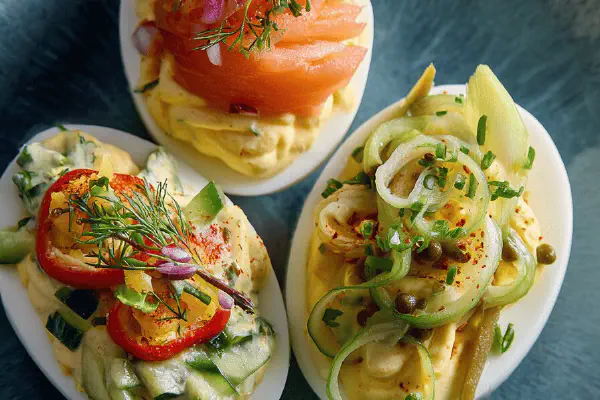
Holiday Deviled Eggs Trio
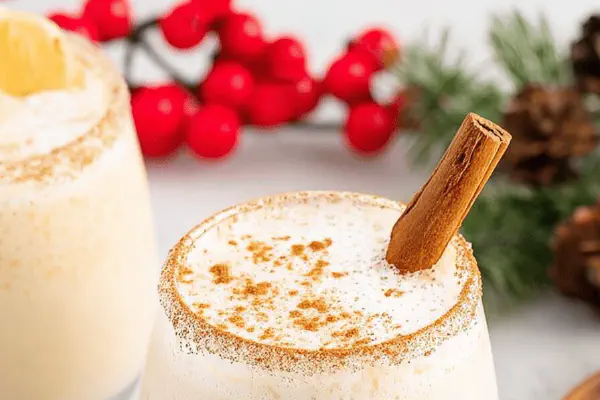
Classic Spiced Eggnog
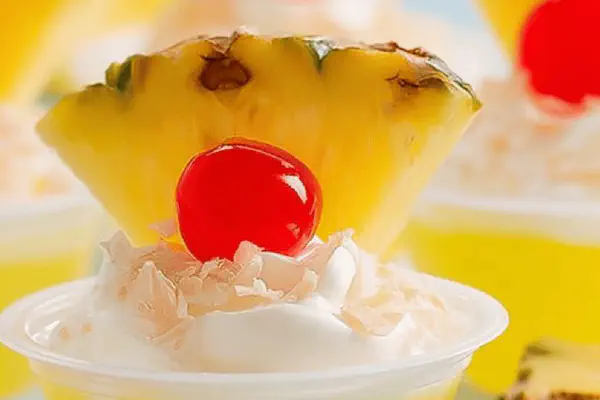
Twisted Pina Colada Shots
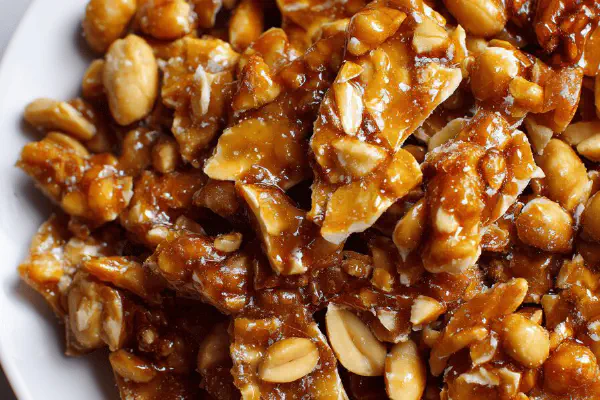
Crunchy Peanut Brittle Remix
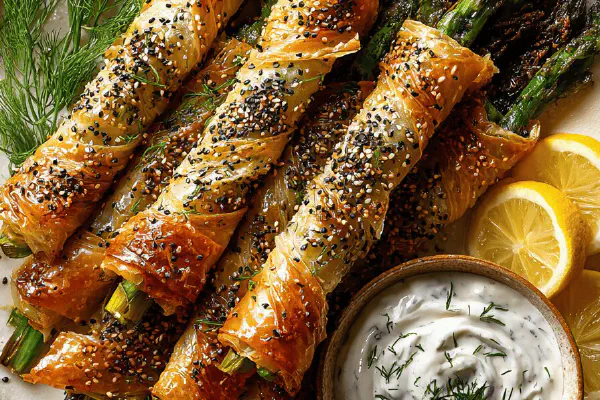
Crunchy Wrapped Asparagus
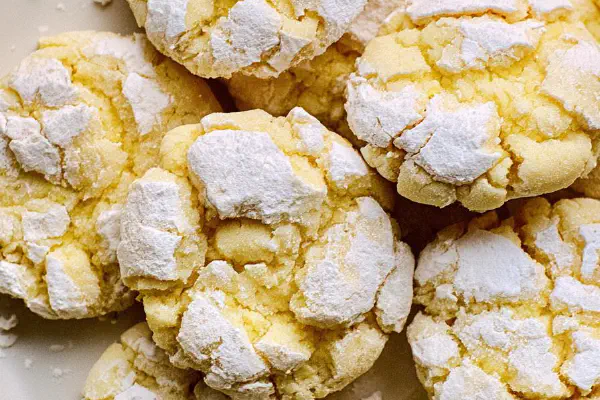
Lemon Crinkle Cookies Twist
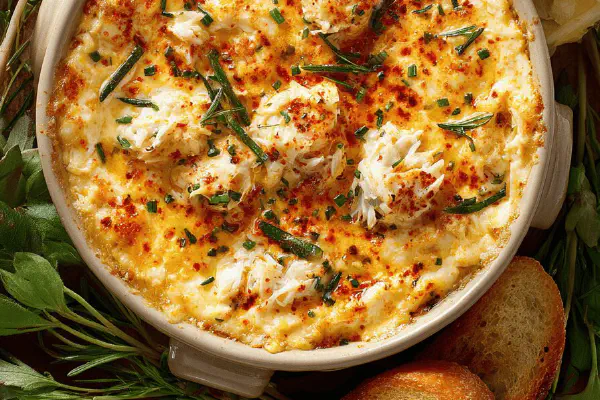
Hot Crab Dip Remix
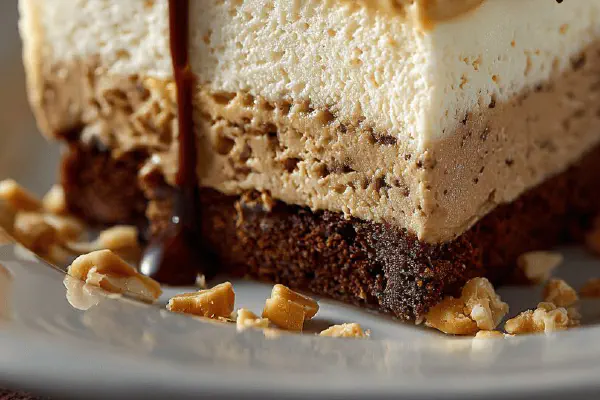
No-Churn PB Choco Sundae
Zesty Buttered Rice
Creamy Smoked Sausage Mac
Brookie Stack Cookies
Pumpkin Mac Cheese