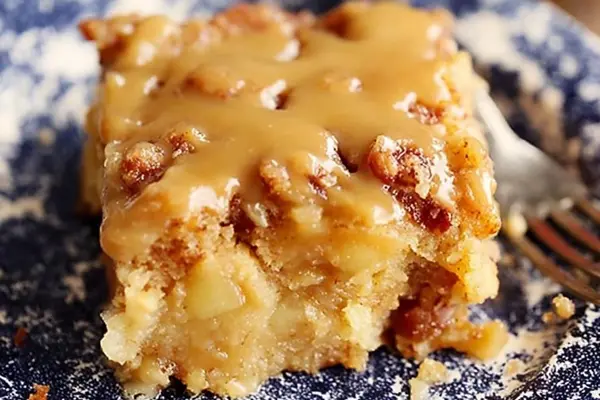
Apple Pecan Sheet Cake with Caramel Sauce
By Emma
Certified Culinary Professional
·
Recipe tested & approved
Spread the batter into a 9x13 pan and get it in the oven for 50 minutes—that’s the hard part done. Everything else is just timing and one caramel sauce that actually works. Fall cake season hits different when the apples are tart and the pecans are toasted, and this is the one that never disappears from the cooling rack.
Why You’ll Love This Apple Pecan Sheet Cake
Oil makes it stay moist. Butter and eggs make it taste like actual cake. That matters.
Caramel soaks in while it’s still hot. Not poured on top like frosting. Into the cake. Changes everything about how it tastes on day two.
Takes 22 minutes to prep. 50 in the oven. That’s 72 minutes from nothing to done. Not complicated.
Works for a crowd or for yourself at midnight with a fork straight from the pan. Nobody judges that.
Tastes better the next day—the apples soften, the caramel spreads through everything. Maybe that’s why people make fall cake recipes like this one. Improves with time.
What You Need for Apple Pecan Sheet Cake
Vegetable oil. A cup of it. Keeps things tender without needing a ton of butter. Coconut oil works. So does half oil, half applesauce if you’re weird about that—haven’t tried it, but theoretically.
Melted butter on top. 1/4 cup. That’s the flavor part.
Two cups of sugar. Granulated. Brown sugar changes the whole thing—not bad, just different.
Three eggs. Large ones. Room temperature if you have time. Cold ones work too, just takes longer to mix.
Vanilla. A tablespoon. The cheap stuff is fine here.
Two and three-quarter cups of all-purpose flour. Not cake flour. Not bread flour. Regular all-purpose. The salt and baking soda go in here—half a teaspoon of salt, one teaspoon of baking soda. Sift them together. Prevents lumps.
Two cups of tart apples. Chopped. Granny Smith or Pink Lady. Sweet apples don’t work the same way. Something about the brightness.
One cup of toasted pecans, chopped. Raw pecans taste like nothing. Toast them first. Changes it completely.
Brown sugar caramel—one cup packed brown sugar, half a cup of whole milk, quarter cup of butter. That’s it.
How to Make Apple Pecan Sheet Cake
Heat the oven to 350. Grease the 9x13 pan like you mean it. Spray, then butter, then spray again. Caramel runs down the sides and sticks to everything if you skip this part.
Whisk together the oil, melted butter, and sugar in a big bowl. It’s going to look grainy. That’s right. Add the eggs one at a time, stirring after each one. Don’t be gentle. Just stir. Vanilla goes in last, just a splash, mix it around.
Sift the flour with the salt and baking soda in a separate bowl. This matters more than it sounds. You’re adding air. Sifting does that.
Fold the dry stuff into the wet stuff in stages. Not all at once. You’ll overmix if you do. Lumpy is better than tough. A tough cake is worse than one with a few flour streaks. When it’s almost combined, add the apples and pecans. Fold slow. Don’t beat it around.
Spread everything into the pan. Use a spatula, smooth it out, but don’t press down hard. Bumps flatten on their own in the oven.
Bake for 50 minutes. Maybe 45, maybe 55, depends on your oven. Watch the edges. They should be golden and pulling away from the sides. The center should spring back when you poke it gently. A toothpick in the middle should come out with a few moist crumbs, not wet batter.
Let it cool for maybe 10 minutes. Not totally cool. Warm. Then poke holes all over with a skewer or toothpick. Deep holes. Big enough for caramel to soak in. You’re not trying to destroy the cake, just give the sauce somewhere to go.
How to Get the Caramel Right on Apple Cake with Caramel Sauce
Combine the brown sugar, milk, and butter in a small pan. Medium heat. Stir constantly. Watch for bubbles. When it starts to boil gently, that’s about 90 seconds. Temperature hits around 200 Fahrenheit if you have a thermometer. You don’t need one.
Stop when it thickens slightly. That’s the signal. One more minute and it’s burnt. Bitter. Ruined. It happens fast.
Pour it hot over the cake. Not cold. Hot. The heat helps it soak in. Drizzle it into those holes you made. Let it run down the sides. Smells buttery and rich when you do this. That’s how you know it’s right.
Let the whole thing cool completely before you slice. The caramel sets up as it cools. Cut too early and it slides everywhere. Patience.
Apple Cake with Caramel Sauce Tips and Common Mistakes
Don’t skip toasting the pecans. Raw ones taste like cardboard. Toasted ones taste like something.
Apples release water when you chop them. The oil in the batter absorbs that. Keeps the cake moist. This is why apple cake made with pecans and oil stays soft longer than cakes without apples. It’s not magic. It’s science.
Overmixing is the only real mistake. You’re folding, not beating. Fold means lift and turn, not stir aggressively. One minute of actual folding is enough.
The caramel temperature matters. Get it to a soft boil and pull it off. Too hot and it seizes. Too cool and it doesn’t thicken. 200 degrees is the target. If you don’t have a thermometer, watch for bubbles and trust your gut. You’ll feel when it’s right.
Serve it warm or room temperature. Cold cake mutes everything. The caramel gets thick and waxy. Warm it up before eating and the flavors come back.
Store leftovers covered in the fridge. In humid climates, the caramel gets sticky and the cake absorbs moisture from the air. Refrigerate immediately or don’t store it long. Warm slices before eating. A microwave for 15 seconds does the job.
Apple Pecan Sheet Cake with Caramel Sauce
Prep:
22 min
Cook:
50 min
Total:
72 min
Servings:
12 servings
Ingredients
- 1 cup vegetable oil
- 1/4 cup unsalted butter melted
- 2 cups granulated sugar
- 3 large eggs
- 1 tablespoon vanilla extract
- 2 3/4 cups all-purpose flour
- 1/2 teaspoon salt
- 1 teaspoon baking soda
- 2 cups peeled and chopped tart apples (about 2 medium)
- 1 cup chopped toasted pecans
- Caramel sauce ===
- 1 cup packed brown sugar
- 1/2 cup whole milk
- 1/4 cup unsalted butter
Method
- 1 Heat oven to 350 Fahrenheit. Grease a 9x13 pan thoroughly with nonstick spray or butter; no shortcuts or crust sticks.
- 2 In a large bowl, whisk oil, melted butter, sugar till grainy but combined. Add eggs one by one, stirring well after each. Vanilla follows, splash and mix.
- 3 In separate vessel, sift flour with salt, baking soda. Gives cake lift, prevents lumps. Fold dry into wet in stages; avoid overmixing. Lumpy better than tough.
- 4 Gently fold in apple pieces and toasted pecans. Apples release moisture, pecans add crunch. Fold slowly, ensure even distribution without beating batter.
- 5 Spread batter evenly into pan with spatula. Bumps flatten under spatula pressure. Bake for 45 to 55 minutes—eyes on edges, golden and pulling from sides. Cake center springs back gently. Toothpick should come out with few moist crumbs, no wet batter.
- 6 Cool slightly, then poke deep holes all over with skewer or toothpick. Big enough for caramel to seep in but not tearing cake apart.
- 7 Simmer caramel sauce: combine brown sugar, milk, butter in small pan over medium heat. Stir constantly, watch bubbles build to gentle boil. Once mixture reaches about 200 Fahrenheit or thickens slightly (around 90 seconds), remove from heat. Too long and it burns bitter.
- 8 Drizzle hot caramel evenly, making sure liquid dribbles into each hole. Smells rich, buttery, with caramelized sugar notes. Let cake cool completely to absorb, then slice into squares.
- 9 Serve room temp or gently warmed; cold cakes mute flavors, but warmth awakens aromas and soft snaps from nuts.
- 10 Store leftovers covered in fridge. Warmer climate? Refrigerate immediately or caramel gets sticky and cake soggy. Reheat briefly before eating for best texture.
Nutritional information
Calories
700
Protein
5g
Carbs
90g
Fat
35g
Frequently Asked Questions About Apple Pecan Sheet Cake
Can I use a different type of apple? Granny Smith or Pink Lady work best. Sweet apples make the cake taste one-note. Tart ones wake it up. Honeycrisp is too soft. They fall apart.
Does this cake freeze well? Yeah. Wrap it tight before the caramel goes in. The caramel can separate when it thaws. Do caramel after you thaw it. Better texture that way.
What if the caramel breaks or looks grainy? Means it got too hot or sat too long. Start over. It’s not hard. Brown sugar, milk, butter. Two minutes. That’s the whole thing.
Can I use regular sugar instead of brown sugar for the caramel? It’ll be thinner. Not as rich. Brown sugar has molasses. That’s what makes it taste like caramel instead of burnt sugar. Doesn’t work the same without it.
How long does this keep? Three days in the fridge, covered. After that the caramel gets weird and the apples oxidize. Not dangerous. Just not as good. Eat it fresh. Or make two.
Can I bake this in a different pan size? Not really. 9x13 is specific here. Deeper pan means it takes longer and the edges dry out. Shallower pan and it bakes too fast. Thickness matters. Stick with 9x13.
You’ll Love These Too
Explore all →
Making Sugar Cookies with Butter & Colored Sugar
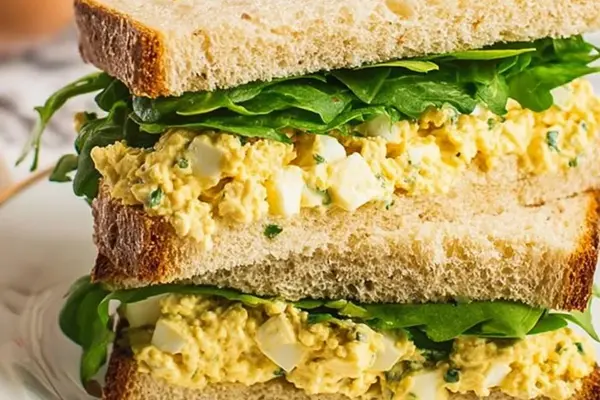
Bacon and Egg Potato Salad Recipe
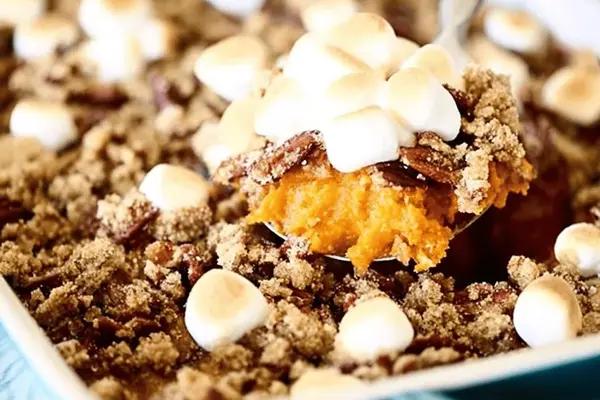
Sweet Potato Casserole with Pecans & Marshmallows
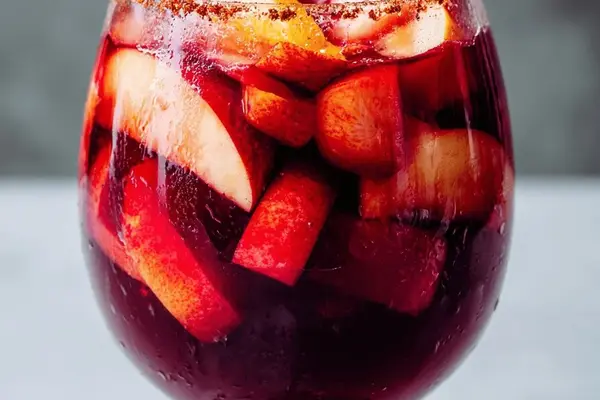
Red Wine Sangria with Peaches and Cinnamon
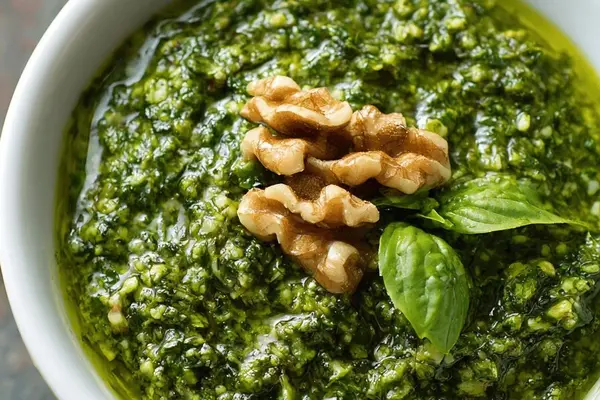
Herb Pesto with Walnuts and Pecorino
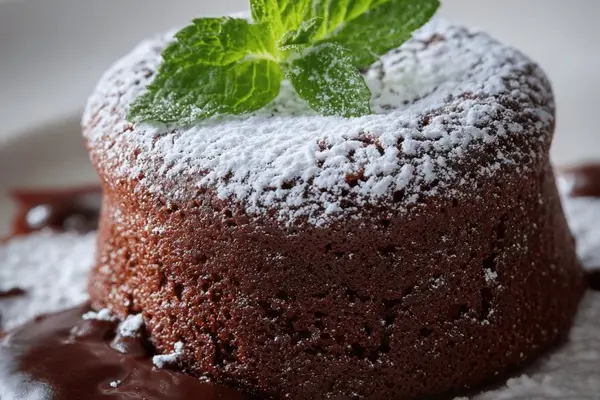
Gluten-Free Chocolate Soufflés with Lime Zest
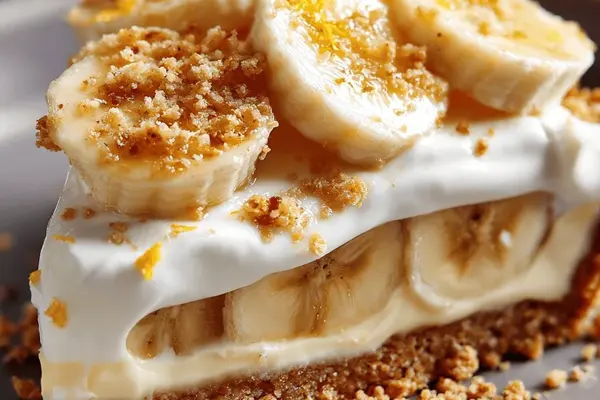
Banana Cream Tart with Oat Crust

BBQ Cauliflower Bites
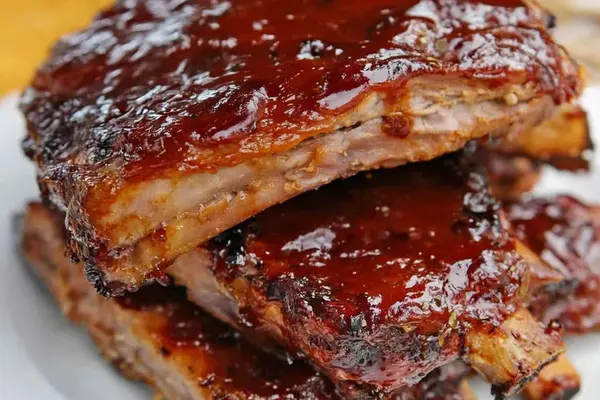
Oven-Steamed BBQ Ribs with Paprika Dry Rub
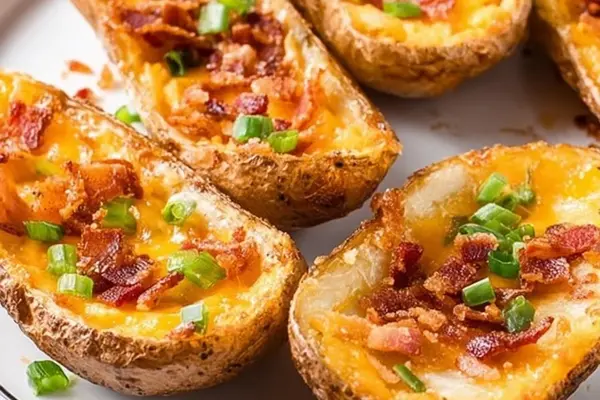
Crispy Baked Potato Skins with Bacon & Cheddar
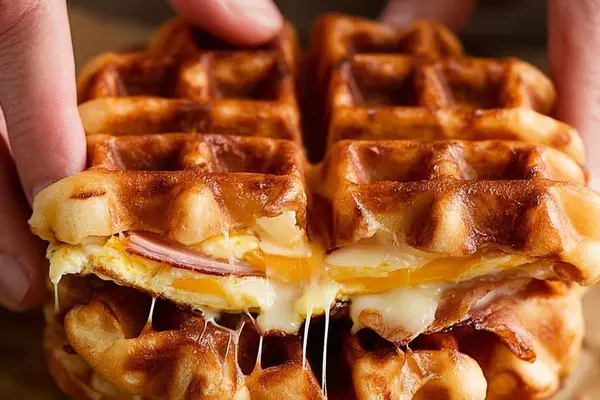
Ham Egg Cheese Biscuit Wafflewiches
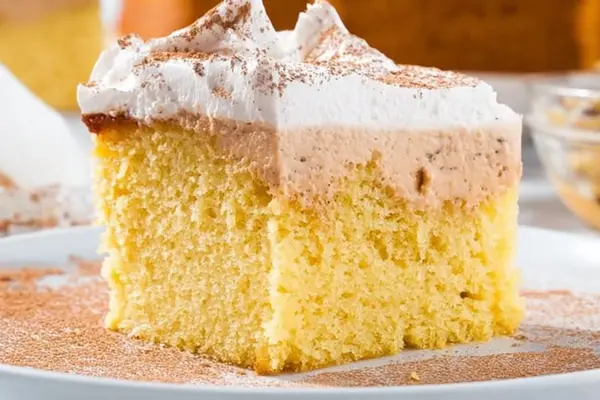
Pumpkin For Pie Cake with Pudding
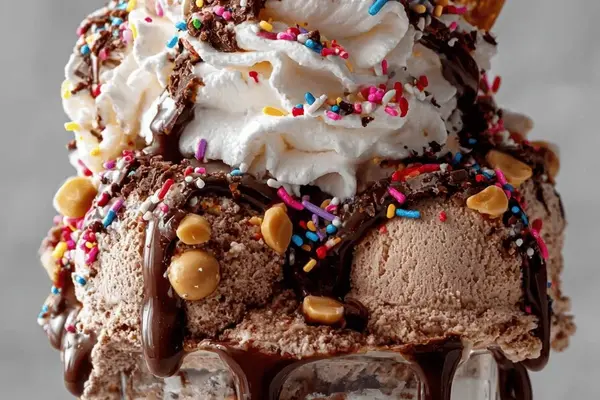
Peanut Butter Chocolate Sundae No-Churn
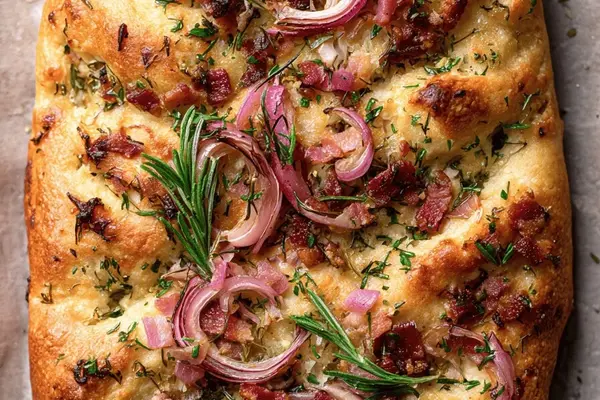
Savory Herb Fougasse with Pancetta
Gruyère and Asparagus Tart Recipe
Pumpkin Parmesan Bites with Smoked Paprika
Bread Pudding with Banana, Mandarin & Pecans
Baked Pumpkin Donuts with Maple Glaze
Beef Pasta with Chipotle, Corn & Cheddar