Bacon and Maple Syrup Pancakes Recipe
E
By Emma
Certified Culinary Professional
•
Recipe tested & approved
Fluffy bacon and maple syrup pancakes made with eggs, milk, and thick-cut smoked bacon cooked in bacon grease. Crispy edges, tender crumb, salty-sweet finish.
Prep:
16 min
Cook:
28 min
Total:
44 min
Servings:
22 servings
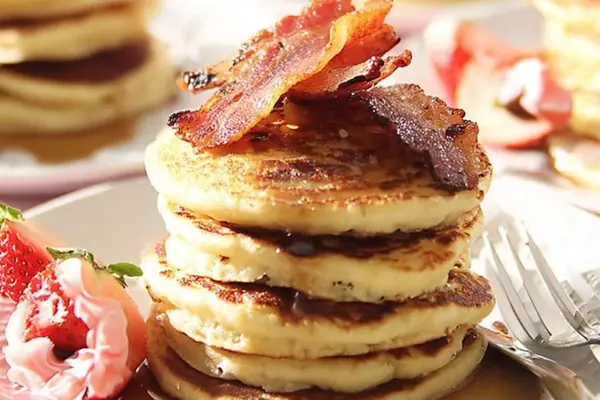
Thick-cut bacon on top of warm pancakes, maple syrup pooling into every crevice. That’s the whole thing right there. Takes 44 minutes start to finish—16 to prep, 28 to cook—and most of that’s just waiting for the pan to heat or the batter to rest. Not complicated. Just bacon and maple syrup pancakes that actually taste like something.
Why You’ll Love These Bacon And Maple Pancakes
Weeknight breakfast that doesn’t feel like weeknight breakfast. The bacon crisps into the pancakes instead of sitting on the side like an afterthought. Comfort food that works cold the next morning too, which is half the reason to make a double batch. Takes 44 minutes total if you move through it—way faster than anything involving yeast. No special equipment. Bowl, whisk, griddle. That’s it. Kids eat these without negotiation. Adults go back for thirds.
What You Need For Bacon And Maple Syrup Pancakes
All-purpose flour. Not cake flour, not bread flour. The regular kind works fine. One and a half cups. Sugar—just regular white sugar, three tablespoons. Baking powder and baking soda together, they make the lift happen. Half a teaspoon of salt. Fine sea salt. Coarser salt dissolves weird into the batter and ends up gritty. Whole milk, a cup and a half. One percent milk is too thin. A couple eggs—big ones. Vanilla, just a teaspoon. Oil that won’t burn—avocado oil works, neutral oil works, or bacon grease if you’re feeling it. Twelve ounces of thick-cut smoked bacon. Not thin bacon. Thick. The thin stuff disappears into the pancakes and you taste nothing but smoke. Cook it first. Chop it up.
How To Make Bacon And Maple Syrup Pancakes
Get the dry stuff in a bowl first. Flour, sugar, baking powder, baking soda, salt. Whisk it together for real—not a halfhearted stir. You’re breaking up clumps so the batter rises even. Takes maybe a minute. In another bowl, milk, eggs, vanilla, oil. Beat it until it’s smooth and foamy on top. The foam means the eggs are doing their job. Pour the dry into the wet slowly while folding with a spatula. Don’t get aggressive. Lumps in the batter are fine. Overmixing triggers gluten and makes the pancakes tough and chewy instead of tender. Walk away. Let it rest 12 minutes. The batter thickens, the flour absorbs the milk, bubbles soften. This matters more than most people think.
Heat your skillet or griddle to medium heat—around 345°F if you’re checking. If you don’t have a thermometer, flick water at it. When it sizzles immediately, you’re there. Brush it with bacon fat or oil. The fat sizzles the second it hits hot metal. Good sign. Use a quarter cup measure or cookie scoop and spoon batter onto the griddle. Don’t crowd it. You need space to flip without hitting another pancake. Watch the edges. They’ll start looking matte and dry—that’s when you know the bottom is set. Sprinkle a teaspoon or two of chopped bacon right on top of each pancake before flipping. The heat melts it slightly into the top, and it gets crispy when it hits the hot side.
Wait for bubbles to pop through the surface and the edges to look dry. Then flip. Listen for the hiss when the wet side hits hot fat. Cook another minute or two until it’s firm but not hard when you touch it. The butter goes in soft, the syrup goes in hot—that’s how you know it’s done right. Transfer finished pancakes to a wire rack set over a warm oven at about 150°F. Don’t stack them wet. They’ll steam and lose the edge that makes them worth eating. Keep going with the rest of the batter and bacon until it’s gone. Watch the heat—if the bottoms burn, turn it down. If the insides are raw, bring it back up.
Bacon And Maple Pancakes Tips And Common Mistakes
Batter rest is real. Skip it if you want, but the pancakes won’t be as tender. Twelve minutes isn’t negotiable once you’ve mixed. The griddle heat is everything. Too cold and they come out pale and dense. Too hot and the outside burns before the inside cooks through. Medium is the safe spot. Bacon type matters. Thick-cut smoked bacon is the move. Thin bacon disappears. Turkey bacon tastes like nothing. Pepper bacon works if you want heat. The resting pancakes on a wire rack—not a plate. A plate traps steam underneath and they get soggy. Rack lets air flow underneath and keeps them from steaming themselves. Maple syrup should be warm when it goes on. Cold syrup on warm pancakes is fine, but warm syrup pools better and soaks in deeper. Real maple syrup only. The fake stuff tastes like corn and chemicals. Not worth it. Butter cold. Let it melt into the warm pancakes. Hot butter on hot pancakes spreads too fast and you lose control. Cold butter melts slow and stays where you want it.
Bacon and Maple Syrup Pancakes Recipe
Prep:
16 min
Cook:
28 min
Total:
44 min
Servings:
22 servings
Ingredients
- 1 ½ cups all-purpose flour
- 3 tablespoons sugar
- 1 ½ teaspoons baking powder
- ¾ teaspoon baking soda
- ½ teaspoon fine sea salt
- 1 ½ cups whole milk
- 2 large eggs
- 1 teaspoon vanilla extract
- 2 tablespoons neutral oil (can substitute melted bacon grease or avocado oil)
- 12 ounces thick-cut smoked bacon, cooked and chopped
Method
- 1 Mix flour, sugar, baking powder, baking soda, salt in a large bowl. Whisk thoroughly to combine; no clumps hiding.
- 2 In separate bowl, beat milk, eggs, vanilla, and oil until smooth. No streaks, good foam forming on top signals aeration.
- 3 Pour dry into wet. Fold gently with spatula, lumps okay. Overmixing triggers gluten brakes chewy. Let batter rest 12 minutes—gluten settles, bubbles soften.
- 4 Heat skillet or electric griddle to medium (roughly 345°F). Brush with bacon fat from your cooked bacon stash or unflavored spray. Fat sizzles instantly when hot enough.
- 5 Spoon batter onto griddle using a ¼ cup measure or cookie scoop—inspect edges as they set. Drops of batter solidify and look matte for flipping readiness.
- 6 Sprinkle 1-2 teaspoons chopped bacon atop each pancake. Modern twist: swap traditional bacon for diced smoked pancetta for sharper, deeper savory notes.
- 7 Wait for bubbles to surface, edges dry slightly, then flip pancakes. Listen for the satisfying hiss when they hit hot fat again. Cook 1-2 minutes more, firm but tender to touch.
- 8 Transfer cooked pancakes to wire rack set over warm oven (about 150°F). Avoid stacking wet pancakes directly; they steam and lose crispness.
- 9 Repeat batter ladling and bacon sprinkling until finished. Keep an eye on heat; adjust if bottom burns or pancake interiors raw.
- 10 Stack warmed pancakes on plates. Add an extra layer of chopped bacon on top. Slap a cold pat of butter; let it melt into crevices. Finish with real maple syrup drizzled generously.
Nutritional information
Calories
320
Protein
10g
Carbs
28g
Fat
18g
Frequently Asked Questions About Bacon And Maple Syrup Pancakes
Can I make the batter ahead of time? Yeah. Mix it the night before, keep it in the fridge. It’ll be thicker in the morning. Add a splash of milk if it won’t pour right. Lose the resting time though—make it fresh the morning of if you can. The bubbles help with texture.
What if I don’t have thick-cut bacon? Regular bacon works. Won’t be as crispy or smoky in the pancakes, but it still works. Cook it extra crisp first so it doesn’t turn chewy when you bake it into the top.
Can I use bacon grease instead of oil? Do it. Actually better. Save the grease from cooking the bacon and use it to brush the griddle and in the batter. Smokes a bit if it gets too hot, so keep the heat at medium and watch it.
How do I know when to flip? Bubbles come through the surface and pop. Edges look matte and dry. The wet middle still looks wet. That’s when. Don’t flip early—they fall apart. Too late and the bottom is dark.
Do these pancakes freeze? Yeah. Cool them completely, stack with parchment between each one, throw them in a bag. Toast them in a regular toaster or the oven at 350°F for 5 minutes. Taste almost as good as fresh. The bacon gets crispy again.
What’s the deal with baking soda and baking powder together? Baking powder is already baking soda plus acid. You add more baking soda because the eggs and buttermilk—wait, there’s no buttermilk here. Regular milk just needs the baking soda to react and make bubbles. The powder does the rest. Together they lift the pancakes higher and make them fluffier without being dense.
You’ll Love These Too
Explore all →
Fluffy Omelette with Ricotta Salata
Strawberry Rhubarb Crisp with Buttery Crust
Roasted Root Vegetables Recipe with Balsamic

Cranberry Punch Recipe with Apple Cider

Crab-Stuffed Lobster Tail Recipe
Danish Salmon Tartines with Rye Bread
Kale Chicken Salad with Goat Cheese
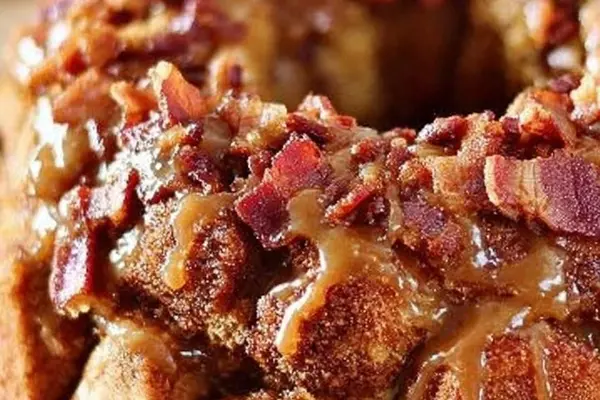
Salted Caramel Bacon Monkey Bread Recipe
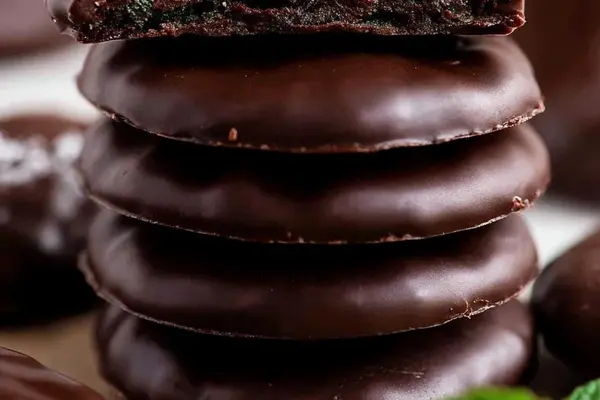
Mint Chocolate Crisps with Peppermint Extract
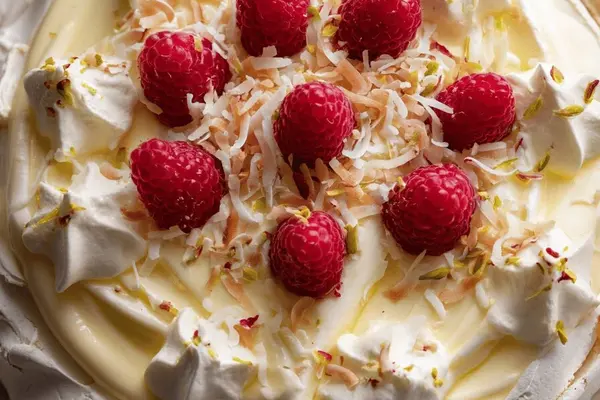
Lemon Pavlova with Yuzu Filling Recipe
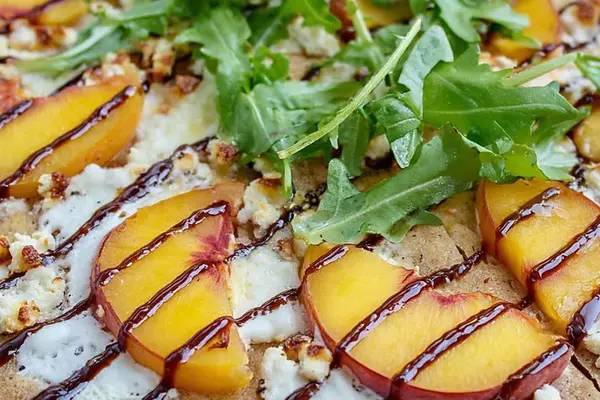
Peach Pizza with Gorgonzola and Arugula
Maple Cheesecake with Candied Bacon Recipe
Tuna Melt with Asparagus & Radish
Honey Citrus Lamb Racks with Grapefruit
Rustic French Baked Onions with Gruyère
Slow Cooker Pork Tenderloin in Chianti
Curried Beef Stuffed Peppers with Sweet Potatoes
Brownie Cookies with Avocado & Toasted Pecans
Homemade Reese's Peanut Butter Cups Recipe