
Baked Teriyaki Salmon
By Emma
Certified Culinary Professional
·
Recipe tested & approved
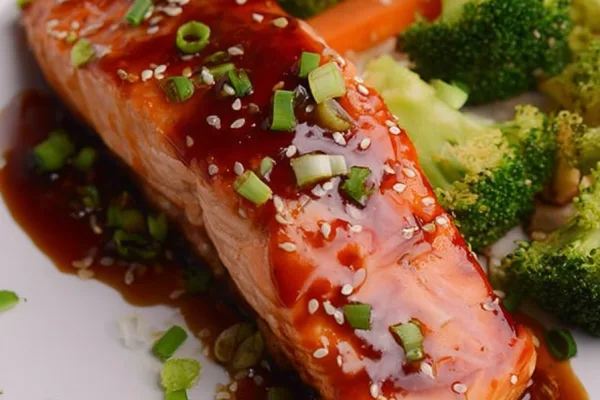
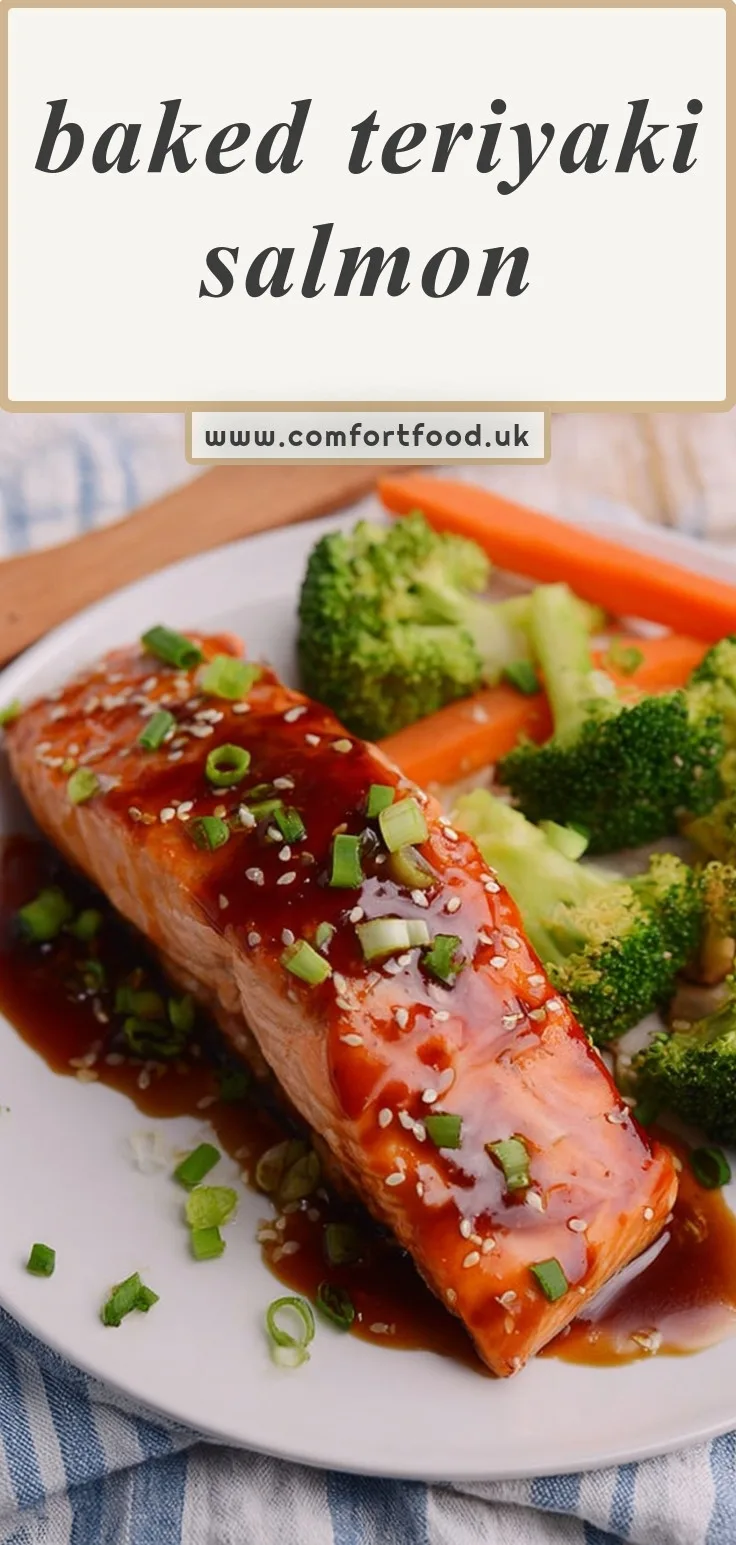
Baked Teriyaki Salmon features salmon filets roasted with a homemade teriyaki glaze combining mirin, soy sauce, garlic, and ginger. The glaze thickens with cornstarch, layered on during baking until sticky and glossy.
Prep:
5 min
Cook:
20 min
Total:
25 min
Servings:
4 servings
I’ve been making baked teriyaki salmon on repeat lately because the glaze actually sticks instead of sliding off into a puddle. The trick is layering it on during baking, not before, which sounds obvious now but took me a few tries to figure out. You get this glossy coating that caramelizes just enough without burning.
Why You’ll Love This Recipe
- The glaze thickens with cornstarch so it clings to every inch of the fish
- You apply teriyaki sauce in layers while baking, building up that sticky finish
- Fresh ginger and garlic get blended smooth so there’s no chunks
- It takes 25 minutes total and most of that is oven time
- The mirin adds this subtle sweetness that rounds out the soy without tasting like dessert
- Sesame seeds give it crunch without frying anything
The Story Behind This Recipe
I tested this last Tuesday after work because I had salmon thawing and I was tired of my old teriyaki method where the sauce just pooled at the bottom of the pan. I’d been seeing recipes that called for multiple glaze applications but I always skipped that step because it seemed fussy. Turns out that’s the whole point. The first layer soaks in a bit, the second one starts to set, and the third one gives you that shiny top coat you see in restaurants. I used an immersion blender for the sauce because I didn’t want to taste chunks of raw garlic, and that made a bigger difference than I expected. Now it’s my standard salmon recipe when I don’t want to think too hard but still want something that tastes like I tried.
What You Need
You’ll need 2/3 cup mirin, which is the sweet rice wine that gives the glaze its roundness without making it taste like candy. Don’t skip this or swap it for something else because regular cooking wine doesn’t work the same way here. Then there’s 1 cup low sodium soy sauce, and I mean low sodium because the regular stuff makes this too salty once it reduces down. You’ll also want 2 tablespoons rice vinegar to cut through all that sweetness and 1 teaspoon sesame oil for that toasted background note.
For the aromatics, grab 1/3 cup light brown sugar, 4 cloves fresh garlic, and 2 tablespoons fresh ginger. All three need to be grated or minced really fine so they blend smooth when you hit them with the immersion blender later. If you leave chunks, you’ll taste raw garlic and that’s not what we’re going for.
The thickening agent is 3 tablespoons cornstarch mixed with 3 tablespoons water, and this is what turns the sauce from a thin liquid into something that actually grabs onto the fish. You’ll need 12 ounces salmon cut into 4 equal filets, plus 1/2 teaspoon each of coarse sea salt and ground black pepper for seasoning before it goes in. Finish with 1 tablespoon toasted sesame seeds and 2 tablespoons sliced scallions because those add texture at the end when everything else is soft.
How to Make Baked Teriyaki Salmon
Start by putting the mirin, soy sauce, rice vinegar, sesame oil, brown sugar, garlic and ginger in a small saucepan. Bring it to a gentle boil over low heat and don’t walk away because the sugar makes it foam up fast and it’ll boil over if you’re not watching. Let it simmer for 10 to 15 minutes until it smells really fragrant and reduces just a bit, though it stays thin at this stage.
Now blend the hot sauce with an immersion blender or toss it in a food processor until everything’s smooth and you can’t see garlic bits anymore. This is the step that changed how I think about teriyaki sauce because when it’s blended, the flavor spreads evenly instead of hitting you with random spikes of raw garlic.
Mix your cornstarch with water in a small bowl until there’s no lumps. Pour that slurry into the warm sauce while it’s still on low heat and stir it in. It’ll turn glossy immediately and start thickening up, so pull it off the heat right away since it keeps thickening as it cools.
Heat your oven to 350°F and line a baking sheet with parchment paper. Put the salmon filets on the sheet and season both sides with the coarse sea salt and black pepper. Don’t be shy with the seasoning because it needs to stand up to that sweet glaze.
Slide the tray into the oven for 10 minutes. The fish starts cooking through and the surface firms up enough to hold the glaze without it just sliding off into a puddle.
Pull the tray out and spoon a thick layer of teriyaki sauce over each filet, making sure you coat the top. Put it back in for another 5 minutes. You’ll start to see the sauce bubble and caramelize at the edges where it gets hot.
Take it out one more time and apply your final glaze layer, then back in for just 2 more minutes so the sauce sets into that sticky finish without drying out the fish. When you pull it out for the last time, hit it with the toasted sesame seeds and sliced scallions right away while it’s still hot.
What I Did Wrong the First Time
I made the sauce too far ahead and it thickened so much in the fridge that I couldn’t spread it on the salmon without tearing the fish. Had to reheat it with a splash of water to loosen it back up, which diluted the flavor more than I wanted. Now I make the teriyaki sauce right before I’m ready to use it, or I keep it warm on the lowest burner setting if I need to prep anything else first.
Baked Teriyaki Salmon
Prep:
5 min
Cook:
20 min
Total:
25 min
Servings:
4 servings
Ingredients
- 2/3 cup mirin
- 1 cup low sodium soy sauce
- 2 tablespoons rice vinegar
- 1 teaspoon sesame oil
- 1/3 cup light brown sugar, grated or minced
- 4 cloves fresh garlic, grated or minced
- 2 tablespoons fresh ginger, grated or minced
- 3 tablespoons cornstarch or arrowroot
- 3 tablespoons water
- 12 ounces salmon, cut into 4 equal filets
- 1/2 teaspoon coarse sea salt
- 1/2 teaspoon ground black pepper
- 1 tablespoon toasted sesame seeds
- 2 tablespoons scallions, sliced
Method
- 1 In a small saucepan, stir together the mirin, soy sauce, rice vinegar, sesame oil, brown sugar, garlic, and ginger. Bring to a gentle boil over low heat, watching closely as the sugar can cause it to foam aggressively. Let it simmer for 10 to 15 minutes until the mixture remains thin but aromatic and slightly reduced.
- 2 Blend the hot sauce with an immersion blender or food processor until the texture is uniform and the garlic and ginger are fully incorporated.
- 3 Whisk together cornstarch or arrowroot with water in a small bowl until fully dissolved. Stir this slurry into the warm teriyaki sauce on low heat; it should immediately become glossy and start to thicken. Remove from heat promptly as it will thicken further while cooling.
- 4 Heat the oven to 350°F. Line a baking sheet with parchment paper to prevent sticking and facilitate cleanup.
- 5 Place the salmon filets on the sheet. Season both sides liberally with coarse sea salt and black pepper. The seasoning is generous to balance the sweet and salty glaze.
- 6 Slide the salmon into the oven and bake for 10 minutes. The thickening sauce gets its first layer of adherence here as the salmon starts to cook through.
- 7 Remove the tray and spoon a generous amount of the teriyaki glaze over each filet, spreading carefully to coat. Return to the oven and bake for another 5 minutes. At this point, the surface begins to shimmer and sizzle with caramelizing sugars.
- 8 Take the salmon out again and apply a final glaze layer. Return to the oven for just 2 more minutes so the sauce sets well without drying the fish.
- 9 Once out, sprinkle with toasted sesame seeds and thinly sliced scallions to add a subtle crunch, nuttiness, and fresh bite that cuts through the glaze.
- 10 Serve immediately while the skin is tender, the flesh flaky, and the teriyaki sauce sticky and tangy with a hint of warmth from garlic and ginger.
Nutritional information
Calories
320
Protein
30g
Carbs
18g
Fat
12g
Tips for the Best Baked Teriyaki Salmon
Don’t glaze the salmon before it goes in the oven or the sauce will just slide off and pool around the edges instead of sticking. That first 10 minutes firms up the surface so the teriyaki sauce has something to grip onto when you brush it on.
If your sauce gets too thick while you’re waiting between glaze layers, add a teaspoon of water at a time and stir it on the lowest heat. I learned this when mine turned into something closer to honey and I couldn’t spread it without the brush dragging across the fish.
Use a spoon instead of a brush for the glaze application because brushes leave streaks and don’t coat evenly. A spoon lets you pour and spread in one motion, and you get better coverage without disturbing the fish underneath.
Check the thickest part of your salmon with a fork after the second glaze layer because thinner filets cook faster than the timing suggests. If it flakes easily already, skip that final 2 minutes or you’ll end up with dry edges. The residual heat from the pan keeps cooking it even after you pull it out, which I didn’t account for the first time and overcooked two of the four pieces.
Serving Ideas
I put this over brown rice with steamed broccoli because the rice soaks up any extra teriyaki sauce that slides off and the broccoli needs something salty to make it interesting. Sometimes I’ll do soba noodles tossed with a little sesame oil and the scallions from the top of the salmon, which makes it feel more like a noodle bowl situation.
Shredded cabbage with rice vinegar works too if you want something crunchy and cold next to the warm fish. I’ve also broken up leftover baked salmon into chunks and tossed it with mixed greens and edamame for lunch the next day, though the glaze doesn’t reheat well so it’s better cold in that context.
Variations
You can swap the salmon for skin-on chicken thighs if you’re not into fish, but you’ll need to bake them at 375°F for about 30 minutes total and glaze them the same way in stages. The skin crisps up under the glaze and it works better than I expected, though the flavor profile shifts since chicken doesn’t have that oily richness.
If you want spice, add 1/2 teaspoon red pepper flakes to the sauce while it simmers and it’ll give you a slow burn without covering up the mirin sweetness. I tried this once when I had some older red pepper flakes that needed using up and it actually balanced the sugar better than the plain version.
Honey instead of brown sugar makes the glaze a little thinner and more floral, which some people like but I think it tastes too much like dessert. You’d have to reduce the honey to 1/4 cup or it gets too sweet, and even then it doesn’t caramelize the same way.
FAQ
Can I use regular soy sauce instead of low sodium? You can but it’ll taste way too salty once the sauce reduces down in the pan. Low sodium gives you control over the salt level and you can always add more at the end if you want.
What if I don’t have mirin? Don’t substitute cooking wine or sake because they don’t have that subtle sweetness that rounds out the soy. You could try 2/3 cup sake mixed with 1 tablespoon sugar but it’s not quite the same and I wouldn’t recommend it if you can find mirin at any Asian grocery.
Can I make the teriyaki sauce ahead of time? Yeah but it thickens a lot in the fridge so you’ll need to reheat it gently with a splash of water before using. I usually make it the same day now because reheating it dilutes the flavor a bit and it’s not worth the convenience trade-off.
How do I know when the salmon is done? It should flake easily with a fork at the thickest part and the center should be opaque, not translucent. If it’s still a little translucent after 17 minutes total that’s fine because it keeps cooking on the hot pan for another minute or two after you pull it out.
Can I use frozen salmon? Thaw it completely first and pat it really dry with paper towels or the glaze won’t stick and you’ll get a watery mess on your baking sheet. I usually leave it in the fridge overnight to thaw slowly so it doesn’t get mushy.
What’s the best way to reheat leftovers? Don’t microwave it because the fish turns rubbery and the glaze separates. I eat it cold over salad or reheat it gently in a 300°F oven for about 5 minutes just to take the chill off, though it’s never as good as fresh.
Can I double the recipe? Sure but use two baking sheets or the filets will be too crowded and they’ll steam instead of roast. You’ll also need to make about 1.5 times the sauce amount because more surface area means more glaze gets absorbed into the fish during those applications.
Why did my sauce stay thin even after adding the cornstarch? Either your sauce wasn’t hot enough when you added the slurry or you didn’t mix the cornstarch and water well enough before pouring it in. It needs to hit warm liquid and get stirred immediately or it clumps up instead of thickening evenly.
Can I use arrowroot instead of cornstarch? Yeah the recipe actually lists it as an option and it works the same way. Some people say arrowroot gives a clearer glaze but I’ve never noticed a difference in this recipe.
Do I have to use an immersion blender? No but if you skip it you’ll have chunks of garlic and ginger in your sauce which some people don’t mind but I can’t stand biting into raw garlic. A regular blender or food processor works fine, just be careful with hot liquids and vent the lid so pressure doesn’t build up.
What if my glaze is burning on the edges during baking? Your oven might run hot or you’re applying too thick of a layer. Try lowering the temp to 325°F and spreading the glaze thinner, or cover the edges loosely with foil if they’re getting too dark before the center is done.
Can I use pre-minced garlic from a jar? I wouldn’t because jarred garlic has a sharper, almost metallic taste that comes through even after blending, and it doesn’t have the same punch as fresh. It’s only 4 cloves so it’s worth the 2 minutes to peel and mince them.
How long does the sauce keep in the fridge? About 5 days in an airtight container. It’ll thicken up a lot so you’ll need to thin it out before using it again, and sometimes the cornstarch breaks down a bit so the texture isn’t as smooth.
Can I use skin-on salmon? Yeah but put it skin side down on the parchment and don’t flip it. The skin won’t get crispy under the glaze anyway so it’s just there as a base. Some people like pulling the skin off after baking and eating it separately but that’s up to you.
What size filets should I use? The recipe calls for 12 ounces total cut into 4 equal filets, so each one is about 3 ounces. If your filets are bigger you’ll need to add a couple minutes to each baking stage or the center won’t cook through.
Why does the sauce foam up so much when I’m simmering it? The brown sugar creates foam as it dissolves and heats up, and mirin adds to that because of its sugar content. Just watch it closely and lower the heat if it starts climbing up the sides of the pan.
Can I skip the rice vinegar? I wouldn’t because it cuts through all that sweetness and gives the sauce some brightness. Without it the glaze tastes one-dimensional and too syrupy, which is fine if that’s what you like but it’s not how this recipe is balanced.
What if I don’t have fresh ginger? Ground ginger doesn’t work here because it tastes dusty and doesn’t blend into the sauce the same way. You could use ginger paste from a tube if that’s all you have but use about 1 tablespoon instead of 2 because the paste is more concentrated.
How do I toast sesame seeds? Put them in a dry skillet over medium heat and shake the pan every 30 seconds until they start to smell nutty and turn slightly golden. Takes about 3 minutes total and they burn fast so don’t walk away.
Can I use this sauce on other fish? Yeah it works on any firm fish like mahi mahi or halibut but I haven’t tried it on anything delicate like tilapia because I think the glaze would overpower it. The baking time would be about the same depending on thickness.
What happens if I open the oven too many times while it’s baking? You’ll lose heat and the fish will take longer to cook, plus the glaze won’t set as well because the temperature keeps dropping. Try to be quick when you pull it out to apply each layer and get it back in fast.
You’ll Love These Too
Explore all →
Crispy Air Fryer Corn on the Cob
Tofu Stir Fry with Bell Peppers & Zucchini

Cranberry Chocolate Rustic Loaf Recipe

Homemade Zeppole: Crispy Fried Dough Balls
Coleslaw Recipe with Spicy Tomato Salsa
Chocolate Chip Cookie Recipe with Almond Flour

Savory Herb Fougasse with Pancetta
Sesame Shrimp Tartines with Lime & Cucumber

No Bake Cheesecake with Pumpkin & Vanilla

Sweet Tart Dough with Spelt Flour & Ghee
Cucumber Red Onion Salad Recipe

Brownie Recipe with Coconut Pecan Frosting

Maple Rum Babas Recipe With Dark Spiced Rum
Wild Mushroom Risotto Mix in a Jar

Maple Blueberry Quick Bread Recipe

French Onion Chicken Casserole
Pumpkin Cheesecake Brownies Recipe

Sunny Side Up Eggs with Olive Oil
Pancake Spaghetti Remix with Almonds