
Balsamic Pork Chops Seared
By Emma
Certified Culinary Professional
·
Recipe tested & approved
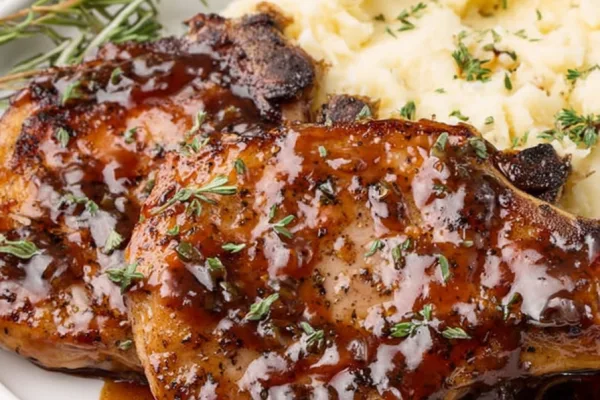
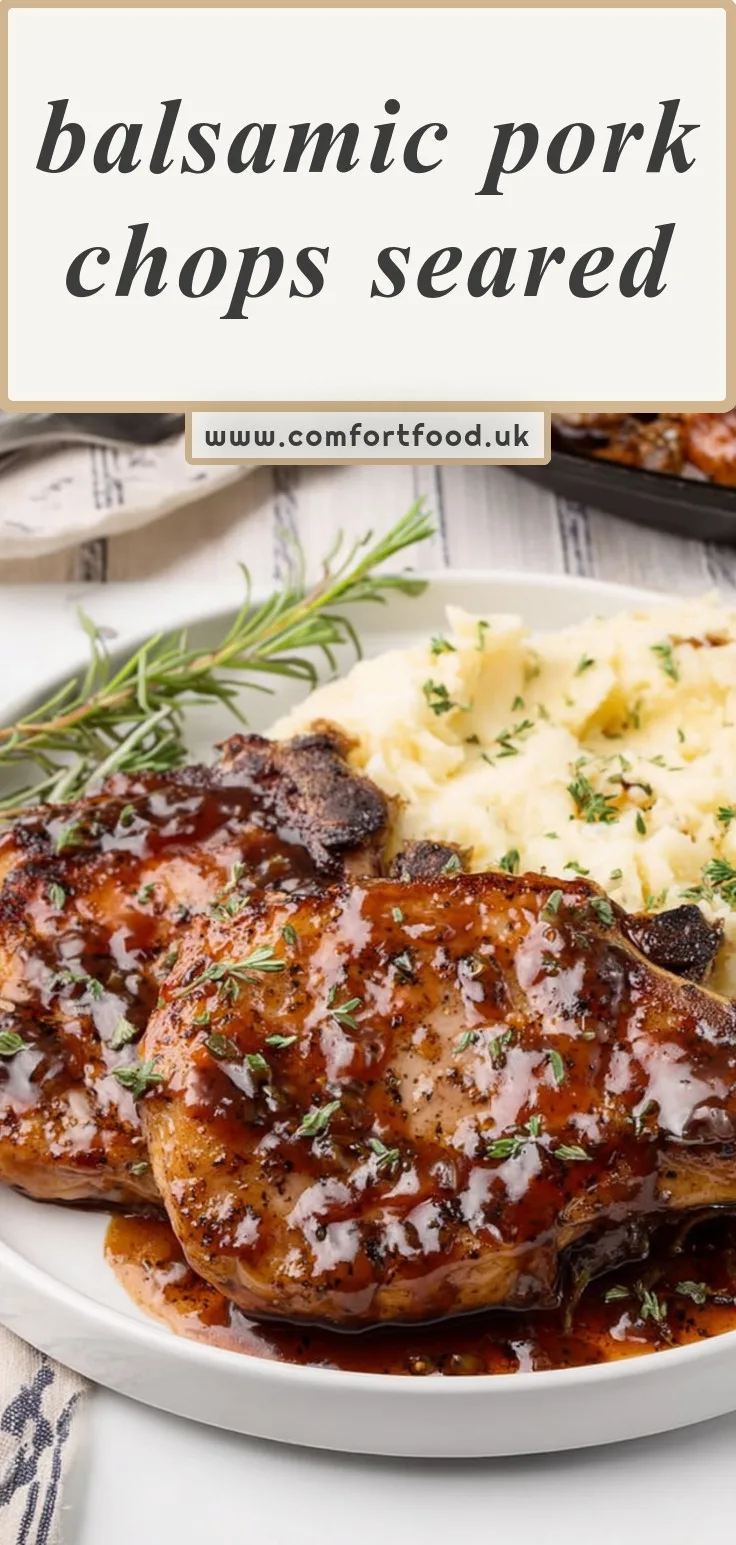
Balsamic pork chops pan-seared with a seasoned flour coating then simmered in a rich balsamic glaze with garlic, thyme, and honey. Cook, rest, and serve with glossy sauce and fresh herbs.
Prep:
10 min
Cook:
25 min
Total:
35 min
Servings:
4 servings
I made balsamic pork chops last Tuesday and the flour coating actually matters more than I thought it would. If you skip it the glaze just slides off and you lose that caramelized edge where the crust meets the sauce. The butter at the end isn’t optional either — it’s what makes the whole thing look like it came from somewhere expensive.
Why You’ll Love This Recipe
- The sear gives you a crust that holds up to the glaze instead of getting soggy
- Takes 35 minutes start to finish which is less time than ordering takeout honestly
- Pork chops balsamic glaze clings to the meat instead of pooling on the plate
- You use the same pan for everything so there’s barely any cleanup
- The garlic and thyme cook in the fond which is where all the flavor lives
- Honey balances the vinegar bite without making it taste like dessert
The Story Behind This Recipe
I needed something faster than my usual Tuesday roast situation but I didn’t want to default to chicken again. My mom used to make pork chops but hers were always dry and honestly kind of depressing. I had balsamic vinegar and honey sitting around from another recipe and figured the acid might keep the meat from drying out while it cooked.
Turned out the glaze does more than just sit on top — it actually soaks into the flour coating a little bit and creates this sticky layer that tastes way more intentional than it actually was. I noticed the sauce thickens differently depending on how hot your pan runs, so medium-low is real not a suggestion. Now it’s in my rotation because easy pork chops that don’t taste like weeknight compromise are hard to come by.
What You Need
You need pork chops that aren’t too thin or they’ll cook faster than the glaze can reduce. I just grabbed bone-in ones from the butcher counter because they stay juicier but boneless works if that’s what you’ve got. Pat them dry with a paper towel before you do anything else or the flour won’t grab right.
All-purpose flour gets mixed with salt and black pepper for the coating. Don’t use cornstarch here because it crisps different and won’t soak up the glaze the same way. You’re setting aside half a tablespoon of this flour mix for the sauce later so don’t dump it all on the meat.
Olive oil goes in a 12-inch skillet because you need room for four chops without crowding them. Minced garlic and thyme leaves cook in the fond after you pull the meat which is the only way to get that deep flavor without burning the garlic during the sear.
Chicken broth, balsamic vinegar and honey make the glaze. The broth loosens everything stuck to the pan and the honey cuts the vinegar’s sharpness without turning it into candy. Butter goes in at the very end off heat — it’s what makes the sauce look expensive and taste like it took longer than it did.
How to Make Balsamic Pork Chops
Dab the pork chops dry on both sides with a paper towel. Sounds obvious but if there’s moisture the flour just turns to paste and slides off in the pan.
Mix your all-purpose flour with salt and black pepper in a small bowl then scoop out half a tablespoon and set it aside in a separate spot. Coat the pork chops with the rest of the seasoned flour, pressing it on with your fingers so it sticks but stays thin. You’re not making fried chicken here — just a layer that’ll brown and hold the glaze later.
Heat your 12-inch skillet over medium-high and add olive oil. When you hear that slight sizzle you place the coated chops in the pan and then you don’t touch them. I used to flip them early to check and it ruins the crust every time.
Sear them 7-9 minutes per side without moving them around. You’ll hear the oil working and smell that nutty browned-flour smell before you see the color change. Check with a thermometer for 145°F because guessing gets you dry meat. Pull the chops out and set them on a plate to rest while you make the sauce.
Turn the heat down to medium-low right away. Sprinkle that reserved half tablespoon of seasoned flour into the oil left in the pan and whisk it around to soak up the fat. Add your minced garlic and thyme leaves, stirring just until it smells like garlic but before it turns brown.
Pour in the chicken broth and scrape all those brown bits off the bottom with your whisk — that’s where the flavor lives and you don’t want to waste it. Mix your balsamic vinegar and honey in a small bowl then pour it into the skillet. Whisk everything together and let it bubble and reduce for 3-4 minutes. The vinegar smell is sharp at first but it mellows as it cooks down.
Return the pork chops to the pan. Spoon the glaze over them repeatedly while it reduces another 2-3 minutes so the sauce clings to the flour coating instead of just pooling underneath. I noticed the glaze soaks into the crust a little bit here and creates this sticky caramelized layer that tastes intentional even though you’re just spooning sauce over meat.
Turn off the heat and whisk in the butter. It thickens the glaze and makes it shiny which is the difference between looking homemade and looking like you tried.
Lift the chops onto a plate and let them rest 2-3 minutes. Serve them with the thick sauce spooned over the top and fresh thyme if you have it.
What I Did Wrong the First Time
I left the heat on medium-high when I added the garlic and it burned in about 15 seconds. The whole sauce tasted bitter and I had to start over with new garlic thyme and broth. Now I turn it down to medium-low the second I pull the pork chops out because that skillet holds heat longer than you think it does and burnt garlic ruins everything.
Balsamic Pork Chops Seared
Prep:
10 min
Cook:
25 min
Total:
35 min
Servings:
4 servings
Ingredients
- Pork chops, patted dry
- All-purpose flour
- Salt
- Black pepper
- Olive oil
- Minced garlic
- Thyme leaves
- Chicken broth
- Balsamic vinegar
- Honey
- Butter
Method
- 1 Dab the pork chops dry with a paper towel on both sides. This helps the coating stick and promotes browning.
- 2 Mix all-purpose flour, salt, and black pepper in a small bowl. Scoop out half a tablespoon of this mix and set aside. Coat the pork chops evenly with the remaining seasoned flour, pressing it on lightly with your fingers. The coating should be thin but solid enough to catch a golden crust.
- 3 Heat a large 12-inch skillet over medium-high heat; add olive oil. Once you hear the slight sizzle of hot oil, place the coated pork chops in the pan. You want them to sit undisturbed so they brown nicely.
- 4 Sear the pork chops 7-9 minutes per side. Don’t poke or move them around; listen for the crisp crust forming and watch for an even golden brown. Check internal temperature aiming for 145°F. Remove chops and lay on a plate to rest. The aroma now should be rich and nutty.
- 5 Lower the heat to medium-low on the same skillet. Sprinkle the reserved ½ tablespoon of seasoned flour into the oil and whisk to soak up excess fat. Add minced garlic and thyme leaves, stirring briefly until fragrant.
- 6 Pour in chicken broth and scrape the brown bits off the skillet base with your whisk; the flavor is intense here.
- 7 Combine balsamic vinegar and honey in a small bowl then pour into the skillet. Whisk everything together and let the glaze bubble and thicken, reducing for 3-4 minutes. The scent of vinegar and honey mingling here is complex and slightly sweet.
- 8 Return pork chops to the skillet. Spoon the bubbling glaze repeatedly over the chops to coat them while the sauce reduces an additional 2-3 minutes. The chops should look glossy and enticing.
- 9 Turn off the heat and whisk in butter. This will thicken the glaze further and give it a shiny finish.
- 10 Lift the pork chops out onto a plate. Let them rest for 2-3 minutes while the glaze settles. Serve topped with the thick balsamic sauce and a sprinkle of fresh thyme leaves.
Nutritional information
Calories
265
Protein
1g
Carbs
31g
Fat
16g
Tips for the Best Balsamic Pork Chops
Don’t overcrowd the skillet even if you’re tempted to cook all four chops touching each other. They steam instead of sear and you lose the crust that holds the glaze on. I had to cook mine in two batches once and it was annoying but worth it.
The glaze thickens faster than you think once you add the butter so don’t walk away during those last 2-3 minutes. I turned around to grab plates one time and it went from glossy to sticky-thick in about 30 seconds.
Your balsamic matters more than I expected it would. Cheap stuff tastes sharper and takes longer to mellow out in the pan. I’m not saying buy the fancy aged bottle but grab something mid-range and you’ll notice.
If the sauce looks too thin after reducing add another small pat of butter off heat and whisk hard. It emulsifies into the liquid and thickens without adding more cook time or changing the flavor balance.
I noticed the chops absorb glaze differently depending on how much you spoon it over them. Three or four passes isn’t enough — I do like eight or nine spoonfuls while it’s bubbling and the difference is visible.
Serving Ideas
I served these balsamic pork chops over mashed potatoes the first time and the glaze pooled into the potatoes which was better than I planned. Roasted green beans on the side soaked up extra sauce without getting soggy.
Egg noodles tossed with a little butter work if you want something that feels like more of a meal. The noodles grab onto the sauce in a way rice doesn’t.
A simple arugula salad with lemon juice cuts through the sweetness if you’re feeling like you need something sharp and cold next to the warm pork chops balsamic glaze. I didn’t think I’d want salad but it balanced everything out.
Variations
You can swap chicken thighs for pork and it works but you need to cook them longer — more like 10-12 minutes per side until they hit 165°F. The glaze clings the same way and honestly tastes just as good.
Apple cider vinegar instead of balsamic gives you a lighter tangier sauce that doesn’t have that dark molasses edge. Use the same amount and add an extra teaspoon of honey because cider vinegar bites harder.
Bone-in chicken breasts work too if you pound them to even thickness first. I tried it once without pounding and the thick part was undercooked while the thin part dried out so don’t skip that step.
Fresh rosemary instead of thyme changes the whole vibe — it’s more earthy and less bright but it pairs with pork really well. Use half the amount though because rosemary’s stronger and can take over.
FAQ
Can I use boneless pork chops instead of bone-in?
Yeah boneless works fine but they cook a minute or two faster so start checking temperature at 6 minutes per side. They’re not quite as juicy but the glaze helps with that.
What if I don’t have a 12-inch skillet?
Use whatever large skillet you’ve got but cook the pork chops in batches if they don’t fit without touching. Crowding them ruins the sear and you lose the crust.
How thick should the pork chops be?
About 1 inch thick is what I used. Thinner than that and they overcook before the glaze reduces. Thicker and you’ll need more time per side.
Can I make the glaze ahead of time?
Not really because it needs the fond from the pan to taste right. You could prep your garlic and mix the vinegar with honey beforehand but the actual sauce has to happen after you sear the meat.
Do I have to use a meat thermometer?
You don’t have to but guessing gets you dry pork more often than not. 145°F is the target and it’s hard to tell by look alone.
What can I substitute for chicken broth?
Beef broth works and makes the sauce a little deeper. Vegetable broth is fine too but it’s lighter. Don’t use water because you need that extra flavor to build the glaze.
Can I use dried thyme instead of fresh?
Yeah use about a teaspoon of dried. It won’t taste quite as bright but it still works with the balsamic. Add it when you add the garlic so it has time to bloom in the oil.
Why do I need to set aside half a tablespoon of flour?
It thickens the sauce at the beginning so the glaze doesn’t stay too thin. If you skip it the sauce takes way longer to reduce and doesn’t coat the meat right.
My glaze is too thick what do I do?
Add a tablespoon of chicken broth or water and whisk it in off heat. It’ll loosen up without diluting the flavor too much.
Can I skip patting the pork chops dry?
You can but the flour coating turns gummy and slides off in wet patches instead of forming a crust. Takes like 15 seconds with a paper towel so it’s worth doing.
What if I don’t have honey?
Maple syrup works in the same amount. Brown sugar works too but whisk it into the vinegar first so it dissolves or you’ll get grainy spots in the sauce.
How do I know when the glaze is reduced enough?
It should coat the back of a spoon and not run off immediately. Takes about 3-4 minutes of bubbling after you add the vinegar mixture.
Can I use pork tenderloin instead?
Not really because tenderloin is too lean and dries out with this method. You’d need to slice it into medallions and cook it way faster which changes the whole timing.
My garlic burned even on medium-low what happened?
Your pan was probably still too hot from the sear. Let it cool for 30 seconds after you pull the chops before you turn it down and add the flour.
Do these easy pork chops reheat well?
They’re okay reheated but the crust gets softer. I reheat them in a skillet over low with a splash of broth so they don’t dry out. Microwave makes them rubbery.
How long can I store leftovers?
Three days in the fridge in an airtight container. The glaze separates a little but comes back together when you reheat it.
Can I freeze cooked pork chops?
You can freeze them for up to two months but the texture of the flour coating changes when you thaw them. They’re mushier and don’t have that crisp edge anymore.
What if my balsamic vinegar is really thick already?
Some balsamic is syrupy which is fine but cut it with a tablespoon of water so it doesn’t reduce into something too sticky. The glaze should pour not glob.
Why does the recipe say to whisk in butter off heat?
Butter breaks if it gets too hot and the sauce looks greasy instead of glossy. Off heat it emulsifies smooth and thickens everything without splitting.
Can I add vegetables to the pan with the pork?
Not during the sear because they’ll steam the meat. You could add sliced mushrooms or onions after you pull the chops and before you make the sauce but they’ll soak up some glaze.
What’s the difference between using olive oil and vegetable oil?
Olive oil has more flavor which helps the crust taste better. Vegetable oil works if that’s what you have but it’s more neutral and boring.
Do I need to cover the pork chops while they rest?
No because covering them traps steam and softens the crust you just worked to build. Just let them sit on the plate uncovered for 2-3 minutes.
You’ll Love These Too
Explore all →
Breakfast Burrito with Eggs, Mushrooms & Spinach

Duck Confit Spring Rolls Recipe
Instant Pot Pot Roast with Ginger & Lemongrass
Black Rice Tofu Apple Salad with Curry
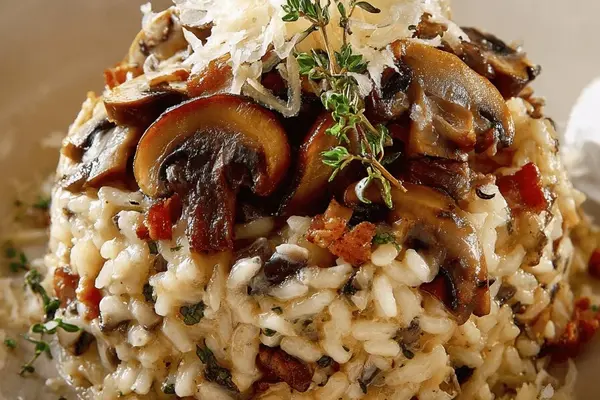
Mushroom Pancetta Risotto with Gruyère
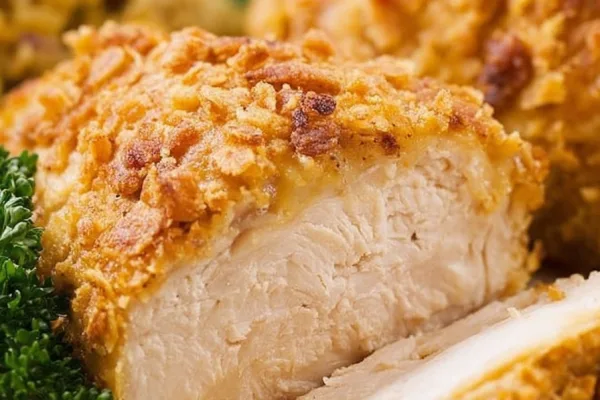
Oven-Baked Ritz Cracker Chicken
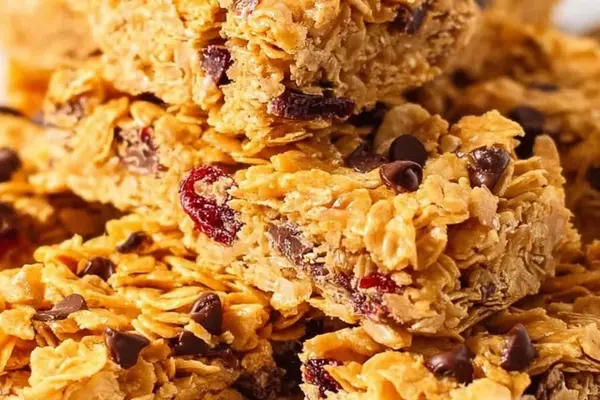
Crunchy Peanut Bars with Corn Flakes
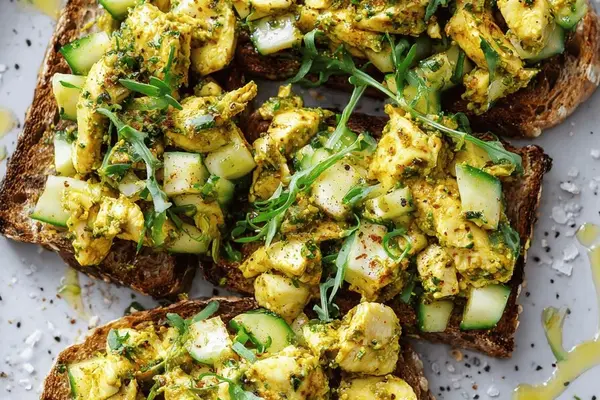
Curried Chicken Toasts with Cucumber
Garlic Mayo Recipe with Sriracha & Hoisin
Roasted Turkey Recipe with Smoked Paprika
Roasted Chicken Thighs with Garlic & Rosemary
Blueberry Muffins with Yogurt and Honey
Grilled Shrimp Spring Rolls Salad
Beef Spaghetti Sauce with Tomato Bouillon
Cheesy Chicken Rice Bake
Spiced Rum Affogatos with Coconut Ice Cream
Slow Braised Brisket with Red Wine & Beef Stock
Kale Salad with Bulgur, Blueberries & Pecans

Smoked Trout Salad with Asparagus & Eggs