Balsamic Roasted Roots
E
By Emma
Certified Culinary Professional
•
Recipe tested & approved
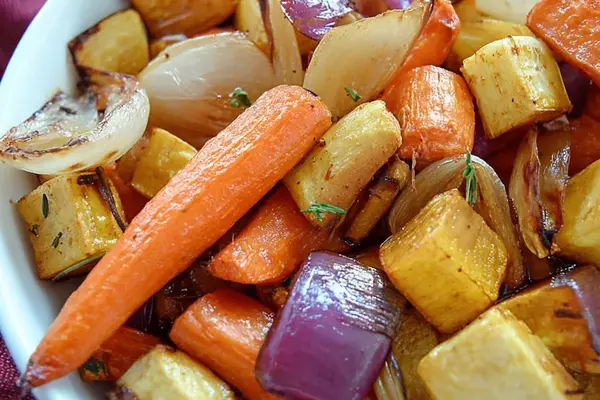
Roasting root veggies with balsamic and herbs. Preheat oven near 400F, toss chopped roots in a mixture of vinegar, oil, seasoning, salt, and pepper. Use a slotted spoon to transfer evenly spaced onto a rimmed sheet. Roast until edges caramelize and veggies soften, listen for gentle crackle, smell that sweet tang warming the kitchen. Remove, let steam escape before serving. Adapt with substitute herbs or swap oil. Watch for visual doneness rather than strict times.
Prep:
12 min
Cook:
28 min
Total:
40 min
Servings:
6 servings
#roasting
#root veggies
#balsamic
#American cuisine
#vegetable side dish
Before You Start
Roasting roots. I’ve done carrot and parsnip combos a million times; sweet potatoes mixed in for earthy sweetness. Tossed in something tangy to cut richness. Balsamic—aged, not too sharp but with depth. Tried Italian seasoning before, but herbes de Provence brings woodsy notes, less aggressive. Salt balances vinegar’s bite. White pepper over black keeps color clean. Oven hot enough to scorch edges, not burn. Not about exact minutes—watch the color, the crackling sound, that aroma wafting up. That deep amber sheen on veggies tells you it’s done. Overcrowding kills crispness. Let steam out after roasting or the snap’s lost. A little lemon twist sometimes. Sometimes toasted nuts for texture. Roots roast slow but pay attention.
Ingredients
- 3 cups chopped carrots
- 3 cups chopped parsnips
- 2 cups chopped sweet potatoes
- 3 tablespoons aged balsamic vinegar
- 4 tablespoons extra virgin olive oil
- 1 teaspoon herbes de Provence
- 1.25 teaspoons kosher salt
- 0.5 teaspoon white pepper
In The Same Category · Side Dishes
Explore all →
Spiced Chili Rice
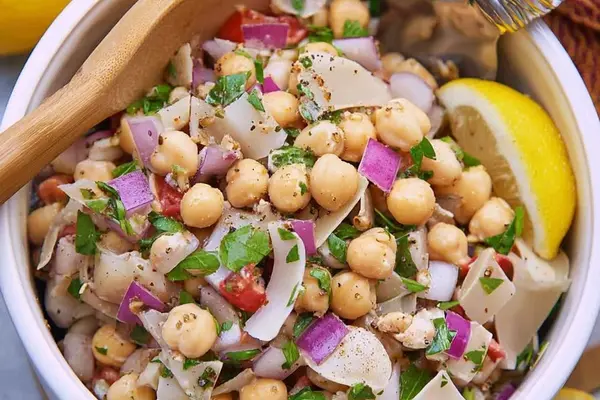
Chickpea Mushroom Sauté
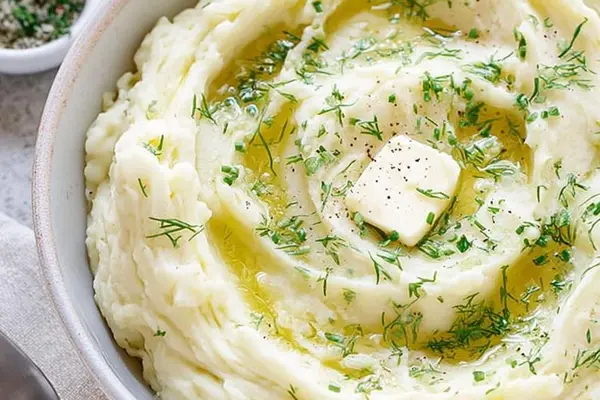
Slow Cooker Garlic Dill Mash
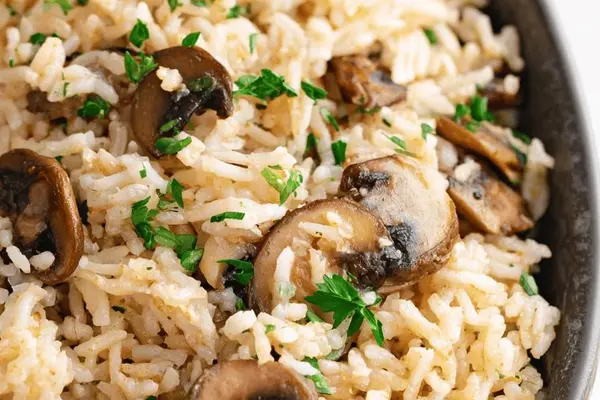
Savory Mushroom Rice
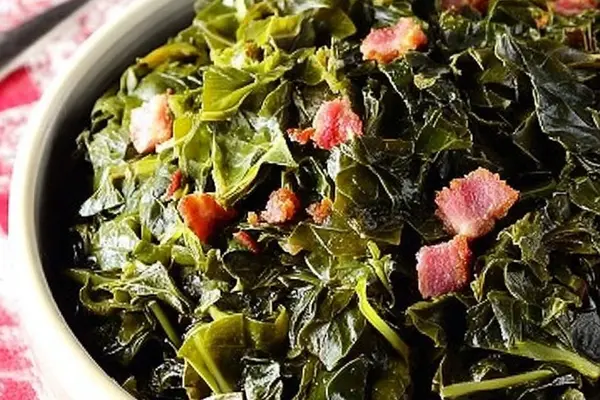
Southern Collard Greens Revival
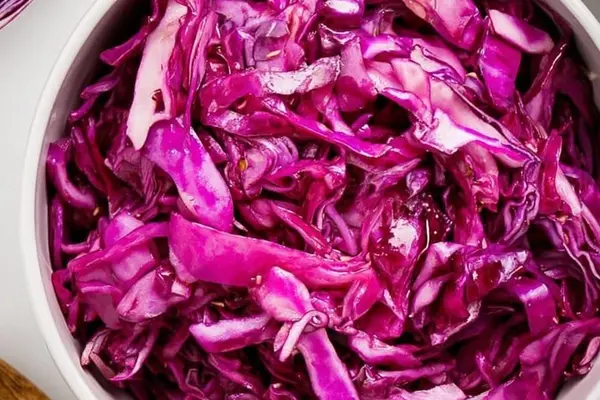
Tangy Red Cabbage Slaw
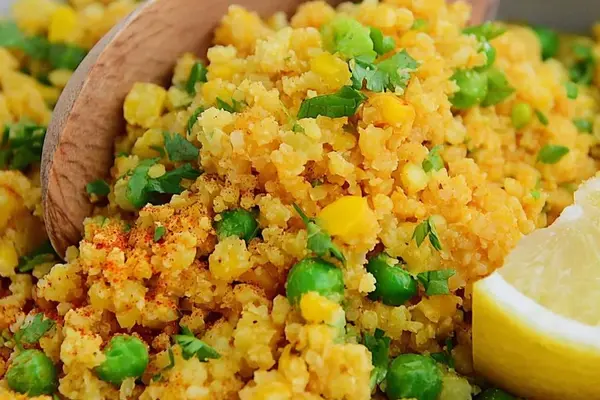
Spiced Cheesy Cauliflower Rice
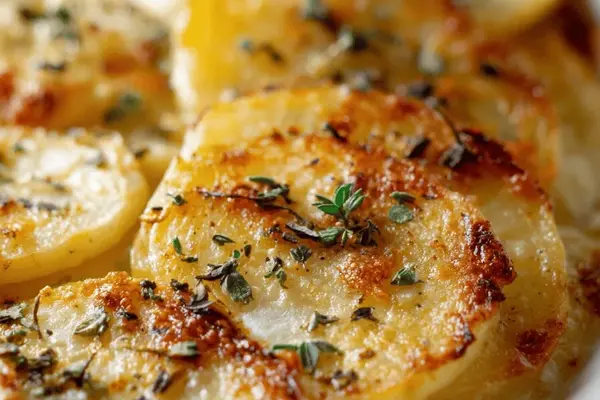
Crunchy Creamy Potato Gratin
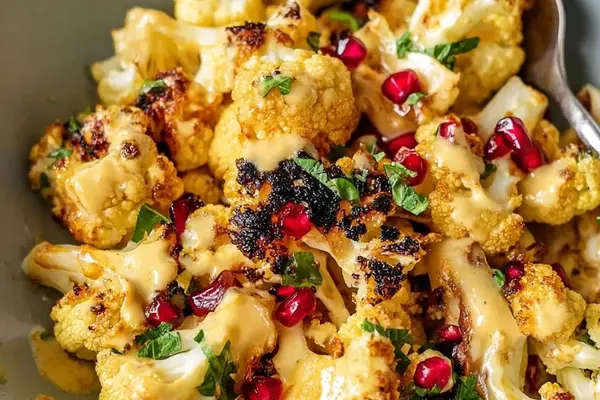
Air Fryer Cauliflower Twist
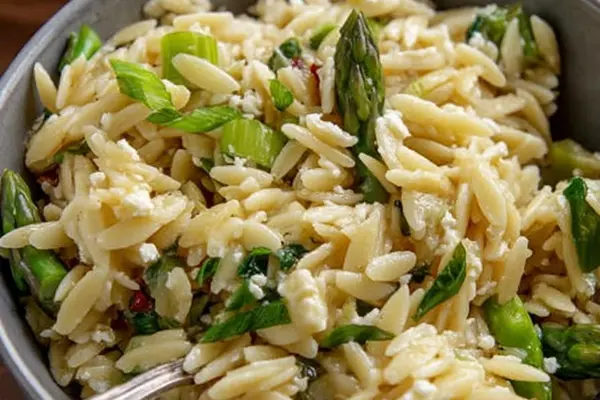
Orzo Salad Goat Cheese
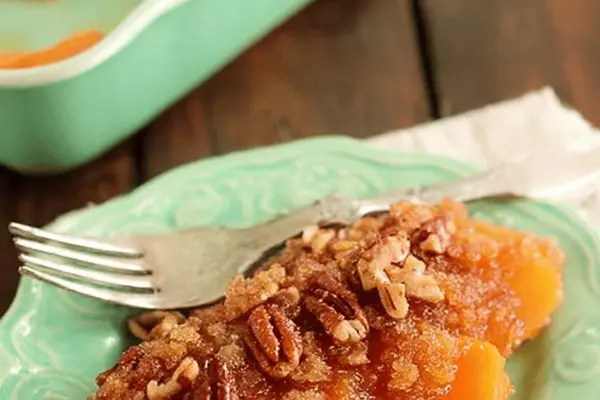
Candied Sweet Potatoes Pecan Twist

Boiled Corn On Cob
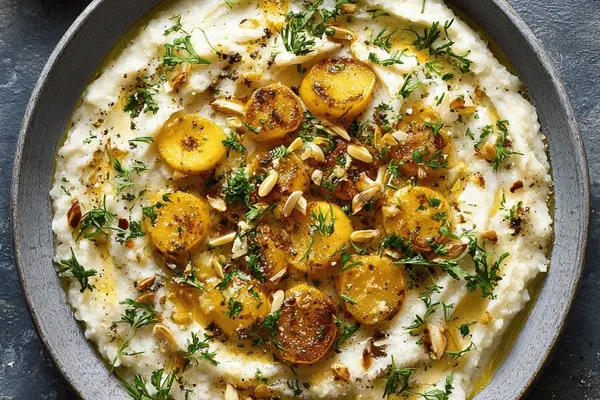
Clapshot Twist
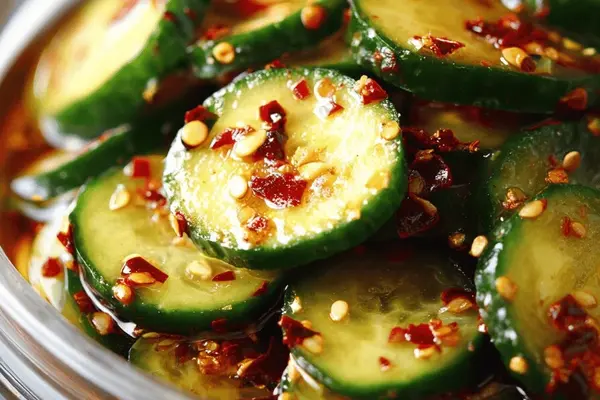
Spiced Pickled Cucumbers
Spaghetti Squash Marinara Remix
Garlic Grilled Broccoli Remix

Garlic-Dijon Hasselback Potatoes

Loaded Smashed Potatoes

Zesty Corn Avocado Salad
Braised Beets with Citrus Twist
About the ingredients
Carrots, parsnips, and sweet potatoes make a solid root veggie trio—different textures but similar roasting times. Swap parsnips for turnips or beets if you wish but adjust roasting times—the denser roots might need longer. Balsamic vinegar gives acidity and sweetness; feel free to sub in sherry vinegar or a mix of apple cider vinegar and honey if balsamic’s too strong or missing. Herbes de Provence in place of Italian seasoning adds subtle lavender and fennel undertones, less oregano bite. Olive oil is best choice for roasting thanks to its flavor and stable smoke point, but avocado oil works as well if you want milder aroma. White pepper keeps mash elegant, avoids black specs in finished dish. Adjust salt expertly; per batch size, kosher salt crystals vary too much to eyeball. Use a scale if you obsess. Don’t overload with dressing or veggies get soggy. For crunch, sprinkle nuts or panko crumbs last 5 mins. Keep backup pan ready if crowding inevitable—roast in batches.
Method
- Preheat oven to 395 degrees Fahrenheit. Not exactly 400 but close enough to coax sweetness out without burning.
- In a large bowl, whisk together balsamic vinegar, olive oil, herbes de Provence, kosher salt and white pepper. The slight herb variation lends more earthiness than Italian seasoning does.
- Toss chopped vegetables thoroughly in the vinaigrette until all pieces glisten. Excess dressing clumps make roasting soggy.
- Using a slotted spoon, transfer vegetables in a single layer onto a large rimmed baking sheet. No crowding. Crowding equals steaming not roasting.
- Roast in oven 22 to 30 minutes watching the edges brown and shrink slightly. Listen for faint crackling as sugars caramelize. Flip halfway if uneven roasting spots appear.
- Remove and let sit on countertop a few minutes without covering. Steam escapes slowly, preventing soft soggy texture. Then transfer to serving plate.
- Optional twist: sprinkle toasted chopped walnuts or finish with a squeeze of fresh lemon juice for brightness just before serving.
Cooking tips
Preheat oven first. Getting it hot is crucial—preheating cuts down steaming, encourages caramelized edges. Whisking dressing until emulsified ensures every veggie piece gets coated without puddles pooling on the sheet. Tossing in bowl—not on the pan—makes flipping easier and stops uneven cooking. Use a slotted spoon to limit excess liquid carrying over—liquid pools lead to steaming. Single layer on rimmed sheet essential. Crowding traps steam, veggies stew instead of roast. Rimmed sheet catches drips and keeps edge crisp. Roast until edges curl and appear golden brown, not just soft. Listen for crackling sounds—those little pops signal sugars bubbling and caramelizing. Visual and tactile cues beats strict 25-min rule. Halfway through, stir or flip if needed for even browning. When out, let sit uncovered a few minutes to let steam evaporate, prevents soggy mush. Transfers easier when veggies cooled slightly and bottoms firmed up. If in rush, I sometimes blast them under broiler 1–2 mins for color but watch fast. Adding toasted walnuts or lemon juice is a personal call—contrast in texture or acid brightens the roasted heaviness. Don’t dump lemon in dressing; flavors get muddled roasting. Always taste and adjust last-minute salt if serving with salty protein or sauces.
Chef's notes
- 💡 Preheat oven fully to 395F. Too low traps steam, kills caramelization. Oven needs to be nearly smoking hot. That crackling sound? Sugars caramelizing, edges browning is gold standard. Don’t rely on time alone, sight and sound first.
- 💡 Use a slotted spoon to transfer tossed roots. Prevents excess dressing pooling on sheet and sogginess. Wet veggies steam not roast, lose all crisp edge. Coat evenly but don’t drown in oil or vinegar.
- 💡 Crowding means steaming. Been there, tough lesson. Spread veggies single layer on rimmed sheet. Multiple batches if needed. No overlapping pieces, no pileups. Rimmed sheet catches drips, edges roast better than flat pans.
- 💡 Herbes de Provence over Italian blend, less oregano harshness, subtle woodsy notes. Lavender, fennel adding that faint perfume. Change oil if you want - avocado oil works for milder flavor, olive oil smoke point better overall.
- 💡 Don’t skip letting steam escape after roasting. Sit uncovered few mins. Keeps texture firm, snap intact. Hot veggies release moisture, trapping kills crispness fast. A few walnuts or lemon squeeze last second adds nice crunch and brightness.
Common questions
Can I swap veggies?
Sure. Turnips or beets can replace parsnips but expect longer roast times. Denser roots slow down caramelizing. Watch edges carefully. Different veggies bring subtle aroma shifts too.
How to fix soggy roots?
Usually crowding or too much dressing. Less oil helps. Use spoons to drain excess before roasting. Hot oven crucial. Flip midway if some spots roast uneven. Avoid covering after cooking.
What if no balsamic?
Sherry vinegar is closest alternative or apple cider vinegar plus a touch of honey for sweetness. Avoid plain vinegar or you lose that mellow tang. Adjust salt after taste, vinegar strength varies.
How to store leftovers?
Room temp a few hours okay. Refrigerate in airtight container for up to 3 days. Reheat in oven for crisp edges or microwave if rushed but risk softening. Add fresh lemon once reheated keeps aroma fresh.
You’ll Love These Too
Explore all →
Spicy Chicken with Melon and Chorizo
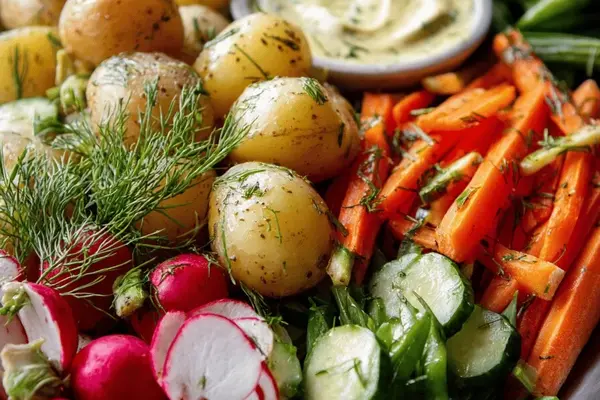
Vegetable Platter with Garlic Aioli
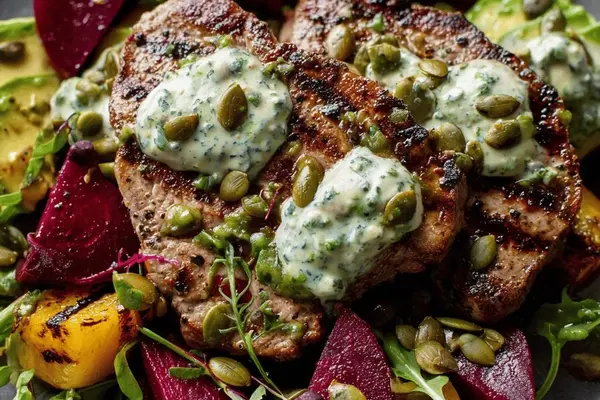
Grilled Veal with Avocado Beet Salad

No-Knead Overnight Rye Bread

Soft Sugar Cookie Bites
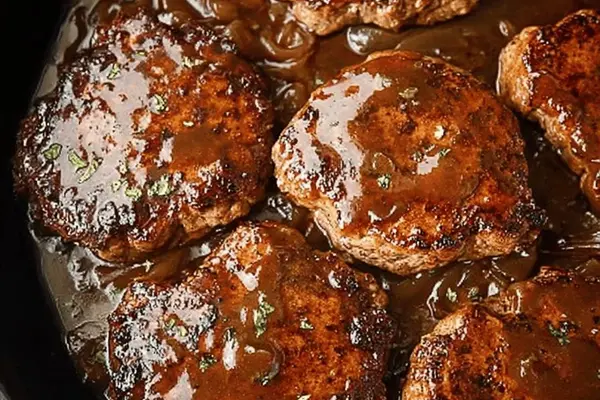
Twisted Salisbury Steak
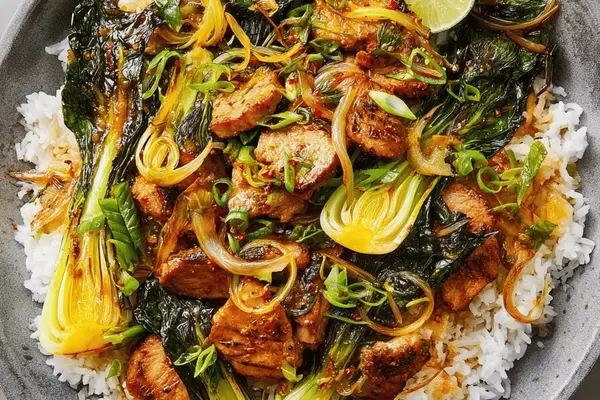
Ginger Pork Stir-fry

Chocolate Chip Cookie Ice Cream Cups
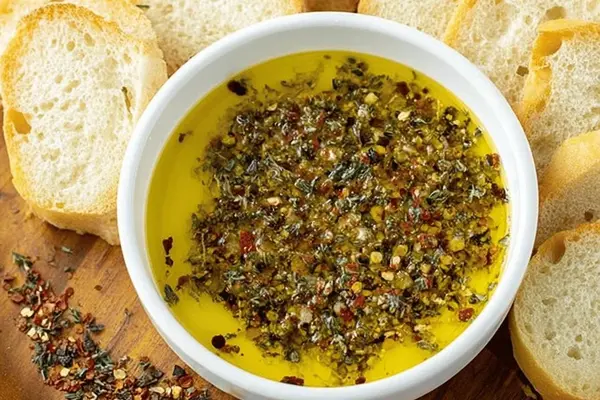
Herbed Spicy Olive Dip
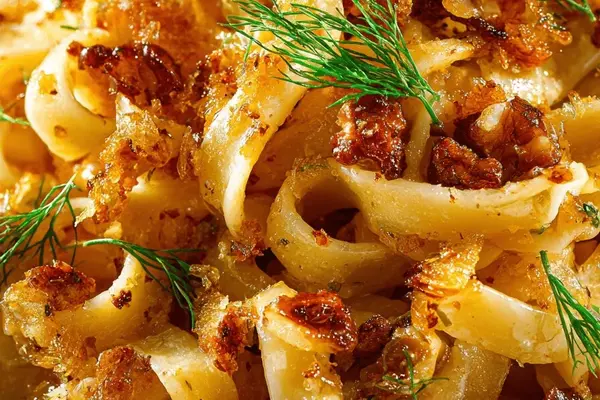
Tagliatelles with Fennel and Crunch

Ham Waffles Poached Eggs
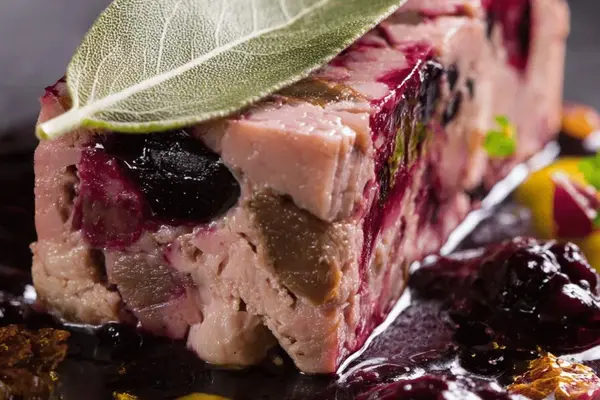
Pork Cassis Terrine Twist
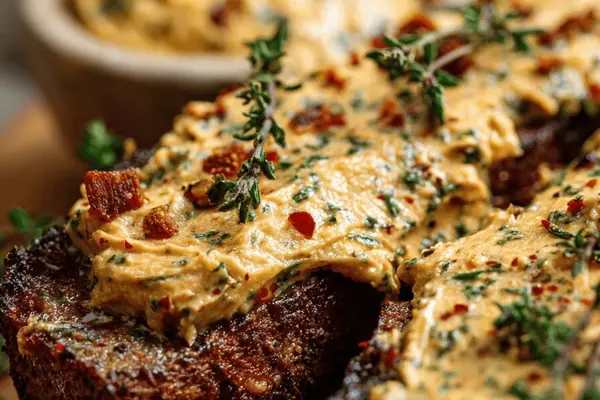
Spiced bacon-herb butter

Butter Chicken Style Tofu

Cheesy Garlic Bread Upgrade

Chicken Curry Reworked
Braised Beef Barley Mushrooms

Crunchy Corn Fritters
Grilled Peach Burrata

Chunky Chili Cheese Fries