Balsamic Slow Cooker Roast
E
By Emma
Certified Culinary Professional
•
Recipe tested & approved
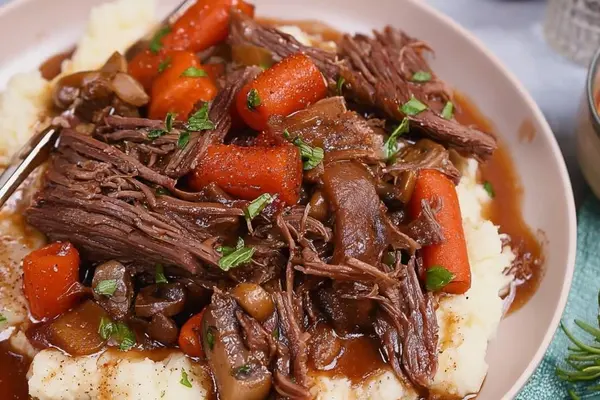
Chunks of trimmed chuck roast, browned until crusty, layered with hearty vegetables. Slow cooked in beef broth mixed with balsamic vinegar, brown sugar, and Dijon mustard, transforming into tender morsels soaked in tangy, slightly sweet sauce. Cornstarch slurry thickens the jus into a glossy finish. Perfect for hands-off cooking, but watch for visual cues like a deep mahogany sear and soft vegetables that yield easily to a fork. Sub tomatoes for roasted red peppers if fresh unavailable, swap mushrooms for parsnips. Adjust browning time according to your pan’s heat. Mustard bits add rustic texture. The longer low and slow simmers, the richer the flavor concentration.
Prep:
25 min
Cook:
8h 30min
Total:
8h 55min
Servings:
8 servings
#slow cooker
#beef roast
#balsamic vinegar
#comfort food
#easy dinner
#slow cooking
#hearty meals
Before You Start
Chunks of beef, rough-cut. No fancy trims, just practical cuts. Coating meat in spices makes a difference but skipping flour—grit-free sauce means slow cooker gets clean faster. Searing is non-negotiable for flavor build-up; raw beef won’t give the same deep aroma. Choosing the right slow cooker setting depends on your patience but recognize cues—bubbles carrying a steady simmer over loud boil. Vegetables can’t be mush; potatoes should hold shape, carrots yield with slight bite. The sauce, tangy and slightly sweet, wakes up after hours blending vinegar’s bite with sugar’s warmth. Thickening last minute, balance is key—too thick feels heavy; too thin looks watery. Experimented swapping balsamic for red wine vinegar once—still good but lost mellow depth. Mustard bits aren’t broken down but add mouthfeel; texture matters.
Ingredients
- Beef chuck roast, trimmed and cut into large chunks
- 2 tsp garlic powder
- 2 tsp onion powder
- 2 ½ tsp kosher salt
- 1 ¾ tsp freshly ground black pepper
- 2 tbsp olive oil, plus extra for slow cooker
- 1 ½ cups diced tomatoes (fresh or canned)
- 1 ¼ cups diced onion
- 1 cup sliced carrots
- 1 cup sliced cremini mushrooms
- 2 cups cubed Yukon gold potatoes
- 2 cups beef broth
- ¼ cup balsamic vinegar
- 3 tbsp brown sugar (light or dark)
- 1 ½ tbsp Dijon mustard (whole grain ok)
- 2 tbsp water
- 1 ½ tbsp cornstarch
In The Same Category · Main Dishes
Explore all →
Meat Pies with a Twist
Spiced Roast Fish with Carrot Purée

Twisted Ranch Chicken Bake
Pretzel-Crusted Fish
Classic Cabbage Rolls
Sausage Stuffed Peppers
Smoked Ham Steaks with Sage Cream
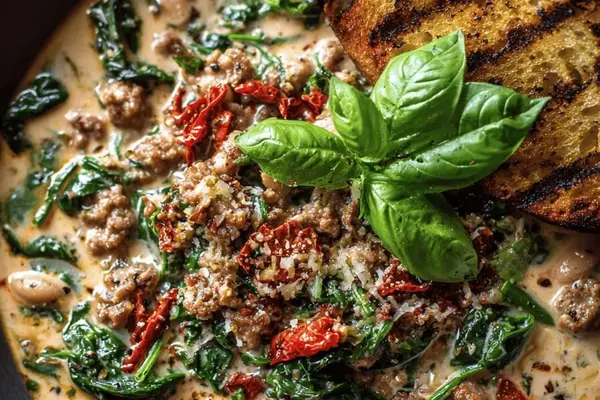
One Pot Creamy Beans with Sausage
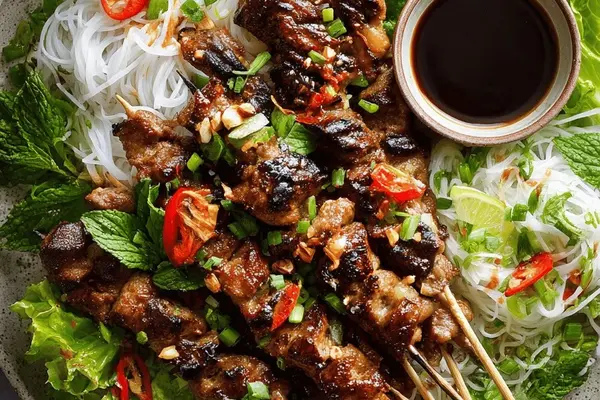
Vietnamese Pork Skewers
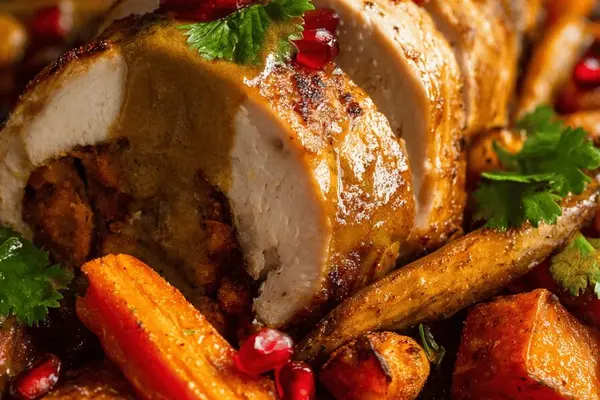
Spiced Turkey Roast with Carrots

Skinny Sausage Shrimp Jambalaya
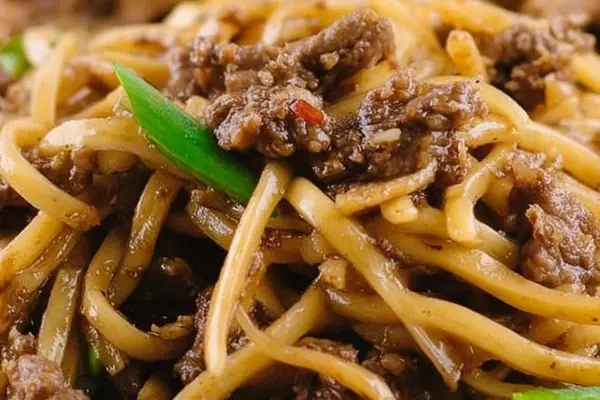
Mongolian Beef Noodles

Chicken Curry Reworked
Roast Salmon Mushrooms Orange Twist
Baked White Beans Soft Eggs
Creamy Smoked Sausage Mac

Creamy Slow Cooker Chicken Tacos
Slow Braised Brisket
Beef Ragu Recipe
Braised Pork Belly Buns
About the ingredients
Olive oil can be replaced with avocado or grapeseed oil if more neutral flavor desired. Brown sugar can be swapped for coconut sugar or maple syrup for different sweetness profiles but start smaller. Dijon mustard replaced with spicy brown if you want more bite or yellow mustard for milder impact. Using fresh garlic and onion instead of powders works but uneven chunks can create pockets of strong flavor. Beef broth—homemade preferred for richness, store-bought fine but watch added sodium. Tomatoes can come canned crushed or fresh diced; fire-roasted versions add depth but acidity shifts. Mushrooms may be omitted if you dislike their texture; parsnips or sweet potatoes add a sweet earthiness. If slow cooker lacks ‘low’ mode, the high setting will do but go shorter and check doneness. Cornstarch slurry is essential to avoid lumps and gloss the sauce; arrowroot is a great alternative, same amounts.
Method
Roast
- Trim fat from the beef chunks, aim for firm pieces with minimal gristle; pat dry to ensure proper searing crust. Mix garlic powder, onion powder, salt, and pepper in a bowl. Toss beef with spices—make sure every bite gets coated, no boring bits left behind.
- Get a heavy skillet screaming hot over medium-high heat; splash olive oil, wait to shimmer. Brown beef chunks evenly, about 2 ½ minutes per side, until deep, rich brown crust forms — don't rush. That Maillard reaction seals flavor in. Use tongs, turn gently; avoid piercing meat and losing juices.
- Coat slow cooker base lightly with olive oil or spray to prevent sticking. Transfer seared chunks directly, keep those flavorful browned bits in the pan for sauce later.
Vegetable Trimmings
- Pile on tomatoes, onion, carrots, mushrooms, and potatoes—scatter evenly, letting vegetables nestle around beef. They’ll soak up juices and sweeten the whole mix.
Sauce
- In a large bowl, whisk beef broth, balsamic vinegar, brown sugar, and Dijon mustard. Brown sugar must fully dissolve; whisk vigorously. Slight lumps of mustard seeds add rustic texture and bite—don’t fret over small bits.
- Pour that dark, tangy brew over meat and veggies, letting it seep between chunks. Residual browned bits on skillet can be deglazed with a splash of broth—scrape them in. Extra flavor bombs.
Cook the Roast
- Cover slow cooker; set to low for about 8 hours and 30 minutes for best tender shred. If crunched, 4 hours on high works but beware the texture might tighten up. Every slow cooker heat varies—use smell, softness, and visual cues.
- During cooking, every 2 hours or so, lift the lid—listen for that satisfying simmer hiss. Spoon some sauce over the beef to keep it moist. Turn chunks gently with tongs for even cooking.
- Approach serving: use a slotted spoon to remove beef and vegetable chunks carefully; they’ll jiggle gently when ready, veggies soft but intact.
- Shred beef with two forks—texture should be stringy but not mushy; moist enough to glisten without falling apart completely.
- Strain sauce through a fine mesh sieve into saucepan; press lightly but discard solids—those turn bitter if reheated.
- Whisk water and cornstarch thoroughly, no lumps. Pour slowly into sauce while simmering low; keep stirring until thickened and glossy, coats back of spoon. Not too thick or it cloys.
- Ladle sauce over shredded beef and softened veggies. Serve immediately or hold warm. Leftover sauce keeps well refrigerating for 2 days, reheat gently.
- Test run once swapped mushrooms for parsnips; earthier and surprisingly sweet. Tomatoes swapped out with fire-roasted red peppers made sauce brighter. Adjust seasoning post-cooking; acidity can vary.
- High salt ruins the meat's natural flavor. Taste broth before seasoning more. Brown sugar is the sweet anchor here—don’t replace with honey unless you want a floral note instead.
- Patience is your ally; low and slow is the difference between tough and fork-tender gems. Watch veggies for tenderness, not timer alone.
Cooking tips
Don’t rush trimming—removing large fat chunks prevents greasy final result, some fat is okay for flavor. Dry beef pieces before seasoning; wet surface means no crust later. Spice mix works better covering entire surface ensuring every bite sings. When searing, wait for oil to shimmer or it sticks. Browning evenly seals juices; higher heat means faster but watch for burning. Scraping skillet bits into slow cooker adds umami. Adding vegetables after beef, not before, protects them from overcooking and turning to mush. Pour sauce over vegetables and meat evenly; pooling sauce creates hot spots and inconsistent cooking. Opening lid releases heat; limit it to spooning and flipping every 90 minutes max. Using slotted spoon prevents soggy servings, draining excess liquid gives hearty bites. Straining sauce removes burnt bits. Cornstarch mixed with cold water before adding keeps sauce silky and lump-free. Simmer sauce low post-thickening; too high heat breaks down texture quickly.
Chef's notes
- 💡 Trim off large fat chunks but leave some for flavor. Dry beef well to get solid sear crust. Wet meat steams, no crust. Season every piece evenly; don’t skip any spot. Searing oil must shimmer before beef hits pan or it sticks. High heat quick browns; watch closely to avoid bitter burnt spots. Use tongs gently, no stabbing to keep juices in. Skillet bits hold flavor, scrape all into slow cooker base, don’t waste sauce depth.
- 💡 Don’t dump veggies in too early or they turn to mush. Add after beef seared. Vegetables nestle around meat to soak juices but keep some bite. Carrots slightly firm, potatoes hold shape - visual softness beats timers here. Stir mid-cooking or flip chunks carefully, but limit lid openings to preserve slow cooker heat. Every cooker differs, use sounds: steady simmer hiss means right temp; bubbles loudly pop means too hot or fast.
- 💡 Balsamic vinegar sets the tang strong. Brown sugar balances it but don’t overdo or sauce turns cloying. Whole grain mustard bits add texture, leave lumps; skip them and sauce goes flat. If replacing balsamic, try red wine vinegar or apple cider for brightness but adjust sugar down. Cornstarch slurry mixed cold and added slowly; lumps ruin sauce feel and shine. Stir constantly while thickening, off heat thickens too fast and clumps. Arrowroot works fine if no cornstarch around.
- 💡 When shredding roast, two forks only. Sharp knives slice clean but lose toughness and texture. Shredded must be stringy yet moist; dry means overcooked, mushy means undercooked or too wet. Strain sauce through fine mesh to get rid of solids; reheated burnt bits taste bitter not savory. After cooking seasoning adjustments better than during; salt too early overpowers. Brown sugar key sweet anchor. Tried honey once, odd floral aftertaste that fights balsamic.
- 💡 Oil choice impacts flavor subtly; olive oil classic, avocado or grapeseed give neutral background. Garlic and onion powders preferred for even spice spread but fresh chunks work if you want bursts of pungency. Tomatoes canned or fresh, fire-roasted add smoky depth but shift acidity. Mushrooms swapped with parsnips; earthy sweet twist, unexpected but worth trying. Slow cooker on low beats high for better texture, but if rushed use high 4 hrs and carefully watch doneness.
Common questions
How to get good sear without burning?
Heat oil fully wait till shimmer. Brown in batches so pan not overcrowded. Flip gently with tongs, no piercing. Timing varies by stove. High heat fast browns but risk burn. Move bits if burning starts; better dark crust than raw. Don’t rush browning or lose flavor seal.
Can I skip mushrooms?
Yes parsnips or sweet potatoes do well. Mushrooms add moisture and umami but not essential. Parsnips sweeter, earthier texture. Adjust cooking time slightly; sweet root veggies soften differently. Mixing veggies works too for balance. Toss mushrooms with other veggies if flavor faint.
Sauce too thin after cooking?
Use cold water cornstarch slurry; whisk lumps free before adding slowly. Simmer low while stirring until thick, coats back of spoon. Too hot fast makes clumps or breaks starch. Reduce broth next time if watery sauce seen. Strain solids after cooking, burnt bits thin sauce flavor and make bitter.
How long keep leftovers?
Sauce keeps 2 days refrigerated, meat 3-4 max in sealed container. Reheat gently low heat or microwave short bursts, stir often. Freezing possible but texture changes in shredded beef. Vegetables soften more after freeze-thaw cycles; adjust reheating time to avoid mush.
You’ll Love These Too
Explore all →
Garlic Herb Pull Apart Rolls
Veal Mustard Leeks Roast

Twisted Jiffy Cornbread Muffins
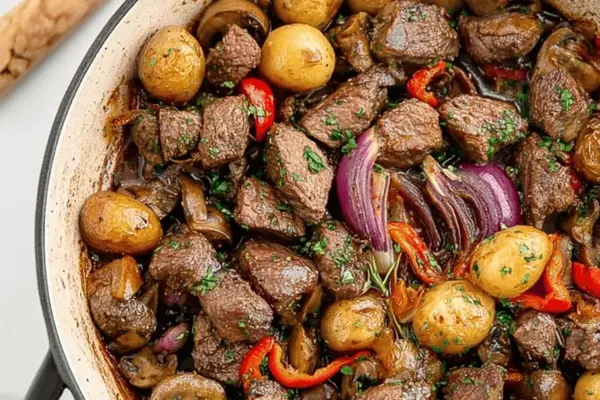
Savory Steak Stir Fry
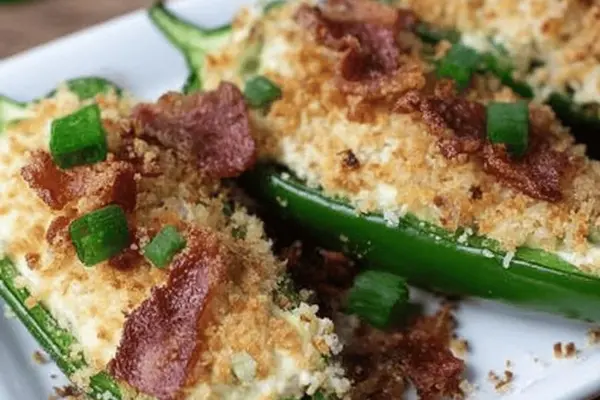
Super Bowl Jalapeno Poppers
Rustic Apple Dump Cake
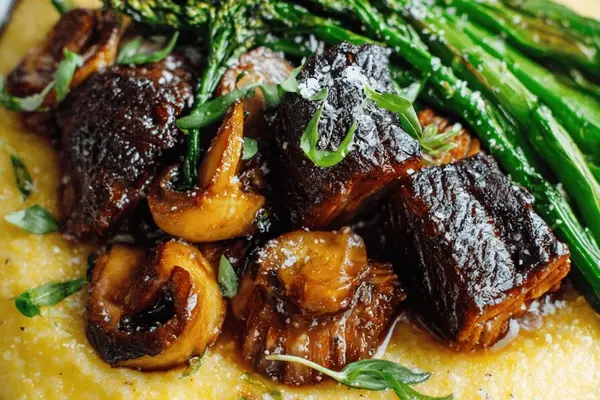
Creamy Quick Polenta Twist

Easter Sheet Pan Cookies
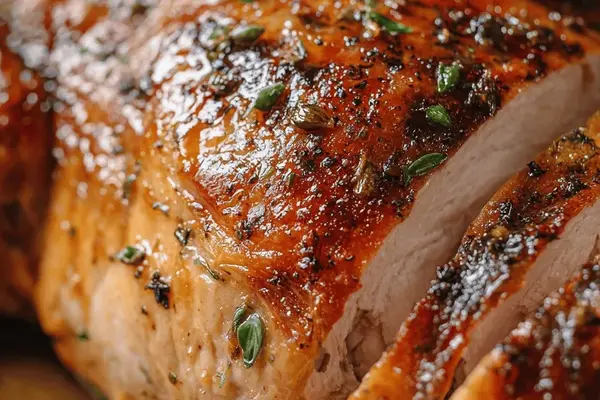
Juniper Roasted Turkey

Spicy Crispy Chicken

Green Velvet Cupcakes
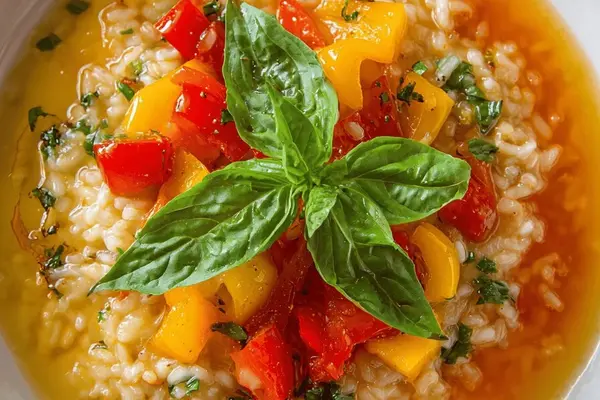
Two-Tone Pepper Soup
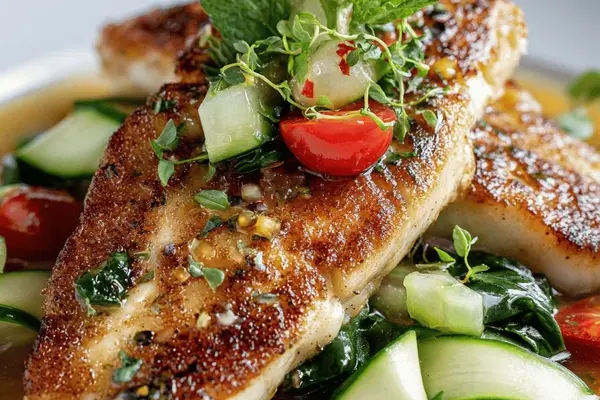
Seared Tilapia with Warm Grapefruit Sauce

Spiced Pumpkin Muffins
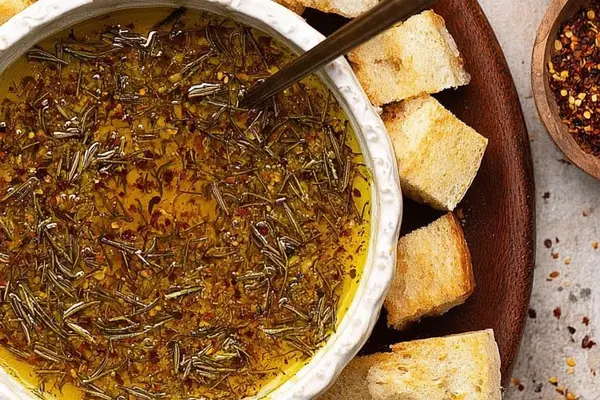
Garlicky Cheese Dipping Oil
Maple Butter Cake

Open Face Pizza Burgers
Apricot Coconut Bars
Oven-Steamed BBQ Ribs Twist
Zesty Cream Cheese Coffee Cake