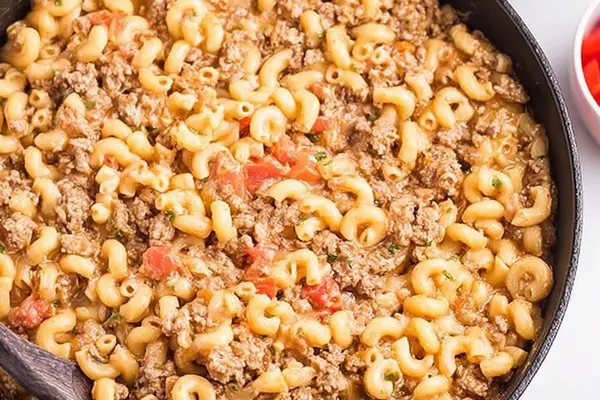
Beef Mac Skillet with Cheddar & Tomatoes
By Emma
Certified Culinary Professional
·
Recipe tested & approved
One-pot beef mac skillet with ground beef, elbow macaroni, sharp cheddar cheese, and diced tomatoes. Creamy comfort food made in cast iron for even browning.
Prep:
6 min
Cook:
16 min
Total:
22 min
Servings:
6 servings
Brown the beef first. That’s when the skillet matters most—everything after that’s just timing and stirring. Twenty-two minutes total, start to finish. One pan. Cheese melts into everything.
Why You’ll Love This Beef Mac Skillet
Takes 22 minutes, which is faster than delivery. One pot means one thing to wash, and honestly that alone makes weeknight dinner better. Tastes like actual comfort food—not the boxed kind, the kind where beef actually browns and cheese gets creamy instead of gummy. Cast iron works best but any skillet does the job. Leftovers stay pretty good covered and cold. The tomatoes add something—brightness, tang, whatever—that stops it from feeling heavy.
What You Need for One Pot Beef Mac and Cheese
Butter first. Two tablespoons. Salted or unsalted, doesn’t matter much. Ground beef—a pound. Not lean, not super fatty. The middle stuff works. Salt, pepper, garlic powder, onion powder. A teaspoon total of seasoning, basically. Elbow macaroni, uncooked. Two cups beef broth—not chicken, the beef version matters. Whole milk, a cup. Sharp cheddar, shredded. One and a half cups. Don’t buy pre-shredded if you can help it; melts smoother. Diced tomatoes, canned and drained. Half a cup. The juice goes out, just the pieces stay.
How to Make Beef Mac Skillet
Get the skillet hot. Medium-high. Melt the butter fully—wait for it to shimmer, tiny bubbles everywhere. Dump in the ground beef immediately while it’s still frothing. Break it apart with a wooden spoon. Spread it out, don’t pack it. Let it sit for a minute before stirring. That’s when the browning starts.
Cook for six to eight minutes. Listen to the sizzle. When it quiets down, drops from a roar to a gentle sound, the beef’s done browning. The meat should look rich and dark brown, fat rendering out into clear liquid. Pull out a spoon—the color tells you everything. Season it now. Salt, pepper, garlic powder, onion powder. Toss it through.
Some fat pools in the pan. That’s good. Pour most of it off into a cup or bowl, leave maybe a tablespoon coating the bottom. A little beef fat tastes better than none at all.
How to Get the Pasta Tender and Creamy
Add the uncooked macaroni straight to the pan with the beef. Pour in the beef broth. Stir gently so the pasta isn’t all bunched in one corner. Drop the heat to low. This part’s slow. The pasta swells from the broth, absorbs it, softens up. Stir twice in the first six or seven minutes—that’s it. You’re just checking that no pasta clumps are hiding on the bottom half-cooked while the rest gets mushy.
The broth should reduce but stay visible. You’ll see it get less watery. The noodles soften from hard to tender, takes about eight to ten minutes depending on the pasta brand. Some cook faster. Bite one. Should have a little chew left, not mushy. Not crunchy either.
When they’re almost there—still one minute away from done—lower the heat further. Turn it down to the lowest setting if you have one. Remove from heat if you can.
Stir in the whole milk and the cheddar at the same time. Don’t let it bubble hard while you add the cheese or the sauce breaks, gets grainy. Fold it gently. The cheese melts into cream. It takes maybe a minute. Then add the tomatoes—the drained pieces, not the juice. Fold them through. They add moisture. They add tartness that cuts through all that cheese richness.
Let it sit for a minute. Two minutes max. The tomatoes get mushy fast if you overcook them.
Beef Mac Skillet Tips and Common Mistakes
Taste it before serving. Bland? Salt wakes it up. Or hot sauce. Or both. Let it sit a couple minutes before you eat—the sauce thickens as it cools and you’ll actually scoop it instead of having it run everywhere.
Too thick next time? Add more milk or broth when you reheat it. A splash. Not a pour. Leftovers dry out if they sit uncovered, so cover them tight. When you warm them up, stir in water or milk to loosen it back.
Cast iron is actually best here. The crust tastes different. Even heat. But a regular nonstick skillet works fine if you watch the edges—they burn easier. Stainless steel takes more attention to prevent sticking but it works.
Don’t skip the beef browning step. That’s where all the flavor lives. A rushed brown equals a blah dinner. And don’t crowd the meat while it cooks. Spread it. Let it have space in the pan. Crowded meat steams instead of browns.
Beef Mac Skillet with Cheddar & Tomatoes
Prep:
6 min
Cook:
16 min
Total:
22 min
Servings:
6 servings
Ingredients
- 2 tablespoons butter
- 1 pound ground beef
- 1/2 teaspoon salt
- 1/2 teaspoon freshly ground black pepper
- 1/4 teaspoon garlic powder
- 1/4 teaspoon onion powder
- 1 cup uncooked elbow macaroni
- 2 cups beef broth
- 1 cup whole milk
- 1 1/2 cups shredded sharp cheddar cheese
- 1/2 cup drained diced tomatoes
Method
- 1 Heat skillet on medium high. Melt butter fully, shimmering and bubbling. Toss in ground beef immediately, season with salt, pepper, garlic and onion powders. Use wooden spoon to break up meat. Spread evenly, no crowding. Cook until rich brown forms on all sides and fat renders, about 6-8 minutes depending on heat. Listen to the sizzle drop off, that’s your cue. Drain excess fat carefully, a tablespoon or two of beef fat keeps flavor without slick grease.
- 2 Add uncooked elbow macaroni to pan with beef. Pour in beef broth, stir lightly to combine. Spread pasta evenly. Drop heat to low. Slow simmer now, lid off or partially on to prevent boil over. Stir pasta twice within the first 6-7 minutes, making sure no raw noodle pockets. Watch for broth to reduce slightly but remain visible, noodles swell and soften. Use bite test to check for al dente—tender but with slight chew. Total simmer time usually 8-10 minutes, varies with pasta brand.
- 3 When noodles look nearly done, lower heat further. Stir in whole milk and shredded cheese off the heat if possible to avoid grainy texture. Fold cheese gently until melted, creamy sauce forms. Immediately add drained diced tomatoes, fold through without breaking them down. Tomatoes add moisture and tang that contrasts cheesy richness. Leave in skillet for a minute or two to meld but avoid overcooking tomatoes; they turn mushy fast.
- 4 Taste for seasoning. If bland, a pinch more salt or dash hot sauce wakes it up. Let sit a couple minutes before serving, thickens as it cools. If too thick, loosen with splash more milk or broth next time. Serve scooped from skillet; leftovers reheat fine but can dry out so cover tightly and stir in splash water when warming. Cast iron gives superior crust and even heat, but nonstick or stainless will work with care—watch burning closely.
Nutritional information
Calories
390
Protein
25g
Carbs
24g
Fat
22g
Frequently Asked Questions About Beef Mac and Cheese Skillet
Can I make this without beef broth? Chicken broth works. Water works too but tastes thinner. The beef broth is why it tastes like beef. Not worth skipping if you have it.
What if I don’t have sharp cheddar? Medium cheddar’s fine. Mild gets softer and less interesting. Don’t use American cheese. Just don’t.
Can I add other vegetables? Tomatoes are in there already. You could stir in some drained corn or peas at the end. Nothing crunchy—anything raw won’t have time to cook and softens the texture.
How do I store leftovers? Cover it. Fridge. Three days maybe, four if you’re lucky. Reheat in a skillet over low heat with a splash of milk stirred in so it doesn’t dry out. Microwave works but it gets uneven.
Why does the sauce get grainy sometimes? Too much heat when you add the cheese. Keep it low or off the heat. If it happens, stir in more milk and keep it moving. Sometimes saves it.
Do I have to use cast iron? No. Any skillet works. Cast iron just distributes heat better so nothing burns on the bottom while the top cooks.
You’ll Love These Too
Explore all →
Bacon Cheese Ball with Ranch & Walnuts
Eggless Macaroons with Coconut Yogurt

Red Velvet Cake with Walnuts & Cream Cheese
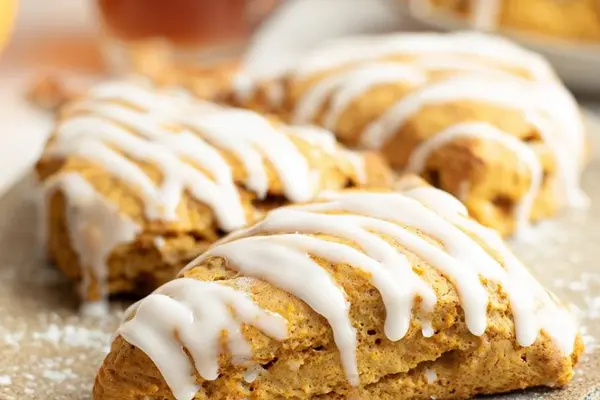
Pumpkin Scones with Maple Glaze
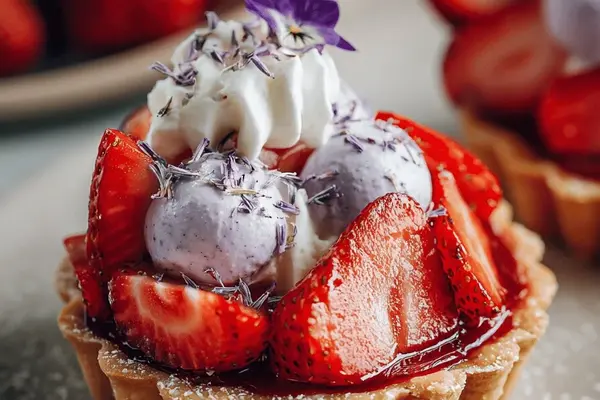
Strawberry Short Cake with Flaky Tartlets
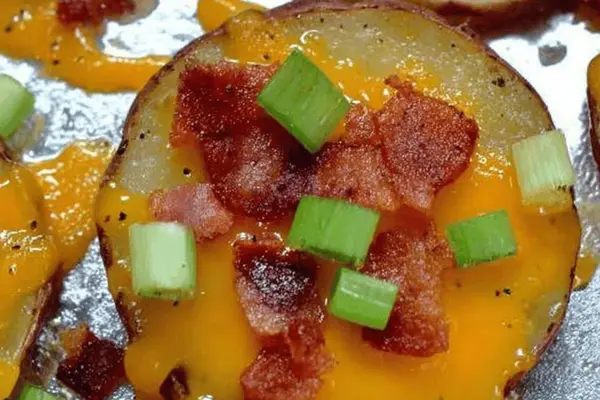
Loaded Potato Rounds with Bacon & Cheddar
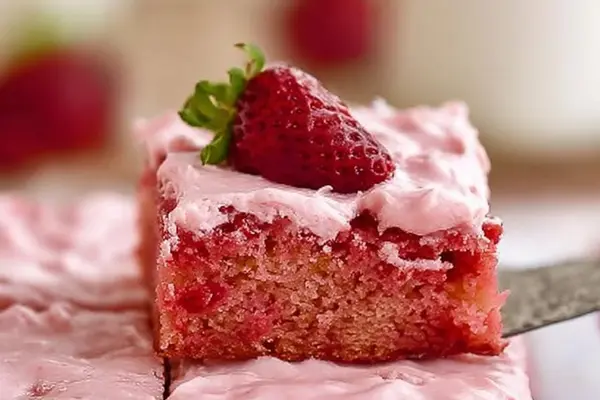
Strawberry Cake With Strawberries
Crab Rangoons with Jalapeño Cream Cheese
Homemade Whipped Cream with Honey
Creamy Chicken Fajita Pasta Skillet
Baked Salmon with Mango Salsa Recipe

Chocolate Snowman Truffles with Nutter Butter
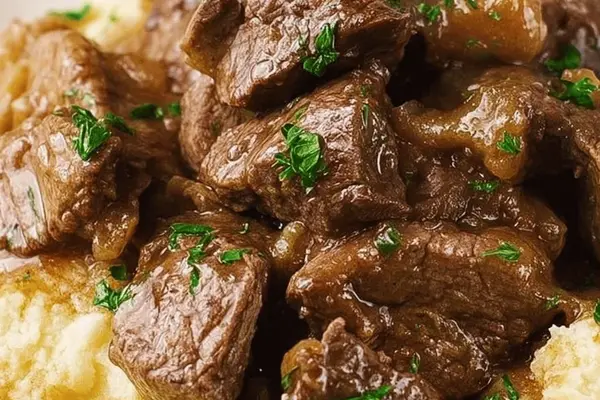
Beef Stew with Onion Soup Mix
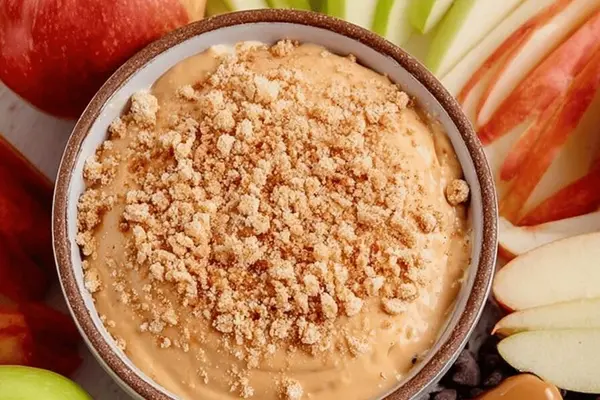
Caramel For Taffy Apples Dip Recipe
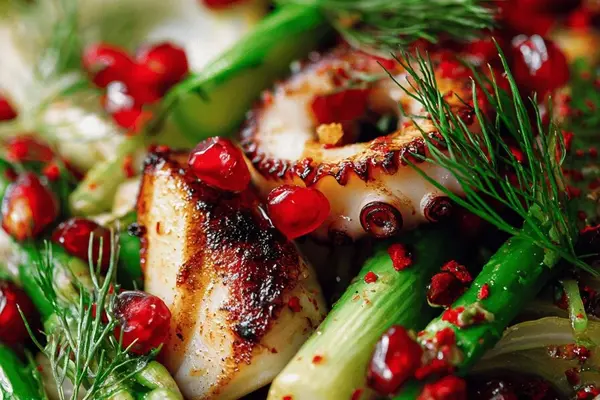
Grilled Octopus Salad with Fennel
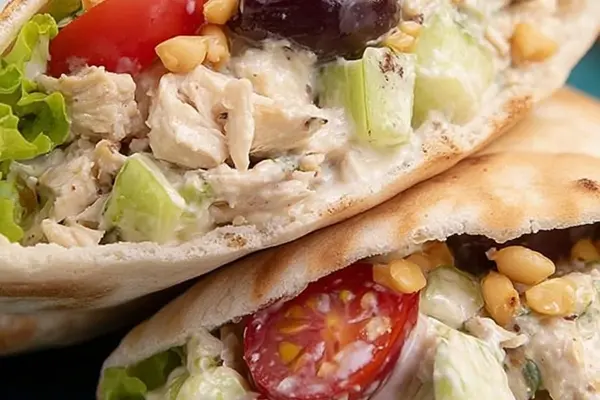
Chicken Salad Pita Recipe with Pecans
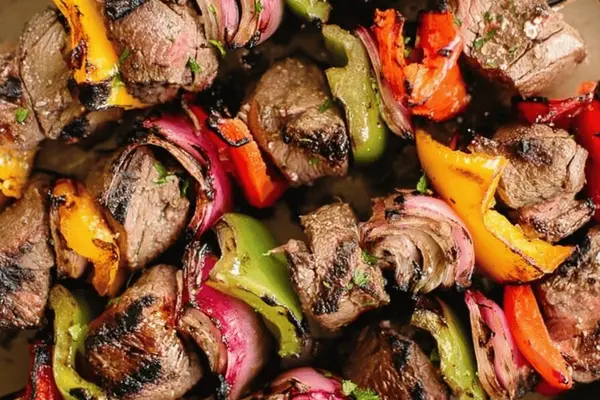
Beef Kabobs with Soy Worcestershire Marinade
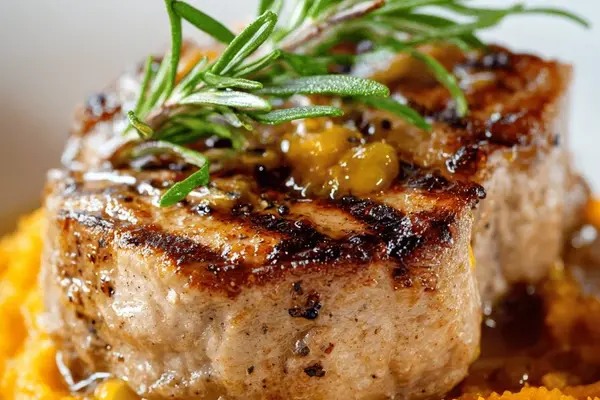
Seared Pork Filets with Mango Chutney
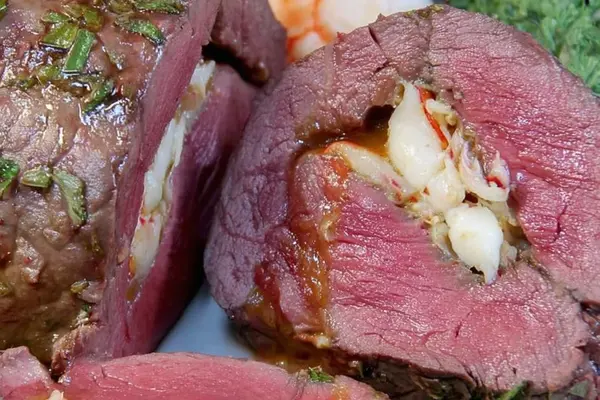
Beef Tenderloin With Crab Stuffing