
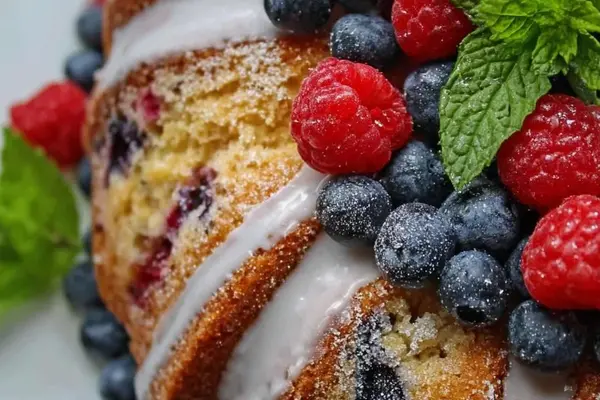
Berry Buttermilk Bundt Cake Recipe
E
By Emma
Certified Culinary Professional
•
Recipe tested & approved
Tender berry buttermilk bundt cake with fresh mixed berries, buttermilk, and oil for moisture. Simple powdered sugar glaze adds sweetness to this homemade dessert.
Prep:
20 min
Cook:
40 min
Total:
60 min
Servings:
12 servings
Set oven to 355°F and spray that bundt pan like your life depends on it—seriously, no shortcuts or the cake sticks and ruins everything. Three things matter here: the buttermilk keeps it tender, the berries go in twice so they don’t all sink to the bottom, and you don’t overmix the batter or it turns into rubber. Takes 20 minutes to prep, 40 in the oven, done in an hour flat.
Why You’ll Love This Buttermilk Cake
Comfort food that actually tastes homemade because it is. Most bundt cakes feel dense and dry—this one stays moist for days. Fresh berries throughout, not just on top, so every slice has them. Glaze on top means it looks fancier than it actually is. Makes the whole house smell good while it bakes. One bowl mostly, cleanup’s minimal.
What You Need for This Berry Bundt
All-purpose flour—2 1/2 cups. Baking powder, 1 teaspoon. Baking soda, half a teaspoon. Fine salt, the same. Sugar goes two places: 1 1/4 cups in the batter, another 1/4 cup to toss with berries. Buttermilk. A full cup. Three eggs. Two-thirds cup vegetable oil—canola works fine, melted butter works too if you want denser crumb.
Fresh mixed berries. Four cups total. Blueberries, raspberries, blackberries, strawberries diced up—whatever you have. The sugar tossed with them pulls juice out, stops the batter from turning purple and watery.
For the glaze: powdered sugar, 1 cup. Vanilla extract. Water, 3 to 4 tablespoons—though milk works if you want silkier glaze, lemon juice if you want tang. That’s it.
How to Make a Tender Crumb Berry Bundt Cake
Heat the oven to 355 degrees. Spray your bundt. Get in the corners. Under the tube. Everywhere.
Sift the flour, baking powder, baking soda, and salt into a large bowl. Lumpy dry mix means lumpy cake, so don’t skip this. In a mixer, dump the sugar, buttermilk, eggs, and oil. Beat until combined—nothing fancy, no long mixing. You’re not making mousse. Stop when you can’t see puddles of oil.
Add the dry mix in three parts, folding gently each time. This is where people mess up. Overmix and the gluten develops and you get rubber. The batter should be slightly lumpy when you’re done. That’s correct.
Toss the berries in a bowl with 1/4 cup sugar. Wait a couple minutes. They’ll start releasing juice. That juice gets reabsorbed instead of drowning your batter. Fold 3 cups of the sugar-berry mix into the batter. Keep the last cup for the top.
Pour batter into the pan and spread it level. Sprinkle the reserved berries on top. Tap the pan on the counter a few times—this settles the berries, keeps them from all sinking to the bottom in one clump.
Slide it onto the middle rack. Bake 35 to 40 minutes. Around minute 30 you’ll start smelling browned edges. Peek at the color—should be deep gold, almost tan. Jiggle the pan gently; the top should barely move, the edges set but the center still a little soft. Insert a toothpick into the thickest part. Moist crumbs clinging to it? Done. Actual batter on it? More time. Usually another 3 to 5 minutes.
Cool completely on a wire rack. Don’t rush this. The cake’s still setting as it cools, and heat ruins how the glaze sticks to the top.
How to Get the Glaze Right and Keep Berries Even
Whisk the powdered sugar, vanilla, and water in a small bowl. Start with 3 tablespoons water. Whisk. It’ll be thick. Add more water a teaspoon at a time until it’s pourable but still coats the back of a spoon. Not runny. Not thick.
Pour it generously over the cooled cake. Let it drip down the sides. If it’s too thin and running everywhere, wait 10 minutes and it’ll set up. If it’s too thick, whisk in a splash more water.
If berries keep sinking no matter what, dust them lightly in flour before folding them in—gives them grip. Or layer: half the batter, all the berries, rest of batter on top. Spreads them more evenly.
Some people worry about the glaze not sticking. Completely normal. The cake’s cool, the glaze sets fine. Just give it time.
Berry Buttermilk Bundt Tips and Common Mistakes
Frozen berries work but thaw them first and drain them hard. Still frozen or too wet and you’re basically pouring water into cake batter. The whole thing gets soggy.
Metal bundt is the move. Ceramic absorbs heat differently—you might need to pull it 5 minutes earlier. Dark metal bundt? Same story. Adjust based on your pan.
All ovens run hot or cold. If the top’s browning way too fast, tent it with foil after 25 minutes. Saves the edges from charring while the middle catches up.
Butter instead of oil makes a denser crumb but richer taste. You lose some softness. Worth it if you don’t mind.
Swap buttermilk for yogurt thinned with a splash of lemon juice. Texture’s slightly different but close. Don’t skip the acid entirely or the baking soda has nothing to react with.
Glaze too thin? Whisk in more powdered sugar, a tablespoon at a time. Want tang? Use lemon juice instead of water. Want silkier? Use milk.
Serve it the next day if you can. Flavors round out, the crumb settles, and it actually slices cleaner. But nobody’s stopping you if you eat it warm.
Berry Buttermilk Bundt Cake Recipe
Prep:
20 min
Cook:
40 min
Total:
60 min
Servings:
12 servings
Ingredients
- 2 1/2 cups all-purpose flour
- 1 tsp baking powder
- 1/2 tsp baking soda
- 1/2 tsp fine salt
- 1 1/4 cups sugar
- 1 cup buttermilk
- 3 large eggs
- 2/3 cup vegetable oil (sub canola or melted butter)
- 4 cups fresh mixed berries (blueberries, raspberries, blackberries, or diced strawberries)
- 1/4 cup granulated sugar for berries
- For glaze: 1 cup powdered sugar
- 3-4 tbsp water (use milk or lemon juice as variant)
- 1/2 tsp vanilla extract
Method
- =For the Cake=
- 1 Heat oven to 355°F. Spray a 6-cup bundt well, no skipping or batter sticks like glue.
- 2 Sift together flour, baking powder, baking soda, salt into a large bowl—lumps kill tender crumb.
- 3 In mixer bowl, dump sugar, buttermilk, eggs and oil. Beat just until combined, nothing fancy, no puddles.
- 4 Add dry in three increments, folding gently. Over mixing equals rubber cake. Batter’s slightly lumpy? Perfect.
- 5 Toss berries in 1/4 cup sugar. That takes some juice out, prevents waterfalls of berry stain in batter.
- 6 Fold 3 cups sugar-berry mix into batter. Save a cup for top layer.
- 7 Pour batter into pan, spread evenly. Sprinkle reserved berries on top. Tap pan on counter to settle berries—helps keep berries from sinking all to bottom.
- 8 Slide into middle rack. Bake 35-40 minutes. Smell browned edges start, peek color, jiggle pan lightly for springiness. Insert toothpick: moist crumbs mean ready; batter? More time.
- 9 Cool completely on wire rack. Don’t rush, heat ruins top glaze adherence.
- =For the Glaze=
- 10 Whisk powdered sugar, vanilla and water to thick glaze consistency—not runny. Add liquid little by little to get pourable but coat uniform.
- 11 Pour generously over cooled cake. Let drip down sides. Wobbly icing? Wait a bit, add more powdered sugar.
- 12 Serve next day if possible, flavors round out, crumb settles better.
- =Tips and Substitutions=
- 13 Butter for oil makes denser but flavorful crumb, omit if avoiding dairy. Swap buttermilk with yogurt thinned with lemon juice. Frozen berries? Thaw and drain to prevent batter turning purple, and watery.
- 14 If berries still sinking, try dusting in flour before folding or layering half batter, berries, then rest batter for more even spread.
- 15 Watch oven, all ovens vary. If top browns too fast, tent with foil after 25 minutes.
- 16 Not enough glaze? Use milk or lemon juice to transform flavor profile for tang or silkiness.
- 17 Keep berries fresh; bruised or wet crush cake texture.
- 18 Use metal bundt, ceramic absorbs heat differently—adjust times accordingly.
Nutritional information
Calories
280
Protein
3g
Carbs
39g
Fat
12g
Frequently Asked Questions About Buttermilk Cake
Can I use frozen berries in this berry buttermilk bundt? Yeah. Thaw them completely and drain all the liquid or the batter turns purple and the cake gets watery. Not ideal.
How long does this cake keep? Stays moist for three, maybe four days covered at room temperature. Freezes fine too, though the glaze cracks when it thaws. Tastes fine, just looks rougher.
What’s the difference between using oil and butter? Oil keeps it tender and moist. Butter makes it denser, richer flavor. Both work. Oil’s easier for this recipe because you don’t have to soften it first.
Do I have to use buttermilk or can I substitute? Greek yogurt thinned with lemon juice works. Regular milk mixed with lemon juice works too—let it sit five minutes. Don’t skip the acid; the baking soda needs it.
Why are my berries sinking to the bottom? Happens. Dust them in flour before folding, or layer the batter—half in, berries, rest of batter on top. Also make sure they’re not too wet. Wet berries are heavy.
Can I make this ahead? Make the cake the day before, glaze it the morning of, done. Mix the dry ingredients the night before if you want. Don’t combine wet and dry until you’re ready to bake or the baking powder starts working early.
You’ll Love These Too
Explore all →
Seared Scallop Orange Salad with Tulip Petals
Crispy Battered Fish with Honey Dijon
Cranberry Chocolate Pull-Apart Bread
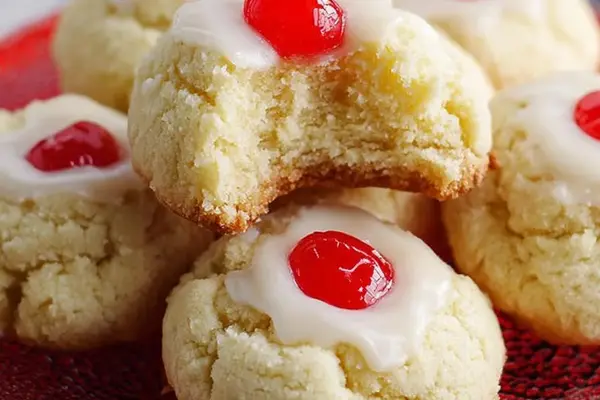
Cheesecake Almond Cookies with Candied Cherry
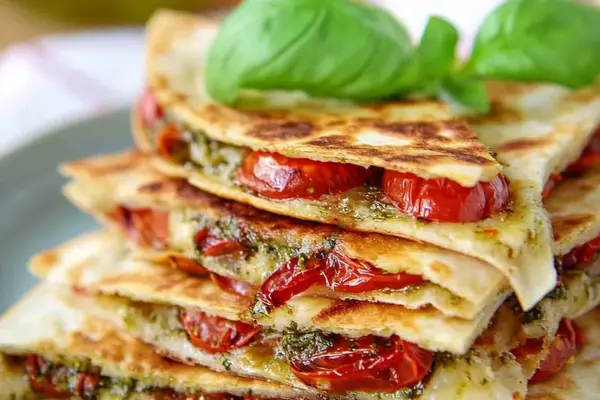
Caprese Pesto Quesadillas with Fresh Mozzarella

Cookies With Lemon Glaze: Vegan Royal Icing

Crab Dip with Cream Cheese and Smoked Gouda
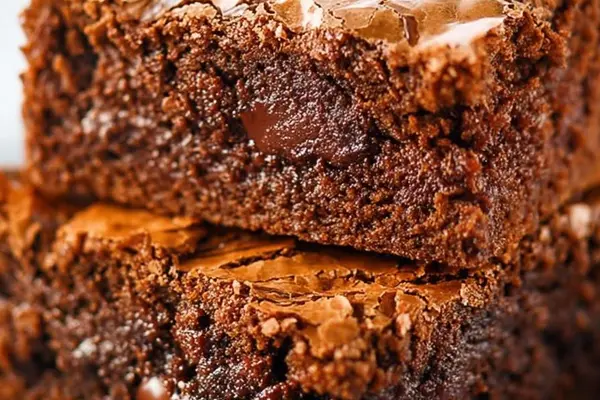
Nutella Swirl Brownies with Hazelnut Spread
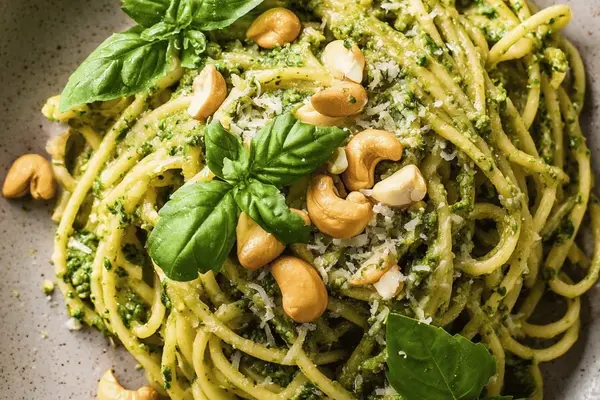
Dairy-Free Pesto with Roasted Cashews
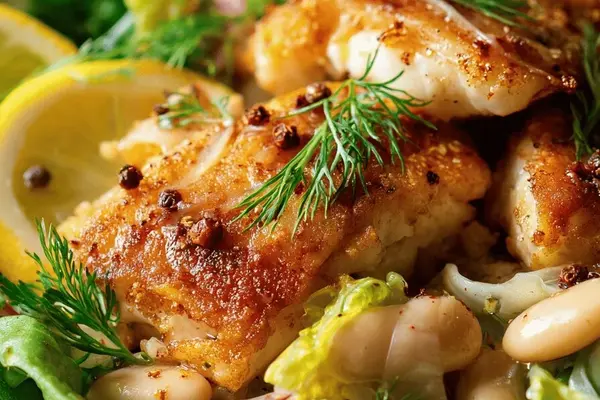
Air Fryer Haddock with White Bean Salad
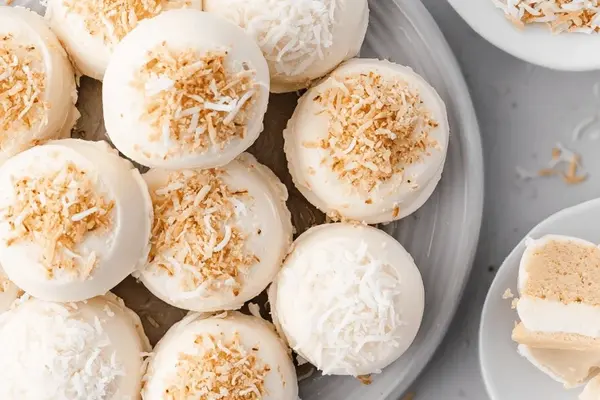
Coconut Cheesecake Bites with White Chocolate

Tuna Pasta Salad Recipe with Lime Dressing
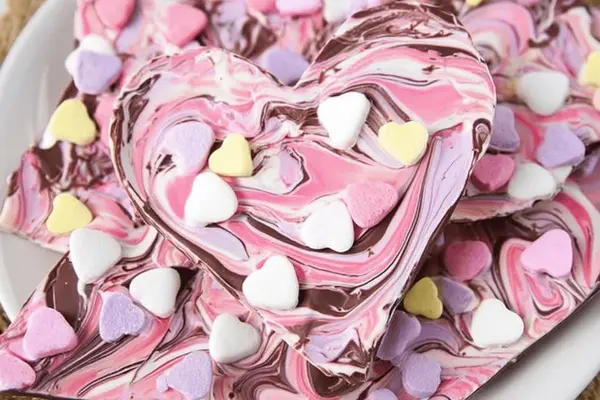
Conversation Heart Bark with Candy Wafers
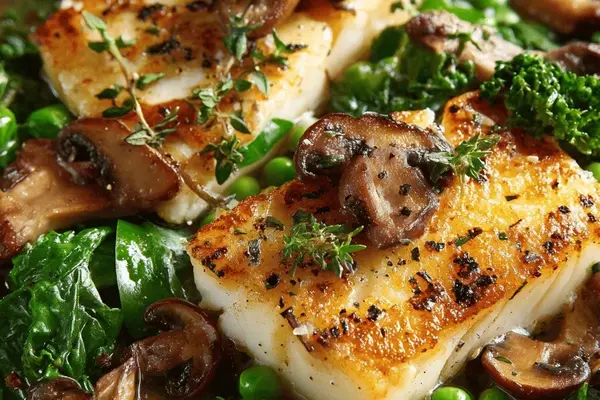
Seared Halibut with Mushrooms and Greens
Sirloin Steak with Mushrooms and Tomato

Butternut Squash Fritters with Couscous

Chicken & Chorizo Jambalaya Recipe
Pork Parmigiana Patties with Eggplant
Oreo Chocolate Mint Shake with Vanilla Ice Cream