Braised Chuck Roast Beef Noodles
By Emma
Certified Culinary Professional
·
Recipe tested & approved
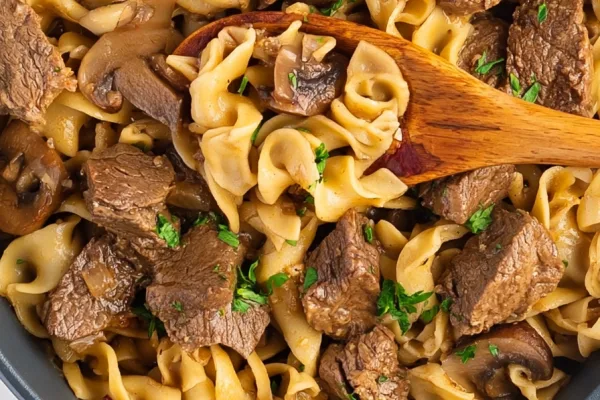
Braised Chuck Roast Beef Noodles features tender seared beef slowly cooked in rich broth, thickened into a buttery sauce, then tossed with wide egg noodles for a satisfying, hearty meal.
Prep:
10 min
Cook:
2h
Total:
2h 10min
Servings:
4 servings
I made these braised chuck roast beef noodles last Tuesday and I’m still thinking about them. The chuck roast cubes get this deep brown crust and then basically melt into the broth after two hours. It’s comfort food beef that doesn’t pretend to be fancy.
Why You’ll Love This Recipe
- The sear on 2 pounds of cubed chuck roast creates a caramelized crust that flavors the whole dish
- Slow braising for 1.5 to 2 hours makes the beef fork-tender without any effort
- The cornstarch slurry thickens the sauce just enough without making it gloppy
- Wide egg noodles soak up that buttery, beefy liquid in every bite
- You only need one 12-inch skillet for everything — searing, braising, tossing
- Fresh parsley at the end cuts through all that richness and wakes your mouth up
The Story Behind This Recipe
I needed something that could braise while I answered emails and didn’t require me to stand there stirring. Beef stew noodles always felt too soup-like to me, so I started playing with thicker sauces. Last Tuesday after work I grabbed a chuck roast from the fridge and just cubed it instead of leaving it whole. The smaller pieces meant more surface area for browning and they cooked faster too.
When I added that second tablespoon of butter at the very end it created this glossy finish on the sauce that made it look like I’d been reducing stock all day. I hadn’t, obviously.
What You Need
You’re starting with 2 pounds chuck roast that you’ll cube yourself. Don’t buy pre-cubed stew meat because it’s usually shoulder or round and it won’t break down the same way. Chuck has enough fat running through it to stay moist during that long braise. Cut it into roughly 1.5-inch pieces so they brown evenly.
2 tablespoons olive oil go in first for the sear. I use regular olive oil, not extra virgin, because you’re heating it hard and there’s no point wasting the good stuff.
You need 2 tablespoons unsalted butter but you’re splitting it—1 tablespoon goes in with the onions and garlic, the other tablespoon gets stirred in at the very end. That second addition is what makes the sauce look like slow cooked beef that’s been tended all day.
1 small yellow onion, diced, and 3 cloves garlic, minced. The onion sweetens as it cooks down in the broth and the garlic mellows out completely after two hours of braising.
2 cups beef stock is your braising liquid. I used store-bought and it was fine. You’ll add 1 teaspoon salt, 1 teaspoon black pepper, 1/2 teaspoon dried thyme, and 1 bay leaf to build flavor while the meat simmers. The thyme adds an earthy note that beef likes.
1 tablespoon cornstarch whisked into 1/4 cup water thickens everything without that floury taste you’d get from a roux. Wide egg noodles get cooked separately and drained—I used about 12 ounces but the recipe doesn’t specify an exact amount. 2 tablespoons chopped fresh parsley finishes it.
How to Make Braised Chuck Roast Beef Noodles
Heat your 12-inch skillet over medium-high and pour in the olive oil. Wait until it ripples and runs thin across the pan. Add the cubed chuck roast and just leave it alone for a minute or two so each piece develops that deep brown crust. Turn the cubes to brown all sides—this takes about 10 to 12 minutes total. You’re not cooking the beef through, just building color and flavor on the outside.
Slide the beef to one side and drop in 1 tablespoon of the butter. Toss the diced onion and minced garlic into the melted butter and cook for 1 to 2 minutes. The onions will soften fast and the garlic smell hits you right away but it shouldn’t turn brown or smoky.
Pour in the 2 cups beef stock, then add the salt, black pepper, dried thyme and bay leaf. Crank the heat until the liquid boils hard. Cover the skillet with a lid and drop the heat to medium-low. Let the beef braise for 1.5 to 2 hours—the low bubble is what makes the meat fork-tender without drying it out.
Once the beef yields easily when you poke it with a fork, pull off the lid and fish out that bay leaf. The broth will look darker now with a slightly thickened surface from all the rendered fat and juices.
Whisk the cornstarch into the 1/4 cup water in a small bowl until it’s completely smooth with no lumps. Pour this slurry into the hot broth and stir it around. Turn the heat back to medium. The sauce will start bubbling as it thickens—give it about 6 to 8 minutes until it coats the back of a spoon and looks velvety instead of watery.
Take the skillet off the heat and swirl in that remaining tablespoon of butter. This is where the sauce gets its glossy finish. I noticed the butter doesn’t just melt—it emulsifies into the liquid and makes everything look richer and more cohesive than it actually is.
Add your cooked, drained wide egg noodles straight into the skillet. Toss everything gently so each noodle gets coated in that beefy sauce. Scatter the chopped parsley over the top and serve it right away while it’s still steaming.
What I Did Wrong the First Time
I added the cornstarch slurry too early, like right after I removed the lid, and then kept cooking the beef stew noodles for another 20 minutes. The sauce broke and got this weird grainy texture instead of staying smooth. Cornstarch has a thickening limit and if you cook it too long after it sets up it just falls apart. Now I wait until the beef is completely done braising, pull it off the heat briefly, then add the slurry and only cook it for those 6 to 8 minutes. That’s it.

Braised Chuck Roast Beef Noodles
Prep:
10 min
Cook:
2h
Total:
2h 10min
Servings:
4 servings
Ingredients
- 2 pounds chuck roast, cut into cubes
- 2 tablespoons olive oil
- 2 tablespoons unsalted butter, divided
- 1 small yellow onion, diced
- 3 cloves garlic, minced
- 2 cups beef stock
- 1 teaspoon salt
- 1 teaspoon black pepper
- 1/2 teaspoon dried thyme
- 1 bay leaf
- 1/4 cup water
- 1 tablespoon cornstarch
- Wide egg noodles, cooked and drained
- 2 tablespoons chopped fresh parsley
Method
- 1 Heat a large 12-inch heavy skillet over medium-high heat and pour in the olive oil. When the oil ripples and runs thin, add the cubed chuck roast. Let them sear without moving for a moment to build a deep brown crust, then turn to brown all sides—this should take about 10 to 12 minutes. Don’t cook through; look for that rich, caramelized edge.
- 2 Slide the beef to one side of the skillet and toss in 1 tablespoon unsalted butter. Add the diced yellow onion and minced garlic into the melted butter zone and cook for 1 to 2 minutes. You’ll notice the onions soften and the garlic aroma will become assertive but not smoky.
- 3 Pour in 2 cups beef stock, then toss in salt, black pepper, dried thyme, and the bay leaf. Crank the heat until the liquid comes to a steady boil, hearing that lively simmer. Cover the skillet tightly with a lid and reduce the heat to medium-low. Let the beef braise slowly for about 1.5 to 2 hours; this low bubble allows the meat to break down until fork-tender.
- 4 Once the beef yields easily to a fork, remove the lid and fish out the bay leaf, discarding it. You’ll see a rich broth with a slightly thickened surface from the melted butter and cooking juices.
- 5 In a small bowl, whisk the 1 tablespoon cornstarch into 1/4 cup water until smooth. Pour this slurry into the hot broth and stir well to avoid lumps.
- 6 Turn the heat back to medium. The sauce will start bubbling as it thickens—watch closely for about 6 to 8 minutes until it reaches a velvety consistency. Take the skillet off the heat and swirl in the remaining 1 tablespoon of butter. This final touch gives the sauce a glossy finish and a richer mouthfeel.
- 7 Add the cooked, drained wide egg noodles directly into the skillet. Toss gently to coat every strand and strip with that luscious beef sauce.
- 8 Scatter the chopped fresh parsley over the top for a bright, fresh contrast and serve immediately.
Nutritional information
Calories
1052
Protein
74g
Carbs
63g
Fat
57g
Tips for the Best Braised Chuck Roast Beef Noodles
Don’t crowd the pan when you’re searing those cubes. If you pile them all in at once the temperature drops and they steam instead of browning. Work in two batches if your skillet feels tight.
The braising liquid should barely bubble during those 1.5 to 2 hours. If it’s rolling hard your beef will tense up instead of going tender and the liquid evaporates too fast. You want slow cooked beef that looks like it’s taking a hot bath, not boiling.
When you whisk that cornstarch slurry make sure the water’s cool or room temperature. Hot water makes the cornstarch clump before you even get it into the skillet and then you’re fishing out little gummy balls.
Check the beef at the 90-minute mark by poking a cube with a fork. If it resists at all give it another 30 minutes. The difference between done and really done is significant here.
I noticed the sauce clings to the noodles better if you let it cool for about 30 seconds after adding that final tablespoon of butter. Something about the temperature drop makes the fat distribute more evenly instead of just pooling on top.
Serving Ideas
I ate this straight from the skillet with a big hunk of crusty bread to mop up the extra sauce. The bread soaked up everything the noodles missed.
A simple arugula salad dressed with lemon juice cuts through all that richness without killing the mood. Just a handful of greens on the side.
Roasted Brussels sprouts work too, especially if they’re charred on the edges. The bitterness plays against the beef noodles in a way that keeps you coming back for another bite.
Sometimes I’ll grate some Parmesan over the top right before serving even though it’s not traditional. The salty sharpness wakes everything up.
Variations
You can swap the wide egg noodles for pappardelle if you want something that feels a little fancier. The wider ribbons hold even more sauce and they look dramatic on the plate.
Add a tablespoon of tomato paste when you toss in the onions and garlic for a deeper, slightly tangy base. It’ll turn the braising liquid darker and add another layer of umami to the comfort food beef. Just don’t add more than that or it starts tasting like marinara.
If you want heat stir in a teaspoon of red pepper flakes with the thyme. The spice blooms during the braise and spreads evenly without overwhelming the dish.
I tried using short ribs once instead of chuck roast and they were too fatty for this. The sauce ended up greasy and I had to skim it twice. Stick with chuck.
FAQ
Can I use a different cut of beef instead of chuck roast?
Chuck roast has the fat and connective tissue that breaks down during braising to keep the meat moist. Leaner cuts like sirloin or round will dry out over that 1.5 to 2 hours. If you absolutely have to substitute try short ribs but expect more fat to skim.
Do I really need to brown all sides of the beef cubes?
Yes because that caramelized crust dissolves into the braising liquid and flavors the entire sauce. If you skip the browning you’ll end up with gray beef stew noodles that taste flat and one-dimensional. It takes 10 to 12 minutes but it’s not optional.
Can I make this in a slow cooker instead of on the stovetop?
You can sear the beef in a skillet first then transfer everything to a slow cooker on low for 6 to 7 hours. Add the cornstarch slurry in the last 20 minutes on high to thicken. The texture’s slightly different but it works if you’re not home.
What if I don’t have wide egg noodles?
Any pasta that can hold sauce works—penne, rigatoni or even spaghetti broken in half. Wide noodles are better because they catch more of that buttery liquid but I’ve used regular egg noodles and it was fine.
How do I store leftovers?
Put everything in an airtight container and refrigerate for up to 3 days. The noodles will absorb more sauce as they sit so it’ll be thicker when you reheat. Add a splash of beef stock or water when you warm it up to loosen the sauce.
Can I freeze braised chuck roast beef noodles?
The beef freezes well but the noodles get mushy when thawed. If you’re planning to freeze it braise the beef in the sauce, freeze that, then cook fresh noodles when you reheat. It’ll keep for 3 months.
Why did my sauce stay watery after adding the cornstarch slurry?
Either the slurry wasn’t mixed well enough and the cornstarch clumped, or you didn’t bring it back to a simmer after adding it. Cornstarch needs heat to activate and thicken. Stir it constantly for those 6 to 8 minutes over medium heat.
Can I use chicken stock instead of beef stock?
You can but the sauce won’t have that deep beefy flavor that makes this dish work. Beef stock reinforces the taste of the chuck roast. Chicken stock will make it taste lighter and less satisfying overall.
What size skillet do I actually need?
A 12-inch skillet is specified because you need room to sear the beef without crowding and space for the noodles at the end. If you only have a 10-inch pan sear the beef in batches or the steam will stop the browning.
How do I know when the beef is fork-tender?
Poke a cube with a fork and it should slide in with almost no resistance then pull apart easily when you twist. If the meat fights back at all it needs more time. Check it at 90 minutes and then every 15 minutes after.
Can I use fresh thyme instead of dried?
Use 1.5 teaspoons fresh thyme instead of the 1/2 teaspoon dried. Fresh herbs are less concentrated. Add it when you pour in the stock so it has time to infuse during the braise.
Why do I need to split the butter into two additions?
The first tablespoon cooks with the onions and garlic to build flavor early. The second tablespoon gets stirred in at the end to create that glossy finish and add richness without making the sauce greasy during the long simmer.
What happens if I forget to remove the bay leaf?
Nothing dangerous but bay leaves don’t soften and if someone bites into one it’s unpleasant. I always fish it out before adding the cornstarch slurry so I don’t lose track of it in the thickened sauce.
Can I double this recipe?
You’d need two skillets or a much larger pan to brown 4 pounds of beef properly. If you try to double it in one 12-inch skillet the beef will steam and you’ll lose the sear. Either work in batches or use a Dutch oven.
Do I need to cover the skillet tightly during braising?
Yes because you don’t want the liquid evaporating too fast. A loose lid will let steam escape and you’ll end up with less sauce at the end. If your lid doesn’t fit snugly use foil tucked around the edges.
Why does my sauce look oily after braising?
Chuck roast renders fat during cooking and some of it floats to the surface. You can skim it off with a spoon before adding the cornstarch slurry if it bothers you. I usually leave a little because it adds flavor and the butter at the end emulsifies it.
Can I prep the beef cubes ahead of time?
Cut the chuck roast into cubes the night before and keep them in the fridge in a covered container. Pat them dry with paper towels before searing or they won’t brown properly. Moisture is the enemy of a good crust.
How do I reheat this without drying out the beef?
Add a few tablespoons of water or stock to a skillet over medium-low heat and warm it gently, stirring occasionally. The microwave works but it can make the beef chewy if you overheat it.
You’ll Love These Too
Explore all →
Crispy Fried Spring Rolls with Pork

Mango Coconut Shaved Ice with Tapioca
Coconut Panna Cotta with Dark Spiced Rum
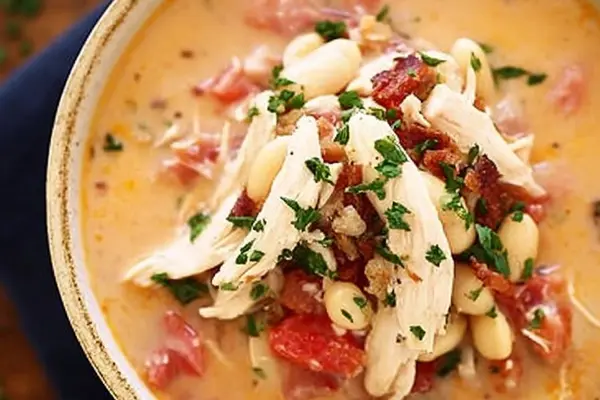
Rustic Slow Chicken Stew with Bacon

Red Sangria Recipe with Elderflower
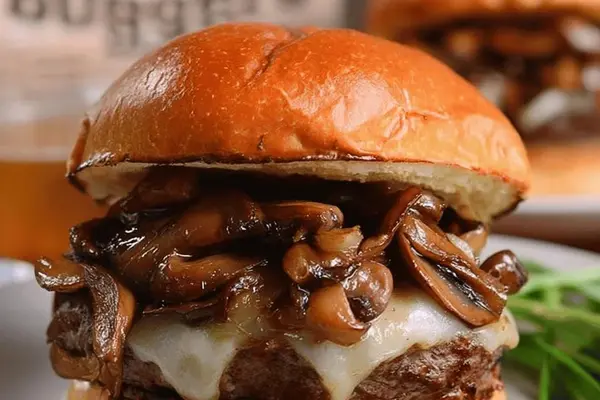
Mushroom Swiss Burger with Cremini & Dijon
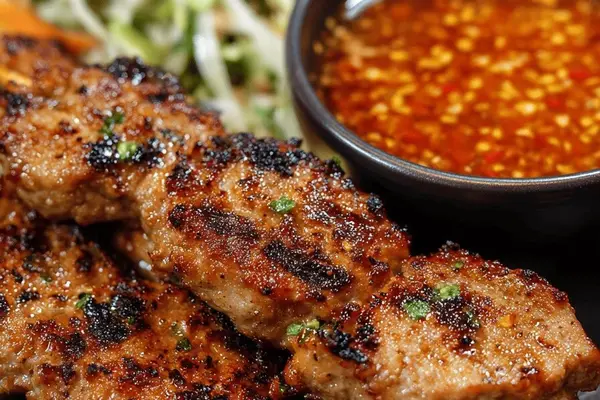
Pork Ginger Lemongrass Skewers with Cashew Sauce
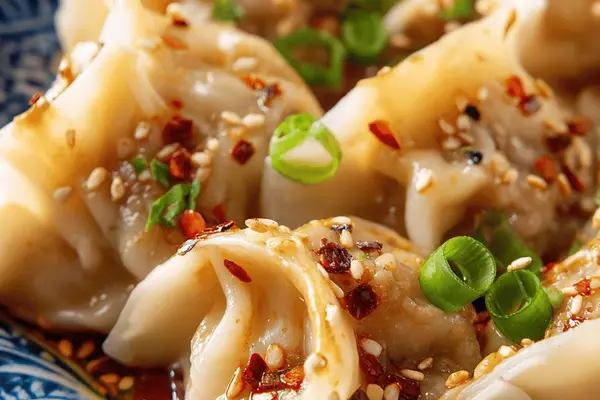
Pork Dumplings with Spicy Peanut Sauce
Jam Thumbprint Cookies with Almond Glaze
Iced White Chocolate Mocha with Lemon Zest

Peach White Rum Cooler with Elderflower
Tofu Butter Masala with Tomato Cream
Baked Meatballs Pasta Casserole

Hot Apple Cider with Cinnamon & Rosemary
Sheet Pan Citrus Chicken with Potatoes
Grapefruit Loaf Cake with Cardamom
Maple Pork Belly Tart with Herb Crust

Donut Hole Cake Pops with Chocolate
Peanut Butter Crinkle Cookies with Cocoa