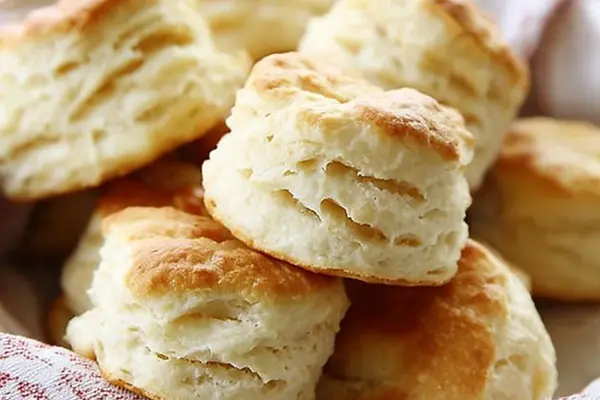
Buttermilk Biscuits Recipe with Flaky Layers
By Emma
Certified Culinary Professional
·
Recipe tested & approved
Make crispy buttermilk biscuits with cold butter and proper folding technique. Tender, flaky rounds using all-purpose flour and fresh buttermilk ready in under an hour.
Prep:
25 min
Cook:
14 min
Total:
39 min
Servings:
10 servings
Fold the dough three times. That’s the secret. Most people skip it or do it once and wonder why their biscuits are flat. The layers are what separate real buttermilk biscuits from the dense things that come in a can — and honestly, once you nail this, you’ll never go back.
Why You’ll Love This Buttermilk Biscuit Recipe
They’re ready in 39 minutes flat. Breakfast doesn’t have to be complicated.
Flaky layers without yeast or overnight rising. Just cold butter, buttermilk, and a folding technique that actually works.
One bowl. Minimal equipment. Cleanup takes longer than the prep.
Works as a side for literally anything — breakfast, lunch, with soup at dinner. Cold the next day, maybe even better.
Vegetarian. No weird ingredients. You probably have most of this right now.
What You Need for Homemade Buttermilk Biscuits
Flour — all-purpose, spooned and leveled. Not scooped straight from the bag. That packs it down and you end up with dense biscuits.
Sugar. Just a tablespoon. Enough to wake up the yeast action, not enough to taste sweet.
Baking powder and baking soda. Both. The powder does most of the work; the soda reacts with the buttermilk for extra rise and tan color.
Fine salt. Kosher works if that’s what you have, but fine salt distributes more evenly.
Cold butter. This matters. Cut it into pea-size pieces or grate it frozen. Warm butter won’t create flaky layers — it’ll just disappear into the dough.
Buttermilk. Or regular milk mixed with lemon juice, rested 5 minutes. The acid activates the baking soda. Almond milk works the same way.
Melted butter for brushing on top. Not olive oil. Not nothing. The browning and smell change everything.
How to Make Flaky Buttermilk Biscuits
Heat your oven to 460°F. Line a baking sheet with parchment or silicone mat. The high heat creates that quick rise and slightly crispy exterior before the inside sets.
Mix the dry stuff together — flour, sugar, baking powder, salt, baking soda. One bowl. Don’t sift unless your flour has actual lumps. Most of the time it doesn’t.
Cut the cold butter into the flour. Work quickly. You want pea-size pieces throughout, not a smooth mixture. Cold butter stays separate. Warm butter gets absorbed and you lose the flakiness. If you have a bench scraper or two forks, use them. Hands work too — just don’t let the butter warm up.
Pour the buttermilk in. Stir gently. Just until the dough barely holds together. It should feel like thick mashed potatoes — tacky but not sticky. If it’s too wet, dust in small pinches of flour. Too dry, splash a bit more milk.
Turn it onto a floured surface. If it’s crumbly, knead it for like five seconds. Just until it comes together.
How to Build Layers in Buttermilk Biscuits
Press the dough into a rough 10-by-6-inch rectangle. Don’t roll. Press. Use your hands flat.
Fold it into thirds like a business letter. Fold one long side in, then the other over top. That’s one fold.
Flour the surface and dough lightly to keep it from sticking. Press out again to 10-by-6. Fold into thirds again. That’s two.
Do it one more time. Three folds total. That’s what builds the layers. More than three and you’re overworking it.
Final flatten to about 3/4 inch thick. Not thin. Thick. Thin biscuits don’t puff.
Use a 2 1/2-inch sharp cutter. Dip it in flour. Cut straight down. Don’t twist. Twisting seals the edges shut and they won’t rise.
Place them on the pan close together if you want tender sides, or spaced out if you want crunch. Either way, don’t leave gaps bigger than an inch.
Take the scraps, gather them gently, and reroll. They’ll have fewer layers but you’ll get more biscuits out of it.
Brush the tops with melted butter. This is what makes them brown and smell like actual breakfast.
Buttermilk Biscuits Tips and Common Mistakes
Bake 13 to 15 minutes. Look for golden tan on top. They should look puffed and feel slightly firm on the sides when you touch them, but still give a little. Pull them out early if you like them softer. Leave them longer if you want more browning.
Let them cool 5 minutes on a rack. Not in the pan. The pan keeps them steaming and the bottoms get soggy.
Cold butter is non-negotiable. Room temperature butter will not work. Either cut it into pieces and keep it in the freezer until the last second, or grate it straight from the freezer.
The fold matters more than people think. I’ve seen recipes that skip it entirely and call themselves “buttermilk biscuits.” They’re not. They’re biscuit-shaped bread. The three folds are what make them actually flaky.
Don’t overwork the dough. That’s the thing that ruins it more than anything else. Work just until it comes together, fold three times, cut, bake. Overthinking kills it.
Buttermilk Biscuits Recipe with Flaky Layers
Prep:
25 min
Cook:
14 min
Total:
39 min
Servings:
10 servings
Ingredients
- 2 1/4 cups all-purpose flour spooned and leveled
- 1 tablespoon sugar
- 1 tablespoon baking powder
- 1/2 teaspoon fine salt
- 1/4 teaspoon baking soda
- 6 tablespoons cold unsalted butter cut into pea-size pieces or frozen and grated
- 1 cup buttermilk or unsweetened almond milk with 1 teaspoon lemon juice (rested 5 minutes)
- 2 tablespoons melted butter for brushing
Method
- 1 Preheat oven to 460°F for an extra quick rise; line pan with parchment or silicone mat.
- 2 Mix flour, sugar, baking powder, salt, baking soda in large bowl. No sifting unless lumpy flour.
- 3 Cut butter into flour till pea-size bits remain; frozen butter grated saves time and creates texture variation for flakiness.
- 4 Pour almond milk mixture in, stir gently just till dough holds together; should feel like thick mashed potatoes, tacky but not sticky. If too wet, dust flour in small pinches; too dry, splash extra milk.
- 5 Turn dough to floured surface. Knead very briefly if crumbly. Press dough into rectangle roughly 10x6 inches.
- 6 Fold dough into thirds (like a business letter). Flour surface and dough lightly to avoid sticking.
- 7 Press out again to 10x6 rectangle. Repeat tri-fold twice more — three times total — builds layers. Handle gently, don’t overwork or layers toughen.
- 8 Final flattening to approx 3/4 inch thickness. Flour 2 1/2 inch sharp cutter, cut straight down. Avoid twisting cutter—twist seals edges shut, no rise.
- 9 Place biscuits close together on pan for tender edges; spaced apart for crunch. No gaps greater than 1 inch.
- 10 Gather scraps, reroll cautiously; fewer layers but worth it for more biscuits.
- 11 Brush tops with melted butter to encourage browning and add rich aroma during baking.
- 12 Bake 13 to 15 minutes. Look for golden tan, puffed tops, sides slightly firm but yielding to touch.
- 13 Remove and cool 5 minutes on rack. Serve warm with honey, jam, or savory butter.
Nutritional information
Calories
205
Protein
4g
Carbs
25g
Fat
10g
Frequently Asked Questions About Buttermilk Biscuits
Can I use regular milk instead of buttermilk? Yes. Mix regular milk with lemon juice — one cup milk plus one teaspoon lemon juice. Let it sit for 5 minutes. The acid does the same thing.
Do I have to fold the dough three times? Not technically. But you should. One fold gives you maybe two layers. Three folds give you actual texture. That’s the difference between a good biscuit and a forgettable one.
What if my dough is too sticky? Dust in flour a pinch at a time. Not tablespoons. Pinches. One tablespoon too much and you’ve made them dense.
Can I make these ahead? Cut them, freeze them on the sheet, then bake straight from frozen. Add maybe 2 minutes to the time. They’re better fresh, but frozen-to-baked works fine.
Why don’t mine puff up? Could be a few things. Oven temp — if it’s not actually 460°F they won’t rise fast enough. Cutting — if you twist the cutter, you seal the edges and they can’t expand. Or the baking powder is old. Baking powder loses power after a few months once opened. If yours is sitting in the back of the cabinet for a year, replace it.
Can I use salted butter? Technically yes. But cut the salt in the recipe in half so they’re not oversalted. Cold unsalted butter is easier to predict.
What’s the difference between these and baking powder biscuits? These have baking soda too, which reacts with the buttermilk for extra rise and browning. Plus the folding creates actual layers. Straight baking powder biscuits are simpler but less flaky.
You’ll Love These Too
Explore all →
Goat Cheese Appetizers with Beets and Arugula
Oven Roasted Corn with Fresh Basil
Mint Chocolate Crisps with Peppermint Extract
Jackfruit Tofu BBQ Pull with Chipotle
Chorizo Corn Macaroni Bake with Cheddar

Limoncello Spritz Cocktail with Prosecco
Artichoke Frittata with Goat Cheese
Apple Upside Down Cake Recipe
Marinated Bavette Steak with Cilantro Sauce
South Carolina Mustard BBQ Sauce with Molasses
Strawberry Short Cake with Mascarpone
Cherry Cobbler Muffins with Cinnamon Streusel
Crab Dip with Cream Cheese and Smoked Gouda
Easy Naan Bread Recipe with Labneh
Cucumber Salad with Whipped Cream
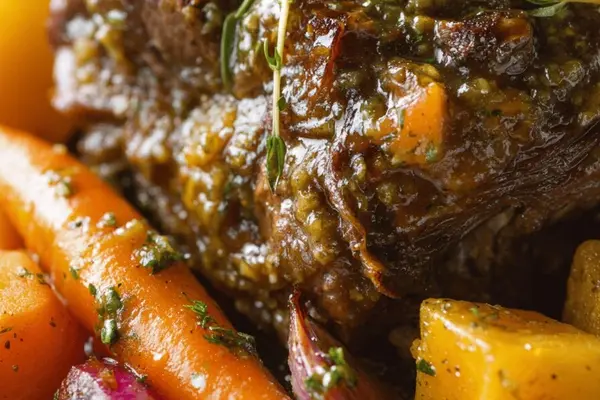
Mustard-Crusted Lamb Shoulder with Root Vegetables
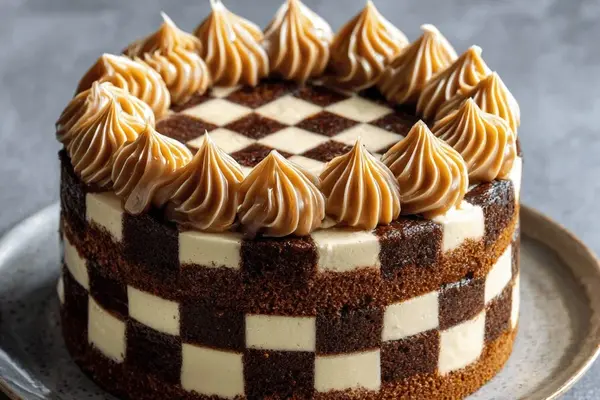
Checkerboard Cake with Caramel Filling
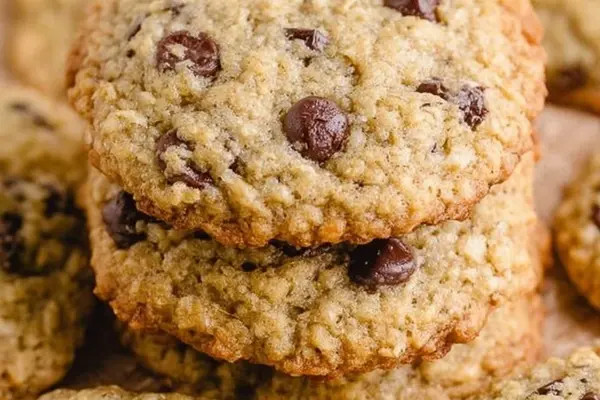
Oatmeal Chocolate Chip Cookies Recipe
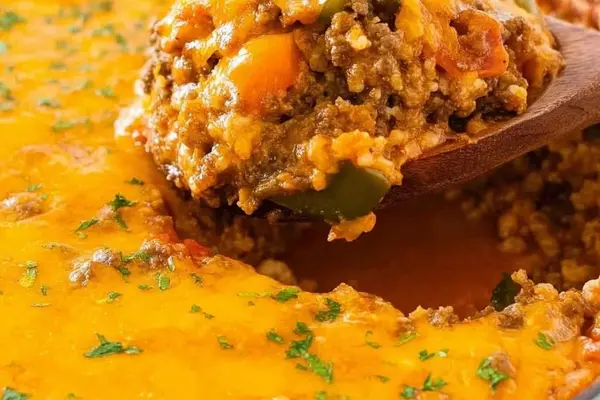
One Pot Meals with Ground Beef and Rice