Butternut Squash Mac and Cheese Recipe
By Emma
Certified Culinary Professional
·
Recipe tested & approved
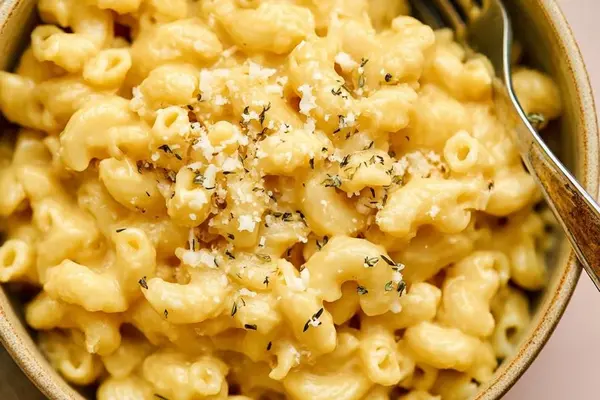
Creamy butternut squash mac and cheese with sharp cheddar, roasted squash, and a Parmesan crust. Made with a roux-based cheese sauce for rich, comforting pasta.
Prep:
20 min
Cook:
15 min
Total:
35 min
Servings:
6 servings
Pasta water goes in. Not milk. Well, milk works too, but pasta water makes the sauce stick to the noodles in a way that’s actually hard to explain—it just does. Butternut squash gets blended smooth into a roux, and then sharp cheddar melts into it. Takes 35 minutes total. Most of that is boiling water and waiting. The actual cooking part? Fifteen minutes.
Why You’ll Love This Butternut Squash Mac and Cheese
Tastes like fall comfort food but lighter than the heavy cream version. Nobody can tell there’s squash in here until you tell them.
Takes 35 minutes start to finish. Twenty of that is just the pasta boiling.
Works as a vegetarian main or a side dish for something heavier. Stretches further than you’d think—feeds way more people than the ingredient list suggests.
Tastes better the next day. Reheats fine. Cold, even. Though you probably won’t have leftovers.
The sauce actually clings to the pasta instead of pooling at the bottom. Pasta water does that. Don’t skip it.
What You Need for Butternut Squash Mac and Cheese
Twelve ounces of elbow macaroni. Or any small pasta. Just not the giant shells—they won’t coat right.
Three tablespoons butter. Unsalted. Salted butter makes it hard to control the salt later.
Two and a half tablespoons flour. All-purpose works. That’s the roux. The flour keeps the sauce from breaking.
Two cups butternut squash. Roasted. Cubed. Most people buy it pre-cut from the grocery store and that’s fine. Actually that’s easier. Trader Joe’s has it, and honestly it tastes the same as roasting it yourself.
Two cups sharp cheddar. Shredded. Not the pre-packaged kind with the anti-caking stuff—it doesn’t melt clean.
Whole milk. Total of two and three-quarter cups. Some comes from the carton, some from the pasta water. Either works. Pasta water is better. Keeps the sauce from breaking.
Salt. A teaspoon and a half, maybe a bit more depending on how salty your pasta water got.
Black pepper. Three-quarters teaspoon. Fresh ground. Tastes different from the pre-ground stuff.
A quarter cup Parmesan. Grated fresh. For the top.
Half a teaspoon smoked paprika. Not regular paprika. The smoked kind balances the sweetness of the squash. Nutmeg would work too. Paprika’s better here though.
How to Make Butternut Squash Mac and Cheese
Get a pot of salted water boiling. Really boiling. Dump the pasta in and set a timer. Nine to eleven minutes depending on your pasta brand and honestly altitude. You’re aiming for al dente—not soft, not crunchy. Just barely done.
While that’s going, measure out two and a half cups of pasta water in a measuring cup before you drain anything. This matters. If you forget and drain it all, just use milk instead. Less silky but still works.
Heavy-bottomed pot. Medium heat. Melt the butter. Watch it. Bubbles will rise but it shouldn’t brown. That takes maybe two minutes.
Whisk in the flour quick. Twenty to twenty-five seconds. Keep whisking. You’re making a paste. Don’t let it sit—a brown roux tastes burnt and that ruins everything.
Pour in the milk or pasta water slow. Whisk hard. The mixture goes thin, thinner than Alfredo, but thicker than straight milk. This is where lumps hide. Keep whisking.
Add the butternut squash cubes next. Stir it all in. Pour in the rest of the liquid—the remaining milk or pasta water. Low heat. You want small bubbles on the edges, not a rolling boil. Let it warm through for maybe two minutes.
This is the part that matters. Get an immersion blender or a regular blender. Blend the whole thing smooth. No chunks. None. The sauce has to be silky and pourable and smooth. If it’s too thick, splash in more milk. It should coat the back of a spoon and drip off slow.
Put it back on low heat. Add the cheddar by the handful. Stir each batch until it melts completely before you add more. Once it’s glossy and stretchy—that takes maybe three minutes—taste it. Salt it now. One and a half teaspoons probably. The paprika goes in. Black pepper too. Three-quarters teaspoon. Stir once. That’s it.
Dump the drained pasta in. Off heat. Toss it gently until every noodle’s coated. The sauce thickens as it cools. If it looks too thick after a few minutes, add a splash of warm milk or pasta water. Loosen it up.
Top with the Parmesan. If you want a crunchy top, put it under the broiler for a minute. Not longer. One minute max or the cheese burns and tastes like nothing.
Butternut Squash Macaroni and Cheese Tips and Mistakes
The roux can’t be brown. Brown tastes nutty and kind of burnt. Twenty-five seconds of whisking. That’s the whole window. Too fast and you’ll burn it. Too slow and it stays floury.
Pasta water works better than milk because of the starch. It helps the sauce stick. But if you forgot to save it, milk works. Just not as good at clinging.
Don’t skip the blending step. Chunks of squash in the sauce sounds fine until you’re eating it and there’s a chunk that throws off the whole thing. Smooth matters here.
Sharp cheddar, not mild. Mild tastes like nothing. You need sharp.
Trader Joe’s butternut squash mac and cheese gets compared to this all the time. Theirs is fine. Tastes like school lunch but fine. This one actually tastes like cheese and squash. Not sweet. Not boring.
If the sauce breaks—gets grainy, looks separated—it’s because the heat was too high or you added cold cheese all at once. Low heat. Add cheese slowly. It shouldn’t break. But if it does, try whisking in an extra splash of milk or pasta water. Sometimes that fixes it. Sometimes it doesn’t.
Leftovers. Reheat on the stovetop with a splash of milk or water. Microwave works too but it dries out faster. The sauce gets thicker as it sits, which is fine. You’ll thin it back out.
Cold mac and cheese tastes weird in the moment and then actually pretty good. Different texture. Cheese gets waxy. Some people love it. Depends.
Butternut Squash Mac and Cheese Recipe
Prep:
20 min
Cook:
15 min
Total:
35 min
Servings:
6 servings
Ingredients
- 12 oz elbow macaroni or similar pasta
- 3 tbsp unsalted butter
- 2 1/2 tbsp all-purpose flour
- 1 1/2 cups whole milk, plus 1 1/4 cups milk or reserved pasta water (total 2 3/4 cups liquid)
- 2 cups cubed roasted butternut squash
- 2 cups shredded sharp cheddar cheese
- Salt about 1 1/2 tsp
- Black pepper 3/4 tsp
- 1/4 cup grated Parmesan cheese
- 1/2 tsp smoked paprika (substitutes for nutmeg twist)
Method
- 1 Start pasta in boiling salted water; cook until al dente — usually 9-11 minutes depending on brand and altitude. Drain completely but save 2 1/2 cups pasta water in a large measuring cup before draining the rest. If pasta water not reserved, swap with whole milk for creamier texture.
- 2 In a heavy-bottomed pot over medium heat, melt butter carefully — bubbles rising but not browned. Quickly sprinkle and whisk in flour to form a paste. Whisk continuously; about 20-25 seconds max, no browning — this keeps roux from tasting nutty or burnt.
- 3 Gradually pour 1 1/2 cups milk or reserved pasta water into roux, whisking vigorously to avoid lumps. Mixture thins out noticeably, thinner than Alfredo sauce but thicker than plain milk.
- 4 Add roasted cubed butternut squash next, then stir in remaining 1 1/4 cups milk or pasta water. Heat gently to warm all through, small bubbles on edges but not boiling.
- 5 Use immersion blender or transfer to blender carefully to puree fully; texture has to be silky smooth, no chunks. This step is key – no shortcuts. If too thick, add splash more milk. Sauce should coat spoon lightly and flow.
- 6 Return blended sauce to pot on low heat. Fold in shredded sharp cheddar cheese by handfuls, stirring till each batch melts entirely before next. Once fully glossy and stretchy, season with at least 1 1/2 teaspoons salt and 3/4 teaspoon freshly ground black pepper. Smoked paprika adds subtle smoky depth as a twist here, balancing sweetness of squash.
- 7 Toss drained pasta into sauce off heat; stir gently to coat. Sauce will thicken as it cools. If it looks stiff, add small splash of warm milk or pasta water to loosen.
- 8 Serve topped with freshly grated Parmesan cheese. Can broil for minute or two for crusty top but optional.
- 9 Leftovers reheat well on stovetop adding splash milk or water to restore creamy texture if dried out.
Nutritional information
Calories
410
Protein
20g
Carbs
45g
Fat
18g
Frequently Asked Questions About Butternut Squash Mac and Cheese
Can I use frozen butternut squash instead of roasted? Yeah. Thaw it first. Drain any liquid. Should work the same way. Texture won’t be quite as good—frozen squash gets a little watery—but it blends fine.
What if I don’t have an immersion blender? Transfer it to a regular blender carefully. Hot liquid and blenders are scary. Put the lid on loose, cover with a towel, and go slow. It’ll work. Just do it in two batches if your blender’s small.
How long does butternut mac and cheese keep? Three days in the fridge. Maybe four if you’re not worried. Tastes fine the whole time.
Can I freeze it? Freezes okay. The texture changes when it thaws—gets a little grainy. Not bad. Just different. Thaw in the fridge overnight, reheat with milk.
What if the sauce is too thick? Splash of milk or pasta water while it’s still warm. Stir it in. Fixes it usually.
Can I use regular cheddar instead of sharp? It’ll work but taste blander. Sharp has more flavor. Worth it to swap if you can.
Should I add nutmeg instead of smoked paprika? Either works. Nutmeg’s more traditional. Paprika’s more interesting and less heavy. Try both. Find your thing.
What pasta works best for butternut mac and cheese? Elbow, shells, little tubes. Anything small that holds sauce. Rigatoni works. Penne’s okay. Not spaghetti—sauce won’t coat right.
You’ll Love These Too
Explore all →
Truffle Aioli Recipe with Garlic & Mayo
Pork Medallions with Tangerine Glaze
Maple Pear Pudding Upside-Down Cake
Homemade Peanut Brittle with Butter & Vanilla
Mediterranean Chicken Crescents with Feta
Crispy Air Fryer Corn on the Cob
Gyro Sauce Recipe with Chickpeas
Oatmeal Peanut Butter Balls
Make Ranch Dressing with Lemon & Lime
Caramelized Peppers with Smoked Bacon
Pumpkin Bars Recipe with Spiced Filling
Strawberry Pie with Cornstarch Glaze
Peanut Butter Cocoa Sandwich Cookies

Spice and Hot Chocolate with Cinnamon
Beef Stew Slow Cooker with Rotel & Cheese
Tim Hortons Apple Cinnamon Tea Recipe
Brioche Cinnamon Bun Recipe with Caramel
Pickle Dip with Cream Cheese Recipe
Chorizo Stromboli Recipe with Mozzarella