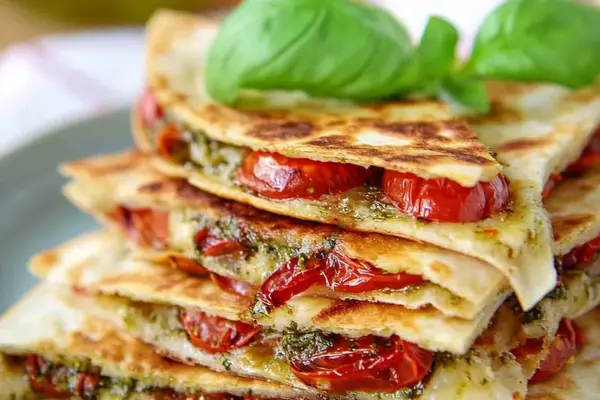
Caprese Pesto Quesadillas with Fresh Mozzarella
E
By Emma
Certified Culinary Professional
•
Recipe tested & approved
Caprese pesto quesadillas combine fresh mozzarella, sun-dried tomatoes, and basil pesto between flour tortillas. Pan-fried in vegetable oil until golden and crispy, this vegetarian quesadilla delivers Italian flavors in minutes.
Prep:
6 min
Cook:
11 min
Total:
17 min
Servings:
2 servings
Spread pesto on two tortillas, layer cheese and sun-dried tomatoes on the other two. That’s it. Seventeen minutes start to finish and you’ve got something that tastes like you actually planned it.
Why You’ll Love This Caprese Pesto Quesadilla
Takes 17 minutes total — prep and cook both. Snack that doesn’t feel like a snack.
Cheese gets soft and stretchy but holds together. Mozzarella does that weird thing where it’s almost too hot to eat but still pulls apart clean.
Uses pesto, which means you’re technically eating basil. That checks a box.
Vegetarian. Legit good. Not the sad kind of vegetarian food.
Works cold the next day if you have leftovers. Most quesadillas don’t. This one does.
What You Need for Basil Pesto Quesadillas
Four flour tortillas. Medium. Not those tiny ones.
Two tablespoons of basil pesto. The kind from a jar works fine. Don’t make it from scratch for this.
Six ounces of fresh mozzarella. Sliced thin. Not shredded — it won’t do the same thing. If you can’t find fresh mozzarella, regular mozzarella still works, but the texture changes. Not worse. Just different.
Three tablespoons of sun-dried tomatoes packed in oil. Use the oil from the jar. Don’t drain it. That’s flavor.
Two tablespoons vegetable oil total — half tablespoon per quesadilla in the pan. Olive oil burns. Vegetable oil stays calm.
How to Make Fresh Mozzarella Quesadillas
Heat the skillet over medium. Half a tablespoon of oil first. Wait until it shimmers — you’ll see it move across the pan like silk. Not smoking. Just shimmering.
Spread pesto on two tortillas. One tablespoon each. Not thick. Just a layer you can see. Put it on one side only.
Layer mozzarella on the other two tortillas. Then the sun-dried tomatoes. Don’t mix them. Tomatoes go on top of cheese. It matters for how the heat moves through it.
Cheese-side tortilla goes in the pan first, cheese facing up. Then pesto tortilla goes on top immediately, pesto side down. The pesto touches the cheese. That’s the whole move.
How to Get Caprese Quesadilla With Pesto Crispy and Gooey
Listen for the sizzle. That’s your cue. Not loud. Just present.
Two to three minutes. That’s when the bottom tortilla goes golden. The cheese underneath starts giving. You can tell because the whole thing feels less stiff when you press the edge with the spatula. Press once. Don’t keep pressing.
Flip carefully. The bottom should have color — not brown, just tan with some darker spots. Flip and the other side cooks faster. One to two minutes. Cheese is binding everything now but still slightly gooey inside. That’s the target.
Watch it. Don’t walk away. The difference between perfect and too much happens in thirty seconds.
Slide it onto a board. Slice into fourths. The cheese will stretch. Let it. If it’s leaking everywhere, it’s too hot still. Let it sit for maybe thirty seconds before cutting.
Repeat with the other two tortillas using the remaining oil. Keep the oil minimal — more oil makes it soggy, less oil makes it stick. There’s a balance and it’s boring to describe but you’ll feel it the first time.
Pesto Cheese Quesadilla Pan-Fried Tips and Common Mistakes
If mozzarella looks too wet before you build it, pat it dry with a paper towel. Fresh mozzarella can be watery. It’s fine. Just dry it.
Don’t overheat the oil. Scorched oil kills pesto. Everything tastes burnt and wrong. Medium heat is medium heat. Don’t turn it up because you’re impatient.
If cheese starts escaping out the sides, plug the gap immediately with a spatula. Hold it there for a second. It’ll seal. Sounds weird. Works every time.
Roasted red peppers work instead of sun-dried tomatoes if you want something softer and less sharp. Same amount. The flavor changes — less acidic, more sweet. Some people prefer it.
Rest the quesadilla on the cutting board for a few seconds before eating. Internal melting continues while it cools slightly. This is when everything sets properly.
Keep the heat at medium the entire time. Not medium-high. Medium. Tortillas need time to crisp and cheese needs time to soften without browning too fast.
Caprese Pesto Quesadillas with Fresh Mozzarella
Prep:
6 min
Cook:
11 min
Total:
17 min
Servings:
2 servings
Ingredients
- 4 medium flour tortillas
- 2 tablespoons vegetable oil
- 2 tablespoons basil pesto
- 6 ounces fresh mozzarella cheese, sliced
- 3 tablespoons chopped sun-dried tomatoes packed in oil
Method
- 1 Heat half tablespoon vegetable oil in a skillet over medium heat; wait till it shimmers but not smoking.
- 2 Spread 1 tablespoon pesto on two tortillas; on the other two, layer mozzarella slices, then sun-dried tomatoes evenly.
- 3 Place cheese-topped tortilla, cheese side up, into the skillet; immediately top with a pesto-coated tortilla, pesto side down.
- 4 Listen for a gentle sizzle. Cook until bottom tortilla edges turn golden and cheese feels soft—not fully runny, around 2-3 minutes.
- 5 Flip carefully with a spatula to brown the other side; this takes less time, about 1-2 minutes. Cheese should bind but still slightly gooey.
- 6 Transfer to board and slice into fourths; watch cheese stretch but not leak excessively.
- 7 Add remaining oil to skillet, repeat process with leftover tortillas. Keep oil quantity minimal to prevent soggy crust.
- 8 If mozzarella feels too wet, pat dry with paper towel before layering. Use roasted red peppers in place of sun-dried tomatoes for mellow sweetness.
- 9 Avoid overheating oil; scorched oil ruins pesto flavor. If cheese escapes, plug the gaps immediately with a spatula to keep quesadilla intact.
- 10 Rest quesadillas briefly on cutting board—melting will finish internally while cooling slightly.
Nutritional information
Calories
430
Protein
16g
Carbs
36g
Fat
22g
Frequently Asked Questions About Quesadilla Recipes
Can you make mozzarella and sun-dried tomato quesadillas ahead of time? Not really. They’re best hot. You can assemble them earlier and cook when ready. Or eat leftovers cold the next day — they’re actually good that way, which is weird but true. Just don’t hold them warm for hours.
What if the cheese doesn’t melt? Oil was too cool or heat was too low. Or you rushed it. Give it another minute and listen. If it still feels firm inside after flipping, flip back to the cheese side and keep it there longer. Trust what it feels like under the spatula, not a timer.
Is fresh mozzarella necessary? No. Regular mozzarella works. The melting is different — less stretchy, more uniform. Doesn’t matter if that’s what you have. Make it.
Can you use dried pesto or different pesto? Dried basil isn’t pesto. Sun-dried tomato pesto would be weird. Spinach pesto works. Red pesto works. Anything pesto-adjacent. The basil kind is best but it’s not a law.
Why does one side always get more golden? That side touches the hot pan longer. The second flip is shorter because the cheese is already warm. It’s fine. Both sides don’t need to look identical.
What pan works best? Cast iron or stainless steel. Non-stick sometimes sticks because mozzarella can grab it. Doesn’t really matter — any skillet you have works. Just make sure it’s big enough that the tortilla doesn’t hang off.
You’ll Love These Too
Explore all →
Bacon Wrapped Scallops with Paprika
Mini Orange Bundts with Almond Flour
Beef Burger Recipe with Chipotle Cheese
Cabbage & Hamburger Casserole with Quinoa
Egg Muffins with Spaghetti Squash
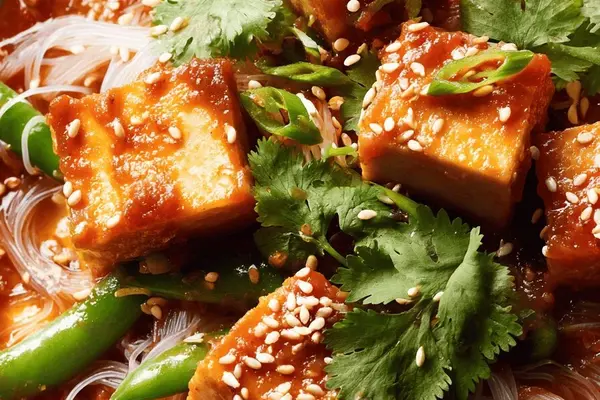
Miso Tomato Tofu Stir Fry with Snap Peas
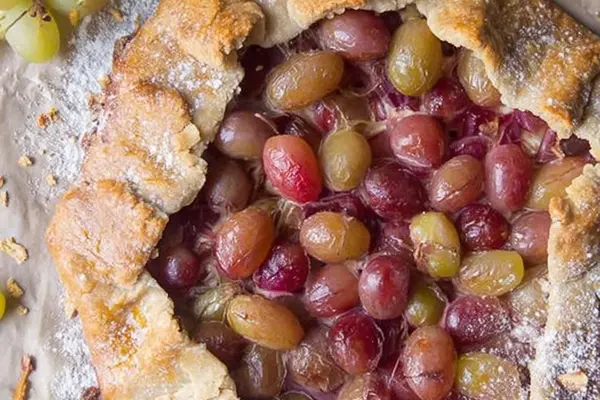
Rustic Grape Galette with Lemon & Vanilla
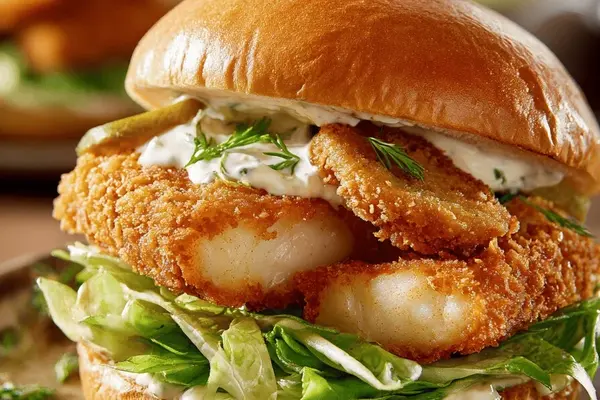
Crispy Cod Burger with Wasabi Mayo & Fried Pickles
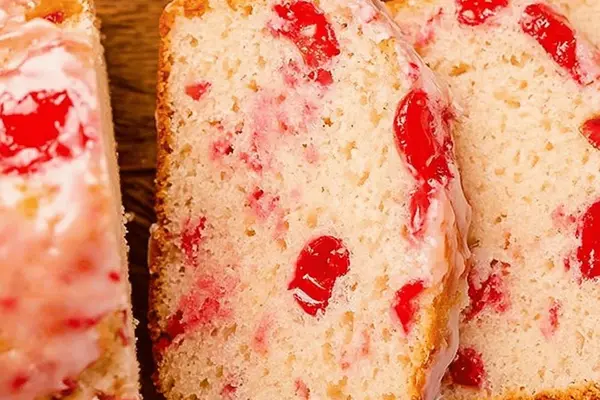
Almond and Cherry Loaf with Sour Cream
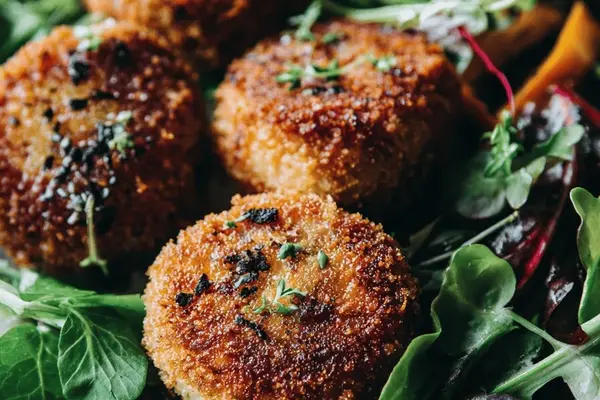
Cheese Croquettes with Ricotta and Walnuts
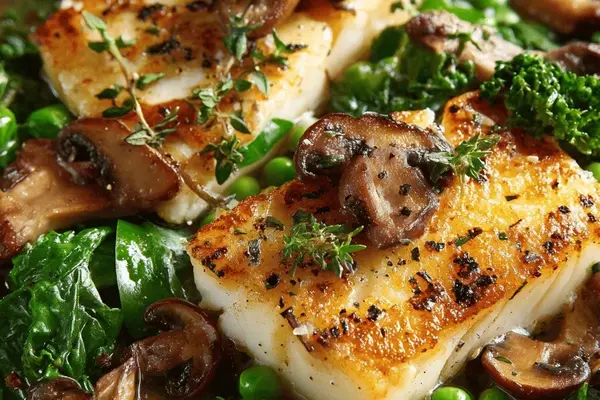
Seared Halibut with Mushrooms and Greens
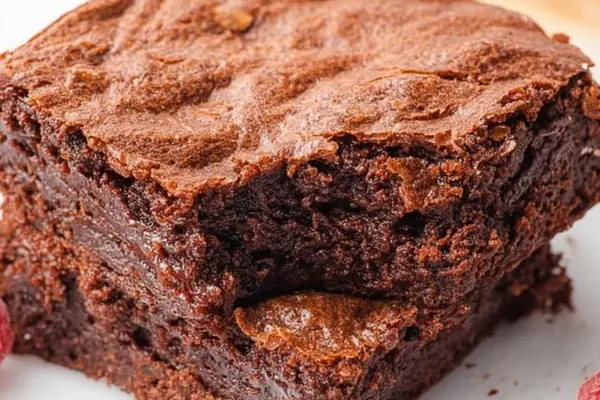
Dr Pepper Brownie Remix with Chocolate Chips
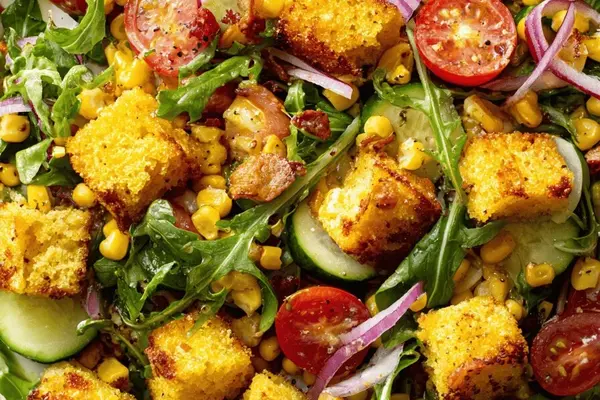
Cornbread Panzanella with Maple-Lemon Dressing
Corned Beef Cabbage Soup with Barley

Quiche Lorraine Pie with Bacon and Gruyere
Pineapple Dessert Ideas with Lime Granita
Peach Fluff Remix with Lemon Jello
Strawberry Short Cake with Mascarpone
No Churn Peppermint Ice Cream Recipe