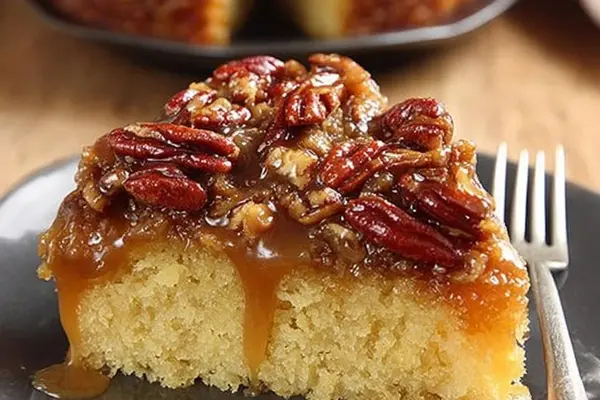
Caramel Pecan Upside Down Cake
By Emma
Certified Culinary Professional
·
Recipe tested & approved
Caramel pecan upside down cake with butter, brown sugar, and toasted pecans. Made with yellow cake mix, eggs, and water for easy baking. Flip warm to reveal glossy caramel.
Prep:
25 min
Cook:
50 min
Total:
1h 15min
Servings:
8 servings
Grab a 10-inch cast iron. You’re making this warm, sticky, nutty thing that flips. The caramel goes in first—that matters.
Why You’ll Love This Caramel Pecan Upside Down Cake
Warm dessert that feels like comfort food but comes together in 1 hour 15 minutes total. The pecan caramel topping gets glossy and sticky—pecans half-toast in the sauce so they taste like they’ve been around since breakfast. Bakes in cast iron which keeps everything warm through serving. One bowl for the batter. Not much cleanup after, mostly just the skillet. Works cold the next day too, though the edges get softer.
What You Need for Caramel Pecan Cake
Butter split two ways—3/4 cup goes in the pan with the caramel, the other 1/2 cup melts for the batter. Brown sugar packed down. Maple syrup. A pinch of kosher salt. Pecan halves—you want roughly 1 1/2 cups. They toast slightly in the caramel so they taste a bit deeper than raw. Yellow cake mix from a box. Eggs. Three of them. Water. The batter comes together fast.
How to Make Caramel Pecan Upside Down Cake
Oven goes to 320 degrees. Set a 10-inch cast iron on medium-low heat. This is the base—where everything happens first. Add 3/4 cup butter to the dry pan. Let it melt. Brown sugar goes in next. Maple syrup. The salt. Stir this constantly. You’re waiting for the sugar to dissolve into the butter and for something that looks almost liquid to happen—glossy, not grainy. Takes maybe 4 or 5 minutes of actual work.
Pecans get scattered in once the mixture starts bubbling. Keep stirring. The heat should be low enough that nothing burns but hot enough that the pecans toast slightly and the whole thing bubbles a little. You’ll smell them toasting before you see it happen. Stop when the sauce thickens and looks like something you’d pour over ice cream—that glossy stage. Pull the pan off heat immediately. Raw batter goes on top of this while it’s still hot.
How to Get the Cake Golden and Springy
Melt the remaining 1/2 cup butter separately—doesn’t matter how, just melted. In a large bowl mix melted butter plus the box of cake mix, eggs, and water. Stir briskly for about 2 minutes. Two minutes matters here—less and the batter won’t rise right. More and it gets tough. You’re looking for something that’s blended but not overworked.
Pour this batter over the caramel pecan base. Spread it smooth with a spatula or knife—cover all the nuts. Doesn’t have to be perfect. Slide the skillet into the oven. Bake 50 to 55 minutes. Watch the edges around minute 40—they brown before everything else. The cake’s done when it feels springy and the center comes back when you poke it. A toothpick test helps—a few moist crumbs are fine. Raw batter means it needs more time.
Caramel Pecan Cake Tips and Common Mistakes
Cool the cake on a wire rack for about 12 minutes. This matters. If you flip it too hot the caramel’s still bubbling and aggressive. If you wait too long it sets and won’t stick to the cake anymore. Warm but not hot is the sweet spot.
When you flip—place a large plate upside down over the skillet. Do this deliberately. The caramel will release. Some people hesitate here. Don’t. One motion, commit to it. The skillet stays hot so the underside stays soft. If a few pecans stick to the pan use a spatula to scrape them off and press them back onto the cake.
The cake’s dense. Sticky. Nutty. That’s what you want. Serve it warm with vanilla ice cream—the cold and warm contrast works. Leftovers keep loosely covered for a day or two but the crispy edges soften. Still good though. Different. Maybe better cold.
Caramel Pecan Upside Down Cake
Prep:
25 min
Cook:
50 min
Total:
1h 15min
Servings:
8 servings
Ingredients
- 1 cup unsalted butter divided
- 3/4 cup packed light brown sugar
- 3 tablespoons pure maple syrup
- 1/4 teaspoon kosher salt
- 1 1/2 cups pecan halves
- 1 box yellow cake mix
- 3 large eggs
- 1 1/4 cups water
Method
- 1 Preheat oven to 320 degrees F. Heat well-seasoned 10-inch cast iron pan over medium-low until butter melts and sugar dissolves in it with maple syrup, salt, and pecans. Stir frequently. Once caramel bubbles and pecans start to toast, remove from heat. You want glossy sauce that’s thickened but not burnt.
- 2 Melt remaining 1/2 cup butter separately. In large bowl mix melted butter, cake mix, eggs, and water briskly for about 2 minutes—too short and batter won’t rise right, too long and it gets tough. Pour batter evenly atop caramel pecan base, look for smooth spread covering all nuts. Slide skillet in oven and bake 50-55 minutes. Watch edges—they darken first. Cake should feel springy and golden, test center with toothpick; a few moist crumbs ok, raw batter no.
- 3 Cool cake about 12 minutes on wire rack. When still warm but not hot, place large plate over skillet and flip quickly but careful—skillet retains heat and caramel sauce bubbles. Pudgy sticky pecans coat top now. Use spatula for any lost nuts from skillet. Best served warm with vanilla ice cream. Cake texture dense, sticky, nutty. Will keep loosely covered day or two but loses crisp edges.
Nutritional information
Calories
490
Protein
4g
Carbs
55g
Fat
30g
Frequently Asked Questions About Pecan Caramel Upside Down Cake
Can I use a regular cake mix flavor instead of yellow? Yeah. The caramel pecan top is what matters. Chocolate would work. Vanilla would work. Haven’t tried funfetti but it probably fine.
What if the caramel hardens before I pour the batter on? If the pan sits too long the caramel sets. Reheat it over low heat for a minute. Just needs to be pourable again. Don’t let it bubble hard or the pecans will toast too much.
Do I have to use cast iron? Cast iron keeps heat better so the bottom stays sticky longer. A regular 9 or 10-inch baking pan works but the cake won’t stay warm as long after it bakes. The flip is trickier without the weight too.
How do I know when it’s actually done baking? Springy when you press the top. Toothpick test—center should have a few moist crumbs but no wet batter. If it jiggles at all give it 3 more minutes.
Can I make the caramel ahead? Not really. Caramel sets as it cools. You want it hot and pourable when the batter goes on. Prep everything else ahead but do the caramel right before you pour the batter.
What’s the difference between this and a regular upside down cake? The maple syrup and the salt. They make the caramel taste less one-note. The pecans toast in the sauce instead of just sitting there. It tastes warmer somehow.
You’ll Love These Too
Explore all →
Green Salad Recipe with Asparagus & Roasted Shallots

Beer Battered Fish Recipe with Cod

Tteokbokki Recipe with Pork and Gochujang
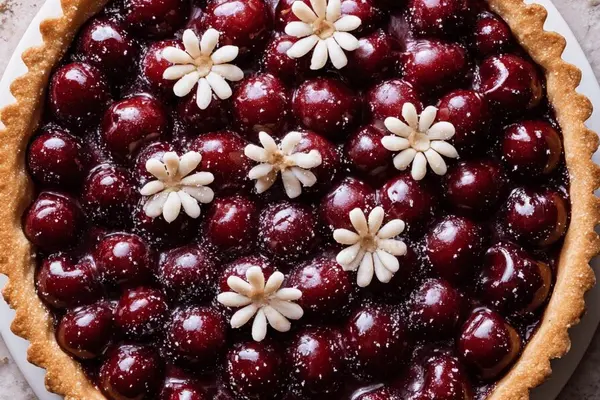
Cherry Pie with Yogurt Crust Recipe
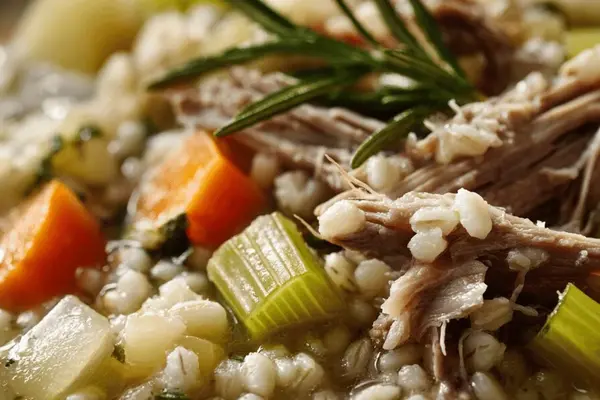
Barley Duck Confit Soup with Leeks
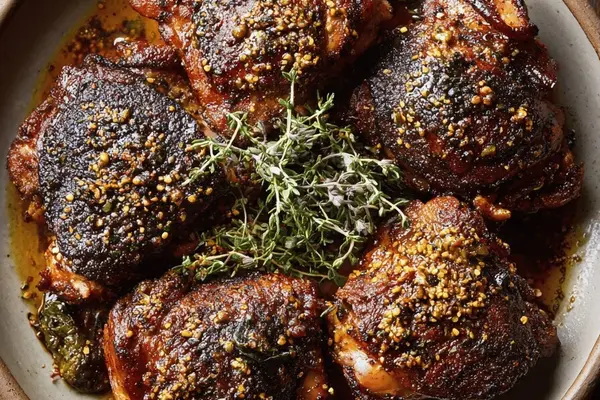
Turkey Thigh Recipes with Spiced Salt Rub

Creamy Chili Crab Pasta with Lemon
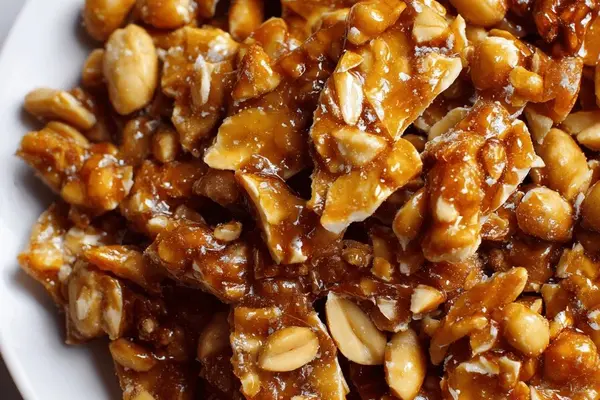
Crunchy Peanut Brittle with Maple Syrup

Sloppy Joe Garlic Bread with Melted Colby Jack
Cheeseburger Sliders with Sharp Cheddar
Homemade Apple Pie with Lattice Crust
Cheesy Veggie Beef Bake with Onion Rings
Spice and Hot Chocolate with Cinnamon
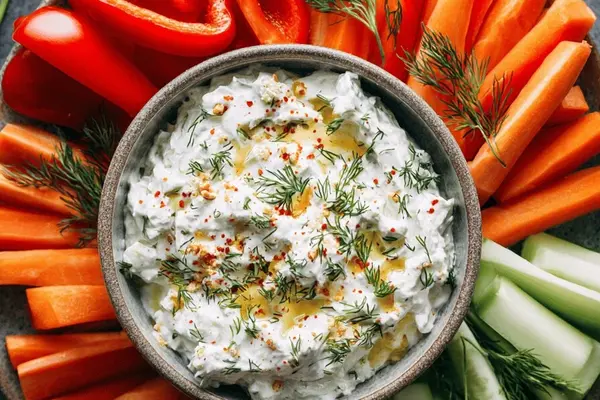
Herb Goat Cheese Dip with Greek Yogurt
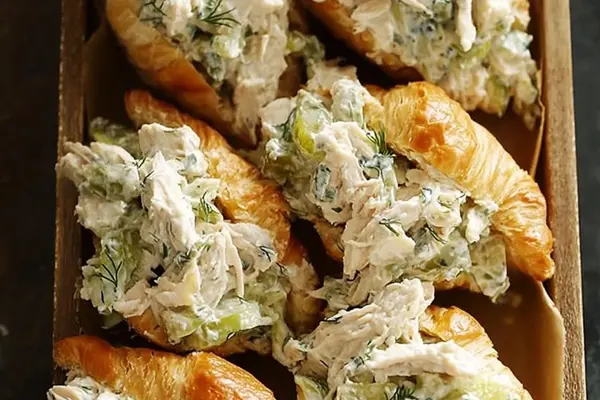
Chicken Salad Chick with Pepperoncini
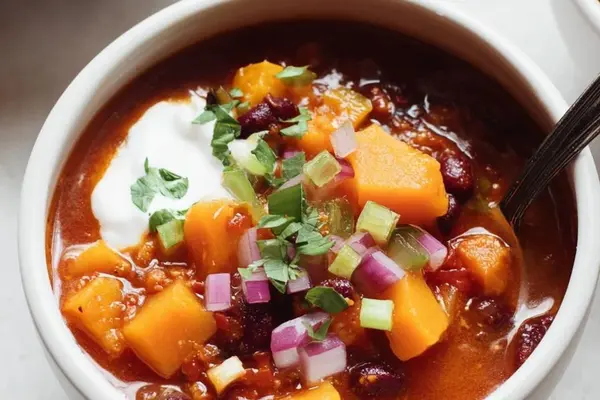
Turkey Chili Recipe with Butternut Squash

Sausage Balls Recipe with Cream Cheese
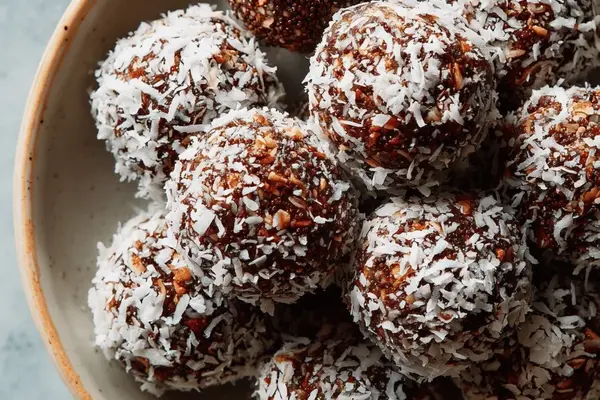
Oatmeal Peanut Butter Balls

Shrimp Toasts with Guacamole & Crispy Tortillas