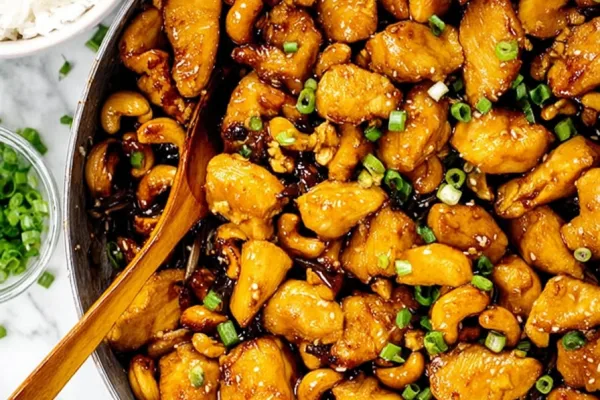
Cashew Chicken Stir Fry
By Emma
Certified Culinary Professional
·
Recipe tested & approved
Cashew Chicken Stir Fry combines tender chicken pieces with crunchy cashews in a savory sauce made from soy, hoisin, and ginger. Ready in 30 minutes, it’s a quick dish packed with flavor and texture.
Prep:
10 min
Cook:
20 min
Total:
30 min
Servings:
4 servings
I keep making this cashew chicken stir fry because it’s faster than ordering takeout and honestly tastes better. The cornstarch trick gives you that restaurant-style crispy coating without deep frying, and the hoisin sauce mixed with ginger creates this sticky glaze that’s sweet but not cloying.
Why You’ll Love This Recipe
- Ready in 30 minutes, start to finish
- The chicken gets genuinely crispy from the cornstarch shake, not soggy like most stir fry recipes that just toss raw chicken in the pan
- Cashews toast in the hot skillet and pick up all the flavors from the sauce
- You probably have most of these ingredients already
- The sauce thickens on its own without extra cornstarch slurry at the end, which I didn’t expect the first time
- It reheats surprisingly well the next day
The Story Behind This Recipe
I got tired of spending $15 on mediocre cashew chicken from the place down the street. Last Tuesday I had chicken thighs in the fridge and a jar of hoisin sauce I bought for something else months ago, so I figured I’d try making stir fry chicken myself.
Turns out the cornstarch bag method is way easier than trying to coat each piece individually with your fingers getting all sticky. The sound thing is real too—when the chicken stops that aggressive sizzling and shifts to a quieter sound, that’s when you know the crust has set and it’s actually done. I burned the first batch a little because I wasn’t paying attention, but the second round came out right.
What You Need
You need 1 pound of boneless skinless chicken pieces. Thighs work better than breasts because they don’t dry out, but I’ve used both and breasts are fine if that’s what you have.
3 tablespoons of cornstarch goes in the bag with the chicken. Don’t use flour—it doesn’t crisp up the same way and you’ll end up with a gummy coating instead of that crunchy shell.
For the sauce you’re mixing 3 tablespoons soy sauce with ½ cup chicken broth, 2 tablespoons brown sugar, 1 tablespoon dry sherry and 1 tablespoon hoisin sauce. The sherry adds this depth that’s hard to describe but you notice when it’s missing. I skipped it once and the sauce tasted flat.
2 cloves of minced garlic and 1 teaspoon grated ginger go in there too, along with 1 teaspoon sesame oil and ¼ teaspoon red pepper flakes. The sesame oil smell is what makes it smell like takeout.
You’ll need 1 cup of chopped green onions total but you’re splitting it—¾ cup goes into the sauce and ¼ cup you save for the end. 4 tablespoons peanut oil for frying because it can take the high heat without smoking. 1 cup cashews that’ll toast right in the pan with everything else.
How to Make Cashew Chicken Stir Fry
Drop your chicken pieces and the cornstarch into a large zip-top bag. Seal it and shake hard until every piece looks like it rolled through dust. The coating should be thin and even—if you see clumps just shake more.
Get a small bowl and whisk together the soy sauce, chicken broth, brown sugar, dry sherry, hoisin sauce, garlic, ginger, sesame oil, red pepper flakes and ¾ cup of those chopped green onions. Set it next to the stove because once you start cooking you won’t have time to mix it later. Keep that ¼ cup of green onions separate in a little pile.
Heat 2 tablespoons of the peanut oil in your largest skillet on medium-high. Wait until the oil looks wavy and starts giving off that warm nutty smell before you add anything. Add half the chicken—don’t dump it all in or the temperature drops and you get steamed chicken instead of crispy.
Let it sit there. Don’t touch it for at least 3 minutes. The temptation to poke at it is real but you need to let the crust form. Flip when the edges look set and starting to color, then keep flipping every couple minutes until all sides hit that brown stage. Takes about 5 to 7 minutes total. The aggressive sizzle will quiet down to almost nothing when it’s actually done—that’s your cue. Pull it out onto a plate.
Add the other 2 tablespoons of oil if the pan looks dry. Second batch of chicken goes in the same way. Same patience required. Brown it on all sides until it’s cooked through and making that quieter sound.
Toss all the cooked chicken back in along with the cashews. They’ll start smelling toasted almost immediately from the hot pan—that’s the oils releasing. Pour your sauce over everything and start stirring. It’ll bubble up fast and the liquid will reduce while you keep everything moving. 3 to 5 minutes and the sauce goes from thin to sticky. The chicken and cashews should look glazed, not swimming in liquid. If you stop stirring the sugar in the sauce will catch on the bottom.
Throw those reserved green onions on top. They stay bright green and add a sharp bite that cuts through all that richness from the hoisin chicken recipe.
What I Did Wrong the First Time
I crowded the pan with all the chicken at once because I was impatient and didn’t want to dirty a plate for the first batch. Everything steamed instead of crisped and the cornstarch coating turned to paste. The chicken was cooked but it looked gray and sad, nothing like what I was going for. Now I always cook in two batches even though it adds 7 minutes, because soggy stir fry chicken isn’t worth eating and you can’t fix it after.
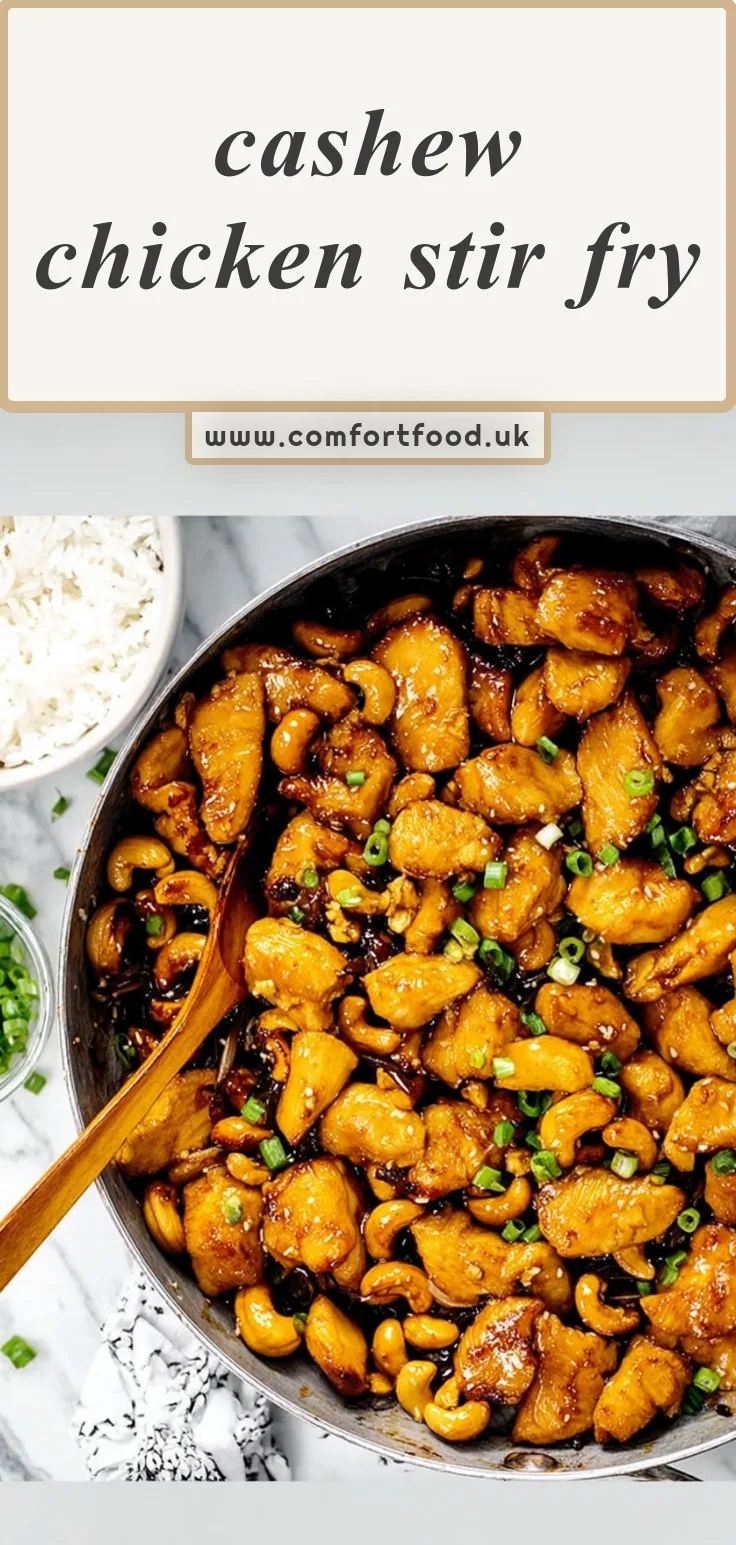
Cashew Chicken Stir Fry
Prep:
10 min
Cook:
20 min
Total:
30 min
Servings:
4 servings
Ingredients
- 1 pound boneless skinless chicken pieces
- 3 tablespoons cornstarch
- 3 tablespoons soy sauce
- ½ cup chicken broth
- 2 tablespoons brown sugar
- 1 tablespoon dry sherry
- 1 tablespoon hoisin sauce
- 2 cloves garlic, minced
- 1 teaspoon grated ginger
- 1 teaspoon sesame oil
- ¼ teaspoon red pepper flakes
- 1 cup chopped green onions, divided
- 4 tablespoons peanut oil
- 1 cup cashews
Method
- 1 Toss the chicken pieces and cornstarch together inside a large zip-top bag. Shake vigorously until each piece is coated with a fine, even layer. This coating is going to give the chicken that essential crunchy edge when frying.
- 2 Whisk together in a small bowl the soy sauce, chicken broth, brown sugar, dry sherry, hoisin sauce, garlic, ginger, sesame oil, red pepper flakes, and ¾ cup of chopped green onions. Set this aromatic sauce aside while you cook the chicken. Reserve ¼ cup of green onions for garnish.
- 3 Heat 2 tablespoons of peanut oil in a large skillet over medium-high heat. Once the oil starts to shimmer and smell nutty, add half of the coated chicken pieces. Don’t crowd the pan; you want that satisfying sizzle and enough space for golden crust to develop.
- 4 Let the chicken cook undisturbed for 5 to 7 minutes, flipping as needed, until every side is golden brown and the chicken feels firm to the touch. The sound will change from intense sizzling to a more subtle crackle when ready. Remove the cooked chicken to a plate.
- 5 Add the remaining 2 tablespoons of peanut oil if necessary before placing the second batch of chicken in the skillet. Repeat the cooking process until the rest of the pieces are browned and cooked through with that distinct crunch.
- 6 Return all cooked chicken and the cashews to the skillet. The cashews will toast slightly in the residual heat, releasing their toasted aroma and adding texture complexity.
- 7 Pour the reserved sauce over everything, stirring frequently for 3 to 5 minutes. The sauce will bubble and thicken, coating each piece with a glossy, sticky finish. Keep it moving so the bottom doesn’t scorch and the sauce clings evenly.
- 8 Finish by sprinkling the reserved chopped green onions over the top, adding a fresh pop of color and a mild sharpness to balance the richness.
Nutritional information
Calories
377
Protein
35g
Carbs
31g
Fat
11g
Tips for the Best Cashew Chicken Stir Fry
Cut your chicken into pieces that are roughly the same size. Otherwise the smaller ones finish before the bigger ones even get a crust, and you’re left guessing what’s actually done.
The cornstarch needs to stick to slightly damp chicken. If you pat the pieces completely dry before bagging them the coating slides right off when it hits the oil. I learned that when half my crust ended up floating in the pan instead of on the meat.
Your skillet matters more than you’d think. A thin cheap pan loses heat the second you add cold chicken, and then you’re basically boiling it in oil instead of frying. Heavy bottomed or cast iron holds the temperature steady.
When you pour the sauce in it’s going to steam up fast and smell intense from the hoisin chicken recipe hitting the hot metal. Don’t step back or reduce the heat—that steam means it’s working. Just keep your face out of the initial cloud and keep stirring.
The cashews will go from raw to toasted to burned in about 90 seconds once that sauce reduces. Watch them. If they start smelling bitter instead of nutty you’ve gone too far and there’s no coming back.
Serving Ideas
I put this over plain white rice most of the time because the sauce is enough flavor on its own. Jasmine rice works better than long grain if you’ve got it—the texture soaks up the glaze without getting mushy.
Steamed broccoli on the side adds something green without competing with the cashew chicken. I just microwave frozen florets for 3 minutes and call it done.
Sometimes I’ll throw in snow peas during the last minute of cooking, right when the sauce is almost thick enough. They stay crunchy and pick up the ginger flavor but don’t need their own pan.
Fried rice made from yesterday’s leftovers underneath this turns it into a one-bowl situation. The sauce drips down into the rice and everything becomes part of the same thing.
Variations
Swap chicken for shrimp and cut the cooking time in half. Shrimp only needs about 2 minutes per side before it curls up and turns opaque, and the cornstarch crust still works. You’ll use all the oil in one batch instead of two.
Almonds or peanuts instead of cashews change the texture but not in a bad way. Almonds stay crunchier even after they sit in the sauce, and peanuts add more oil which makes everything richer. I don’t love it as much but it’s fine in a pinch.
Skip the sherry and add a tablespoon of rice vinegar instead. The sauce gets sharper and less sweet, which I actually preferred when I accidentally did it. The vinegar cuts through the hoisin in a way sherry doesn’t.
If you want more vegetables throw in sliced bell peppers or snap peas with the second batch of chicken. They’ll cook in the time it takes the stir fry chicken to brown, and the peppers get a little charred on the edges which adds a smoky thing. Just don’t add them earlier or they turn to mush.
FAQ
Can I use chicken breasts instead of thighs for cashew chicken? Yeah they work fine, just watch them closer because they dry out faster. I’d cut them into smaller pieces than you would thighs so they cook through before the outside burns. The cornstarch helps keep moisture in but breasts are less forgiving.
What if I don’t have peanut oil? Vegetable oil or canola oil both handle high heat without smoking. The nutty smell won’t be there but the chicken will still crisp up. Don’t use olive oil—it can’t take the temperature and you’ll end up with a burnt smell that gets into everything.
How do I know when the chicken is actually done inside? The sound shift is the easiest tell but if you’re nervous just cut into the thickest piece. No pink inside and the juices run clear means it’s cooked. The cornstarch crust can brown before the inside finishes so don’t rely on color alone.
Can I make the sauce ahead of time? Mix it the night before and keep it in the fridge. The garlic and ginger flavors actually get stronger sitting overnight which isn’t a bad thing. Just whisk it again before you pour it in because the cornstarch in the hoisin sauce settles to the bottom.
Do I have to use a zip-top bag for the cornstarch coating? A bowl works but you’ll get uneven coverage and your hands get sticky. The bag method shakes everything around so each piece gets coated without you touching it. I’ve tried both ways and the bag is worth the extra piece of plastic.
Why does my sauce stay watery instead of thickening? Either your heat is too low or you’re not cooking it long enough. It needs to actually bubble and reduce for the full 3 to 5 minutes. If you added too much chicken broth by accident it’ll take longer—just keep stirring until it coats the back of a spoon.
Can I use raw cashews or do they need to be roasted already? Raw cashews toast right in the hot pan when you add them with the cooked chicken. Don’t use the salted roasted kind from the snack aisle because the extra salt throws off the whole balance and you can’t fix it after.
What if I don’t have dry sherry? Rice wine or even a dry white wine works. The sherry adds depth but it’s not the main flavor—you’re looking for something that’s not sweet to balance the brown sugar and hoisin. I wouldn’t skip it entirely because the sauce tastes flat, but the substitute options are pretty flexible.
How long does cashew chicken stir fry last in the fridge? 3 days in an airtight container. The chicken stays surprisingly crispy even after reheating if you use a skillet instead of the microwave. The cashews soften up no matter what you do but they still taste good, just chewier.
Can I freeze this? The texture changes too much. The cornstarch coating gets soggy when it thaws and the cashews turn weird and rubbery. If you’re going to freeze something make it a different recipe—this one is better eaten fresh or as next-day leftovers.
What’s the best way to reheat leftovers? Skillet over medium heat with a tiny splash of water to loosen the sauce. Microwave makes everything soggy and the chicken loses that crust you worked for. Takes 4 minutes in the pan and it actually tastes like food again instead of mush.
Do I really need to cook the chicken in two batches? Yes unless your skillet is huge. Crowding drops the temperature and you get steamed chicken with a gummy coating. The 7 extra minutes is worth it—I tried shortcuts and regretted it every time.
Can I add more vegetables to this recipe? Sure but add them at the right time. Hard vegetables like carrots need to go in with the first batch of chicken. Softer stuff like mushrooms or zucchini goes in the last 3 minutes or they’ll turn to mush while the sauce reduces.
Why do my cashews burn? You’re adding them too early or your heat is too high at the end. They should go in right before the sauce, and once that sauce starts bubbling you need to keep everything moving. Cashews go from toasted to bitter in less than 2 minutes when they’re sitting in hot liquid.
What if my cornstarch coating falls off in the pan? Your oil probably wasn’t hot enough when you added the chicken. If the oil isn’t shimmering and giving off that warm smell the coating just slides off instead of setting into a crust. Wait longer before you add anything.
Can I double this recipe? You’ll need to cook the chicken in 4 batches instead of 2 unless you have two large skillets going at once. The sauce doubles fine but make sure your pan is big enough to hold everything at the end or it won’t reduce properly.
You’ll Love These Too
Explore all →
Sauteed Vegetables with Tofu and Almonds
Potato Chip Chocolate Chip Cookies
No Bake Cheesecake with Chocolate Ganache
Caramel Desserts with Maple Syrup
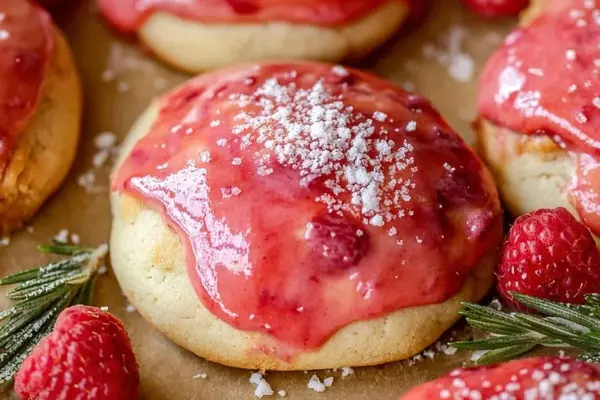
Raspberry Cheesecake Cookies with Milk Chocolate
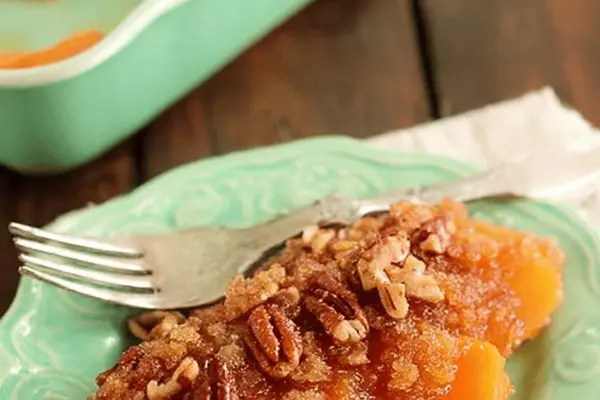
Candied Sweet Potatoes With Pecans
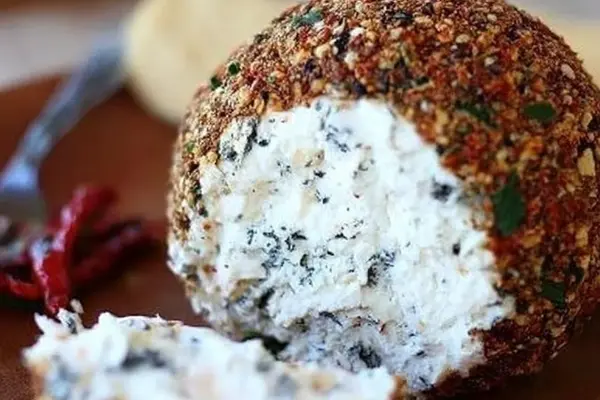
Peppery Ranch Cheeseball with Cream Cheese
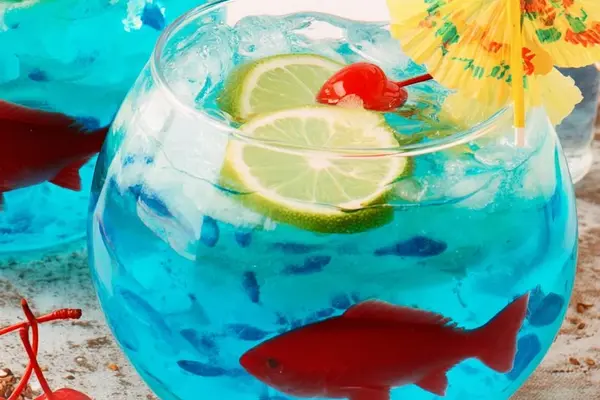
Blue Lagoon Cocktail Recipe
Chocolate Brownies with Espresso and Mini Chips
Beer Battered Onion Rings with Pale Ale
Maple Glazed Tofu with Crispy Cornstarch
Broccoli Bacon Quiche with Feta & Nutmeg
Fried Cashew Recipe with Smoked Paprika
White Chocolate Cold Brew Coffee Recipe
Buttermilk Pie Recipe with Eggs & Vanilla
Oven Roasted Corn with Fresh Basil
Slow Cooker Cranberry Meatballs Recipe
Peach Gelatin Whip Pie No-Bake Recipe
Sweet Potato Soup with Turmeric Ginger