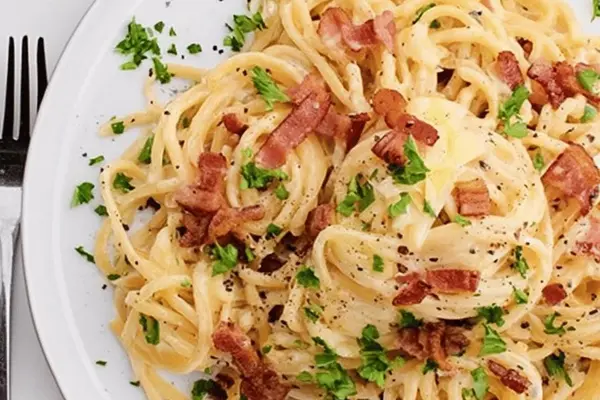
Cheesy Garlic Bread with Cream Cheese

By Emma
Certified Culinary Professional
·
Recipe tested & approved
Cut thick slices. Spread a mix that’s basically butter, two cheeses, and roasted garlic mashed into submission. Bake at 390 for less than 20 minutes. That’s it.
Why You’ll Love This Cheesy Garlic Bread Upgrade
Takes 23 minutes total — 6 minutes of actual work, then oven does the rest. Pepper jack gives it heat instead of just sitting there tasting like nothing. Works cold the next day, tastes almost better. Not sure why.
Crowd pleaser. Like, actually. Put it on a table at a party and watch it disappear before anything else. Cream cheese in the butter sounds weird but it’s what makes the spread cling to the bread instead of sliding off into the pan. No lumps, no grittiness.
You can make it an hour ahead. Just cover it and leave it on the counter. Bake whenever.
What You Need for Roasted Garlic Mozzarella Bread
Softened butter and cream cheese. Not cold. Room temp. Mix those until fluffy — actually fluffy, not just combined. Mozzarella and pepper jack. Shredded. Not pre-shredded from a bag if you can help it. Fresh parsley. Roasted garlic mashed into paste. If you don’t have roasted garlic hanging around, garlic powder works. One teaspoon. Don’t oversell it — powder is stronger.
Rustic Italian bread or sourdough. Thick slices. Like half an inch or more. Thin bread just gets hard. Flaky sea salt at the end. Not regular salt. Flaky salt adds crunch and doesn’t disappear into the cheese.
That’s genuinely all of it.
How to Make Garlic Bread with Pepper Jack Cheese
Set the oven to 390. Not 400. Lower temp means the cheese gets melty and bubbly without the bread edges going dark and bitter before the inside even warms up. Takes about 17 minutes. Maybe 12 if your oven runs hot.
Cream the softened butter and cream cheese together. Use a mixer if you have one — stand mixer, handheld, doesn’t matter. You want it actually fluffy. Takes a minute or two. Lumps are bad. They won’t melt smooth.
Add the mozzarella, pepper jack, mashed roasted garlic, and parsley. Stir until it’s just combined. Stop there. Overmixing bruises the cheese and it starts separating into a greasy mess. You’re not making frosting for a cake. You just want everything distributed.
How to Get Cheesy Garlic Bread Appetizer Crispy
Spread it thick on each bread slice. Think about buttercream frosting thickness. Enough that it saturates the bread but doesn’t glob off when you pick it up. It’ll spread a tiny bit when it hits the heat anyway.
Line up the slices on a rimmed baking sheet. No parchment paper. You want the undersides touching the hot pan so they crisp up. The cheese side faces up. Bake for 12 to 17 minutes but watch it instead of timing it. When the cheese is bubbling, the edges shimmer golden, and the bread bottom is crispy when you peek underneath — done.
Pull it out. Sprinkle flaky sea salt right on top while it’s still hot. That pop of salt and crunch matters. Let it sit for a few minutes. The cheese firms up enough that you can actually cut it clean and it doesn’t fall apart.
Party Bread Tips and Common Mistakes
Don’t use cold butter and cream cheese. They’ll chunk up and never get smooth. Twenty minutes at room temp. Just sits there.
The oven temp matters because 400 will burn your edges while waiting for the inside to melt. 390 is deliberately lower. Works.
Overmixing the cheese mixture is the main thing people get wrong. You’re not trying to whip it into mousse. Stir until you can’t see separated ingredients anymore. That’s it.
Don’t bother with pre-shredded cheese from a bag if you can help it. It has powder on it that keeps it from melting smooth. Shred your own or buy the block and ask the deli counter. Takes five minutes.
Pepper jack vs monterey jack — pepper jack has actual heat. Monterey Jack is mild and kind of forgettable. If your crowd likes spice, pepper jack wins. If you’re feeding kids or people who hate heat, monterey jack works fine.
Cheesy Garlic Bread with Cream Cheese
Prep:
6 min
Cook:
17 min
Total:
23 min
Servings:
8 servings
Ingredients
- 1/3 cup unsalted butter softened at room temperature
- 3 ounces cream cheese softened (sub Greek yogurt for lighter twist)
- 1 cup shredded mozzarella cheese
- 1 cup shredded pepper jack cheese (swap with monterey jack if no spice)
- 1 head roasted garlic cloves mashed (alternative: garlic powder 1 tsp if pressed for time)
- 2 tablespoons chopped fresh parsley
- 1 rustic Italian or sourdough loaf sliced thickly
- Pinch flaky sea salt for finishing
Method
- 1 Preheat oven to 390°F instead of 400, lowers risk of burning while melting buttery mix.
- 2 In a stand or handheld mixer, cream butter and cream cheese until visibly fluffy; this ensures even spreadability and no lumps.
- 3 Add shredded mozz, pepper jack, roasted garlic mashed fine, and parsley. Mix just until combined. Overmixing bruises cheese texture and invites oily separation.
- 4 Spread a thick layer onto each bread slice. Think of buttercream frosting — enough to saturate but not drip.
- 5 Place slices on a rimmed sheet to catch oozing cheese and drips. No parchment; you want direct heat for crisp underside.
- 6 Bake 12-17 minutes but focus on visual cues. When cheese bubbles, edges shimmer golden and bread crust crisps slightly underneath, done.
- 7 Pull from oven. Immediately sprinkle flaky sea salt, the pop adds contrast and crunch. Let rest a few minutes — cheese firms, easier to cut.
- 8 Slice into fingers or cubes for sharing or spooning up with other dishes.
Nutritional information
Calories
280
Protein
9g
Carbs
15g
Fat
22g
Frequently Asked Questions About Cheesy Garlic Bread for Parties
Can I make this ahead? Yeah. Spread it on the bread, cover it with plastic wrap, leave it on the counter for a few hours. Bake whenever you need it. Might take an extra minute or two if it’s been sitting cold.
What if I don’t have roasted garlic? Garlic powder. One teaspoon. Seriously. Fresh is better but powder works. Don’t use jarred minced garlic — it’s too wet and the flavor gets weird.
Can I use a different cheese? Sure. Cheddar, gruyere, provolone — whatever. Pepper jack is the move here though. It’s why this tastes different from the same old garlic bread.
Does it reheat? Cold it’s fine. Reheat in a 300 oven for like 5 minutes and the cheese goes soft again. Toaster oven works too. Microwave makes it rubbery. Don’t.
Can I use Greek yogurt instead of cream cheese? Yeah. Use the same amount. It’s a tiny bit tangier but it works. Helps if you’re cutting calories or whatever. The spread won’t be quite as rich but it still melts.
Why no parchment paper? Because you want the bottom crispy, and parchment keeps the heat from getting there. The cheese drips a bit but it’s fine. Catches in the pan, maybe makes a mess, cleans up easy.
You’ll Love These Too
Explore all →
Christmas Cocktails with Melon Liqueur
Brownie In A Jar Recipe With Cranberries
Eggless Chocolate Cookie Dough Recipe

Pecan Pretzel Rolo - Homemade Caramel Chocolate
Cheesy Scalloped Potatoes with Cheddar
Slow Cooker Meatloaf with Panko and Worcestershire
Butternut Pumpkin Pasta Sauce with Sage
Cranberry Meringue Wreath with Orange Spice
Cinnamon Rolls with Cherry Preserves & Cream Cheese
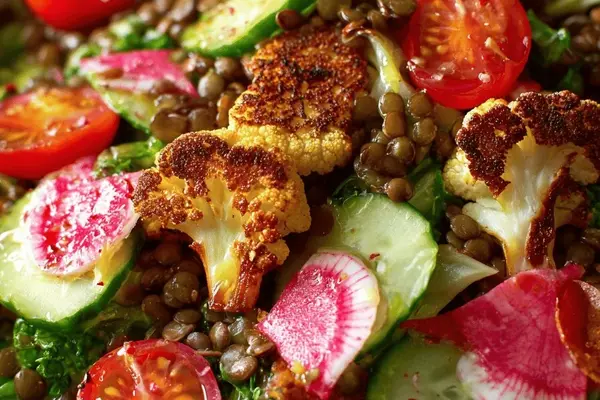
Fattoush Salad with Green Lentils
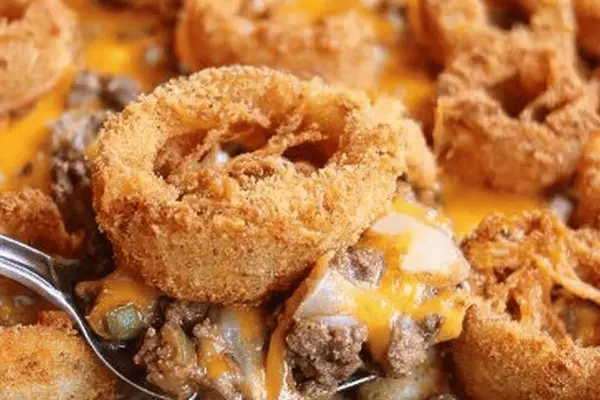
Cheesy Veggie Beef Bake with Onion Rings
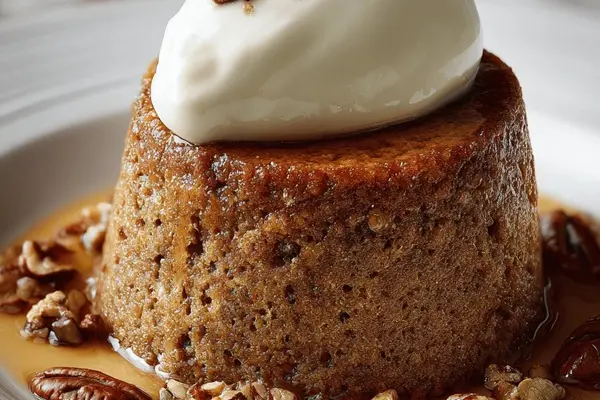
Maple Slow Cooker Pudding with Bourbon
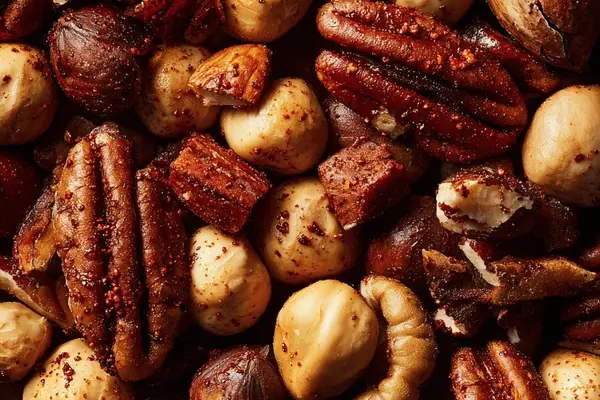
Microwave Toasted Nuts with Smoked Paprika

Cabbage Beet Soup with Caramelized Onions
Slow Cooker Chicken Curry with Coconut Milk
Salmon Sweet Potato Bowls with Quinoa
Zucchini Parmesan Recipes with Garlic
Bucatini All Amatriciana with Guanciale
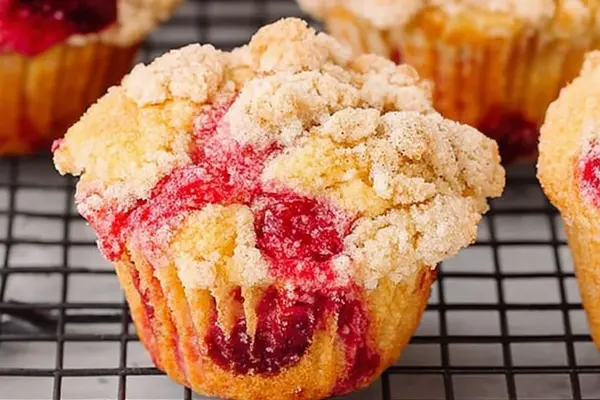
Cherry Cobbler Muffins with Cinnamon Streusel