Cheesy Mashed Potatoes with Smoked Gouda
By Emma
Certified Culinary Professional
·
Recipe tested & approved
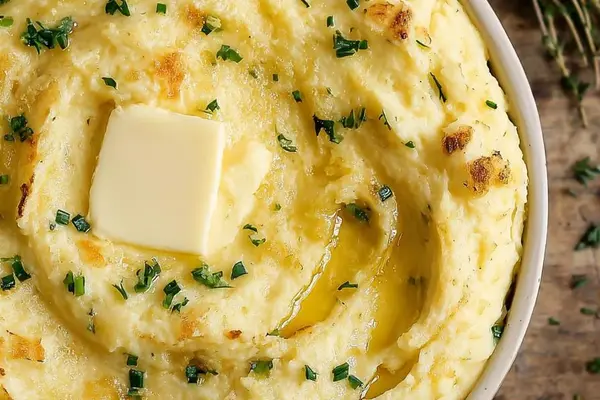
Creamy mashed potatoes made with Yukon Gold, smoked gouda, and a rich béchamel sauce. Fresh chives add brightness to this comforting side dish.
Prep:
25 min
Cook:
25 min
Total:
50 min
Servings:
6 servings
Cube the potatoes first—cold water, not hot. Rinse them twice, maybe three times. The starch slides off and what’s left gets actual texture instead of gluey mush. Takes 25 minutes prep and another 25 to cook. Fifty minutes total if you move steady. Not fast, but not slow either.
Why You’ll Love This Creamy Potato Side Dish
Tastes like someone actually cared. Not a boxed mix situation. Real smoked gouda underneath makes it taste like something happened to it—like it sat in a smoker for a minute before landing on your plate.
Comfort food. That’s the point. One bowl, one spoon, done.
Works cold the next day too. Not as good, but fine.
No weird ingredients hiding in the back of your cabinet. Butter. Cream. Cheese. Salt. Done. Everything’s probably in your kitchen right now.
Vegetarian and doesn’t pretend to be something it’s not. Just potatoes, cheese, cream. Honest.
What You Need for Mashed Potatoes With Cheese
Two pounds of Yukon Gold—not russets. Yukon golds stay smooth. Russets get mealy and weird. The difference is real.
Kosher salt. Generous pinches. This goes in the water where the potatoes cook, not just at the end. Season from the inside out.
Three tablespoons unsalted butter and two tablespoons flour—these make the béchamel base. The flour cooks out the raw taste. Takes maybe 90 seconds. Smell changes from chalky to nutty and you’re done.
A cup of heavy cream and three-quarters cup whole milk. Both matter. Cream alone gets too thick and sits weird. Milk alone tastes thin. Together they work.
Smoked gouda. One cup grated. Not regular gouda—smoked. The difference is the whole point. That dark, faintly hickory thing that sneaks underneath every bite.
Fresh chives chopped up for the top. White pepper too—doesn’t look like anything but it tastes different than black. Subtle lift.
How to Make Cheesy Mashed Potatoes
Start with cold water in a pot—cover the cubed potatoes by about an inch. Rinse them three times. The water should go from milky white to mostly clear. This part actually matters, not just something people say.
Salt the water. Kosher salt, hefty pinch. Don’t be timid. The potatoes need it from the start or they’re underseasoned forever.
Heat medium-high until it’s boiling hard. Then drop it back to medium so it’s a gentle rolling thing—not violent. Listen for the subtle bubbling. That’s the sound of them getting tender.
Twelve to eighteen minutes. Poke one with a fork. If it slides off easy without fighting you, they’re done. If it’s still firm, give it another few minutes.
While they cook, make the béchamel. Medium heat. Melt the butter. Add flour and whisk constantly. One to one-and-a-half minutes. The flour flavor disappears and you smell something almost nutty.
Drizzle the cream and milk in slowly. Keep whisking. This part stops lumps from forming. If you dump it all at once you get grit. Nobody wants grit.
Let it bubble gently for about five minutes. It thickens into something that coats the back of a spoon. Stir in the smoked gouda and whisk until smooth. That smoky layer goes underneath everything.
Drain the potatoes. Rinse them under hot water for a minute. This knocks off excess starch. Then put them back in the empty pot for a minute to steam-dry. This stops the mash from being watery and weird.
How to Get Smoked Gouda Mashed Potatoes Creamy and Light
Push them through a ricer if you have one. Straight into the pot. That’s the secret—air. Soft texture. If you don’t have a ricer, a masher works but be gentle about it. The point is fluffy, not dense paste.
Fold in the béchamel slowly. Not all at once. Fold. Taste. Add more if it needs it. You’re looking for that creamy thing without it being soup.
Season now. Salt. White pepper. Taste again. Better to underseason and add more than wreck it with too much salt at the end—you can’t take it back.
If it still feels thick and stodgy, warm a few tablespoons of milk and add it slowly while folding. Don’t overshoot. Better to keep control. Add less, fold, taste. Add more. Takes thirty seconds.
Top with chives right before serving. The green and the smoke and the herb all hit at once. Serve immediately. Hot. That’s the whole thing.
Cheesy Mashed Potatoes with Smoked Gouda
Prep:
25 min
Cook:
25 min
Total:
50 min
Servings:
6 servings
Ingredients
- 2 pounds Yukon Gold potatoes, peeled and cubed
- Generous pinch kosher salt, plus more for seasoning
- 3 tablespoons unsalted butter
- 2 tablespoons all-purpose flour
- 1 cup heavy cream
- ¾ cup whole milk
- 1 cup grated smoked gouda cheese
- Fresh chives, chopped, for garnish
- White pepper to taste
Method
- 1 Add cubed potatoes to a large pot of cold water. Rinse the potatoes two or three times until water is mostly clear. This rinse helps get rid of surface starch – rinse carefully, avoid rough handling or breaking them down.
- 2 Refill pot with fresh cold water covering potatoes by an inch or so. Drop in a hefty pinch of kosher salt; don’t be timid here, salt is your friend to flavor the tubers evenly during boiling.
- 3 Set pot over medium-high heat. Wait for a lively boil with rolling bubbles. As it reaches, reduce heat to keep a gentle simmer. Potatoes should be tender enough when poked with a fork to slide off easily without crumbling, roughly 12 to 18 minutes – listen for a subtle bubbling sound, no violent rolling boil.
- 4 While potatoes soften, start the béchamel. In a medium saucepan, melt butter over medium heat. Add flour and whisk constantly for about 1 to 1.5 minutes. Cook out the raw flour flavor but don’t brown it; smell should shift from floury to slightly nutty. This step prevents gritty lumps.
- 5 Slowly drizzle in the cream and milk, keep whisking steadily so the sauce becomes velvety, no lumps. Let it gently bubble, no furious boil – about 5 minutes. Once it thickens to a thick custard-like texture, stir in the grated smoked gouda. Whisk until melted and smooth. The smokiness of the gouda adds an unexpected depth, a moody layer beneath the cheesy glow.
- 6 Drain potatoes, then rinse them under hot water for about a minute to knock off excess starch – this stops them from being gluey. Steam-dry them for a minute back in the empty pot to avoid watery mash.
- 7 Push hot potatoes through a ricer or food mill directly over the pot – this step yields fluff and air. Potato masher works if you’re short on gear, but be gentle, no over-mushing. Seek light texture without glue.
- 8 Gently fold in the smoky Parmesan béchamel sauce. Taste now and season generously with salt and white pepper. White pepper doesn’t show visually but lifts flavor subtly.
- 9 If mashed potatoes feel dense, warm a few tablespoons more milk in a pan, add slowly, fold until perfect softness. Don’t overshoot; better to add less and keep control.
- 10 Top with chopped fresh chives for brightness and serve immediately. Steaming, cheesy, faintly smoky with herb bites. Resting makes mash settle and densify. Serve hot to keep that creamy tease.
Nutritional information
Calories
320
Protein
8g
Carbs
30g
Fat
18g
Frequently Asked Questions About Mashed Potatoes With Cheese
Can I make this ahead? Not really. Gets dense sitting around. Make it right before you eat. Cold mashed potatoes work fine for other stuff but not this—you lose the creaminess angle. The point is steam and cheese at the same time.
What if I don’t have smoked gouda? Regular gouda works. So does smoked cheddar. Not the same, but fine. White cheddar tastes too sharp. Gruyère gets too nutty. Stick with something smoky or it’s just cheesy potatoes, which is boring.
Can I use red potatoes instead of Yukon Gold? No. Red potatoes stay waxy. They won’t mash smooth. Yukon Golds have the right starch ratio. Russets work too but they get mealy sometimes. Yukon is the move.
How long does this keep? Three days in the fridge in a covered container. Reheat gently with a splash of milk—it dries out sitting around. Microwave works but stir it halfway through so it heats even.
Why rinse the potatoes three times if I’m draining them anyway? The starch breaks down into glue. If you don’t rinse it off first, the rinsing doesn’t matter—the damage is done. Rinse early and the potatoes stay fluffy instead of turning into paste. It’s physics.
Should I peel the potatoes before or after cooking? Before. Peel them raw, then cube. Easier to handle and you control the size. If you boil them whole you get random texture and half of them cooks faster than the other half. Cube raw.
Can I use half-and-half instead of the cream and milk? Probably. Haven’t tried it. Half-and-half is thinner than cream so it might need an extra minute to thicken. Tastes less rich but it works.
What’s the difference between white pepper and black pepper? White pepper is milder and tastes different—slightly earthier, less sharp. Doesn’t show in the food visually which matters here. Black pepper flecks look wrong on creamy potatoes. Functionally they’re different too. Use white.
You’ll Love These Too
Explore all →
Spaghetti Squash Lasagna with Ground Turkey

Crunchy Blue Cheese Olives

Creamy Pumpkin Pie Shake with Avocado
Marinated Broiled Flank Steak with Red Wine

Pickled Carrots with Apple Cider Vinegar

Salmon Mango Tartare with Curry Yogurt Sauce
Quinoa Salad with Chickpeas and Walnuts
Blueberry Pancakes with Whole Wheat Flour
Chocolate Cake Recipe with Espresso
Microwave Chocolate Mug Cake Recipe
Banana Chocolate Muffins with Olive Oil

Ground Beef Enchiladas with Cheddar
Green Goddess Dressing with Watercress
Cranberry-Orange Sticky Buns with Cinnamon

Pumpkin Cake Cheesecake Recipe
Strawberry Salsa Recipe with Jalapeño
Braised Endives with Maple Syrup
Beef Steak Marinade with Spice Rubs

Mignonette Dressing with Papaya & Red Bell Pepper