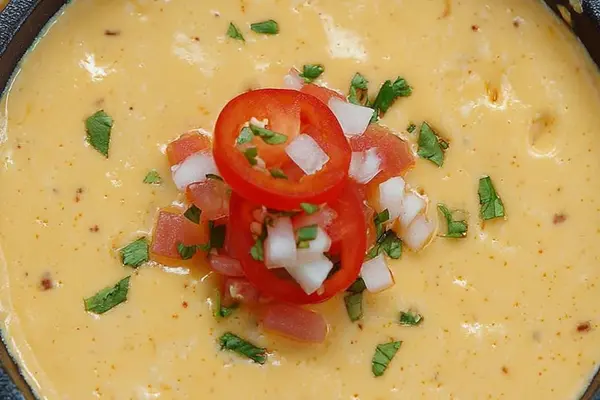
Mexican White Cheese Dip Sauce
By Emma
Certified Culinary Professional
·
Recipe tested & approved
Creamy Mexican white cheese dip with Monterey Jack and whole milk melts smooth in minutes. Restaurant-style queso sauce that’s restaurant-quality.
Prep:
7 min
Cook:
14 min
Total:
21 min
Servings:
8 servings
Melt butter first. Medium heat, no rush. Watch it foam, then settle into this bubbling gloss—golden shine, nothing brown at the edges. That’s your signal it’s ready.
Why You’ll Love This Mexican White Cheese Dip
Takes 21 minutes total. Literally the easiest snack to throw together for a crowd. One pan. No fancy equipment. Butter, flour, milk, cheese—stuff you probably have sitting around right now.
Tastes like what you get at an actual Mexican restaurant, the kind that brings it out warm in a ceramic dish. Except you made it in your kitchen for a fraction of the cost.
Works cold or reheated. Thickens as it sits, which is fine—just splash in a little milk and it comes back to life. Comfort food that actually lives up to the name.
The sauce coats everything. Chips, vegetables, literally anything you dunk in it sticks around instead of sliding off. Texture matters, and this one gets it right.
What You Need for Mexican Restaurant-Style Cheese Dip
Unsalted butter. Four tablespoons. Salted butter throws off the salt balance later—not worth it.
All-purpose flour. Three tablespoons. This is what makes it thick without being weird. Cornstarch doesn’t work the same way.
Whole milk. Two cups. Not skim, not half-and-half. The fat matters for how it feels in your mouth. Cold milk is fine, actually room temp is easier—it won’t shock the butter-flour paste.
Monterey Jack cheese. One and a quarter cups shredded. Not pre-shredded from a bag if you can help it—that coating stuff keeps it from melting smooth. Real block grated works better. Cheddar works too but it’s sharper, firmer texture. White cheddar, yellow, doesn’t matter flavor-wise but color does if you care.
Salt. Half a teaspoon. Maybe less—taste it first because cheese carries salt already.
Optional: a small jalapeño diced fine, or a pinch of smoked paprika. Neither required. Both good.
How to Make Mexican White Cheese Dip
Melt butter in a heavy-bottom pan. Medium heat. It foams first—that’s water burning off. Then it goes quiet, just bubbles at the bottom, golden and glossy. Two, maybe three minutes total. You’re looking for that shine, not brown edges.
Add all the flour at once. Whisk hard. Get it smooth, no lumps hiding anywhere. The paste comes together thick and pasty, smells nutty when it’s actually cooked through. Takes about two to three minutes. Don’t rush this or raw flour taste hangs around and ruins everything.
Slowly pour in the milk while whisking constantly. This is the part that kills lumps before they start. Whisk hard, break up any clusters forming. The paste will try to seize if you dump it all at once—go slow, keep whisking, it comes back together into something smooth.
How to Get Salsa Con Queso Cheese Dip Thick and Creamy
Lower the heat a little once milk’s in. The liquid should steam gradually—tiny bubbles forming at the edges, not a rolling boil. That’s thickness coming. Stir often. After five to seven minutes it looks creamy but still pours. Not thick yet. Getting there.
Toss in shredded Monterey Jack in handfuls. Watch it melt, string, disappear into velvet. Stir gently but deliberately—too fast and you get clumps instead of smooth. Cold cheese seizes the sauce temporarily, panic moment, but keep stirring and it comes back. It always comes back.
Taste it now for salt. Cheese carries salt already, might not need much. Add half a teaspoon and adjust after everything melts. Some people throw in a pinch of smoked paprika or minced jalapeño for warmth and color. That touch works.
If the sauce feels heavy and thick, add milk by the tablespoon to loosen it. Depends on the day, the cheese, the butter. You want something that coats the back of a spoon, not dripping fast but not gluey either. That’s the feel you’re after.
Mexican Cheese Dip Tips and Common Mistakes
Serve it hot. The dip thickens as it cools. Rewarm gently with a splash of milk if you need to rescue it. Off heat too long and it seizes—best served fresh or very gently reheated.
Don’t push the butter-flour paste to brown. Burnt flour tastes like a deal breaker. Medium to medium-low heat keeps things safe. Most people rush the heat here and regret it.
Pan with thick sauces—soak it immediately after serving. Use a wooden spoon to scrape bits off the bottom before washing. Easier than scrubbing later.
Cold milk makes paste seize temporarily. Room temperature milk is easier. But either works if you keep whisking.
Shredded cheese from a bag has that anti-caking coating. Slows down melting. Real block grated is smoother, melts better. Worth the thirty seconds with a box grater.
Mexican White Cheese Dip Sauce
Prep:
7 min
Cook:
14 min
Total:
21 min
Servings:
8 servings
Ingredients
- 4 tablespoons unsalted butter
- 3 tablespoons all-purpose flour
- 2 cups whole milk
- 1¼ cups shredded Monterey Jack cheese
- ½ teaspoon salt
- Optional twist: 1 small diced jalapeño or pinch of smoked paprika
Method
- 1 Melt butter in heavy-bottom pan over medium heat. No rushing. Butter should foam, then quiet to bubbling gloss. Look for golden shine, not brown edges.
- 2 Add flour all at once. Whisk vigorously to get lump-free paste. It’s thick, pasty, smells nutty when cooked enough. Rushing here traps raw flour taste. Cook until paste softens but not browned, about 2 to 3 minutes.
- 3 Slowly pour in milk while whisking constantly. This stops lumps dead. Milk temperature doesn’t matter too much but cold milk makes paste seize; room temp is easier. Whisk here to break up clusters, patience pays off.
- 4 Turn heat a bit lower once milk is in. The liquid should steam gradually, tiny bubbles forming at edges. That’s thickness about to happen. Stir often, coaxing body. After 5-7 minutes, sauce looks creamy but still pourable.
- 5 Toss in shredded Monterey Jack cheese in handfuls. Watch cheese melt, string, disappear into velvet. Stir gently but deliberately—too fast can cause clumps. Cheddar can substitute but expect sharper bite and firmer texture. If cheese is cold, sauce will seize temporarily—keep stirring, it comes back.
- 6 Salt goes in now. Taste first; cheese might carry enough. Adjust after all melted. Some add pinch of smoked paprika or minced jalapeño for warmth and color—love that touch.
- 7 Add milk by tablespoon to loosen if sauce feels heavy. Depends on day, cheese, butter quality. Texture should coat back of spoon, not drip fast but not gluey either.
- 8 Serve hot. The dip thickens as it cools; rewarm gently with splash of milk to rescue. Off heat for too long makes it seize—best fresh or very gently reheated.
- 9 Cleanup note: Pan with thick sauces, soak immediately. Use wooden spoon to scrape bits off bottom before washing. Burnt flour taste is a deal breaker; don’t push paste to brown, keep medium to medium-low heat.
Nutritional information
Calories
220
Protein
9g
Carbs
6g
Fat
18g
Frequently Asked Questions About Mexican White Cheese Dip
Can I make this ahead of time? Yeah. Make it, let it cool, store it in a container in the fridge for three days. Rewarm gently in a pan with a splash of milk. Microwave works too but stir every 30 seconds so it doesn’t seize.
What if it gets lumpy? Lumps happen when you rush. Pour it through a fine-mesh strainer into another pan. Push the smooth sauce through with a spoon. Sounds annoying but it works. Next time go slower with the milk.
Can I use a different cheese? Cheddar works. Sharper bite, firmer. White cheddar, yellow cheddar, whatever. Gruyère is good too if you want fancy. Avoid pre-shredded with the coating stuff—it never melts smooth.
How long does it last? Three days in the fridge. Freezes okay but texture gets weird when you thaw it. Reheating fixes most of it. Better to make it fresh or keep it cold and rewarm.
What’s the difference between this and a queso dip? This one’s thinner, more sauce-like. True salsa con queso has more cheese, sometimes chorizo or jalapeños mixed in. This version is cleaner, lets the cheese shine.
Can I thin it out if it’s too thick? Yes. Splash of milk. Tablespoon at a time. Whisk it in. It’ll come back to pouring consistency. Don’t overdo it or it turns into cheese soup.
You’ll Love These Too
Explore all →
Pink Chocolate Strawberries with Candy Melts
Chicken Pasta with Turmeric and Preserved Lemon
Slow Cooker Pulled Pork with Tagliatelle
Grilled Asparagus Bundles with Rosemary Skewers

Crab Cake Egg Rolls with Sriracha Aioli
Baked Chicken Alfredo Fettuccine
Ground Beef Meatloaf with Bacon
Lactose-Free Strawberry Ice Cream with Coconut
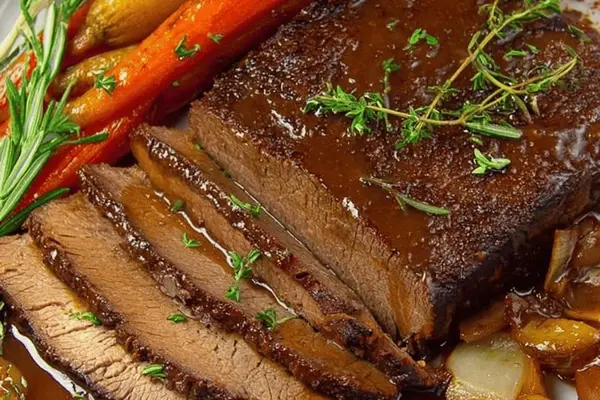
Slow Braised Brisket with Red Wine & Beef Stock
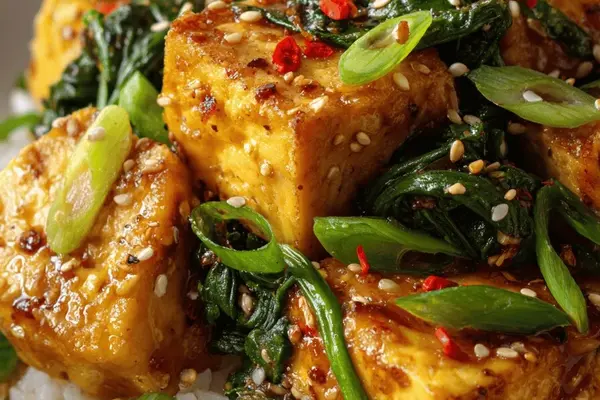
Ginger Orange Tofu with Sesame Spinach
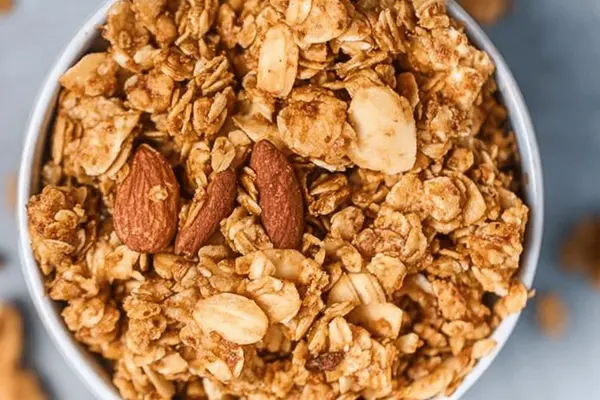
Granola Recipe with Almonds & Cinnamon

Dressing for Turkey Recipe with Spiced Onions
French Onion Dip Recipe with Smoked Paprika

BBQ Cauliflower Bites
Milk Chocolate Mousse with Coconut Cream
Baileys Brownies with Irish Cream Frosting

Pimento Cheese Appetizers with Bacon
Homemade Seasoned Salt with Smoked Paprika
Wendy's Apple Pecan Salad Recipe