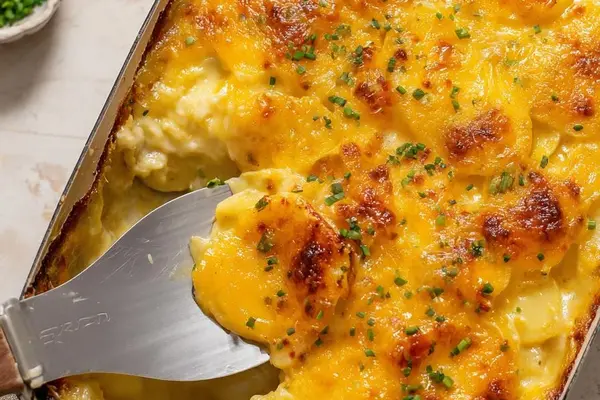
Cheesy Scalloped Potatoes
E
By Emma
Certified Culinary Professional
•
Recipe tested & approved
Thinly sliced potatoes layered with a cheesy creamy sauce seasoned with nutmeg and garlic then baked until bubbling and tender. Uses a combination of milk and butter with sautéed onions for depth. Finished with fresh chives for color and bite. Hands-on slicing and layering builds texture. Ideal for serving eight, can be adapted with different cheeses or cream alternatives. Avoids soggy or undercooked middles by careful layering and watching top browning carefully.
Prep:
35 min
Cook:
1h 20min
Total:
1h 55min
Servings:
8 servings
#potatoes
#cheese
#casserole
#comfort food
#American cuisine
#baking
#side dish
Before You Start
Potatoes sliced thin, not mushy. Cheese sauce hits right with that nutmeg punch I keep tweaking. Sweat your onions slowly, no color. The aroma alone hints at what’s coming. Soaking potatoes stops ugly browning but drying’s key—don’t skip it or you’ll get watery mess. I’ve tried baking longer covered or uncovered; balance is everything here. Watch that bubbling cheese top, not too fast or it scorches. Resting after baking is critical. Cuts cleaner, no sauce-lake on plate. Chives add that surprise fresh hit at end. Not just casserole but a textured, layered experience. Play with cheese type if you want but sharp white cheddar does the job perfectly. Learning when sauce is thick enough by feel and sight, not just time, saved me from lumpy or thin disasters.
Ingredients
- 4 lbs Yukon Gold potatoes peeled and sliced thinly about 3 mm
- 4 tablespoons unsalted butter softened
- 1 medium yellow onion finely diced
- 3 cloves garlic minced
- 2 tablespoons olive oil
- 3 tablespoons all purpose flour
- 2 ½ cups whole milk
- 1 ½ cups sharp white cheddar shredded
- Salt to taste
- Freshly ground black pepper to taste
- 1/8 teaspoon freshly grated nutmeg
- 2 tablespoons chopped fresh chives
In The Same Category · Side Dishes
Explore all →
Orange Beet Cubes Twist
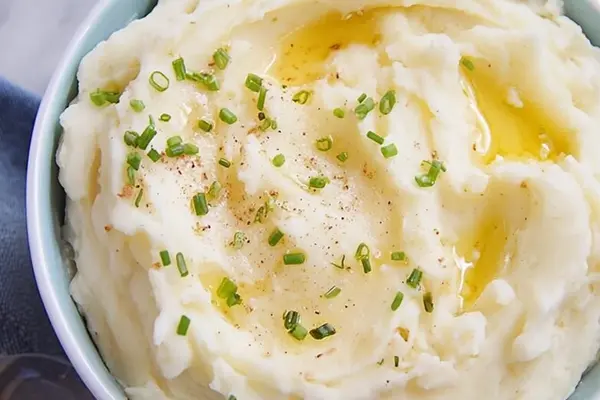
Creamy Garlic Mashed Potatoes
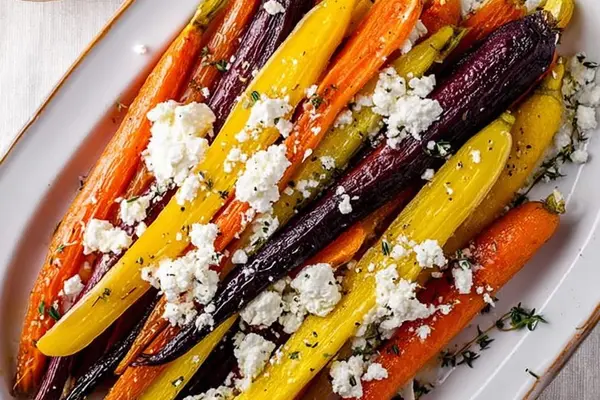
Oven-Roasted Baby Carrots with Ricotta
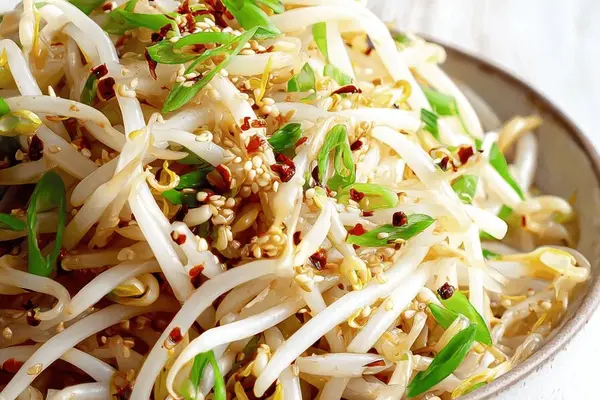
Quick Marinated Sprouts
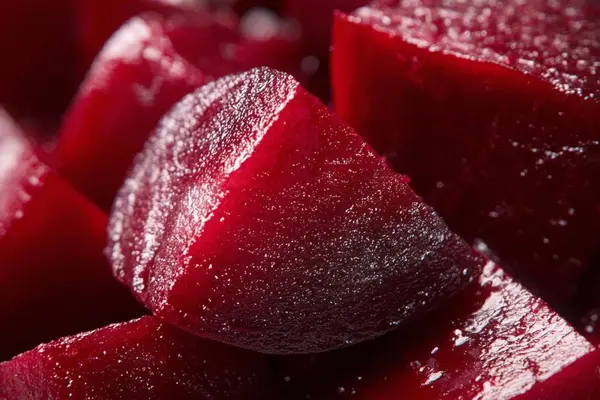
Braised Beets with Citrus Twist
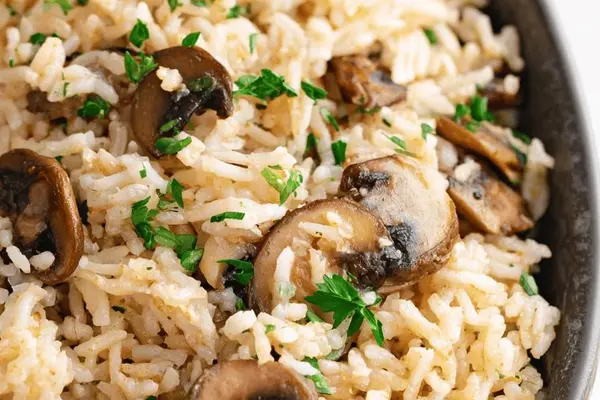
Savory Mushroom Rice
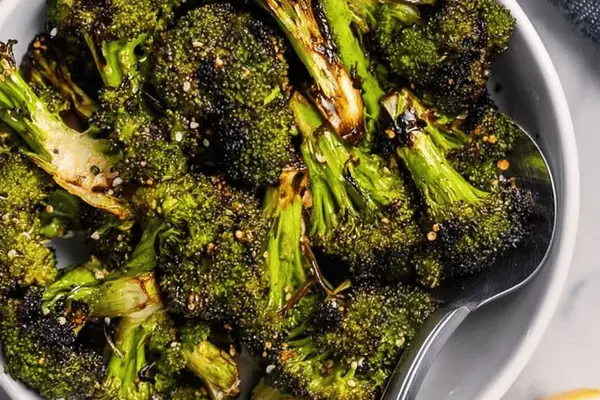
Garlic Grilled Broccoli Remix
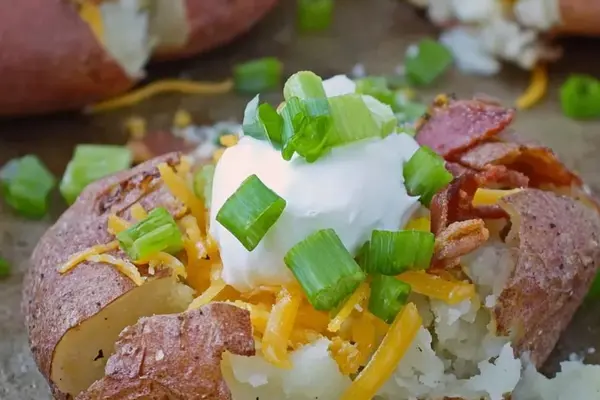
Loaded Smashed Potatoes
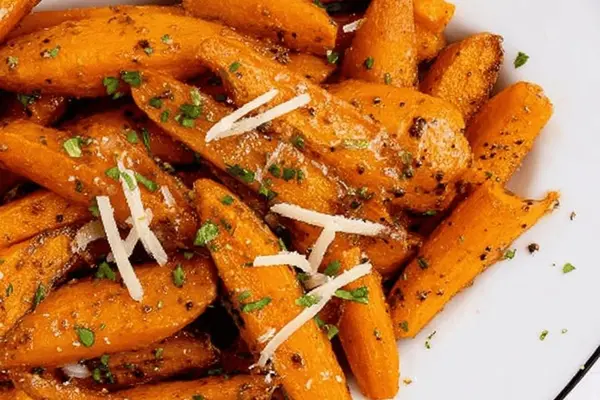
Air Fryer Carrots Twist
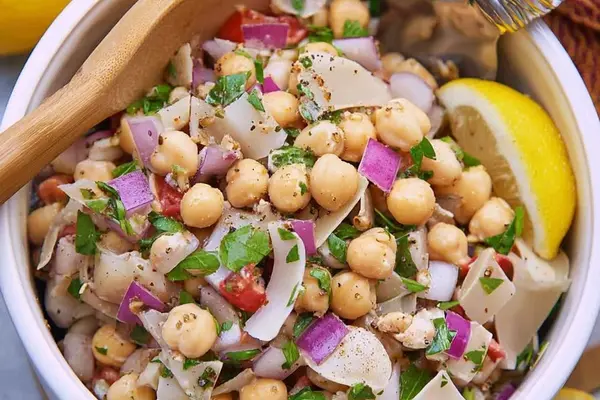
Chickpea Mushroom Sauté
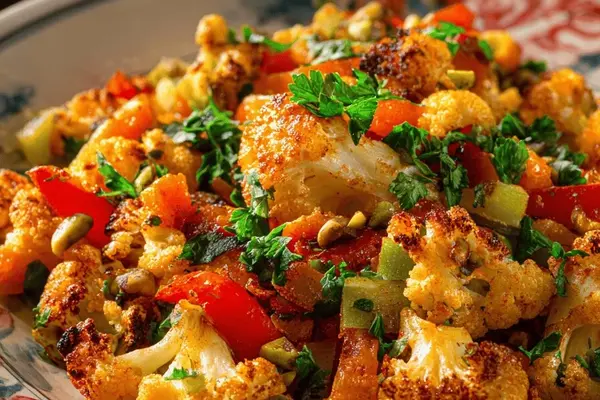
Cauliflower Couscous Twist
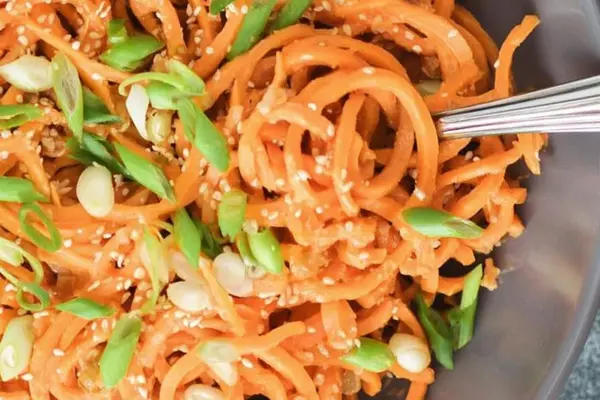
Sweet Potato Noodle Twist
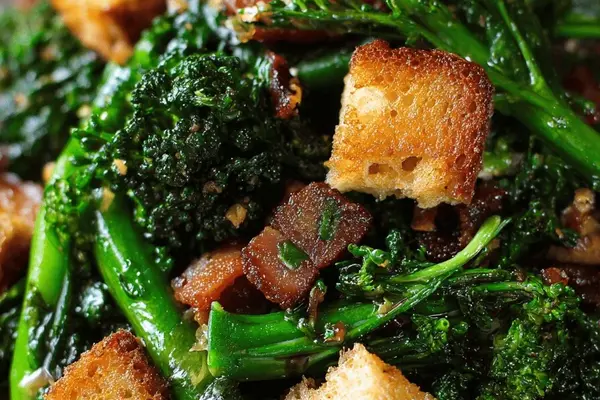
Green Veggies Red Wine Sauté
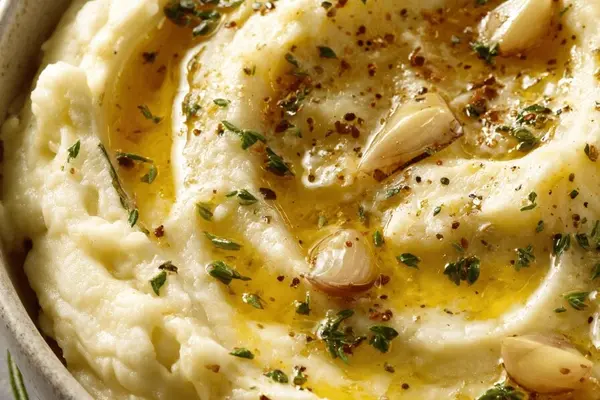
Twisted Garlic Mash
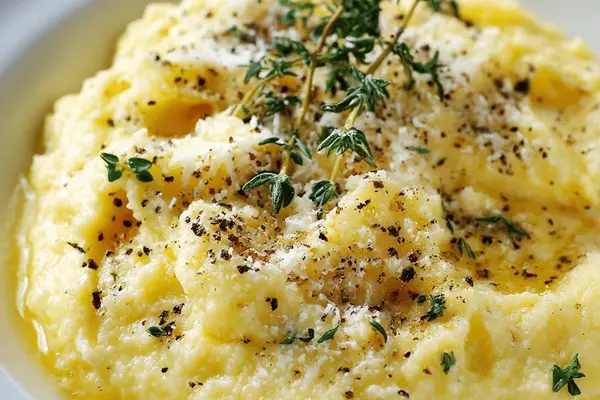
Quick Polenta with Taleggio
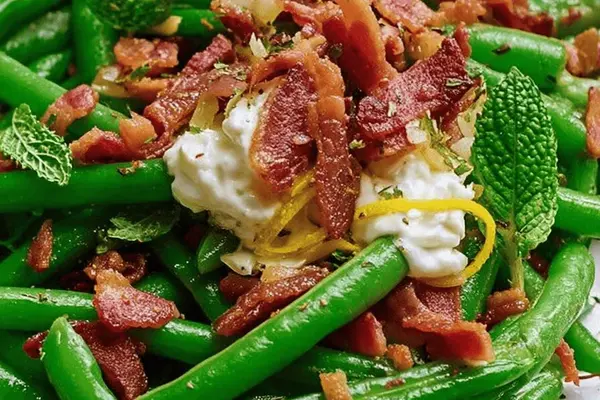
Green Beans Bacon Twist
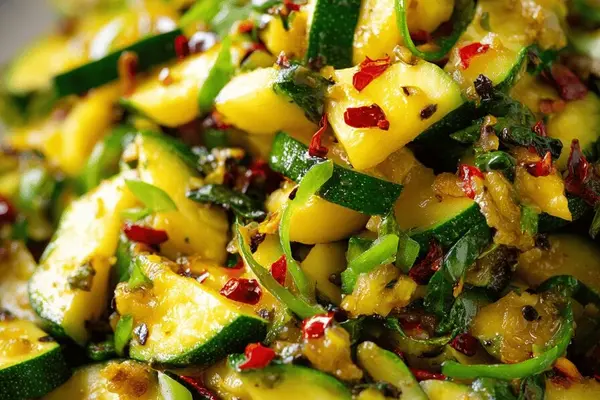
Garlic Zucchini Medley
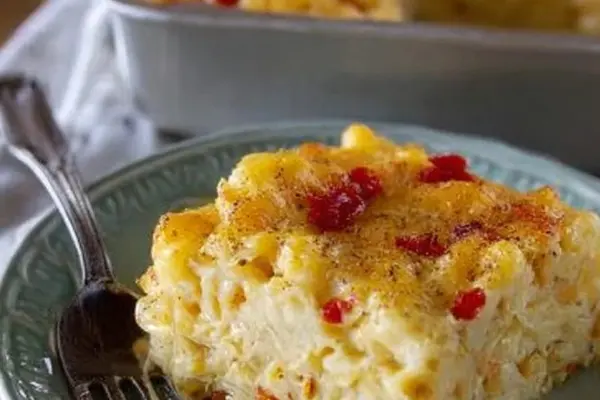
Pimento Mac Cheese Squares
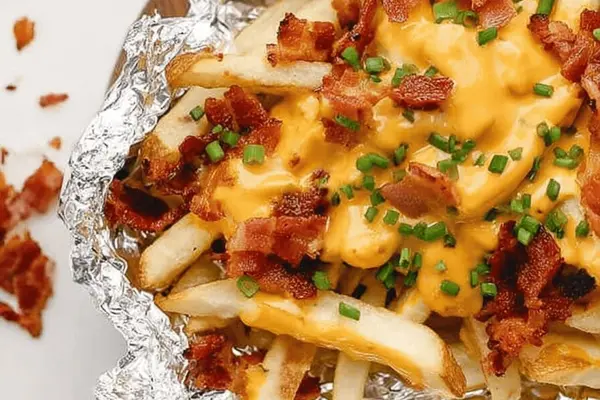
Grilled Butter Fries

Chunky Baked Potato Salad
About the ingredients
Potatoes matter—Yukon Gold offers creamy texture and natural sweetness; Russets will fluff up but can result in drier layers. Mandolin slicer speeds prep and keeps thickness even; avoid jagged edges that cause uneven cooking. Butter softened for greasing adds a subtle flavor and stops sticking better than spray. Olive oil helps sweat onions gently; avoid high heat which brown onions too fast, losing that sweet background. Flour amount controls sauce thickness; less makes runny sauce, more yields gluey. Milk can be swapped for half and half or cream if wanting richer sauce; add gradually to avoid lumps. Cheddar choice changes flavor profile—mixing in Gruyere or smoked cheese can add dimension. Nutmeg is tiny but vital; omit at risk of flat flavor. Fresh chives are final touch, nothing dried.
Method
- Heat oven to 405°F. Butter a 3 quart ceramic or glass casserole dish thoroughly to keep potatoes from sticking and burning.
- Rinse and peel potatoes. Using a mandolin or sharp knife, slice into thin rounds near 3 mm thick. Keep uniform thickness to ensure even cooking. Soak in cold water to stop browning by oxidation. Drain and pat dry right before layering to remove excess moisture, avoiding watery sauce.
- In a medium pan over medium heat, warm olive oil until shimmering. Toss in onions and garlic; season lightly with salt, pepper, and a pinch of nutmeg. Cook until onions look translucent and glossy, about 6 minutes—no browning. You want sweat, soft texture, flavor development without caramelization.
- Add butter to the pan and stir to melt fully blending with onions. Quickly whisk in flour to form a roux. Keep moving for about 30 seconds until raw flour smell disappears but no color forms.
- Slowly add milk in increments, whisking constantly. This avoids lumping and builds smooth, creamy sauce. Bring to a gentle simmer so sauce thickens enough to coat the back of a spoon. Stir in 1 cup shredded cheddar until glossy and melted. This forms your cheesy base.
- Drain and dry potatoes after water soak using clean kitchen towels or paper towels. Excess water is enemy of creamy texture; can cause runny sauce or soggy potatoes.
- Pour a thin layer of cheese sauce in casserole so potatoes won’t stick below. Lay down two layers of potato slices evenly. Spoon more sauce covering potatoes. Repeat layering potatoes and sauce until you use everything. The last layer should be sauce.
- Sprinkle remaining ½ cup shredded cheddar on top. Cover loosely with foil tacked down at edges but not sealed airtight to prevent heavy condensation. Place in oven. Bake about 1 hour 15 minutes covered so potatoes soften through and sauce bubbles gently.
- Remove foil and bake an additional 15-20 minutes uncovered. Watch the cheese top. It should be bubbly and golden but never burnt. If it darkens too fast, tent foil again or lower oven heat slightly.
- Once out, garnish with finely chopped chives for freshness and a pop of color. Let rest at least 25-30 minutes—this lets sauce set and slices hold shape when cut. Serve warm.
Cooking tips
Start heating the oven and prepping while peeling potatoes to save minute. Soaking potatoes from peeling till ready to layer prevents oxidized discoloration, no one likes dark edges. Don’t skip drying potatoes or excess water dilutes sauce, leading to soupy casserole. Onion sweat rather than caramelize: translucent and ‘wet’ look means flavor developed but not harsh browning. Roux prep—stir flour quickly after butter-melted onions to remove raw taste; too long browning ruins smooth sauce. Adding milk slowly and whisking avoids clumps and makes velvety texture. Cheese melts into sauce still warm, adding sharpness and richness. Layer thin to cook evenly, building layers with sauce keeps potatoes moist but not swimming. Cover loosely in foil or steam builds up too much condensation drying top cheese. Final 15-20 min uncovered browns top and crisps edges. Check visual cues frequently; oven temps vary. Resting final but crucial step to settle sauce so pieces hold slice shape without spilling that liquid gold everywhere.
Chef's notes
- 💡 Slice potatoes thin, near 3 mm. Uniform thickness matters much. Jagged edges cook uneven, risk mushy or tough spots. Mandolin fast but be safe; sharp edges can cut you. Soak slices in cold water right after slicing. Stops browning. Dry fully before layering or sauce runs thin. I pat down with towels to squeeze water out. Rushing here ends in watery dish.
- 💡 Sweat onions low and slow. Olive oil warmed till shimmering, no sizzle or brown. Stir often but not constantly. Garlic joins late to avoid burning, or it turns bitter. Quick cook garlic means garlic aroma floats, onions turn translucent but soft; tiny nutmeg pinch here sparks background flavor. No caramelization, no brown edges — need gentle sweet sensations only.
- 💡 Make roux fast after butter melts into onions. Stir flour in quickly or lumpy. Wait about 30 seconds or raw flour sticks. Don’t let color form, or sauce tastes cooked out. Add milk little by little. Constant whisking essential. Sauce thickens slowly. Should coat spoon back fully, no puddles running. If lumps show, switch to whisk harder or strain before cheese. Cheese melts in gradual heat too; sudden heat shocks texture.
- 💡 Layer potatoes with sauce carefully. Thin sauce layer on bottom stops sticking. Two layers potatoes each round enough; crowded layers dry slow. Spoon sauce over each until fully covered - no dry spots inside layers. Last layer sauce, then cheese top. Cover foil lightly; too tight traps steam, makes soggy top cheese. Cook covered about 75 mins, potatoes melt through but hold shape. Finish uncovered 15-20 mins for golden bubbly crust. Alerts come visually and by scent only.
- 💡 Rest casserole at least 25 minutes before cutting. Sauce sets, layers firm up. Cut too soon and you get sloppy servings. Chives mix in last — sharp fresh pop contrasts creamy base. Cheat fresh herbs only, dried leave dull notes. Try swapping milk with cream or half-and-half for richer sauce but watch thickness; thicker sauce needs thinner layering or longer bake to avoid gluey texture.
Common questions
How thin slice potatoes?
About 3 millimeters. Uniform slices equal even cook. Too thick? Centers take ages soft. Too thin? fall apart. Soak in cold water after slicing. Stops browning fast, excess starch leaches out. Dry completely or watery sauce wrecks texture.
Can I use different cheeses?
Yes. Sharp white cheddar standard for punch. Gruyere or smoked cheese add complexity. Mix or match, just mind melt points. Softer cheeses may break sauce glue. Hard cheese adds firmness. Avoid super oily cheeses that separate. Try mild combos for subtlety; tastes shift. Experiment but cheese choice changes bake time slightly.
Potatoes soggy inside, why?
Usually layering off or too wet potatoes. Dry soak water or too thick layers trap moisture. Bake uncovered too soon? Not enough steam builds. Or oven temp wrong, slow heat means soft won’t develop. Cover foil loosely to trap heat but vent steam gradually. Drain water well from soaked potatoes to avoid runny sauce.
How store leftovers?
Fridge best. Wrap tight or airtight. Keeps sauce from drying. Reheat gently in oven covered, keep moist. Microwave reheats fast but messier, stir half way. Freeze possible but texture suffers — sauce thickens, potatoes less tender. Defrost overnight fridge. If baking again, add splash milk inside to loosen sauce.
You’ll Love These Too
Explore all →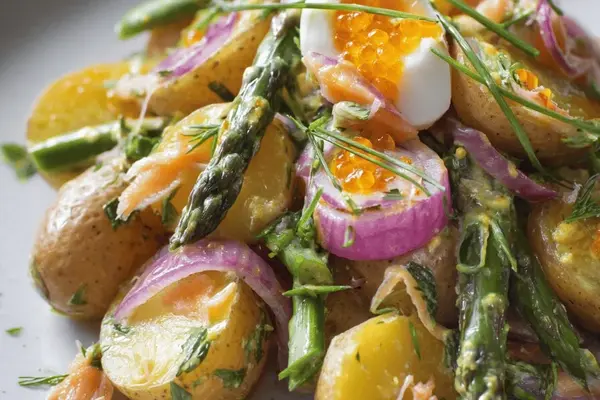
Potato Asparagus Smoked Trout Salad
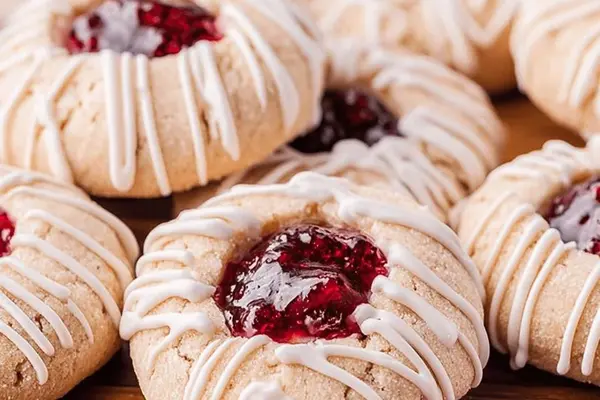
Jam Thumbprint Cookies
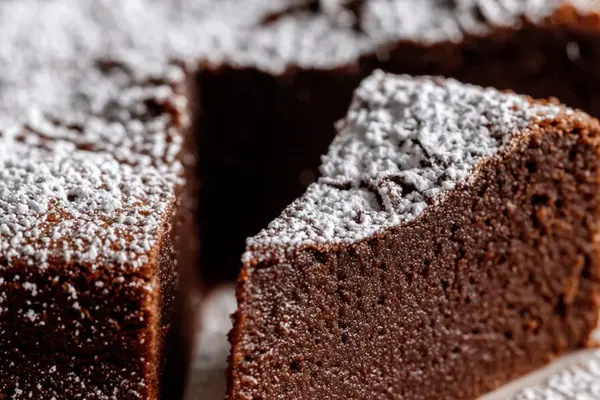
Gluten-Free Almond Chocolate Cake
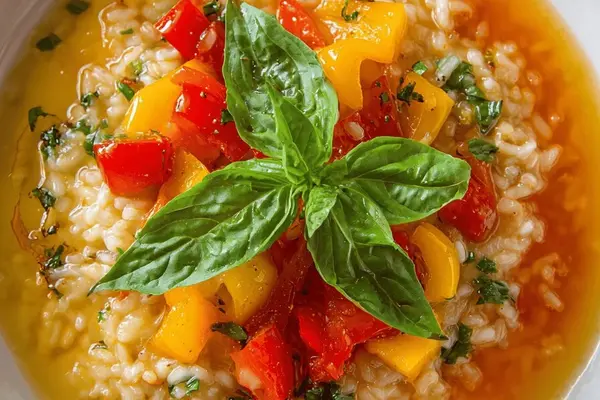
Two-Tone Pepper Soup
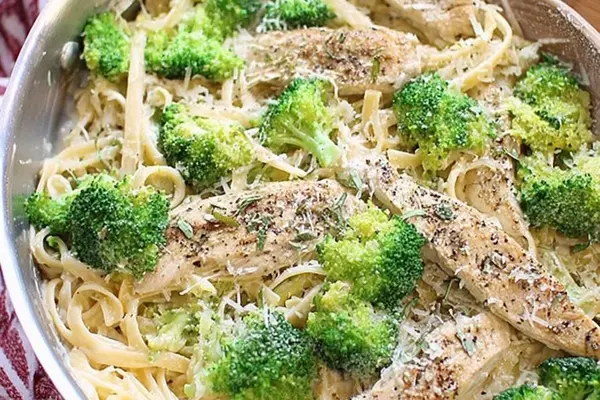
Broccoli Chicken Alfredo
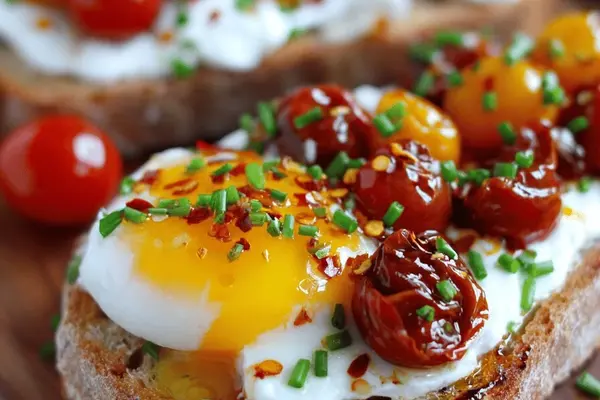
Burrata Toasts with Roasted Tomatoes and Fried Egg
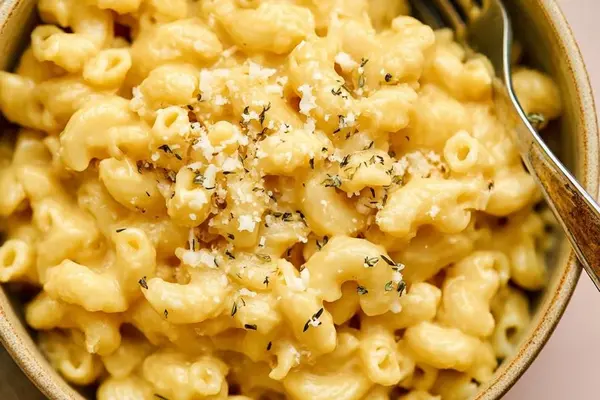
Butternut Squash Mac Cheese
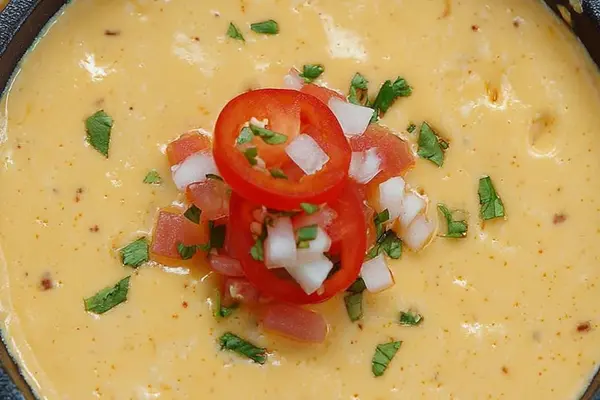
Cheesy Queso Sauce
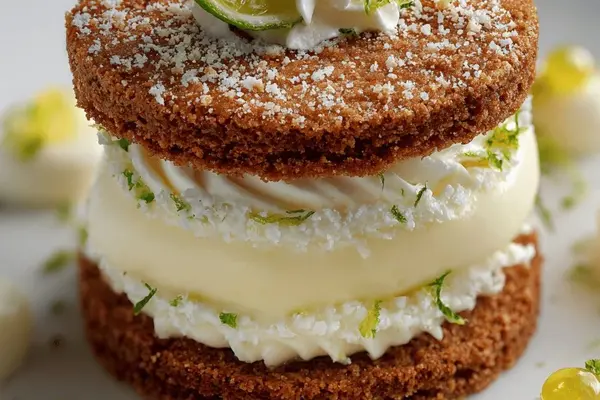
Clementine Cream Sandwiches
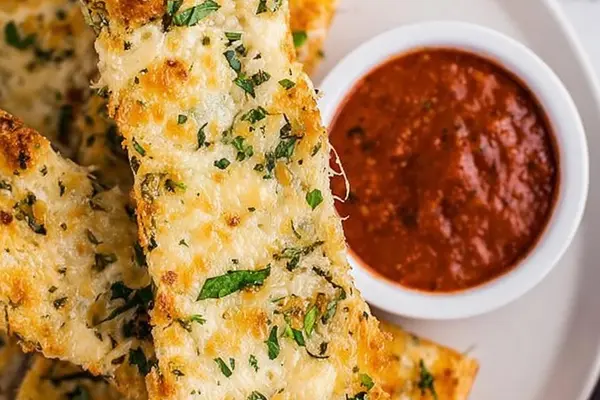
Cheesy Garlic Bread Upgrade
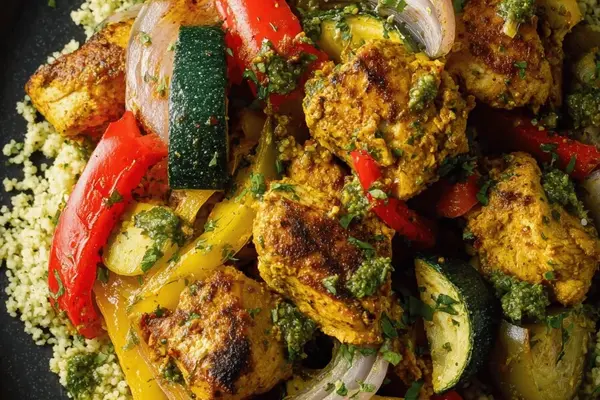
Curried Chicken Veg Traybake
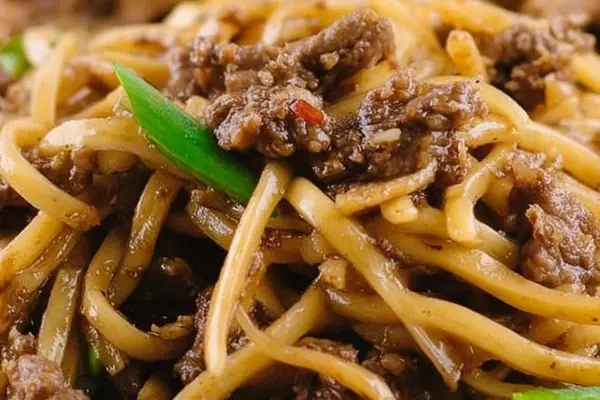
Mongolian Beef Noodles
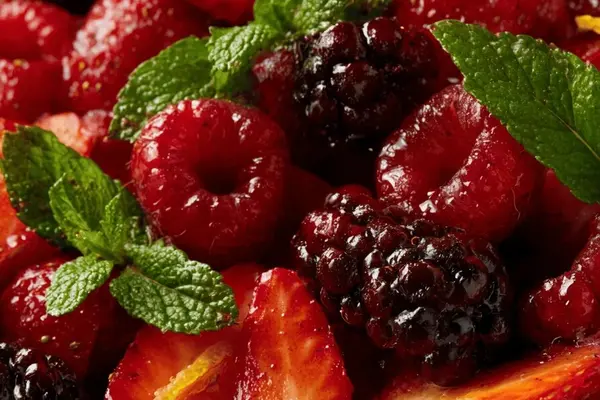
Vanilla Berry Salad
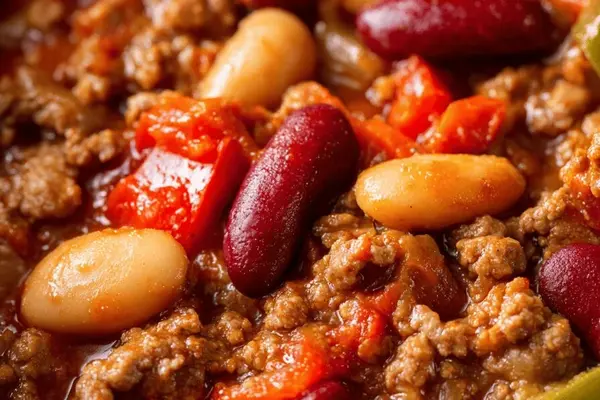
Two-Bean Spicy Chili
Morning Tartine Mixup
Strawberry Yogurt Popsicles
Sesame Sheet Chicken Veggies

Soft Sugar Cookie Bites
Pumpkin Mac Cheese
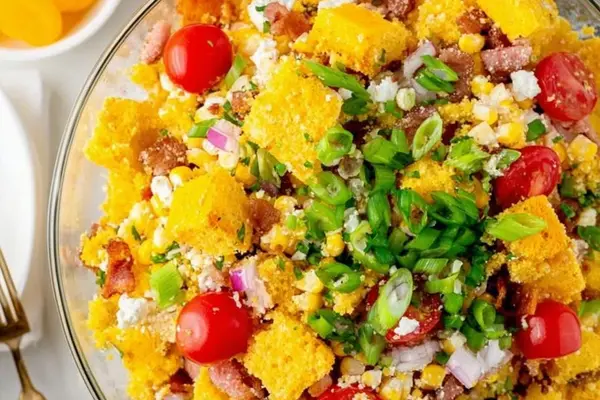
Cornbread Salad Remix