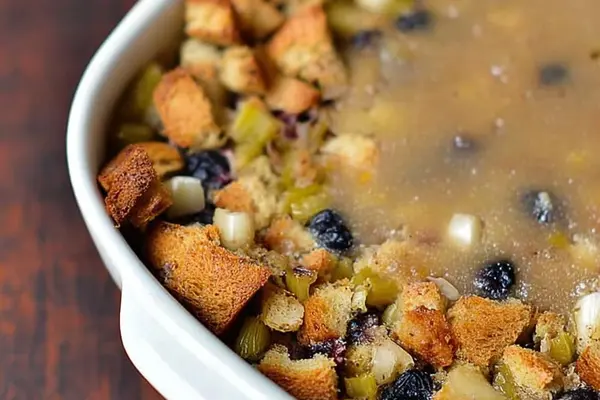
Chestnut Apple Dressing with Raisins
By Emma
Certified Culinary Professional
·
Recipe tested & approved
Chestnut apple dressing combines roasted chestnuts, tart apples, golden raisins, celery, and onion baked with chicken stock and cream. Crispy edges, moist center.
Prep:
15 min
Cook:
55 min
Total:
1h 10min
Servings:
8 servings
Preheat to 350. Spray the casserole. This is the kind of dressing that shows up once a year and people actually fight over the last spoonful—chestnuts, apples, that golden nutty top. Not the stuff from a box that tastes like nothing. Had three pounds of apples and some roasted chestnuts sitting around. This happened.
Why You’ll Love This Chestnut Apple Dressing
Takes an hour total. Most of that’s the oven doing the work. Actually tastes like fall—the apple stays bright, the chestnuts don’t get lost, and that creamy center holds everything together without being heavy. Comfort food that works for the table. Vegetarian. Holiday dinner staple but honestly good any time you want something that feels a little special for a regular Tuesday. Leftovers are better the next day. Reheat it covered and it’s somehow more tender. People come back for seconds before the turkey’s even cool. Doesn’t need anything fancy. Plain bread works if you don’t have the stuffing mix. Hazelnuts work instead of chestnuts. It’s flexible but still tastes like you tried. One bowl. One casserole. Cleanup isn’t painful.
What You Need for Chestnut Dressing
Roasted chestnuts—a cup, chopped. Don’t use raw. The flavor’s completely different. Hazelnuts work but sweeter. Walnuts are fine too, just different vibe.
Stuffing mix. Six cups. The plain cubed bread kind. If you’ve only got the herb-heavy stuff, use less seasoning after. Stale bread cubes work. Fresh bread absorbs too much liquid and gets mushy. Not worth it.
Celery and onion—a cup and a half of celery chopped, one medium onion. Both. The onion browns a little, that matters. Don’t skip it.
Golden raisins. A third cup. Cranberries or cherries if that’s what you have. Actually different flavor but not wrong different.
One medium tart apple. Granny Smith. Not Red Delicious. The tart cuts through the cream and makes it interesting. Honeycrisp works too—anything that doesn’t go to mush.
Butter. Six tablespoons, unsalted. Salt, pepper. One teaspoon salt, half teaspoon pepper. Taste at the end and fix it.
Chicken stock. A cup and a half, warmed. Vegetable broth works fine. Cold stock makes it harder to get the bread to absorb evenly.
Heavy cream. A third cup. Coconut milk if you need it dairy-free. Changes it slightly but still good.
How to Make Chestnut Apple Dressing
Set the oven to 350. Spray your 9x13 casserole—both sides, corners, edges. Nonstick spray. Not butter. Butter makes the edges too brown and stuck.
Dump the chestnuts, stuffing, celery, onion, raisins, and apple into a big bowl. Salt and pepper. Mix it with your hands or a spoon until everything’s scattered through and nothing’s clumped together. This matters. You want the apple in there, the raisins distributed, not all in one corner.
Warm the stock—not boiling, just warm. Pour it in with the melted butter and cream. Stir quick but gentle. You’re wetting the bread, not drowning it. The bread should absorb the liquid but still hold a little shape. Not paste. Not separate. In between.
Scrape it into the casserole. Use a spatula to press it down slightly, just enough so it’s compact. Don’t pack it. You need air pockets in there or it turns into a brick.
Getting Chestnut Apple Dressing Golden and Right
Bake for 50 to 55 minutes. Don’t check for the first 40. The top should be golden in patches. The edges bubble. It smells like roasted nuts and apples, warm and kind of sweet.
Grab a thin skewer or knife. Push it into the middle. It should come out mostly clean, maybe a tiny bit of moisture. Not wet. Not dry. That spot between.
Pull it out. Don’t serve it right away. This is the part everyone skips. Let it sit for 20 minutes covered. Loose foil or a towel. The stuffing firms up, the flavors settle, and it goes from good to actually good.
Chestnut Apple Dressing Tips and Common Mistakes
The bread’s the deal. Don’t over-soak it. It needs moisture but it should still spring back when you press it before it goes in the oven. If it’s too wet, it becomes this gluey dense thing. Texture goes away. Test it with your finger—should feel damp, not waterlogged.
Butter can burn fast if your oven’s hot on the bottom. If the edges go dark before the middle’s done, tent foil over it for the last 10 minutes. Doesn’t hurt, just keeps it from turning black.
Melted butter and cream together—that’s what keeps it from drying out. Don’t skip either one. Half-and-half works if heavy cream isn’t happening, but you lose a tiny bit of richness. Not a disaster.
If you don’t have chestnuts, hazelnuts toast up and add something. Walnuts too. The chestnut’s subtle sweetness goes away but the texture’s still there. Almonds don’t work—too different. Just don’t.
Apple choice matters. Tart apples keep their edge. Granny Smith stays firm and doesn’t turn to mush at 350 for an hour. Sweet apples disappear into the bread and the whole thing gets dull.
Warm your stock before you add it. Cold liquid means the bread doesn’t absorb evenly. Some parts stay dry, some parts get soggy. Warm it just takes the edge off, matters more than people think.
Chestnut Apple Dressing with Raisins
Prep:
15 min
Cook:
55 min
Total:
1h 10min
Servings:
8 servings
Ingredients
- 1 cup chopped roasted chestnuts (can substitute roasted peeled hazelnuts for nuttier texture)
- 6 cups dry herb stuffing mix (use plain cubed bread if unavailable)
- 1 1/2 cups diced celery
- 1/3 cup golden raisins (can swap for dried cranberries or cherries)
- 1 medium diced apple (prefer tart varieties eg Granny Smith)
- 1 medium chopped onion
- 1 teaspoon salt
- 1/2 teaspoon freshly ground black pepper
- 1 1/2 cups chicken stock (vegetable broth works for vegetarian switch)
- 6 tablespoons unsalted butter (sub coconut oil cautiously for dairy-free)
- 1/3 cup heavy cream (use full-fat coconut milk if avoiding dairy)
Method
- 1 Preheat to moderate 350 degrees Fahrenheit. Spray a 9x13 casserole generously with nonstick spray. Avoid buttering direct to prevent soggy edges.
- 2 In a roomy bowl, toss the chestnuts with dry stuffing, celery, chopped onions, raisins, apple, salt, and pepper. Mix until ingredients scattered evenly.
- 3 Pour in the warmed chicken stock along with melted butter and cream. Stir quickly but gently, ensuring dry elements soak without clumping or turning mushy.
- 4 Scrape mixture evenly into casserole. Press lightly with spatula to compact slightly but keep air pockets intact for that sought bite.
- 5 Bake in oven. At approximately 50-55 minutes start checking top crust, should show golden patches, edges bubbling and smell nutty-roasted with apple hint. Insert a thin skewer, comes out mostly clean, moist but no raw.
- 6 Remove from heat and do not rush. Rest minimally 20 minutes to let stuffing firm. Active resting sets texture and deepens melded flavors, crucial step often skipped.
- 7 Serve with tangy Cumberland or a fruit-based sauce to cut richness. Leftovers benefit from gentle reheating covered to keep moist.
- 8 If stuck without chestnuts, toasted hazelnuts or even chopped walnuts add texture and earthy notes though chestnut’s subtle sweetness lost.
- 9 Butter can darken too fast; if edges burn early, tent foil last 10 mins. Swap cream for half-and-half if tighter on fat but losing slight silkiness.
- 10 Don’t over-soak the bread base; stuffing must be moistened, not wet. Too wet results in gluey dense mess. Rely on texture, bread should spring back when pressed lightly before baking.
Nutritional information
Calories
280
Protein
5g
Carbs
30g
Fat
15g
Frequently Asked Questions About Chestnut Apple Dressing
How long does this actually take? 15 minutes to prep. 55 minutes in the oven. Then 20 minutes to rest. So an hour and a half total. Most of it’s waiting.
Can I make this the day before? Assemble it the night before, leave it covered in the fridge. Add maybe five extra minutes to the bake time. Cold casserole takes longer to warm through. Works fine either way.
What if I don’t have cream? Milk works. It won’t be as silky but it still binds everything. Coconut milk actually works better than you’d think. Different flavor but not bad different.
Can this be vegetarian? Use vegetable broth instead of chicken stock. Everything else stays the same. It is vegetarian.
What’s the deal with the 20-minute rest? The stuffing firms up. Bread absorbs the liquid it needs and stops being soggy. The whole thing sets and tastes better. Sounds like nonsense but it actually works. Don’t skip it if you have time.
Does this freeze? Freeze it before baking. Thaw it in the fridge overnight. Bake it cold, add 10 extra minutes. Or bake it, cool it, freeze it, reheat covered. Both ways work.
How do you store leftovers? Covered in the fridge. Three days easy. Reheat covered at 325 for maybe 15 minutes. Don’t leave it uncovered or the top dries out.
Why does the recipe say warm stock? Cold stock doesn’t get absorbed fast. The bread stays dry while the liquid pools at the bottom. Warm it just enough to take the chill off and the bread soaks evenly.
You’ll Love These Too
Explore all →
Caesar Drink Clamato with Cilantro
Blood Orange Chiffon Cake with Cardamom
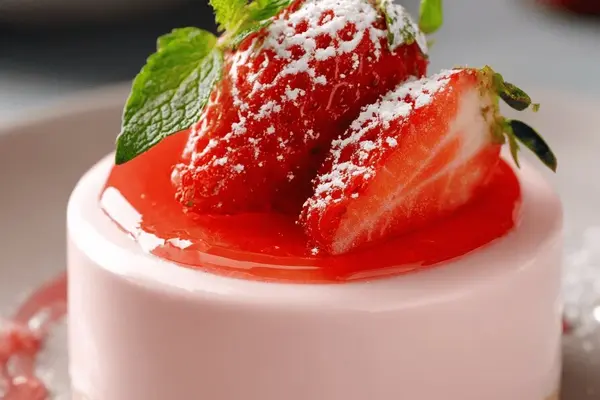
Strawberry Short Cake with Mousse

White Chicken Chili with Beans
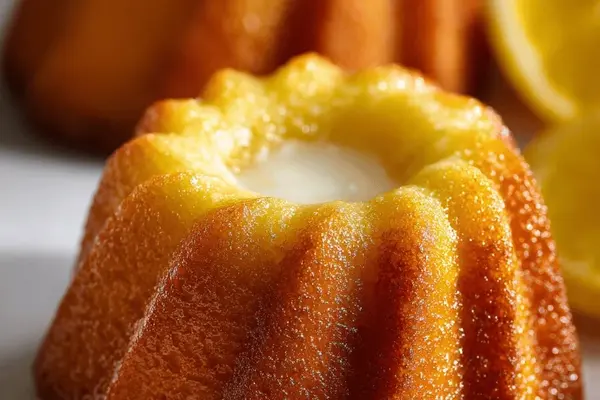
Mini Orange Bundts with Almond Flour

Cheesy Garlic Bread with Mozzarella

Ground Chuck Burgers with Cilantro & Shallots
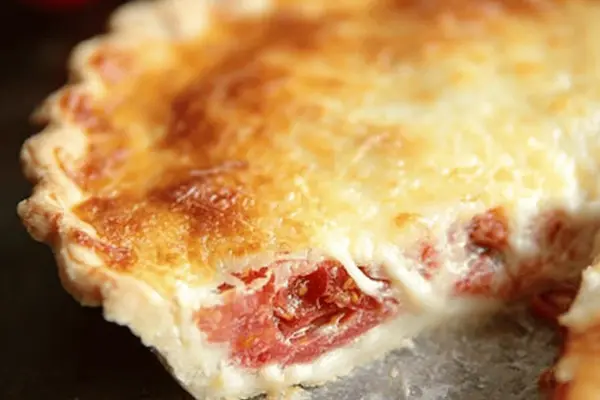
Tomato Pie with Mozzarella and Fresh Basil
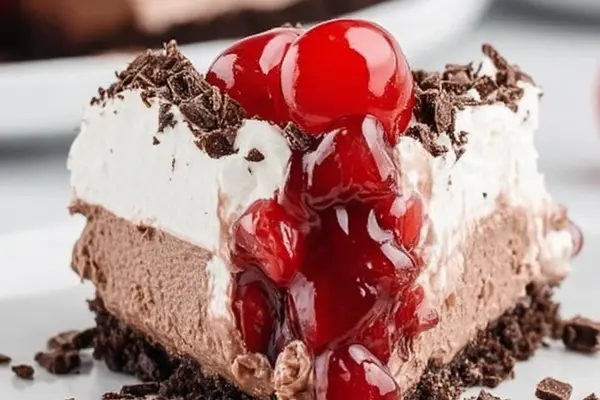
No-Bake Black Forest Cheesecake with Oreo Crust
Rolled Out Sugar Cookie Recipe with Hazelnut
Spiced Rum Affogatos with Coconut Ice Cream
Salted Caramel Pound Cake Recipe
Ambrosia Salad with Sour Cream Recipe
Slow Cooker Chili With Chorizo

Ranch-Seasoned Burger Recipe with Ground Chuck
Unbaked Cookie Recipe with Pretzels

Icing Recipe With Crisco and Butter
Cheesecake Stuffed Strawberries Recipe

Crab-Stuffed Lobster Tail Recipe