Creamy Chicken Pasta with Garlic Butter Sauce
By Emma
Certified Culinary Professional
·
Recipe tested & approved
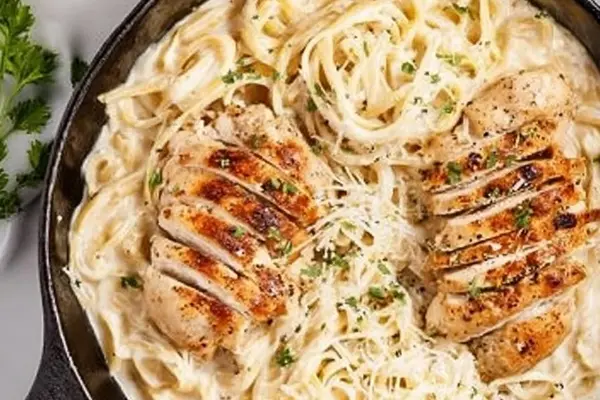
Creamy chicken pasta featuring pan-seared breasts on fettuccine with garlic butter sauce made from heavy cream, Parmesan cheese, and fresh oregano for comfort food perfection.
Prep:
12 min
Cook:
22 min
Total:
34 min
Servings:
6 servings
Boil the water first. Salt it hard. While that’s going, pound the chicken flat—not thin, just even. Takes two minutes, maybe three. The whole thing’s 34 minutes from start to sitting down.
Why You’ll Love This Chicken Pasta
Dinner on a weeknight that doesn’t feel like you’re rushing. Tastes like you actually planned something. The sauce comes together in one pan. Chicken stays juicy because you let it rest. Cream and Parmesan do the heavy lifting—oregano keeps it from tasting like nothing. Comes together faster than takeout, and actually better. No complicated techniques. Just heat, stir, taste. Cold leftovers work too, somehow.
What You Need for Easy Chicken Alfredo
Fettuccine. The wide noodles hold sauce better than thin ones. Chicken breasts, pounded so they cook evenly. Uneven = some parts dry, some parts raw. Don’t skip this step. Oregano’s your flavor backbone here. Fresh is fine, dried works just as well—honestly tastes the same cooked down. Salt goes in twice, split between the chicken and the sauce. Matters. Olive oil for searing. Butter for the garlic. Garlic powder too, sounds weird but it rounds out the fresh garlic bite. Flour for the roux. Whole milk and heavy cream mixed—don’t use all cream or it breaks. Freshly grated Parmesan. Not the green can. Tastes like sawdust. Parsley at the end because white sauce needs color. Optional but the smoked paprika in the chicken seasoning adds depth without being obvious.
How to Make Pan Seared Chicken With Garlic Butter Sauce
Get the water boiling hard. Salted water. Pour in the fettuccine when it’s actually boiling, not just hot. Set a timer. Taste at 9 minutes. You want it with a tiny bite still—not mushy. Drain it. Toss with a little olive oil so the strands don’t clump. Set it aside.
Mix oregano, smoked paprika if you’re using it, half a teaspoon salt, pepper on a plate. Press each chicken breast into it hard—both sides. The seasoning should stick. Heat olive oil in a big skillet, medium-high heat. You’ll see it shimmer before it smokes. That’s when the chicken goes in. Don’t move it around. Let it sit. Golden crust takes 5 to 7 minutes depending on thickness. Flip once. Another 5 to 7 minutes. Cut into the thickest part—165 degrees inside, juices run clear. Pull it onto a clean plate.
Turn the heat down to medium. Add butter. Listen for the sizzle. When it stops sizzling and just sits there foaming, the heat’s right. Toss in your garlic and garlic powder, salt. Stir for maybe 45 seconds. Smells done before it actually is. Sprinkle flour over top and whisk fast—you’re making a roux, avoiding lumps. One minute of cooking. Should smell slightly nutty now, not like raw flour.
How to Get Chicken Fettuccine With Cream Sauce Velvety
Drizzle milk and cream in while whisking. Not all at once or you get lumps. Steady drizzle, constant whisking. The sauce should get thicker as you pour. If lumps happen, either whisk harder or add the liquid slower—next time you’ll know. Turn heat up just a bit. Watch for small bubbles at the edges. That’s when it starts thickening. Once you see that, lower the heat back down. Whisk every 20 seconds or so. About 3 to 4 minutes total. Sauce should coat the back of a spoon and slowly drip off, not pour off, not sit there solid.
Pull the pan off heat. Fold in the Parmesan. Stir gently until it melts. The sauce should shimmer now, look silky. Add the fettuccine. Toss to coat every noodle. If it’s too thick and clumpy, splash in a tiny bit of pasta water—not much, just enough. The starch in pasta water brings it back without making it watery.
Slice the chicken thin. Against the grain so each bite has juice in it. Lay the strips on top of the pasta. Parsley scattered on top. Serve right away. The longer it sits, the thicker it gets.
Chicken Alfredo Pasta Tips and Common Mistakes
Don’t skip pounding the chicken. Seriously. It cooks uneven otherwise and half tastes overdone. Use a meat mallet or the bottom of a heavy pan. Two minutes. Fettuccine specifically because the wide noodles grab sauce. Thin pasta gets lost. Sear the chicken hard. Medium-high heat. Don’t flip early. The crust matters. It keeps juice in. Let it rest on a plate for five minutes before slicing. The juices settle back in instead of running out onto your cutting board. Milk and cream ratio—don’t go all heavy cream. It breaks. The milk keeps it stable. Grate your own Parmesan. Pre-grated has cellulose in it so it doesn’t melt smooth. Fresh grated melts into the sauce instead of staying grainy. If your sauce breaks and looks separated, add a splash of cold milk and whisk off heat. Usually pulls back together. Don’t brown the garlic. Brown garlic is bitter. 45 seconds. That’s all it needs. The pasta water is not a backup plan, it’s an adjustment. A tablespoon changes everything. Oregano can swap for Italian seasoning if that’s what you have. Tastes pretty close. Smoked paprika’s optional but once you add it you’ll wonder why you didn’t before.
Creamy Chicken Pasta with Garlic Butter Sauce
Prep:
12 min
Cook:
22 min
Total:
34 min
Servings:
6 servings
Ingredients
- 12 ounces fettuccine noodles
- 1 tablespoon dried oregano
- 3/4 teaspoon salt, divided
- 1/2 teaspoon black pepper
- 3 boneless skinless chicken breasts, pounded to even thickness
- 3 tablespoons olive oil
- 3 tablespoons unsalted butter
- 4 cloves garlic, minced
- 1/2 teaspoon garlic powder
- 2 tablespoons all-purpose flour
- 1 cup whole milk
- 1 cup heavy cream
- 1 1/2 cups freshly grated Parmesan cheese
- 2 tablespoons fresh chopped parsley
- Optional twist: 1 teaspoon smoked paprika in chicken seasoning
Method
- 1 Boil salted water vigorously for fettuccine until just tender but still a little bite. Drain thoroughly. Set aside, toss lightly with olive oil to keep strands separate.
- 2 In small bowl mix oregano, smoked paprika, 1/2 teaspoon salt, and black pepper. Press the seasoning on both sides of each chicken breast. Oregano swaps Italian seasoning for a rustic punch; paprika adds depth.
- 3 Heat olive oil in a 12-inch skillet over medium-high. Oil should shimmer but not smoke. Sear chicken breasts until golden with crisp edges, about 5-7 minutes per side depending on thickness. Internal temp 165°F. Rest on plate; juices redistribute so it’s juicy, not dry.
- 4 Turn heat to medium. Add butter—listen for gentle sizzle before garlic. Toss garlic, garlic powder, and remaining salt in and stir. Aroma should fill your kitchen within 45 seconds. Don’t brown garlic or bitter notes sneak in.
- 5 Sprinkle flour evenly, whisk rapidly to avoid lumps. Cook the roux for about 1 minute; no raw flour flavor here. It should smell slightly nutty, not floury.
- 6 Slowly drizzle milk and cream in while whisking nonstop to keep sauce velvety. No lumps. If lumps form, temper liquid slower or whisk aggressively.
- 7 Raise heat slightly to bring sauce to low boil—watch carefully. Slowly bubbles appear around edges and sauce thickens. Lower heat and keep whisking every 20 seconds. Takes about 3-4 minutes. If sauce sticks or burns, lower heat and add splash extra milk.
- 8 Remove pan from heat and fold in Parmesan cheese. Stir gently until melted. Sauce should shimmer, coat the back of a spoon thickly but pour slowly.
- 9 Add fettuccine to sauce, toss to coat noodles thoroughly. If sauce seems too thick, a splash of pasta water loosens it without watering down flavor.
- 10 Slice rested chicken thin against the grain—shows pink juices trapped inside. Lay strips atop pasta. Scatter parsley for fresh, bright contrast. Serve immediately before sauce thickens too much or noodles soak it up.
Nutritional information
Calories
1067
Protein
33g
Carbs
132g
Fat
45g
Frequently Asked Questions About Homemade Chicken Alfredo Pasta
Can I use a different pasta shape? Yeah. Penne works. Rigatoni works. Long thin stuff like angel hair loses the sauce into itself. Wider shapes are better. Fettuccine holds it best.
What if my chicken comes out dry? Pounding it flat so it cooks evenly helps. Not thin, just even thickness. Resting it after searing matters. The 165-degree mark is the max—don’t go hotter. Cut into the thickest part to check temp, not the middle of the pan. Once it’s above 165, pull it out.
Can I make this ahead? Refrigerate it separate. Sauce in one container, pasta in another, chicken on top of that. Reheats fine. Sauce might look thick cold. Add a splash of milk when you warm it and it loosens back up.
Why does my sauce look grainy? You grated Parmesan that already had stuff in it. Or you added it too hot. Off the heat, fold it in gently. Also if your heat’s too high the cream can break. Lower heat, slower cooking. The sauce should bubble at the edges, not boil hard.
Can I use half-and-half instead of milk and cream? Maybe. It’s thinner so the sauce won’t thicken as much. Probably need less flour or more heavy cream mixed in to compensate. Tried it once. Came out okay but thinner. Not ideal.
How long does this keep? Three days in the fridge. Separate containers. Doesn’t freeze well—the sauce gets weird. Tastes best within two days anyway.
What if I don’t have fresh parsley? Don’t bother with dried. Tastes like nothing. Skip it or use fresh basil instead. Changes the vibe but works.
Do I really need to let the chicken rest? Yeah. Those juices redistribute and it stays moist instead of dry. Five minutes. It’s worth waiting for. The pasta won’t cool down that much.
You’ll Love These Too
Explore all →
Cream Cheese Frosting Recipe
Baked Zucchini With Parmesan Cheese

Green Fizz Twist Cocktail with Mezcal
Pear Chocolate Cake with Dark Chocolate Mousse

French Toast with Strawberry Coulis
Peanut Butter Jelly Sundaes with Berry Jam

Pineapple Jello Shots with Rum
Salmon Rosettes on Creamy Fennel
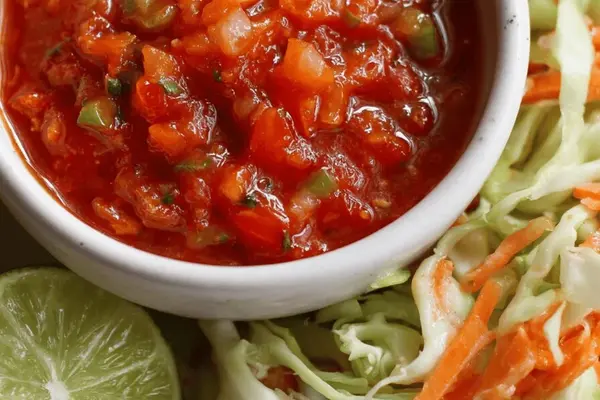
Coleslaw Recipe with Spicy Tomato Salsa
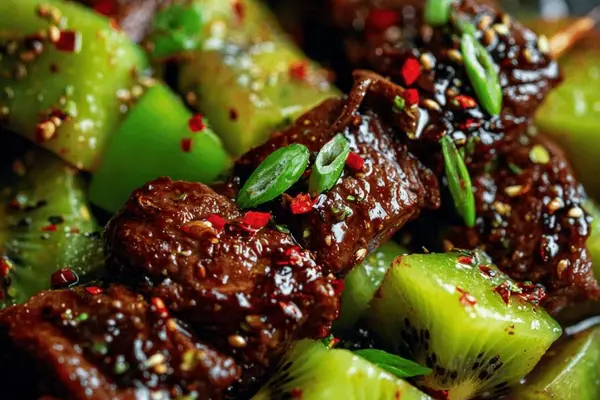
Korean Kiwi Beef Skewers with Soy Marinade
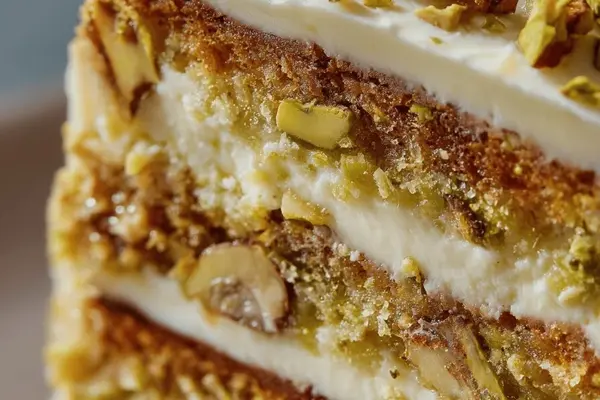
Pistachio Layer Cake with Honey Buttercream
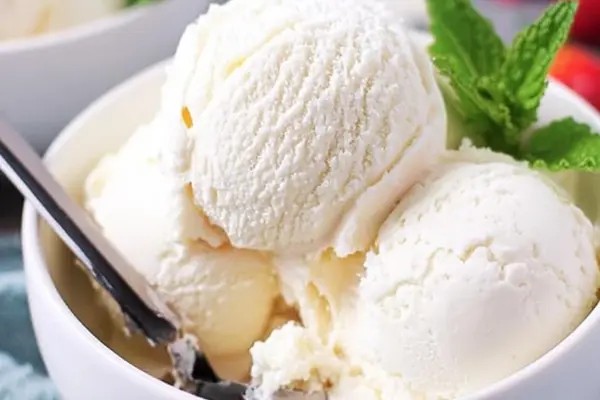
Vanilla Bean Gelato Recipe with Heavy Cream
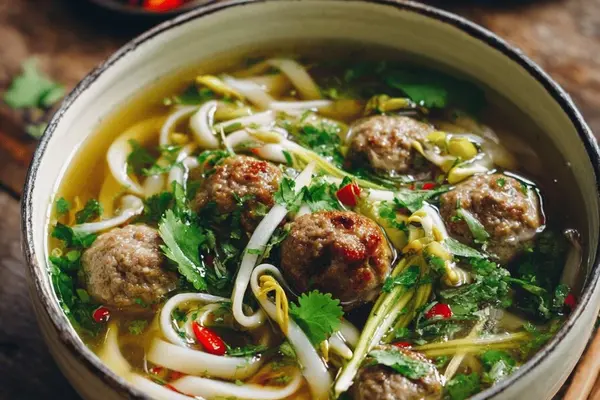
Quinoa Pork Meatball Soup with Udon
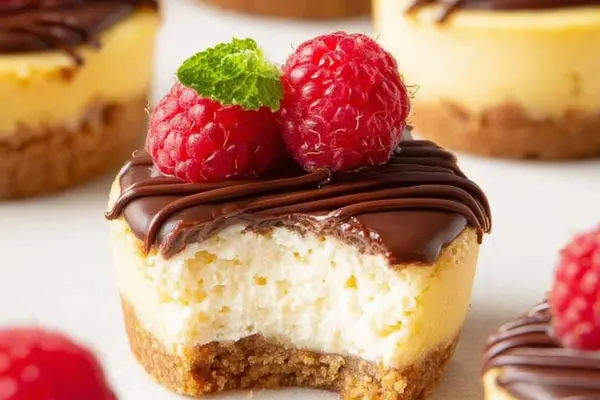
Mini Cheesecake Bites with Chocolate Ganache
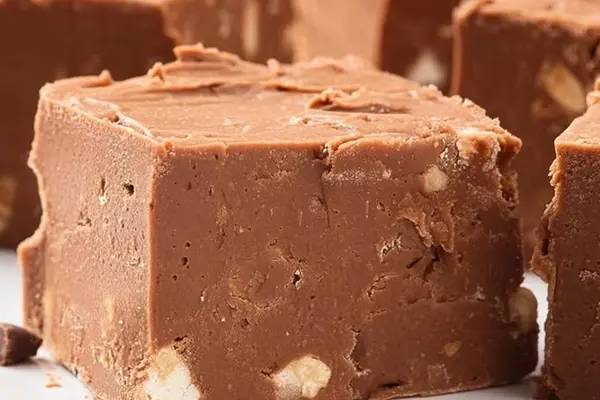
Marshmallow Fluff Fudge with Pecans
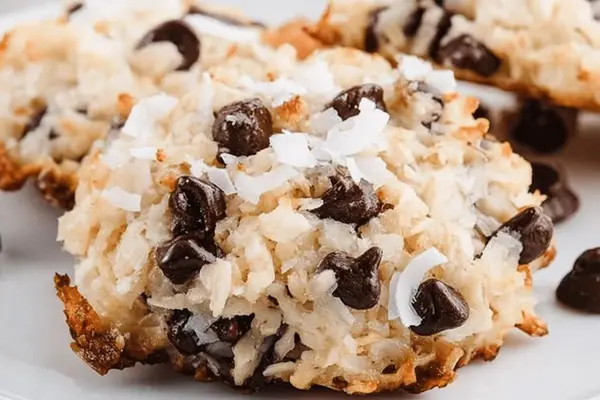
Almond Joy Cookies Recipe | Chewy & Easy
Iced Coffee Dessert with Vanilla Ice Cream
Gingerbread-Spiced Truffles with Bourbon
Almond Pound Cake with Lemon Zest