Chicken Drippings Gravy
E
By Emma
Certified Culinary Professional
•
Recipe tested & approved
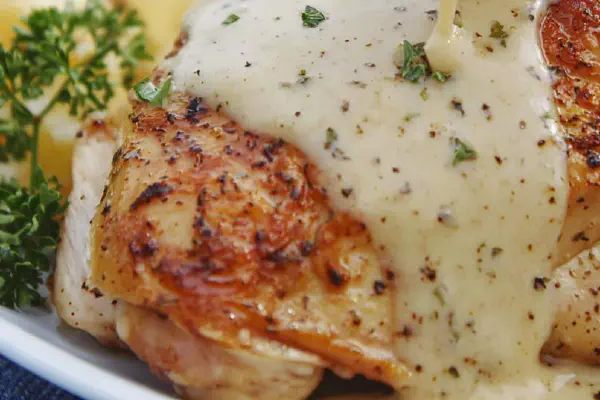
Butter melted till bubbly then whisked vigorously with flour to form a roux that turns a faint golden brown and fragrant. Slowly streaming in rich chicken broth mixed with drippings ensuring no lumps. Whisk constantly while sauce thickens. Season with kosher salt and freshly ground pepper sparingly until balanced. Past attempts taught me to watch the roux color and smell; too dark means bitter. Swap butter with schmaltz for extra depth or olive oil if dairy-free; broth can be substituted with veggie stock in pinch. Stir with patience. Ignore timers; watch texture and aroma. Simple, hearty, adapted over many meals to hit that savory note every time.
Prep:
6 min
Cook:
9 min
Total:
15 min
Servings:
4 servings
#gravy
#chicken
#roux
#homemade
#comfort food
#American cuisine
Before You Start
Started chasing a gravy that wasn’t pasty or bland. Early tries ended in lumpy disasters or burnt flour smells. Learned to keep roux light but toasted just enough to unlock aroma — that’s the trick; too dark, bitter; too light, raw flavor. Butter’s richness helps carry the chicken drippings flavor, though sometimes I swapped for rendered duck fat or just oil when low on butter. Broth choice is king; homemade has that punch, store-bought demands patience and salt finesse. Whisk. Whisk. Constant motion is life here. Rest the sauce briefly after seasoning to really let salt settle. It’s more than thickening — developing depth and body. Tried thicker with more flour; nope, gets gummy. Thin with patience is better. Every batch, adjust heat watching for tiny bubbles not full boil. Perfect gravy? Somewhere between velvety and rustic, not gluey or watery. Every time tasting, sensing changes, smells, texture. That’s how I know it’s right.
Ingredients
- 3 tablespoons unsalted butter
- 3 tablespoons all-purpose flour
- 2 cups chicken broth (preferably homemade or low sodium)
- 1/4 cup chicken drippings (reserved from roasting)
- Kosher salt (adjust to taste)
- Freshly ground black pepper (to taste)
In The Same Category · Sauces and Condiments
Explore all →
Earl Grey and Physalis Syrup
Herb Vinaigrette Remix
Apple Cider Reduction

Indian-Spiced Mayo Twist
Smoky Tangy BBQ Sauce
Tropical Mignonette Twist
Zesty Citrus Vinaigrette Remix
Curried Ginger Vinaigrette

Vietnamese Fondue Sauces Remix
Clarified Butter Remix
Savory Corn Herb Oil

Citrus Twist Syrup
Balsamic Herb Vinaigrette
Tangy Tonkatsu Sauce
Banana Caramel Sauce
Persimmon Ginger Chutney
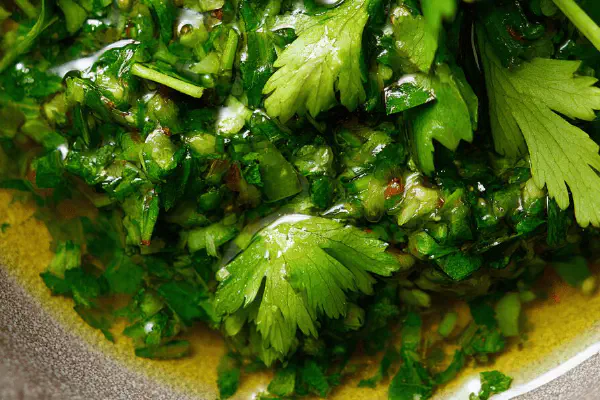
Spicy Cilantro-Pepper Sauce
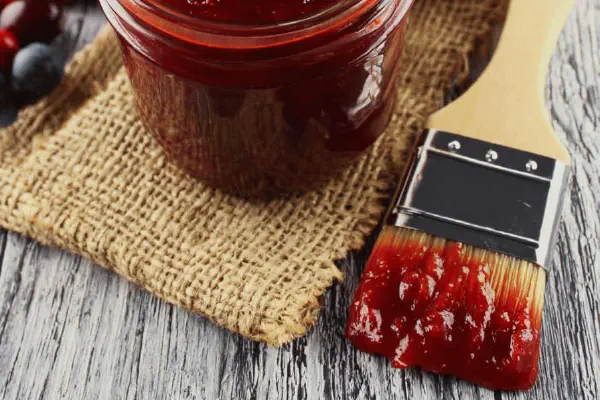
Tangy Cran Blueberry BBQ
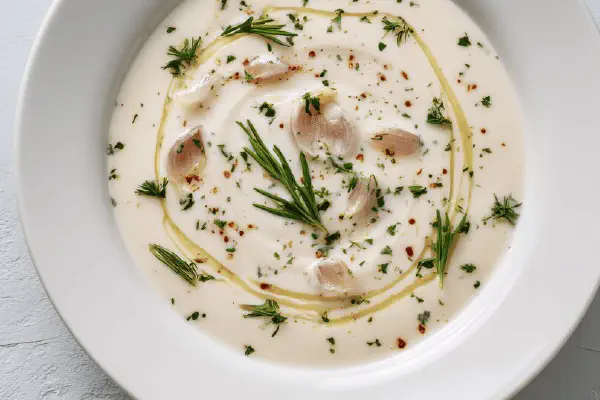
Twist on Béchamel
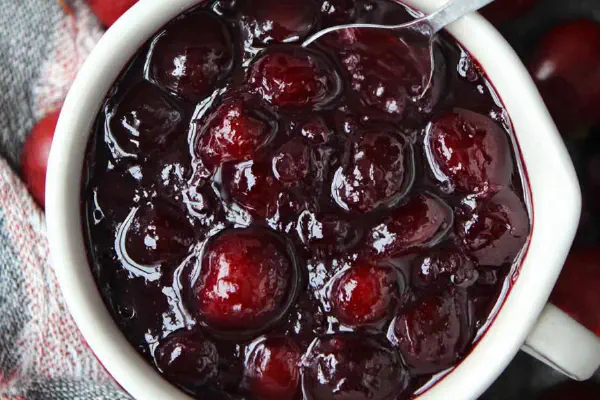
Quick Cherry Sauce Twist
About the ingredients
Butter and flour ratio key; three tablespoons each balances thickening and richness. Use unsalted butter for salt control — avoids over-seasoning headaches later. Flour should be all-purpose; whole wheat ruins the texture and color, try cornstarch for gluten-free but add differently. Chicken drippings? Keep them from roasting pan; they’re flavor gold. If none, add extra broth and a little browned butter for fat. Broth varies: homemade works best, but low-sodium store-bought keeps better control over salt and clarity. Too salty broth will force thinning or more flour. Salt and black pepper go last; add sparingly since drippings and broth may be salty. Black pepper cracked fresh retains aroma. For dairy-free, swap butter for plant-based fat or rendered fat like schmaltz. Keep ingredients at hand ready; gravy waits for no one. No lumps allowed — whisk and slow additions solve that forever.
Method
- Melt butter in a heavy bottom saucepan over medium heat; bubbles will start to form—wait until just foaming gently and no browning yet.
- Whisk in flour immediately, mixing to a thick paste; stir continuously, breaking lumps for around 3-4 minutes until roux turns pale tan and smells nutty but not burnt.
- Gradually pour in chicken broth combined with drippings in a slow, steady stream while whisking hard to prevent clumps; sauce will loosen then thicken as it heats.
- Keep whisking over medium heat until gravy gently simmers and thickens enough to coat a spoon; texture should be smooth, velvety, and not gluey or thin.
- Taste and season lightly—kosher salt and freshly cracked black pepper—better to under-salt early; adjust after letting sauce rest a minute for flavors to meld.
- If sauce feels too thick, add small splashes of broth or water, whisking well each time; for thin sauce, cook a bit longer, whisking constantly to avoid scorching.
Cooking tips
Heat butter on medium, watching bubbles—too hot browns too fast; too slow cooks flour raw. Whisk flour in fast; lumps kill gravy’s silk; use flat whisk immediately combining. Color change is more reliable than timing; light tan with nutty aroma means ready to add liquids. Pour broth/dippings gradually, not all at once; whisk hard as you add. This forces smooth emulsion. Once combined, raise heat slightly until gentle simmer forms bubbles at edges; stir steady to avoid stick or burnt bottom. Thickening signals roux’s starch properly cooking — patience helps get that glossy finish. Salt last; too early can cause tough texture or over-season. Taste cold and hot for best judgment. If gravy breaks, add splash cold water and whisk fervently. Serve soon; reheating ruins texture—whisk if needed. A thin spatula or silicone whisk keeps scraping bottom smooth. The rhythm and senses—bubbling, aroma, color—over numbers is the gravy’s bible.
Chef's notes
- 💡 Butter melts start medium heat. Wait for bubbles not brown but foaming gently. Too hot means burnt roux flavor. Timing off ruins base fat-flour balance. Stir constantly. Ripple of aroma changes as roux color goes pale tan with nutty smell. Avoid dark brown or raw flour scent. This is foundation for no bitterness later.
- 💡 Add flour fast not slow. Lumps kill silky texture. Whisk hard immediately after flour goes in. Use flat whisk for best reach. Stir 3-4 min until light tan, nutty smell intact. Color more reliable than clocks. Overbrowning makes sauce bitter; undercooking flour gives pasty, raw taste. Patience here saves sauce later.
- 💡 Pour broth/drippings like waterfall; slow steady stream while vigorous whisking to prevent lumps. Rushed addition causes clumps, gritty texture. Mix cold or room temp broth, not hot. Sauce loosens then thickens gradually. Watch bubbles forming at edges, faint hints of steam aroma. Keep stirring steady not frantic. This balance keeps roux starch cooking properly.
- 💡 Salt comes last. Early salt toughens roux or thickener, messes with smoothness. Drippings plus broth often salty enough; adjust little at time. Fresh cracked pepper added late keeps aroma bright. Taste warm and rested gravy. Add tiny splash more broth or water if too thick. Thin gravy takes extra patience; cook longer if watery, whisk to avoid scorch.
- 💡 Use schmaltz or olive oil if no butter. Flavor less rich but still good. Broth choice changes flavor punch; homemade trumps store. Low sodium keeps control on salt load. No drippings? Brown butter works as fat fallback. Keep whisking rhythm steady. No lumps allowed. Focus on sight-sound-smell signals: tiny bubbles, nutty aroma, gentle simmer—triggers for next step.
Common questions
How to fix lumpy gravy?
Whisk immediately at flour stage. Slow liquid addition helps. If lumps form, try strain or vigorously whisk with splash cold water. Consistency depends on quick mixing; lumps mean flour not blended right. Start over if burnt roux taste appears. Faster whisking better than slow stirring.
Can I use store-bought broth?
Yes but choose low sodium to control salt. Store broth thinner, flavors less rich than homemade, so might need longer simmer, extra seasoning adjustments. If thickening too slow, higher flour ratio or small cornstarch can help. Vegetable stock works okay but misses chicken depth. Adjust salt carefully.
What if gravy is too thick or too thin?
Thin? Keep simmering. Whisk constant. Add small bit warm broth or water. Thick? Add broth splashes slowly; use heat lower but keep stirring. Patience key; heat and whisk balance texture. Never dump liquids fast; breaks emulsion. If broken sauce, cold water splash and intense whisk helps recover a bit.
How long can I store gravy?
Refrigerate 3-4 days max, covered container. Reheat gently on low heat whisking often avoids separation. Freeze okay but texture may change; re-whisk after thaw. Avoid long standing room time. Instant cool down after cooking helps keep flavor clarity and shelf life longer. Stir well before serving to restore original texture.
You’ll Love These Too
Explore all →
Ratte Potato Salad Twist
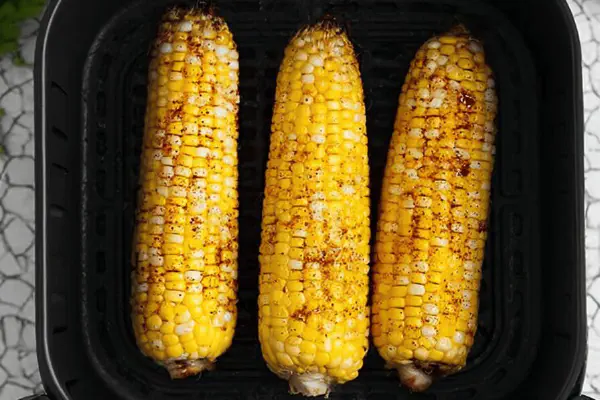
Crispy Air Fryer Corn
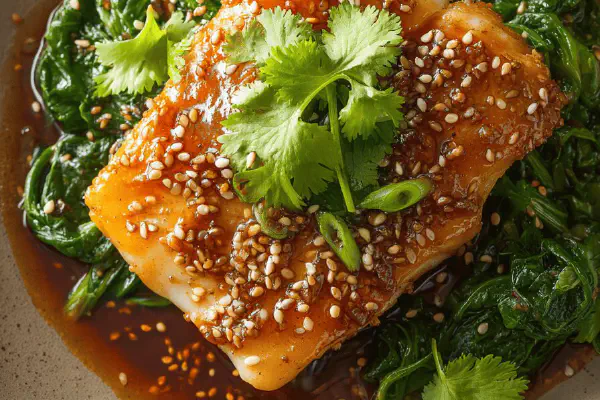
Haddock Apricot Glaze

Walnut Almond Honey Baklava
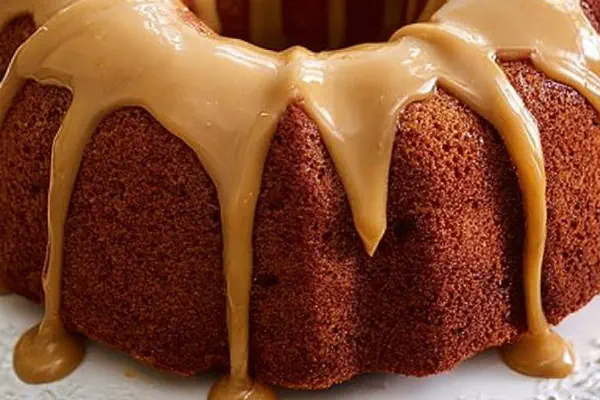
Salted Caramel Pound Cake
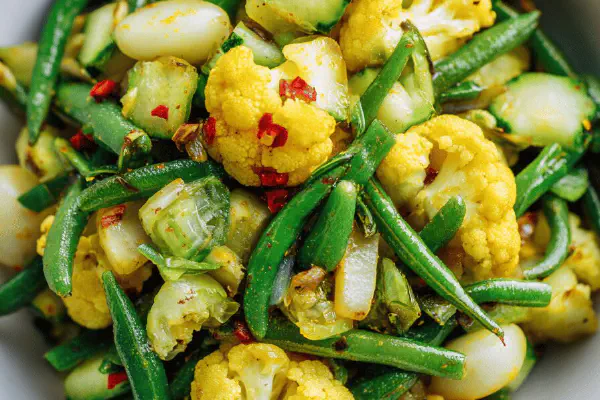
Twisted Piccalilli
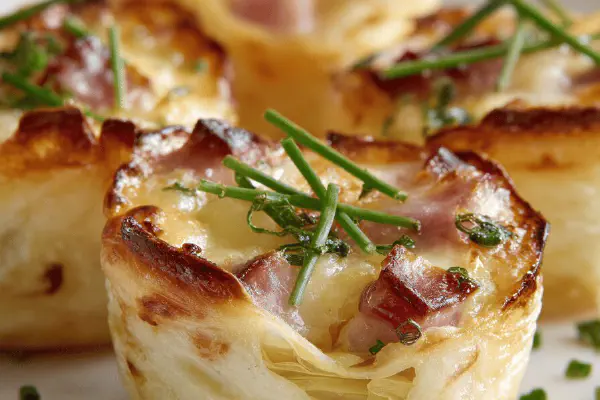
Endive Ham Mini Quiches
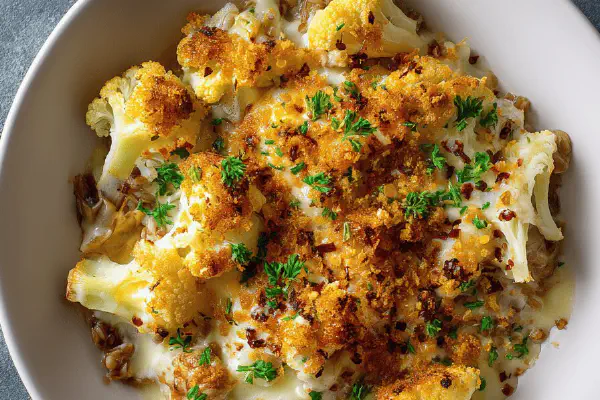
Cauliflower Spelt Gratin
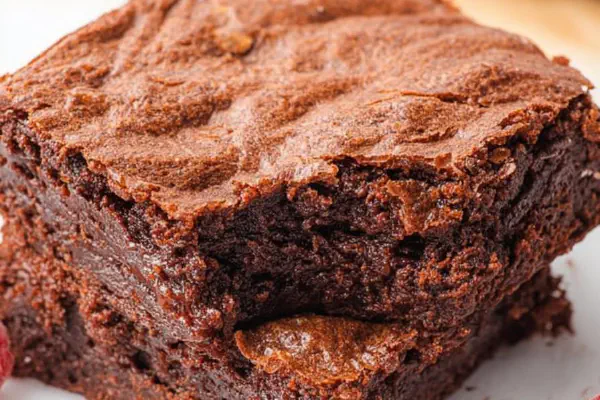
Dr Pepper Brownie Remix
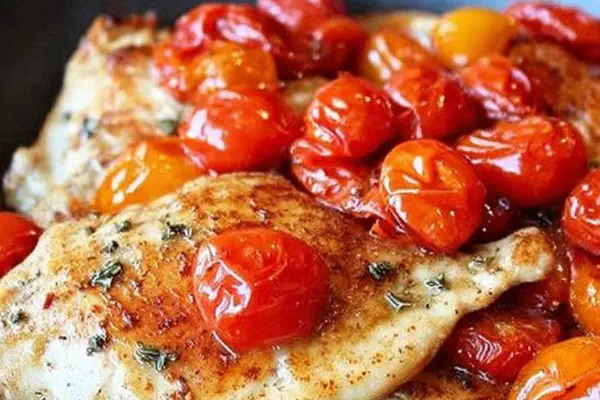
Orange Marmalade Chicken

Pineapple Cilantro Slaw

Coconut Cream Pie Bites

Warm Melty Chocolate Tart

Toasted Crunchy Asian Slaw

Herb Goat Cheese Dip Crudités
South Carolina Mustard BBQ Sauce Twist
Twisted Parsley Spinach Pesto

Twisted Pickle Chicken Salad
Twisted Tiramisu Revival
Quick Cherry Sauce Twist