Chicken Sausage Jambalaya
E
By Emma
Certified Culinary Professional
•
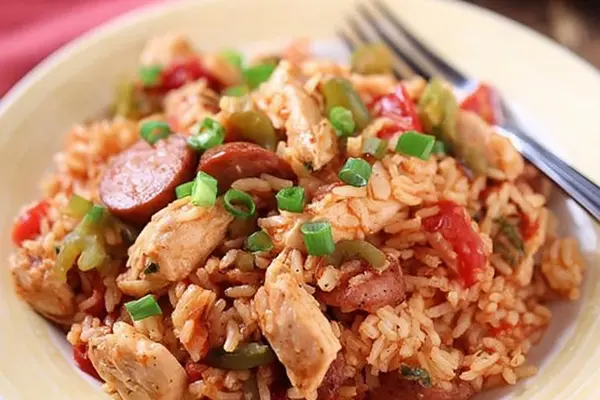
Recipe tested & approved
A hearty southern jambalaya with chicken thighs swapped in for breasts, smoky and rich, using andouille sausage replaced with smoked kielbasa for a twist. Layers of heat from cayenne instead of red pepper flakes. Rice cooks in savory broth steeped with bay leaves and creole seasoning. Brown meat first to render flavor into the pot, then sweat veggies until soft and fragrant. Tomatoes and sauce bring acidity while cooking down. Timing flexible, watch rice texture not clock. Serves 8, roughly 500 kcal per portion including protein and carbs.
Prep:
15 min
Cook:
40 min
Total:
55 min
Servings:
8 servings
#Southern Cajun
#One-pot meal
#Spicy rice dish
#Comfort food
#Weeknight dinner
#Leftovers friendly
Before You Start
Start by browning meat. Crucial step. Fat from sausage renders and flavors pot, chicken skinless thighs substituted here for juiciness over breasts, learned this after dry fail once. Smoked kielbasa took place of andouille this round—happy accident, more smoke, bit milder spice but great depth. You want that sizzle when hitting hot oil. Not just temperature, texture matters—crispy edges on meat bring powerful base aroma to whole dish. Onions and peppers sweat just right when translucent, garlic goes in briefly so it doesn’t burn bitter. Tomatoes and broth simmer together releasing tang and sweetness into broth. Rice cooked last, absorbing all those juices, sinking flavor in grain by grain. Don’t obsess on timing; let sight, smell, and feel guide you. This one has balance—heat, smoke, acid, and meatiness dancing. Past tries ended up mush or bland seasoning—tweaked the times and cayenne amount to tune heat precisely. For a weeknight meal or feeding crowd alike, satisfying, keeps well for leftovers too.
Ingredients
- 2 tablespoons vegetable oil
- 1 pound smoked kielbasa, sliced
- 1.5 pounds chicken thighs, boneless skinless, cut into pieces
- 1 large onion, diced
- 1 large green bell pepper, diced
- 4 cloves garlic, minced
- 1 can diced tomatoes with juice (14.5 ounces)
- 1/2 cup tomato sauce
- 1 teaspoon cayenne pepper (adjust to taste)
- 2 bay leaves
- 3 cups chicken broth
- 2 tablespoons creole seasoning
- 1 1/2 cups long grain white rice
In The Same Category · Main Dishes
Explore all →
Pork Chops Pineapple Grill
Spiced Pork Skewers
Stuffed Mozzarella Meatloaf
Turkey Cannellini Stuffed Peppers
Spinach Chicken Enchiladas
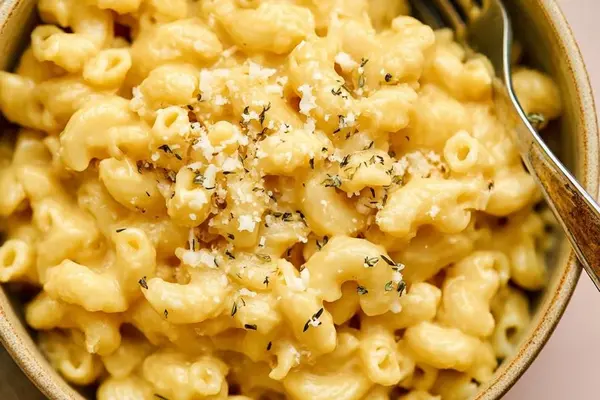
Butternut Squash Mac Cheese
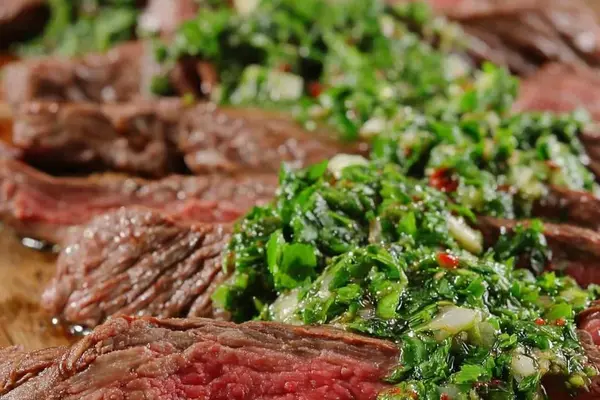
Grilled Skirt Steak Chimichurri
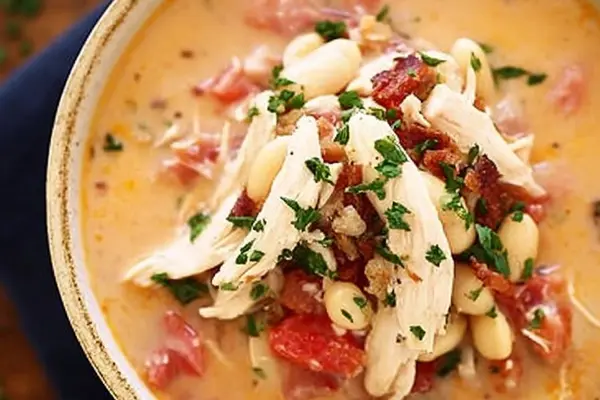
Rustic Slow Chicken Stew
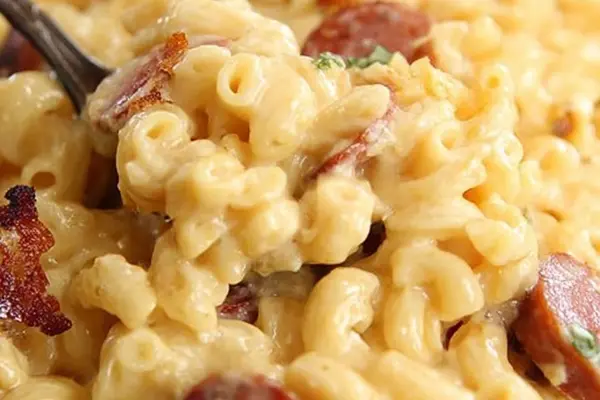
Creamy Smoked Sausage Mac
Tomato Basil Shrimp Pasta
Pork Ginger Lemongrass Skewers
Hearty Beef Vege Stew
Cheesy Salsa Chicken Rice
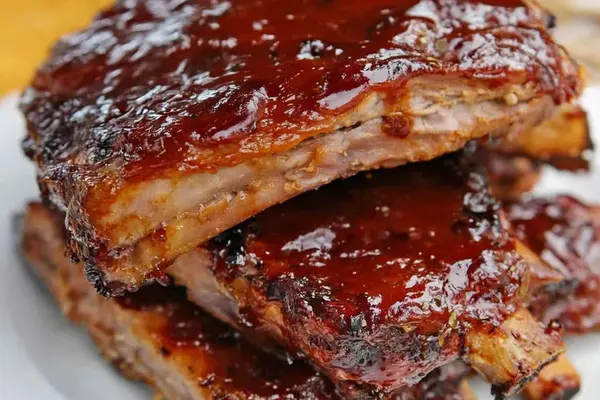
Oven-Steamed BBQ Ribs Twist
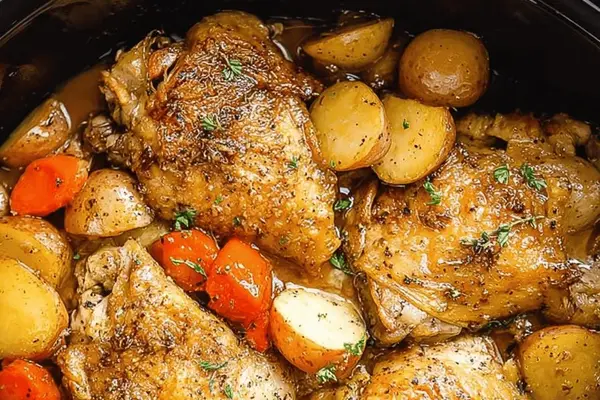
Slow Cooker Chicken Thighs
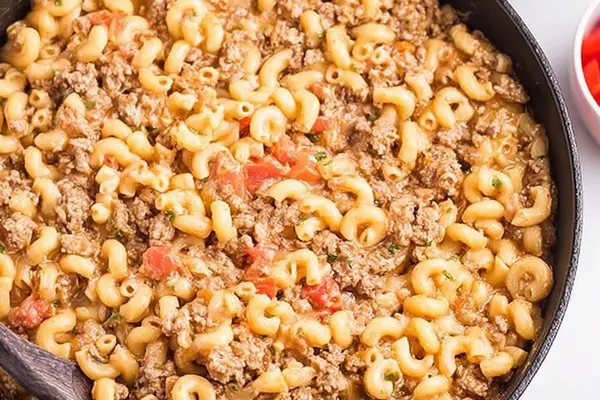
Beef Mac Skillet
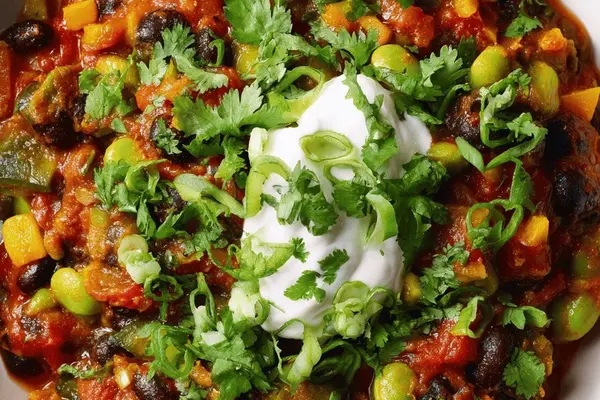
Vegetarian Edamame Chili
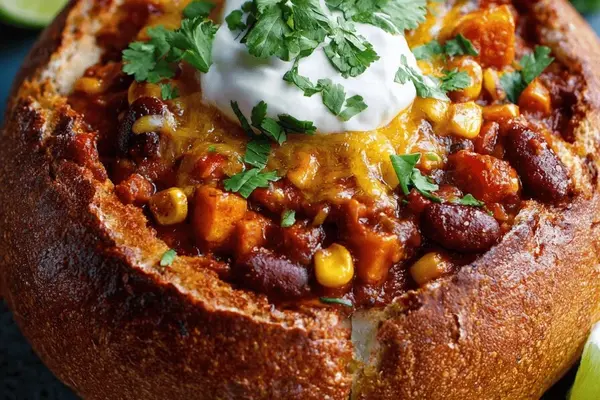
Hearty Veg Chili Twist
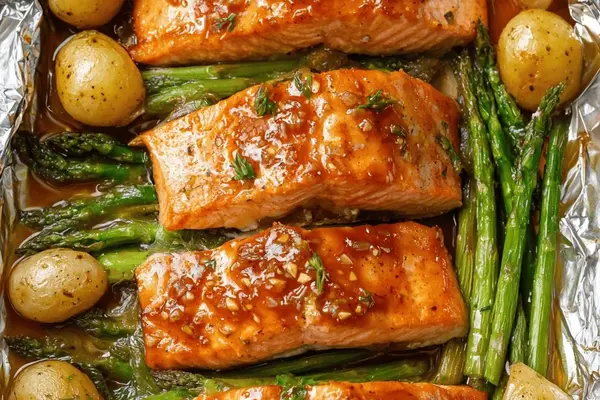
Salmon Miso Papillotes
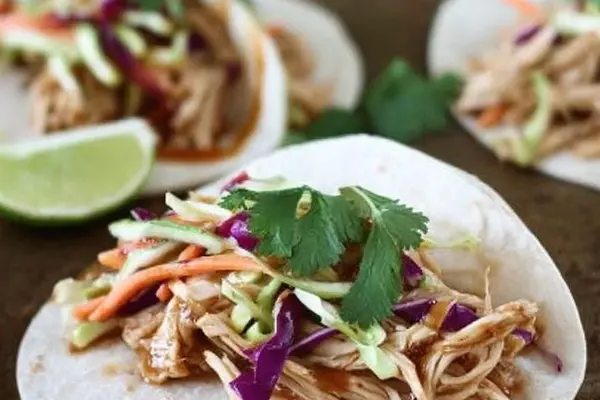
Slow Cooker Asian Chicken Tacos
About the ingredients
Swapped chicken breasts for thighs because they stand up better to longer cooking and stay moist—no sad dry bites here. Smoked kielbasa is handy sub for andouille if unavailable, less spicy but smokier; if both absent, use any smoked sausage with some fat content. Cayenne pepper replaces red pepper flakes for steady background heat, easier to measure and distribute evenly. If fresh veggies unavailable, frozen bell peppers and onions work; thaw and drain excess moisture to avoid watering down the dish. Use homemade or store-bought creole seasoning depending on your pantry; this adds signature southern flavor layer. Chicken broth is better than water; adds savory complexity and helps rice cook evenly. Long grain white rice stays fluffy; avoid instant rice here. Tomatoes bring acidity and moisture; if canned unavailable, fresh chopped ripe tomatoes with squeeze of lemon juice compensate. Vegetable oil preferred for high smoke point and neutral flavor; olive oil can overpower here. Bay leaves indispensable—add subtle woody notes that deepen over simmering. These ingredient swaps learned through trial—don’t skip any without considering effect on texture or flavor depth.
Method
- Heat oil in a large Dutch oven over medium-high. Add kielbasa and chicken and cook, stirring, until kielbasa chars and chicken browns all over. Should take about 6 to 10 minutes. The fond left behind is crucial. Use slotted spoon to scoop meat out. Don’t wipe pot clean; that oil and residue add deep flavor.
- Add diced onions and bell pepper to pot with remaining oil. Stir constantly so nothing sticks or burns. After 5 to 6 minutes, onions become soft and translucent, pepper starts softening, smell aromatic. Toss garlic in now, stirring for just 1 minute until fragrance wakes the pot. Too long and garlic scorches, bitter streak wrecks dish.
- Dump in diced tomatoes with juice, tomato sauce, cayenne instead of flakes for consistent heat, bay leaves, chicken broth, and creole seasoning. Raise to a boil. Bubbling here means the flavor meld will start coalescing; the acid from tomatoes lifts richness from meat fats. Small bubbles breaking surface is your visual cue, don’t rush.
- Lower to simmer. Stir in uncooked rice then add back all the chicken and kielbasa. Incorporate well so rice is coated with all liquid and seasoning. Cover tightly, reduce heat to low; cook for about 18 to 22 minutes. Stir occasionally but gently – not too often or rice won’t cook well, but enough to prevent sticking, especially edges. Rice is done when tender but slightly al dente, liquid is mostly absorbed, thick and soupy is wrong here.
- Remove bay leaves just before serving. Fluff jambalaya with fork to separate grains and let steam escape. Taste for seasoning; add extra salt or cayenne if needed. Let rest covered off heat 5 minutes before plating for flavors to sharpen and texture to firm up.
Cooking tips
Brown meat first to build flavor base. Hot pot, watch for crispy brown bits sticking—not burned. These bits are flavor nuggets. Remove meat before sweating veggies prevents overcooking and too crowded pan. Onions translucent means soft and shiny, no brown edges or raw crunch. Garlic added late; cooking it longer turns bitter and spoils dish. Tomatoes and liquids start simmering, cook off sharpness, merge acids and sugars which soften after boiling brief period. Stir rice in well so each grain is coated and submerged; this ensures even cooking. Return meat now to let flavors mingle evenly. Cover and cook low; low simmer bubbles prevent sticking and scorching. Stir occasionally, but not too often—disturbs rice’s cooking process. Grains should stay separate, tender with slight bite; mush means overcooked or too much liquid. Absorbed mostly—not bone dry, saucy lumps aren’t jambalaya. Let rest before serving; this finishes cooking and firms texture. Watch pot closely if using unfamiliar cookware or heat sources—too hot scorches bottom, too cool undercooks rice. Adjust temperature and times with experience. A kitchen timer useful as rough guide but your eyes and nose win here.
Chef's notes
- 💡 Brown the kielbasa and chicken until edges crisp; those browned bits stuck to pot? Flavor base. Don’t scrape clean. That residue gives deep umami after sweating veggies.
- 💡 Onions and bell peppers sweat until translucent not brown. Watch for softness, shiny texture. Garlic only goes in last minute or it scorches bitter which wrecks taste.
- 💡 Simmer tomatoes with broth, creole seasoning, bay leaves carefully; small bubbles at surface mean acids balanced and flavors marrying. Too hot, flavors dull fast.
- 💡 Rice added after broth simmers; coat each grain well. Cover pot tight, low heat, stir only few times gently. Too much stirring breaks grains, turns mushy instead of tender with bite.
- 💡 Remove bay leaves just before serving. Fluff with fork to separate rice grains and let steam escape. Rest covered off heat to let flavors settle, texture firms up nicely.
Common questions
Can I swap kielbasa for something else?
Yes - smoked sausage works if kielbasa unavailable. Andouille if spicy smoke desired. Fresh sausage too but watch fat content or add oil.
What if chicken breasts used instead of thighs?
Breasts dry easier. Longer simmer toughens them. Thighs stay moist under heat and time. If breast must use, watch cook time closely.
Rice turned mushy; why?
Over stirring breaks grains. Too much liquid or high heat makes sticky. Use long grain white rice, measure broth properly. Stir occasionally but gently.
How to save leftovers?
Cool quickly to avoid soggy rice. Store covered in fridge 3-4 days. Reheat gently adding splash broth or water if dry. Freeze possible but texture changes.
You’ll Love These Too
Explore all →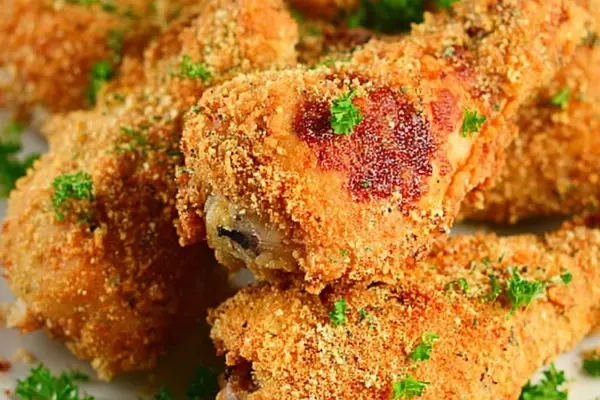
Crunchy Baked Chicken Twist

Zesty Lemon Royal Icing
Autumn Spice Tea Punch
Roasted Spiced Squash Soup
Lemon Granita Affogato
Classic Apple Tart
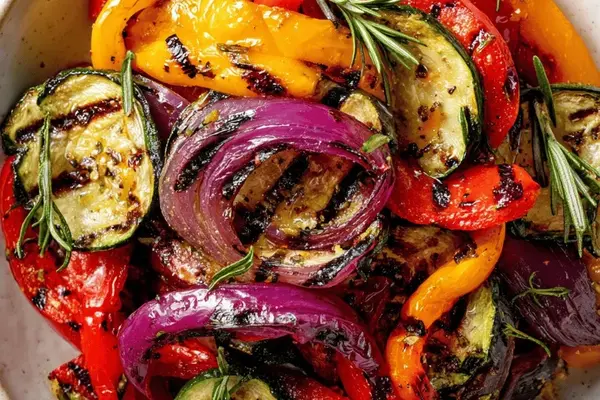
Smoky Marinated Veggies
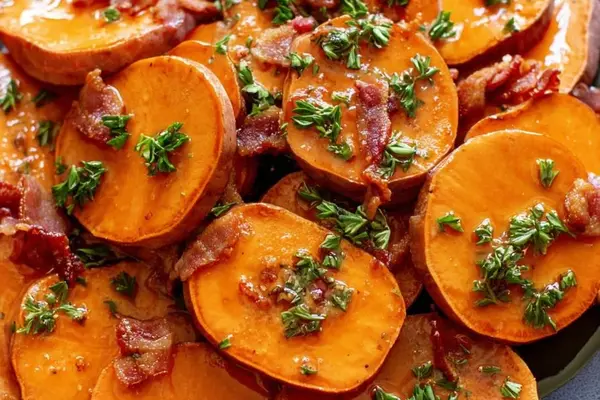
Slow Cooker Spiced Sweets
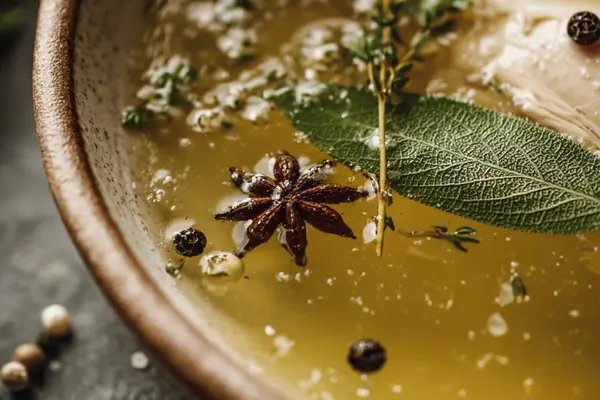
Homemade Chicken Broth with Herbs
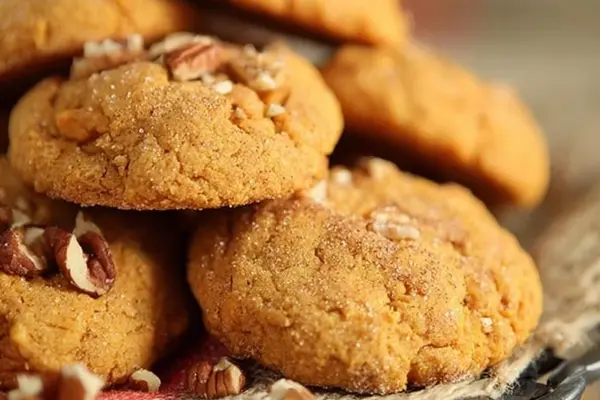
Sweet Potato Snaps
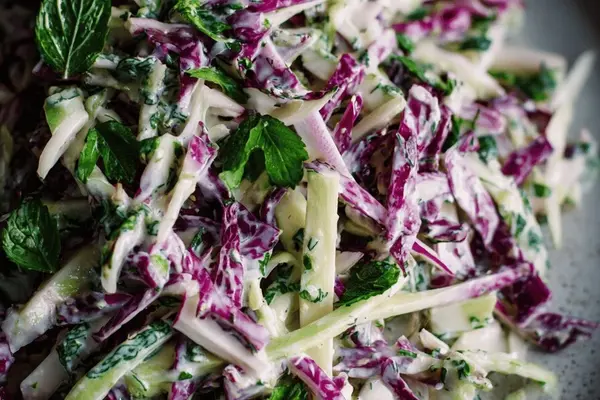
Crunchy Cabbage Salad
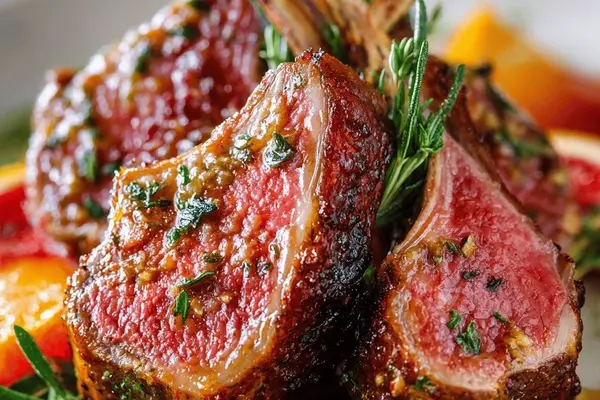
Honey Citrus Lamb Racks
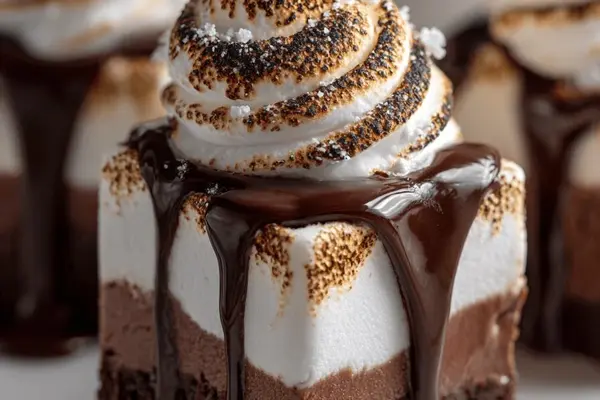
Marshmallow Hot Chocolate Cubes
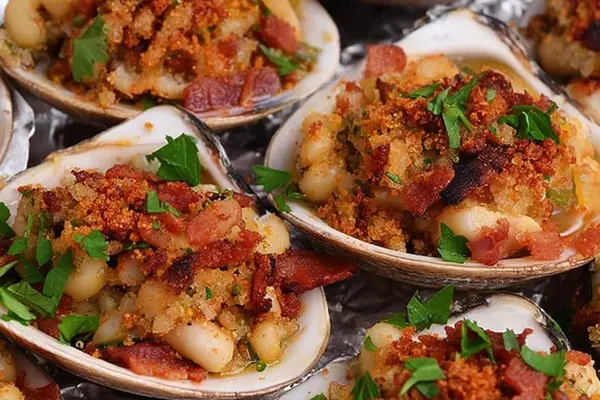
Clams Casino Variations
Savory Spice Blend Remix
Savory Herb Fougasse
Savory Steak Stir Fry
Cinnamon Sugar Biscuits Remix
Creamy Garlic Parmesan Linguine
Tomato Ricotta Tartlets