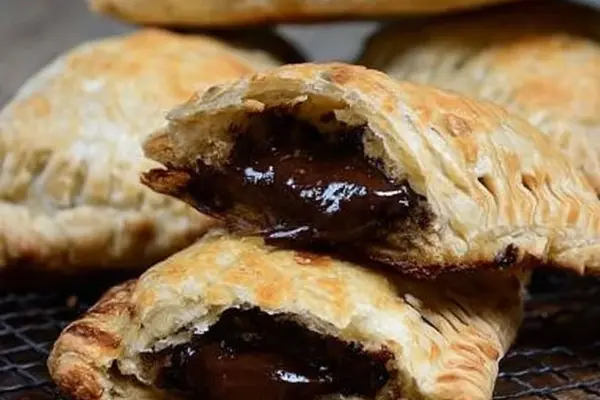
Chocolate Biscuit Turnovers with Vanilla Glaze
By Emma
Certified Culinary Professional
·
Recipe tested & approved
Flatten a biscuit. Throw chocolate right in the middle. Fold it. Seal it. Sixteen minutes and you’ve got something that tastes like you actually tried.
Why You’ll Love These Chocolate Biscuit Turnovers
Takes 12 minutes to prep if you’re not messing around. Seriously. Chocolate chunks — bigger than chips, so they don’t disappear into the dough. Actual chew when you bite it. Warm from the oven with a vanilla glaze that sets while you’re eating the first one. Uses refrigerated dough. Not from scratch. Not even close to complicated. The whole thing’s done in 28 minutes. Snack, dessert, doesn’t matter. Works either way.
What You Need for Chocolate Biscuit Turnovers
Eight refrigerated biscuit rounds. The kind in the tube. That’s the base. Chocolate chunks — not chips. Bigger pieces. They stay chewy instead of melting into nothing. Unsalted butter, melted. Three tablespoons. The glaze needs it. Powdered sugar. One and a quarter cups, sifted. Lumps ruin the whole glaze thing. Vanilla extract. A teaspoon. Real stuff works, but doesn’t have to be fancy. Milk. Two and a half teaspoons. Controls how thick the glaze gets.
How to Make Chocolate Biscuit Turnovers
Heat the oven to 355. Let it sit there for a few minutes — preheating actually matters here so the dough puffs right. Biscuits know when an oven isn’t ready.
Spray a baking sheet or line it with parchment. Silpat works too if you have one. Non-stick matters because chocolate can stick to anything.
Pull out a biscuit. Flatten it with your palm or a rolling pin until it’s roughly five inches across. Don’t press hard. Overwork the dough and it gets tough, which defeats the whole point. Aim for even thickness — that’s it.
How to Get the Chocolate Just Right
Drop two and a half tablespoons of chocolate chunks right in the middle of each flattened biscuit. Not on the edge. Middle. Bigger chunks than chocolate chips because chips disappear.
Fold the biscuit over to make a half-circle. This part matters — pinch the edges with a fork. Pinch hard. No gaps. A gap means steam leaks out, filling goes everywhere, mess happens.
Space them apart on the baking sheet. Let them sit at room temperature for three minutes. The dough relaxes, settles. You get a lighter crust when you do this.
Bake for 16 minutes. Watch for golden at the edges and puffiness all over. The bottom should brown slightly. Smell matters too — toasty butter smell means it’s close to done. Pull them out.
Chocolate Biscuit Turnover Tips and Common Mistakes
Cool them for five minutes before glazing. Straight from the oven and the glaze slides right off. Warm is fine. Too hot and it melts everything.
The glaze is simple — melted butter, powdered sugar, vanilla, milk. Beat it together. If it’s too thick, add milk one drop at a time. One drop. People always dump it in and end up with soup.
Drizzle it over while the turnovers are still warm. It sets almost instantly when they cool down. Squeeze bottle works best. A spoon works too if that’s what you have.
Eat them warm or room temperature. Both work. If you’ve got leftovers — unlikely — reheat for five minutes at 300 degrees. Brings back the crispness. Room temperature gets soft. The oven fixes that.
Chocolate Biscuit Turnovers with Vanilla Glaze
Prep:
12 min
Cook:
16 min
Total:
28 min
Servings:
8 servings
Ingredients
- 8 refrigerated biscuit dough rounds
- 2 1/2 tablespoons chocolate chunks
- 3 tablespoons unsalted butter melted
- 1 1/4 cups powdered sugar sifted
- 1 teaspoon pure vanilla extract
- 2 1/2 teaspoons whole milk
Method
- 1 Heat oven to 355 Fahrenheit. Important to preheat well so biscuits puff correctly.
- 2 Spray a baking sheet with non-stick spray or line with parchment paper; silpat works too for even browning and no sticking.
- 3 Flatten each biscuit gently with your palm or rolling pin to a roughly 5 inch circle. Don’t overwork dough or it toughens. Aim for even thickness.
- 4 Drop about two and a half tablespoons of chocolate chunks right in the middle. Larger pieces than chips breaks expectations and adds chew.
- 5 Fold biscuit over to form a half-circle. Pinch edges firmly with fork tines to seal well—no gaps or steam leaks or gooey mess.
- 6 Place turnovers on baking sheet spaced apart. Let rest 3 minutes at room temp to relax dough before baking. Gives lighter crust.
- 7 Bake for around 16 minutes. Look for golden hue along edges, puffiness, smell of toasty butter. Bottom should firm and brown slightly.
- 8 Remove from oven and cool 5 minutes on rack or plate—too hot means glaze runs off or melts turnover.
- 9 To make glaze, beat melted butter, powdered sugar, vanilla, and milk in small bowl. Adjust milk a drop at a time till thick but drizzle-able. Less milk for thicker.
- 10 Drizzle glaze over warm turnovers with spoon or squeeze bottle. Sets nearly instantly once cooled.
- 11 Eat warm or at room temp. To reheat, 5 minutes at 300 F revives crispness, avoiding soggy disappointments.
Nutritional information
Calories
220
Protein
3g
Carbs
28g
Fat
10g
Frequently Asked Questions About Easy Chocolate Desserts
Can I use chocolate chips instead of chunks? You can. They’ll melt faster though, almost disappear into the biscuit. Chunks hold up better. Chips are fine if that’s what you have.
How do I know when they’re actually done baking? Golden on the edges, puffed up, and the bottom’s got some brown on it. The smell helps — sounds weird but biscuits smell done before they look done sometimes. Sixteen minutes is the ballpark.
What if my glaze is too runny? More powdered sugar. Like a tablespoon at a time. Mix it in. Don’t add more milk — that’s the opposite direction.
Do these keep overnight? Yeah. Room temp in a container, they’re fine the next day. Might get a bit soft. That five-minute reheat at 300 fixes it completely.
Can I prep these ahead and bake later? Make them, don’t bake them. Keep them in the fridge on a plate, covered with plastic wrap. Bake whenever. They might need an extra minute or two if they’re cold, but it works.
What’s the difference between this and a Pop-Tart? This one tastes like you made it. Actual chocolate, actual butter in the glaze. It takes 28 minutes total. Pop-Tarts are fine. This is different.
You’ll Love These Too
Explore all →
Apple-Stuffed Maple Dumplings with Cinnamon

Honey Citrus Lamb Racks with Grapefruit
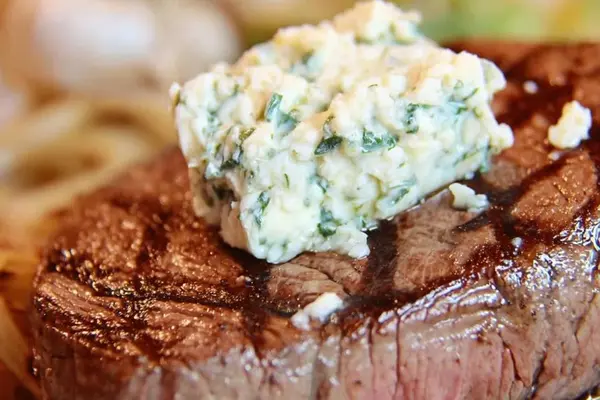
Grilled Beef Fillet with Garlic Butter Mushrooms

French Toast with Strawberry Coulis

Baked Mac and Cheese with Smoked Gouda
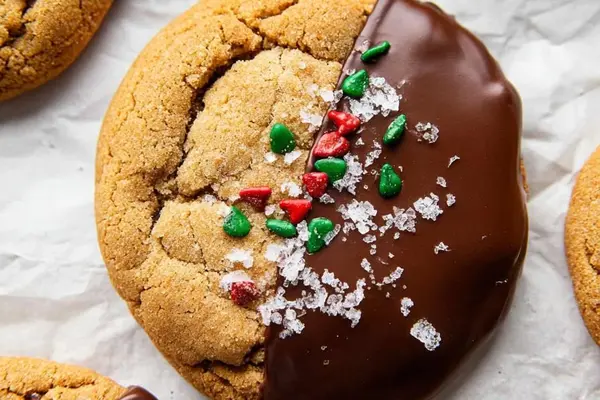
Chewy Peanut Butter Cookies Recipe

Baked Brie Recipe with Pepper Jack Cheese

Raspberry Yogurt Sherbet Recipe with Greek Yogurt

Grilled Asparagus Silken Tofu Salad
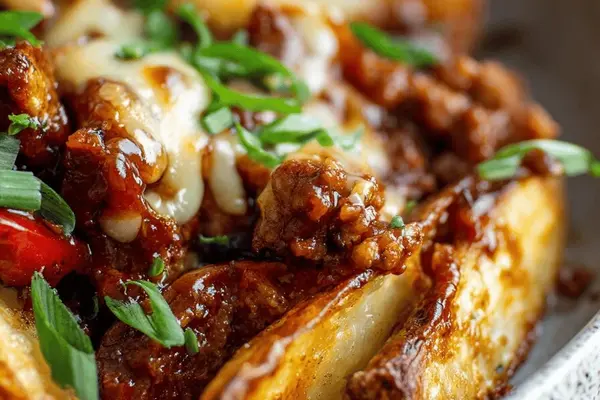
Barbecue Beef Poutine with Crispy Potato Wedges

Butternut Pumpkin Pasta Sauce with Sage
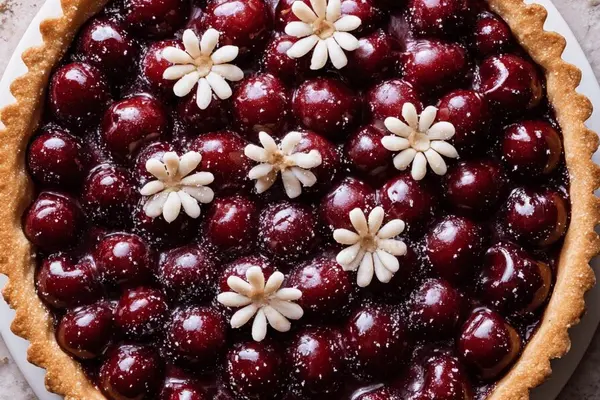
Cherry Pie with Yogurt Crust Recipe
Roasted Roast Beef with Thyme & Horseradish
South Carolina Mustard BBQ Sauce with Molasses
Chocolate Chip Banana Bread Recipe

Zucchini Appetizers with Hummus and Feta
Mint Chocolate Brownies with Ganache

Carrot Chive Soup with Fresh Leeks

Spanish Potato Omelet with Manchego Cheese