Chocolate Chip Cookie Ice Cream Cups
E
By Emma
Certified Culinary Professional
•
Recipe tested & approved
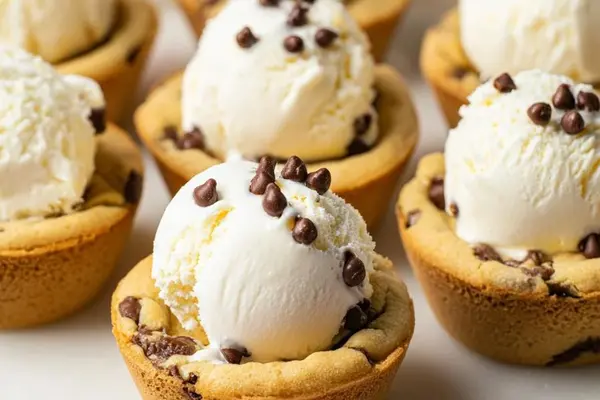
Cookie dough transformed into warm cups holding cold ice cream. Butter, sugars creamed light then egg, vanilla mixed in. Drys folded gently, mini chips stirred last. No rolling dough; scoop straight into greased muffin tin. Bake until edges glow golden, centers still soft. Press down warm spot to create cup shape. Cool to firm up or microwave briefly for warm cookie, cold ice cream contrast. Substitute coconut oil for butter for twist; brown sugar swapped partly with maple sugar adds subtle caramel notes. Watch edges, listen for crackling sounds; crease in middle is a sign to shape. Handle gently—still fragile warm. Serve with sprinkles, nuts, caramel drizzle or sea salt. A flexible base with classic, nostalgic flair.
Prep:
17 min
Cook:
14 min
Total:
31 min
Servings:
12 servings
#dessert
#cookies
#ice cream
#baking
#easy recipes
Before You Start
Butter and sugar beating up fluffy clouds of dough that smell like fresh bakery. Using a muffin pan for cookie baking is sneaky clever; the shape helps hold melted chips and pockets of vanilla ice cream, play with hot and cold contrasts in every bite. Trust your eyes here—golden edges, soft centers mean gooey joy inside the crisp shell. Don’t fuss with rolling balls; drop spoons of dough to keep texture intact. Been there—over mixing is a trap. Cool to stabilize before lifting prevents crumbled disaster. Add salt to punch cookie flavor up. More than chips, the dough itself pulls center stage. Warm it briefly then scoop cold cream inside, magic. Kitchen smells like childhood. Cup shape holds promise, every bite loaded with contrasts and memories.
Ingredients
- 1 stick plus 2 tbsp unsalted butter softened (or substitute coconut oil)
- 3/4 cup granulated sugar
- 1/2 cup packed light brown sugar
- 1 large egg
- 1 1/2 teaspoons pure vanilla extract
- 1 3/4 cups all-purpose flour dusted into bowl
- 1/2 teaspoon baking soda
- 1/4 teaspoon fine sea salt
- 3/4 cup mini chocolate chips plus extra to scatter
In The Same Category · Desserts
Explore all →
Chocolate Rum Whipped Cream
Red Velvet Cupcakes Twist
Coconut Cheesecake Bites Remix
Avocado Cookie Twist
Chunky Fudge Brownie Pie
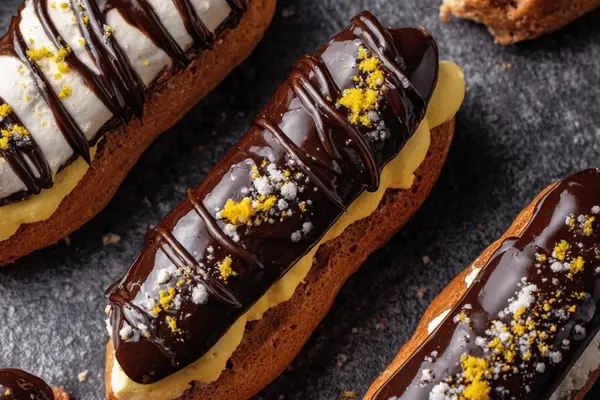
Double Chocolate Éclairs
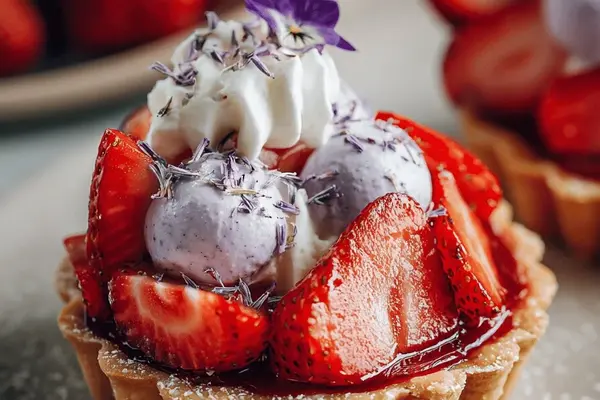
Strawberry Meringue Tartlets
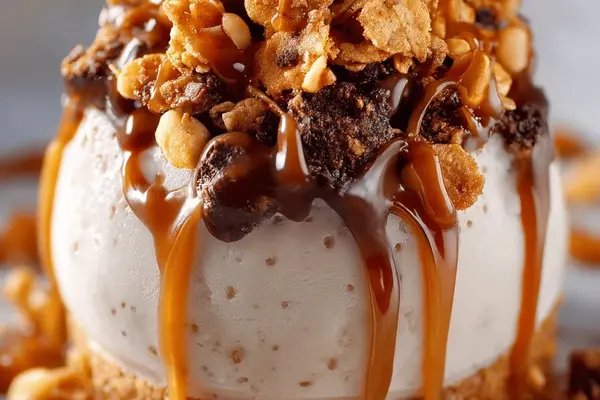
Peanut Butter Caramel Mousse
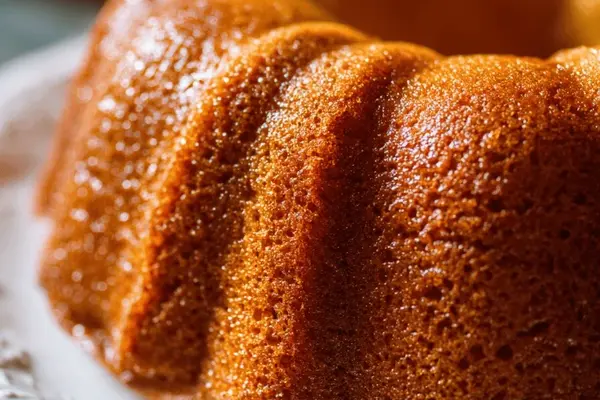
Whiskey Maple Cake
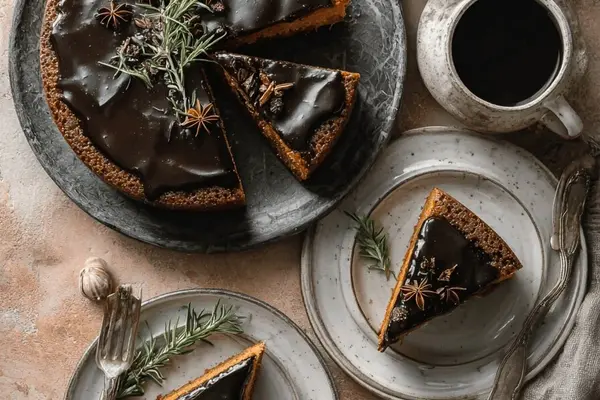
Pumpkin Spice Cake with Dark Ganache
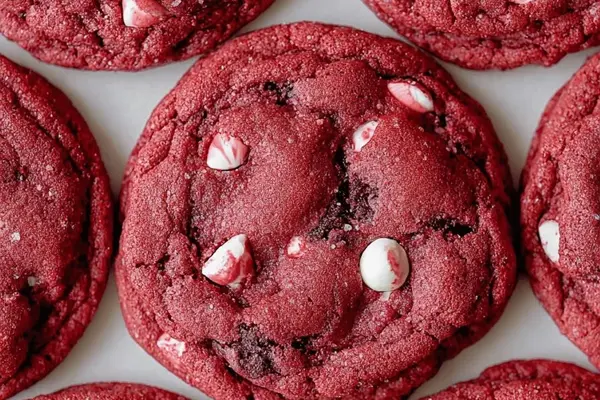
Red Velvet White Chip Cookies
Cheese Biscuits Strawberry Shortcakes
Scratch Brownies Ganache
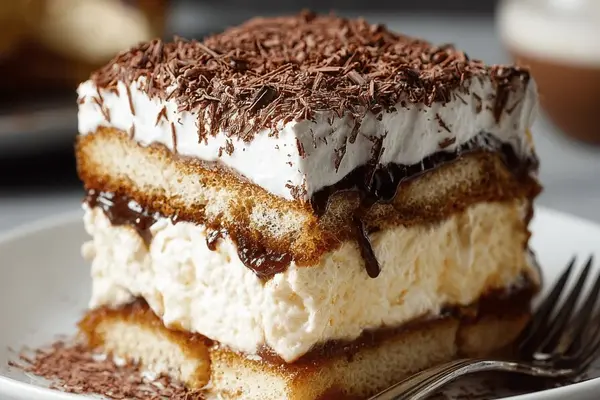
Twisted Tiramisu Revival
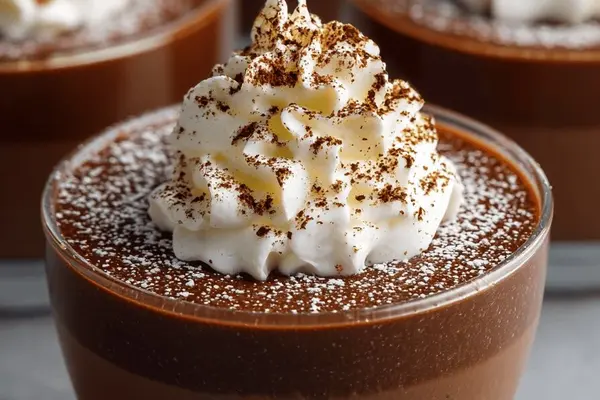
Coffee Cream Pudding Twist
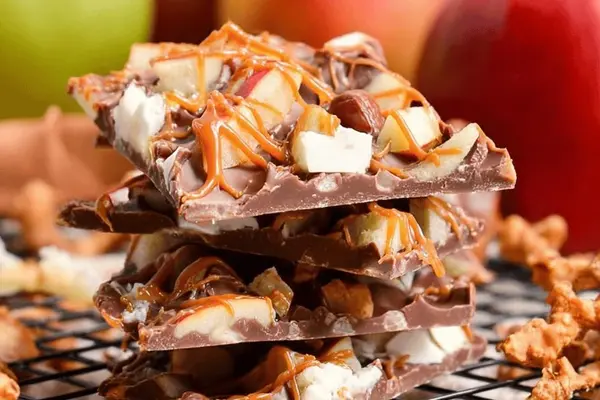
Caramel Apple Pretzel Bark
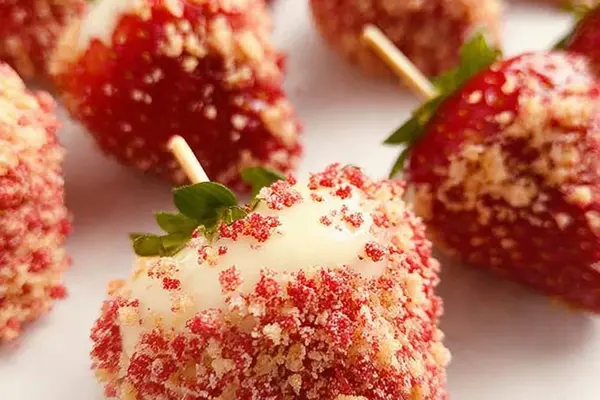
Pink Chocolate Strawberries
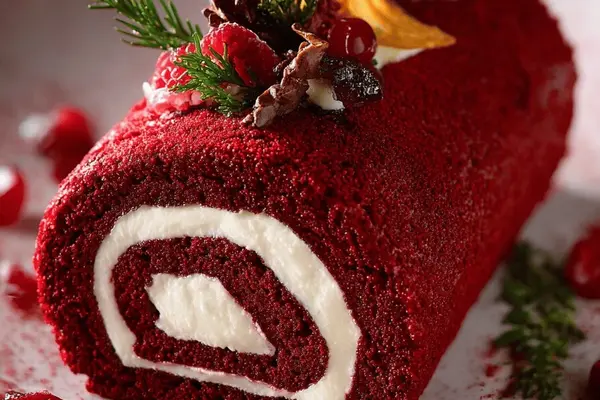
Red Velvet Yule Log
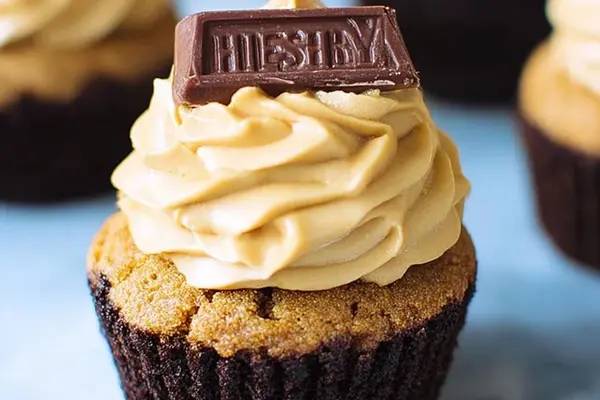
Chunky Brownie Bites
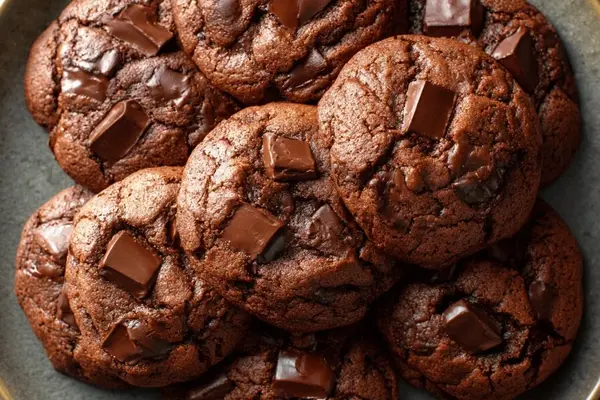
Frozen Chocolate Chip Cookies
About the ingredients
Butter and sugar ratio defines chewiness; swapping coconut oil adds subtle earthiness but watch for softer edges. A combo of brown and white sugar balances moisture and sweetness; adjusting sugar slightly shifts texture. Flour dusting in tins prevents sticking, especially important if baking spray alone doesn’t cut it. Baking soda plus salt gameplay controls spread and highlights sweetness. Vanilla quality matters—fresh extract beats artificial hands down. Mini chips preferred for even melt pockets and bites without dough overwhelm. Egg size variability affects moisture; keep closer to large type to avoid dry or floppy dough. You can swap half flour with oat flour for slight rustic chew, but cookies might spread more. Experiment with nuts or dried berries instead of all chips. Small changes have big texture and flavor impacts.
Method
- Set oven to 355 degrees Fahrenheit. Grease 12-cup muffin tin well with baking spray; optional - dust with a spoonful of flour in each cup to ease release later.
- In stand mixer bowl, cream butter and sugars on medium-high until dough pale and fluffy about 4 minutes. Sound changes become softer, lightened texture obvious.
- Add egg, vanilla extract. Blend until just mixed. Pausing to scrape down bowl edges and paddle helps get every bit folded in. Never skip this.
- Sift together flour, baking soda, salt and add gradually to wet mix on lowest speed. Overmixed dough tightens cookies; aim for just combined with streaks disappearing.
- Fold mini chips in manually with spatula; folding keeps chips intact and distributed evenly, no dense clumps or overmix.
- Spoon about 3 tablespoon mounds into cups. No rolling, just dollops. The dough naturally shapes to tin walls while baking.
- Bake 14-16 minutes. Watch carefully: edges turn a soft golden brown but centers stay glossy and doughy. You’ll hear soft crackles as edges crisp.
- Right from oven, tap cookie centers gently with spoon handle, pushing dough outward creating a shallow well. This makes the cup shape. Slightly underbaked feel here is intended—gooey’s the goal.
- Let cookies cool for 20-30 minutes in pan. This step solidifies structure; rushing this causes breakage. Use a small offset spatula or thin knife to release edges gently, then transfer to wire rack.
- After fully cooled, scoop ice cream inside cups. Optional: briefly microwave cookie cups for 5-7 seconds to soften before adding ice cream for warm-cool contrast.
- Add toppings such as chopped nuts, sea salt flakes, drizzle caramel or sprinkles for extra crunch or flavor pops.
Cooking tips
Start by properly creaming butter and sugars until noticeably lighter in color and fluffier texture—this aeration crucial for rise and texture. Egg and vanilla added next blend binding with flavor distribution; scrape bowl sides frequently to avoid uneven pockets. Combine dry mix slowly on low speed or folding by hand prevents gluten overdevelopment, which causes toughness—a common rookie mistake. Scooping dough directly keeps natural chunkiness; no rolling means better melt pockets and less dense structure. Watch baking edges for gentle golden hues and listen for faint crackling indicating crispness forming—centers remain tinny soft, don’t overbake. Shaping warm dough with spoon while still malleable is key; press gently to avoid tearing cups. Cooling inside the tin prevents breakage and preserves cup shape. Run a knife around edges to release without damage. Serving warm with cold ice cream heightens contrast, microwaving briefly achieves gooey outside without meltdown. Top with sea salt or nuts for texture contrast; plays well with sweet chocolate. Practice recognizing visual and tactile signs; time is guideline not rule.
Chef's notes
- 💡 Cream butter and sugars until airy — look for pale color and fluffiness. Sounds change—less screech, more soft. Overbeating? Dough stiffens, cookies tough. Break down bowl edges mid-way; missed spots cause uneven texture. Slow additions of dry ingredients keep gluten at bay, watch mixing speed or dough gets gluey, ruins chewiness. Fold chips last — manual motion saves pockets and stops flattening.
- 💡 Skip dough rolling, just dollop mounds into greased tins. Helps keep natural lumps and air pockets inside. Dust pan lightly with flour if spray stickier in your setup. Baking time tricky—edges golden but centers must stay glossy. Crackling sound from edges key indicator, listen closely. Press centers with spoon when warm to form cup; dough pliable then, cold no good. Underbaked middle means gooey center, don’t shy away.
- 💡 Butter swap with coconut oil changes edge crispness; watch timing, oil makes cookies softer. Brown sugar plus maple sugar tweak moisture and caramel notes. Salt amount subtle but pulls flavor forward. Vanilla quality impacts aroma long before baking. Mini chips melt evenly and avoid clumps; large chips create density, skip for better texture. Egg size matters; large eggs keep dough balanced in moisture. Experiment with some oat flour but cookies spread more, handle cool-down carefully.
- 💡 Cooling phase is not optional. Cookies fragile warm, crumble if rushed. Twenty to thirty minutes in pan firm up shape. Run thin knife around edges before loosening; gentle release saves fragile cups. Reheating brief and quick in microwave softens for serving warm but avoids meltdown. Toppings like nuts, sprinkles or sea salt flakes add crunch and contrast against soft cookie and cold ice cream. Texture plays big role here, don’t neglect final add-ons.
- 💡 Watch dough closely—overmixed dough tight, loses chew. Sound shifts while creaming butter a good tip; listen early and late. Fold chips gently or distribution uneven. Baking time varies by oven so watch edges for slight golden browning. Centers must feel soft, glossy. Spoon press method forms cup shape while warm only. Cooling inside pan keeps shape intact. Serving cold ice cream in cookie shell — quick warm-up beforehand balances textures dramatically.
Common questions
How do I know when cookie cups are done?
Edges turn golden, center stays glossy. Crackling sound from edges signals crisping. Press center warm dough gently; should yield just right. Not fully firm here means gooey inside. Avoid baking too long or centers dry.
Can I substitute coconut oil fully for butter?
Yes but cookies soften, edges less crisp. Baking time slightly less. Texture shifts; keep an eye on dough consistency. Butter gives more rise and structure. Coconut oil adds earthier tone and softness. Mix partially if unsure.
Why do cookie cups fall apart after baking?
Usually caused by rushing cooling. They need 20-30 minutes in pan to firm. Pressing centers incorrectly or overbaking causes brittle edges. Use spatula or knife to loosen edges carefully. Underbaked centers hold shape better. Microwaving too long melts cup.
How to store leftover cookie cups with ice cream?
Separate if possible. Keep cookie cups airtight at room temp up to 2 days; longer leads to sogginess. Ice cream best frozen separately. Assemble right before serving. If pre-assembled, freeze tightly covered but expect softer dough texture when thawed. Don't microwave if frozen solid.
You’ll Love These Too
Explore all →
Chocolate Cream Cheese Cupcakes
Kale Pita Pizza Remix
Twisted BLT Stack
Butter-Basted Slow Cooker Turkey
Grapefruit Loaf Twist
Iced Rhubarb Cake
Oreo Choco-Mint Shake
Garlic Parmesan Mushrooms Remix
White Bean Shrimp Salad

Cheesy Risotto Arancinis
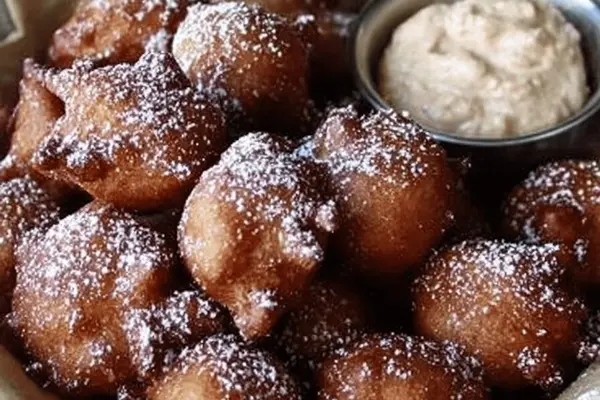
Honey Cinnamon Apple Fritters
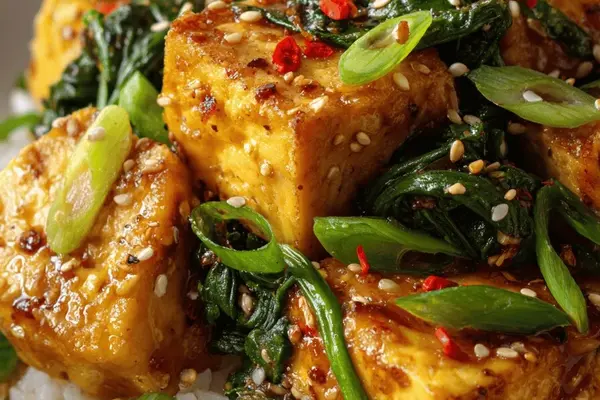
Ginger Orange Tofu
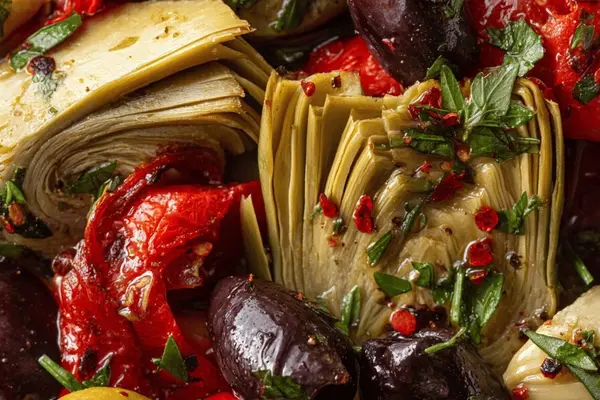
Spicy Tangy Antipasto
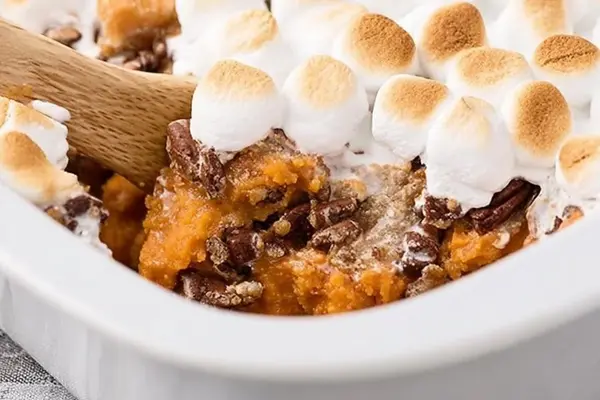
Sweet Potato Pecan Bake
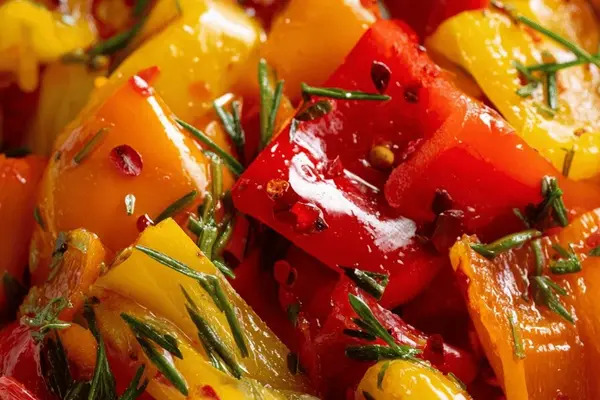
Marinated Sweet Mini Peppers
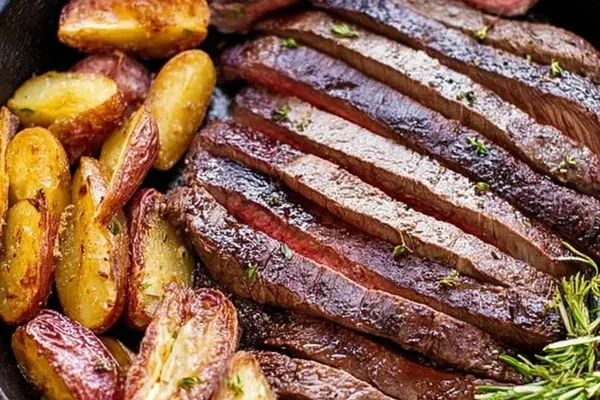
Marinated Broiled Flank Steak
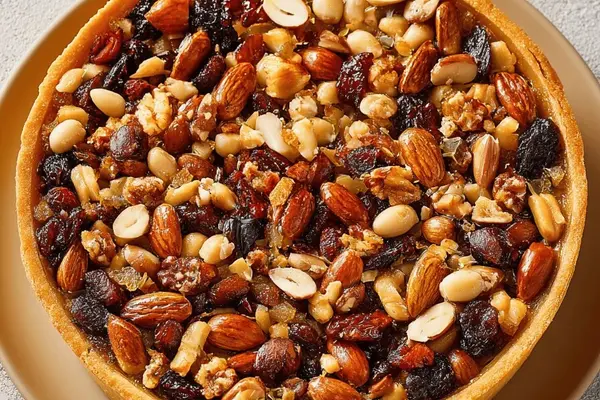
Fruity Nut Tart Remix
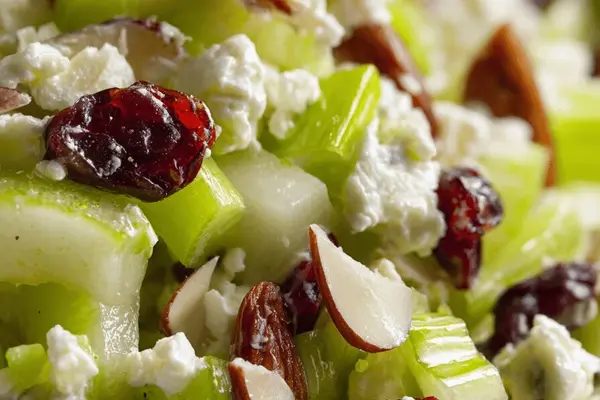
Celery Feta Salad Remix
Spinach Mushroom Lasagna
Shredded Tofu Sliders