Chocolate Cookie Cocoa Powder Recipe
By Emma
Certified Culinary Professional
·
Recipe tested & approved
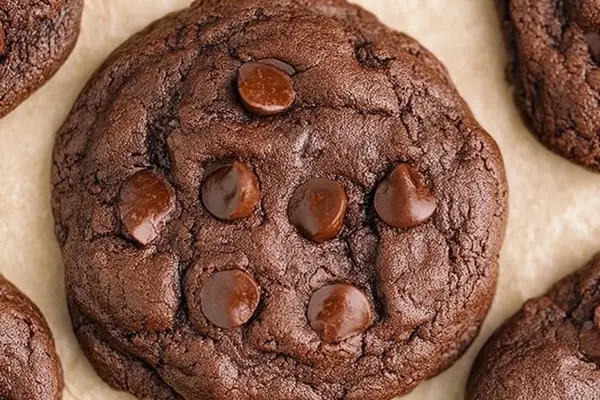
Fudgy chocolate cookies made with Dutch-processed cocoa powder and dark chocolate chips. Tapioca starch adds chew while brown sugar keeps them tender and chewy.
Prep:
20 min
Cook:
10 min
Total:
1h 30min
Servings:
20 servings
Butter goes in cold. Not soft. That changes everything.
Why You’ll Love This Chocolate Cookie Cocoa Powder Recipe
Takes 20 minutes to prep if you’re not rushing. Then you wait — the chilling part matters more than you think, and it pushes the total to an hour and a half, but most of that’s sitting in the fridge while you do something else.
Homemade chocolate cookies that actually taste like chocolate. Not that watered-down cocoa flavor — Dutch-processed cocoa powder gives it something deeper, almost bitter in the good way.
The texture. Soft center, crispy edges. Doesn’t happen by accident. The egg white does something. The half-and-half does something. Both together is the point.
Comfort food that comes out of your own oven. Tastes like you know what you’re doing.
What You Need for Chocolate Cookies Using Cocoa Powder
Flour. All-purpose. No bread flour, no cake flour — all-purpose works.
Dutch-processed cocoa powder. Not the regular kind. The Dutch kind is darker, smoother. Regular cocoa tastes thin next to it.
Baking soda and baking powder. Both. They do different things. Don’t skip either.
Tapioca starch. A tablespoon. Makes them tender. Corn starch works too if you don’t have it. Honestly, you could skip it. Cookies just won’t be quite as soft.
Butter. Ten tablespoons. Softened but still cool — room temperature is too warm. Melted is way too warm. You want it to give when you press it, not feel like butter soup.
Both sugars. One-third cup granulated, two-thirds cup brown. Brown sugar keeps them moist. Granulated gives them structure. Together they work.
Vanilla extract. A teaspoon. Real vanilla. Not the imitation kind.
One whole egg. One egg white beaten separately. The white keeps them lighter, fluffier. Not like cake. Like cookies that feel less dense.
Half-and-half cream. One-third cup. Not milk. Not heavy cream. Half-and-half. It matters — the fat ratio changes the texture.
Dark chocolate chips. One and a half cups, and you use some twice — most mixed in, some pressed on top while they’re hot.
How to Make Chocolate Chip Cookies with Cocoa Powder
Mix the dry stuff first. Flour, cocoa powder, baking soda, baking powder, tapioca starch. Whisk it until the color looks even — you shouldn’t see any tan streaks or dark clumps. Takes maybe a minute. Set it aside.
Cream the butter with both sugars. This is where the paddle attachment helps, but a bowl and a wooden spoon works too. You want it pale and kind of fluffy — like it grew. Two and a half minutes if you’re using a mixer on medium. Longer if you’re doing it by hand. Scrape down the sides halfway through or you’ll have butter chunks stuck to the bowl.
Pour in vanilla and the whole egg. Beat until it’s all mixed. Then fold in the beaten egg white gently — you’re trying to keep the air bubbles you just added. This is the only time you care about keeping things airy. Don’t overbeat here or you’ll tighten everything up.
Lower the mixer speed now or go slower by hand. Add half the dry mixture. Then add half the half-and-half. Mix just until you can’t see dry flour anymore. Stop immediately. You’re not making a smooth batter — you want it still kind of shaggy.
Repeat. Second half of dry stuff, second half of cream. Again, stop as soon as it holds together. Overworking at this point is how you get tough cookies.
Stir the chocolate chips in by hand. No mixer. Just a spoon or a spatula. You want them spread throughout, not pulverized into the dough.
How to Get Chocolate Cookies Crispy Edges and Soft Centers
Wrap the dough. Use plastic wrap or a cover. Chill it. Minimum one hour. Three hours is better if you have time. The butter gets firm, the flavors deepen, and the cookies spread less in the oven.
Heat the oven to 350°F. Line your sheets with parchment or silicone mats. Don’t grease them. Cookies hold their shape better on ungreased parchment.
Scoop the dough. Use a mid-sized scoop if you have one, or a heaping tablespoon if you don’t. Roll each one between your palms into a smooth ball. Smooth balls bake more evenly.
Space them two inches apart. They’re going to spread a little.
Bake for about 10 minutes. The edges will look firm and darker. The center will still be soft, almost wet-looking. That’s exactly right. Pull them out. They’re not done baking yet — they finish cooking on the hot pan with carryover heat. Takes a couple more minutes.
While they’re still hot, press a few chocolate chips on top of each one. The residual heat melts them slightly. Creates that contrast between melty chips and the cookie underneath.
Let them sit on the pan for a few minutes. Then move them to a rack to cool completely. Don’t stack them while they’re warm or they’ll fuse together.
Chocolate Powder Cookies Tips and Common Mistakes
Watch the color, not the clock. Smell them. When you catch that deep chocolate and caramelized sugar smell, they’re close. That’s your timer.
Don’t chill the dough for too long. Beyond three hours and it gets hard to scoop. If that happens, let it sit at room temperature for 10 minutes and it softens back up.
The butter temperature matters. Cold butter creams slower but produces better texture. Warm butter creams faster but spreads too much in the oven.
Simple chocolate cookies with cocoa powder come out better when you don’t overbake them. Soft center is the whole point. Overbaked means hard cookies. They don’t improve with time either.
The egg white is doing work. Don’t skip it just because it seems fussy. It’s two minutes of effort and it changes everything about the texture.
Brown sugar can clump. Pack it down when you measure it. A clump of brown sugar turns into a dense pocket in the cookie.
Dutch cocoa powder is darker and more bitter than regular cocoa. If you can’t find Dutch, regular works but the flavor won’t be as rich. Try to get Dutch. It’s worth it.
Chocolate Cookie Cocoa Powder Recipe
Prep:
20 min
Cook:
10 min
Total:
1h 30min
Servings:
20 servings
Ingredients
- 1 3/4 cups all-purpose flour
- 1/4 cup Dutch-processed cocoa powder
- 1/2 teaspoon baking soda
- 3/4 teaspoon baking powder
- 1 tablespoon tapioca starch
- 10 tablespoons unsalted butter, softened but cool
- 1/3 cup granulated sugar
- 2/3 cup light brown sugar, packed
- 1 teaspoon pure vanilla extract
- 1 large whole egg
- 1 large egg white, lightly beaten
- 1/3 cup half-and-half cream
- 1 1/2 cups dark chocolate chips, divided
Method
- 1 Whisk dry ingredients: flour, cocoa, baking soda, baking powder, tapioca starch till even color, lumps gone. Set aside.
- 2 Cream butter and both sugars using paddle attachment or by hand. Should turn pale, airy - about 2 1/2 minutes at medium speed or slightly longer mixing by hand. Scrape sides well.
- 3 Add vanilla, whole egg; beat to incorporate fully. Fold in beaten egg white gently to keep air bubbles intact - this yields softer texture. Avoid overbeating now.
- 4 Lower mixer speed. Add half the dry mix gradually. Add half half-and-half. Mix just till combined, no more.
- 5 Repeat the dry mix and cream addition. Stop mixing as soon as dough holds together. Overworking scrambles butter and tightens gluten - tough cookies.
- 6 Stir chocolate chips in by hand. No mixer for this step; aim is even distribution without crushing chips.
- 7 Wrap dough airtight. Chill minimum 1 hour, up to 3 hours if possible. Chilling slows butter, reduces spread and intensifies flavors. Rest time vital.
- 8 Preheat oven 350°F (175° C). Line sheets with parchment or silicone liners. Avoid greasing, cookies hold better that way.
- 9 Portion dough with mid-sized scoop or heaping tablespoon. Roll between palms for smooth balls – helps even baking spread.
- 10 Place 2 inches apart. Bake about 10 minutes. Watch edges. When firm but center still a bit soft, pull out. Cookies firm up off heat but keep moist interior.
- 11 While hot, press a few chips on top for show and melty contrast. Let sit on sheet few minutes then transfer to rack for full cooling. Avoid stacking warm cookies.
- 12 Use visual cues not just timer. Smell deep chocolate and sugar caramelizing. Texture touches warm dough corners for perfect finish.
Nutritional information
Calories
182
Protein
2g
Carbs
27g
Fat
7.5g
Frequently Asked Questions About Chocolate Powder Cookies
Can I use regular cocoa powder instead of Dutch-processed? Yeah, but they’ll taste different. Regular cocoa is thinner, more acidic. Not bad. Just not the same. Dutch cocoa is deeper, more chocolate-forward. If you’re only using cocoa powder cocoa flavoring, might as well go Dutch.
How long do these keep? Three days in an airtight container. Maybe four if it’s cold. After that they start to get hard. Not stale exactly — just dense.
Can I freeze the dough? Absolutely. Wrap it airtight. Lasts a month, maybe longer. Thaw it in the fridge overnight before baking. Or bake straight from frozen — adds a couple minutes, but it works.
Why did mine spread too much? Butter was too warm. Or you skipped the chilling step. Or the oven wasn’t fully preheated. All three make them spread. Cold dough, hot oven.
Can I make these without the egg white? Sure. Use a whole egg instead. They’ll be less fluffy, denser. Still good cookies. Just different.
What if I don’t have half-and-half? Equal parts whole milk and heavy cream. Mix them and you basically have half-and-half. Or just use whole milk — slightly less rich but still works.
Can I add oatmeal or nuts? Oatmeal works. Fold it in with the chocolate chips. Half cup maybe. Nuts work too but they compete with the chocolate flavor. These are chocolate cookies using cocoa powder first. Everything else is secondary.
Why add chocolate chips on top if they’re already in the dough? The ones on top get melty and gooey. The ones inside stay intact. Two different textures in one bite. That’s the point.
You’ll Love These Too
Explore all →
Maple Rum Babas Recipe With Dark Spiced Rum
Fettuccine Alfredo With Chicken and Broccoli
Berry Quinoa Bowl with Greek Yogurt
Roaster Chicken with Wine & Thyme Pan Sauce
Chap Chae Recipe with Sweet Potato Noodles
Strawberry Short Cake Recipe Fresh Berries
Slow Cooker Beef Ragu with Red Wine
Beet Risotto with Arborio Rice & Ricotta
Instant Pot Pulled Pork
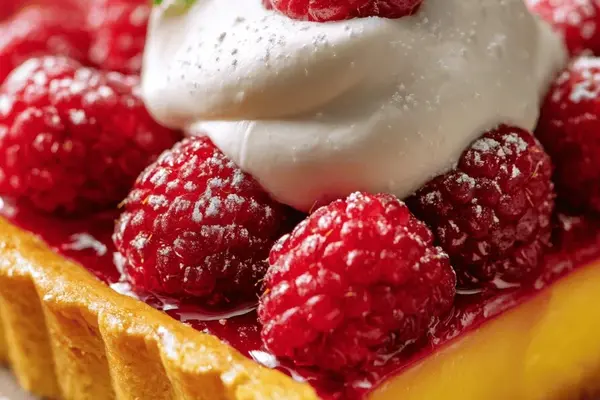
Lemon Raspberry Tart with Cornmeal Crust
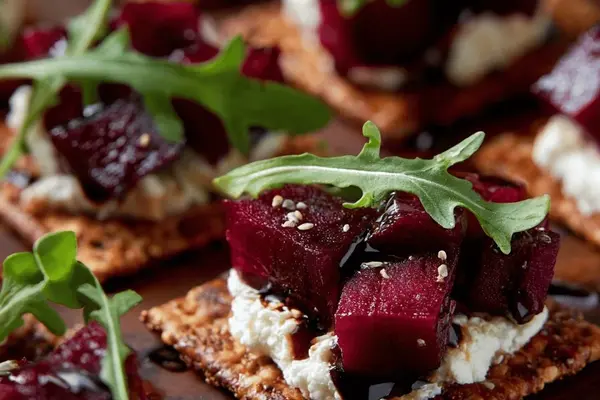
Goat Cheese Appetizers with Beets and Arugula

Bleeding Blonde Beer Cocktail Recipe
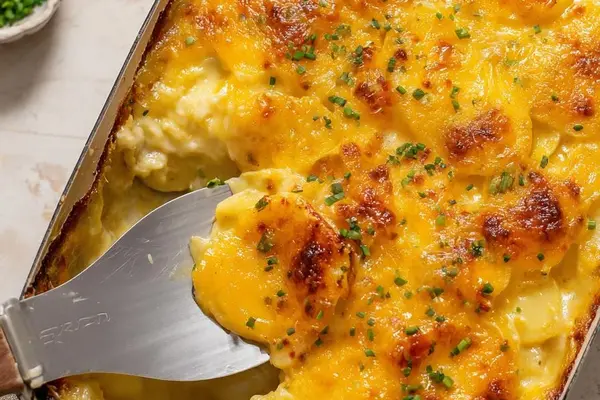
Cheesy Scalloped Potatoes with Cheddar

Tuna Melt with Asparagus & Radish
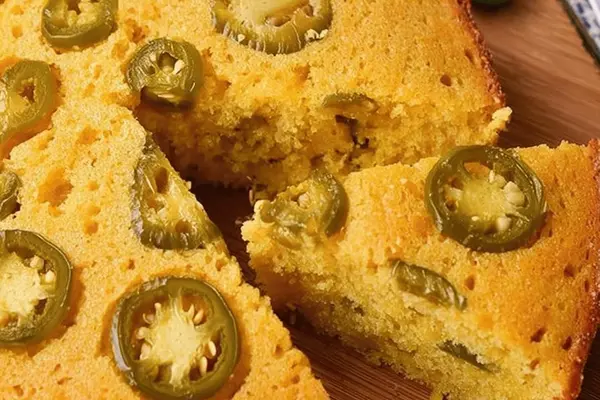
Honey Jalapeño Cornbread with Butter
Pear Chocolate Cake with Dark Chocolate Mousse
Creamy Mushroom Sauce with Veal
Pinto Bean Chili with Smoked Paprika
Crispy Chicken with Chili Garlic Sauce