
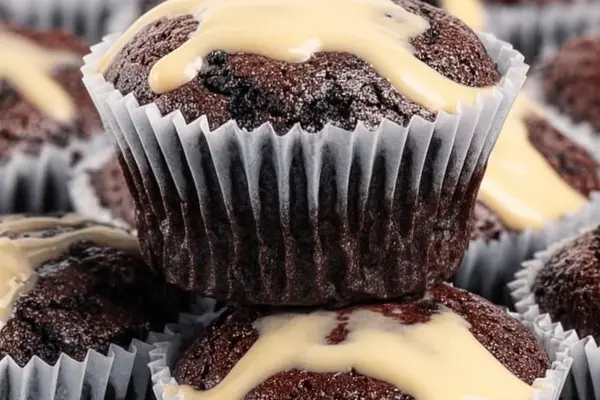
Chocolate Cream Cheese Cupcakes
By Emma
Certified Culinary Professional
·
Recipe tested & approved
Dark chocolate cupcakes filled with creamy cheese centers and mini chocolate chips. Tender cocoa cake with tangy cream cheese filling creates the perfect contrast.
Prep:
12 min
Cook:
18 min
Total:
30 min
Servings:
22 servings
Batter into liners about a third of the way, then a dollop of that cream cheese mixture right in the middle — that’s the whole trick. Looks like two things but it’s one cupcake that comes out chocolatey and rich with this surprise soft center that tastes nothing like regular frosting. Takes 30 minutes total if you move.
Why You’ll Love These Chocolate Cream Cheese Cupcakes
Comfort food that doesn’t feel like comfort food. Just chocolate that tastes like actual chocolate, not sweet air.
The filling stays creamy even after they cool. Doesn’t get weird or crusty like cream cheese frosting does sometimes.
One bowl for the batter. Another for the filling. Cleanup’s pretty fast.
Keeps for three days chilled. Freeze them. Pull one out when you need something that feels like more effort than it was.
Makes 22. Works for a crowd or for freezing half and forgetting about them until next week.
What You Need for Chocolate Cream Cheese Filled Cupcakes
The batter side: all-purpose flour. Not cake flour — too soft. A cup and a tablespoon gives you structure.
Cocoa powder. Unsweetened. Sift it first or it clumps and tastes chalky. The sifting matters more than you’d think.
Sugar, baking soda, salt. Water. Oil — vegetable or canola, not olive. Vinegar and vanilla. The vinegar reacts with the baking soda and makes it rise. Not optional.
Cream cheese filling: eight ounces of cream cheese, softened. Not cold. Cold doesn’t mix smooth and you’ll have lumps. Ten tablespoons of sugar for it. One egg. Vanilla. Mini chocolate chips — semisweet or dark if you want it less sweet. Fold them in gently so they don’t break up.
How to Make Chocolate Cupcakes with Cream Cheese Filling
Heat the oven to 345°F. Line two muffin tins with paper liners. Twenty-two total. Foil ones don’t work — they brown uneven and the edges get weird.
Whip the cream cheese and sugar together with a handheld mixer on medium-high for about 40 seconds. You’re looking for no lumps. Add the egg and vanilla and mix just until the streaks disappear. Stop there. Over-mix and it cracks while it bakes. Fold in the chocolate chips by hand — soft, careful folds. Set it aside.
In a large bowl whisk the flour, sugar, cocoa, baking soda, and salt together. Make sure the cocoa powder gets broken up. Dump the water, oil, vinegar, and vanilla in and whisk hard until it’s uniform. Thick but pourable. Keep going until you see a slight sheen on top. That’s when you stop.
Fill the liners about a third of the way up. About a tablespoon and a half each. Then dollop a teaspoon of the cream cheese mixture right in the center. Don’t overfill. The cream cheese sinks if you do.
How to Get Cream Cheese Stuffed Chocolate Cupcakes Perfect
Bake for 18 to 21 minutes. Check at 18. Use a toothpick in the chocolate part — not the cream cheese. If it comes out clean there, you’re done. The tops get shiny and feel just set when you touch them. They spring back a little.
Cool them in the pan for 8 to 10 minutes. The steam escaping firms everything up. Then move them to a wire rack and let them go all the way cold. Room temperature cupcakes hold texture better. The cream cheese sets without sweating.
Chocolate Cream Cheese Cupcakes Tips and Common Mistakes
Don’t skip sifting the cocoa powder. Sounds like extra work. It’s not — takes two minutes and changes everything. Unsifted cocoa tastes bitter and clumpy in a way that’s obvious.
The cream cheese has to be softened or you get chunks mixed through the whole thing. Pull it out of the fridge when you start the oven.
Over-mixing the cream cheese batter makes it crack while baking. That’s not a guess. It happens. Mix just until smooth.
Cold liners sometimes slip. Tape them down or wet the bottom of the tin first so they stick.
If the edges brown too fast and the middle’s still wet at 18 minutes, lower the oven temp to 335 next time. Your oven runs hot.
Store them chilled. They last three days. Freeze them in an airtight container up to two months. Defrost in the fridge overnight. Warm to room temperature before eating — cold cream cheese is dense and weird.
Chocolate Cream Cheese Cupcakes
Prep:
12 min
Cook:
18 min
Total:
30 min
Servings:
22 servings
Ingredients
- 11/8 cups all-purpose flour
- 3/4 cup sugar
- 1/3 cup unsweetened cocoa powder
- 3/4 teaspoon baking soda
- 1/2 teaspoon salt
- 1 cup water
- 1/3 cup vegetable oil (canola or light olive oil works)
- 1 tablespoon white or apple cider vinegar
- 1 teaspoon vanilla extract
- 8 ounces cream cheese, softened
- 10 tablespoons granulated sugar (reduce from 12 tablespoons)
- 1 large egg
- 3/4 teaspoon vanilla extract
- 1/3 cup mini semisweet chocolate chips (sub dark for twist)
Method
- 1 Heat oven to 345°F. Line two muffin tins, about 22 liners total. Paper liners only; foil causes uneven baking.
- 2 Whip cream cheese and sugar together in a medium bowl with handheld mixer on med-high for 40 seconds, no lumps remaining. Add egg and 3/4 tsp vanilla, blend just until no streaks, avoid over mixing or it’ll crack while baking. Fold in chocolate chips gently but fully. Set aside.
- 3 In large bowl, whisk together flour, sugar, cocoa, baking soda, and salt. Make sure to sift cocoa powder for no clumps.
- 4 Add water, oil, vinegar, and 1 tsp vanilla to dry mix. Whisk briskly until batter is uniform and slightly thick but pourable. Over mixing can cause dense cupcakes. Watch for batter sheen and swirl.
- 5 Portion batter into liners filling roughly one third full—about 1 1/2 tablespoons each. Dollop 2 teaspoons cream cheese mix in center of each. Don’t overfill or cream cheese sinks.
- 6 Bake 18-21 minutes. Start checking at 18. Use toothpick; if inserted into cake portion it comes out clean, done. Ignore toothpick if it has cream cheese on it. Cupcake tops turn shiny, feel just set to touch but spring back slightly.
- 7 Cool in pans 8-10 minutes; cups will firm up as steam escapes. Transfer to wire rack for full cool. Room temp ensures cream cheese sets without sweating.
- 8 Store chilled up to 3 days. Freeze airtight up to 2 months. Defrost in fridge overnight; warm to room temp before serving for best texture.
Nutritional information
Calories
180
Protein
2g
Carbs
22g
Fat
8.5g
Frequently Asked Questions About Chocolate and Cream Cheese Cupcakes
Can I make the cream cheese filling ahead? Yeah. Mix it the morning of or the night before. Cover it. It keeps fine in the fridge. Stir it once before using if it sits a while.
What if I don’t have mini chocolate chips? Chop regular chocolate chips smaller or just use them whole. They’ll sink more but they taste the same. Or skip them entirely — the filling’s good on its own.
Why does my filling crack while baking? Over-mixing. That’s the main reason. Also check that your cream cheese was soft enough — cold cream cheese gets beaten too much trying to smooth out, which incorporates too much air, which causes cracks.
Can I use dark chocolate chips instead? Yeah. Less sweet. Actually better if you like less sugar. Same amount.
Do I have to chill them before eating? Nope. Room temperature’s better actually. The texture’s softer. If you want them chilled, that works too — just give them five minutes out of the fridge first.
What oil should I use? Vegetable or canola. Both work. Olive oil tastes like olive oil. Not what you want here.
Can I double this recipe? Sure. Just do everything the same, make more batter, more filling. Baking time stays the same — 18 to 21 minutes. The oven doesn’t know you made twice as many.
Why does the recipe call for vinegar? It reacts with the baking soda and helps them rise. Not optional. You won’t taste it.
You’ll Love These Too
Explore all →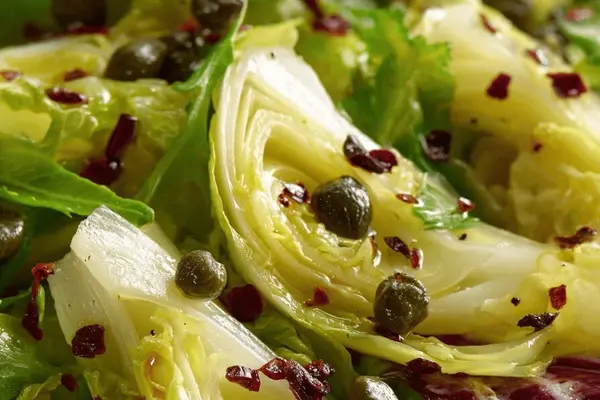
Roman Chicory Salad with Puntarelle
Honey Glazed Brown Sugar Ham
Salisbury Steak Meatballs with Mushroom Gravy

Jalapeño Poppers Recipe with Mozzarella
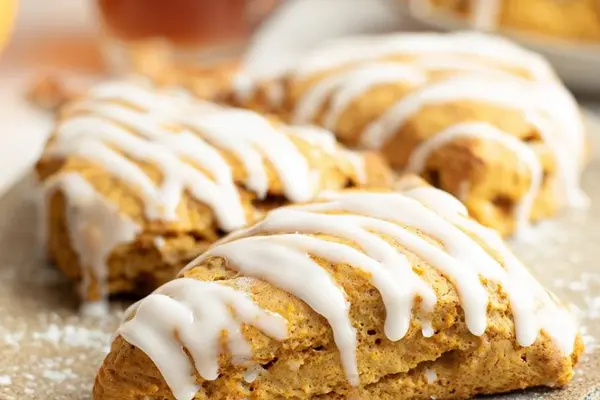
Pumpkin Scones with Maple Glaze
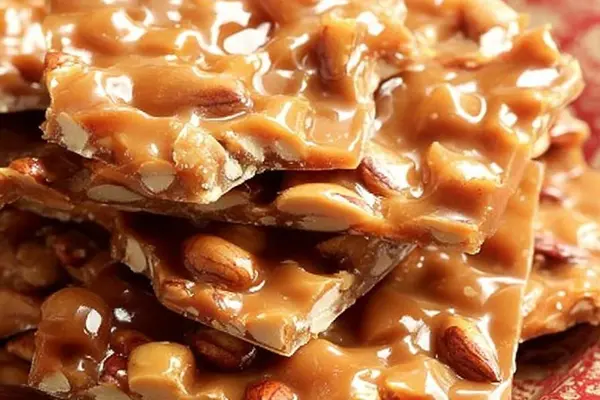
Homemade Peanut Brittle with Butter & Vanilla
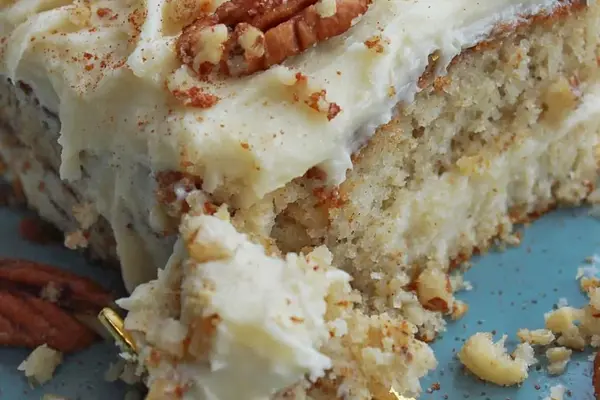
Moist Banana Cinnamon Cake with Cream Cheese
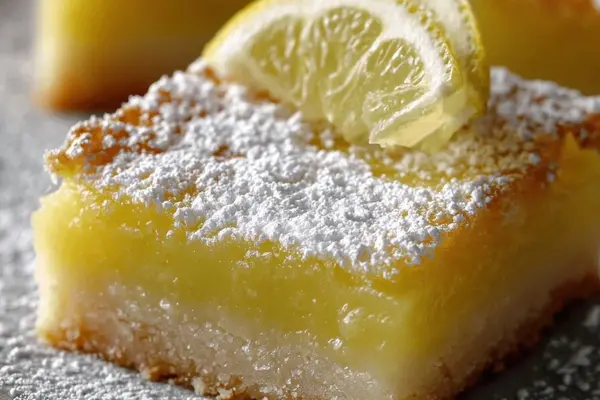
Lemon Bars with Lime and Cornstarch
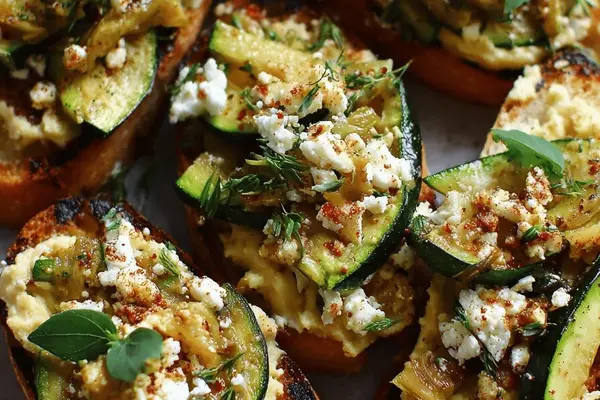
Zucchini Appetizers with Hummus and Feta
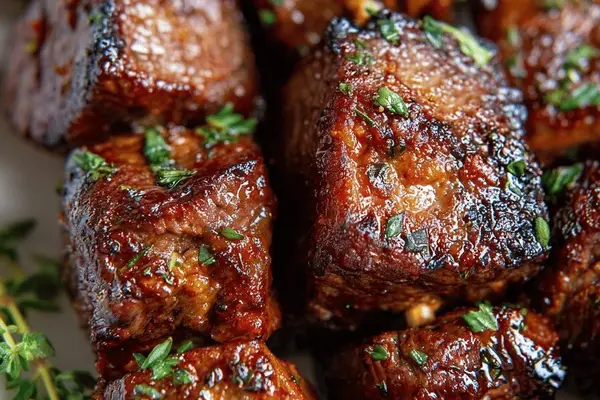
Steak Marinade with Garlic & Apple Cider
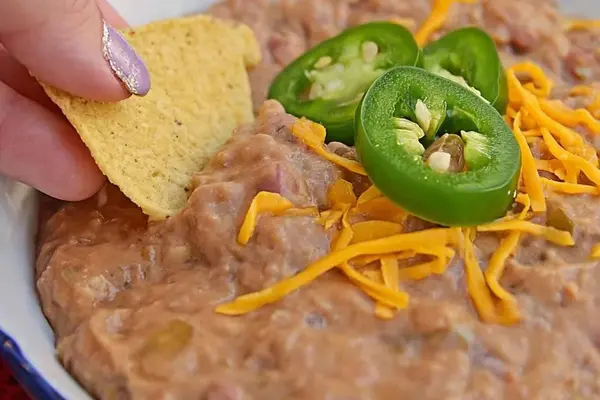
Bean Pinto with Garlic, Cumin & Cheddar

Bulgur Chicken Soup with Spiced Tomato Broth
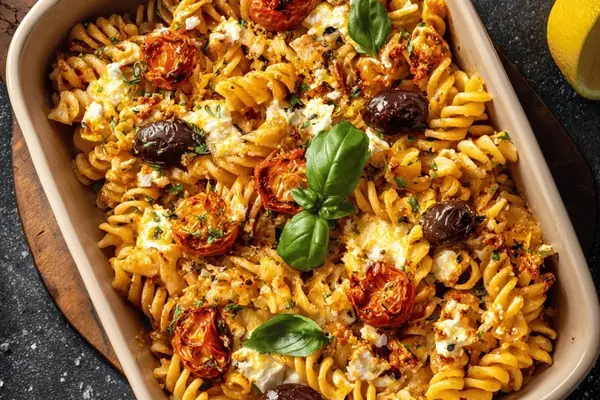
Ziti Bake with Feta and Cherry Tomatoes
Fudgy Brownies with Chocolate Ganache
Recipes For Salmon In The Oven
Clams Casino with Bacon and Cracker Topping
Chocolate Blueberry Pudding Cake Recipe

Mini Beef Bites with Parsnip and Celery
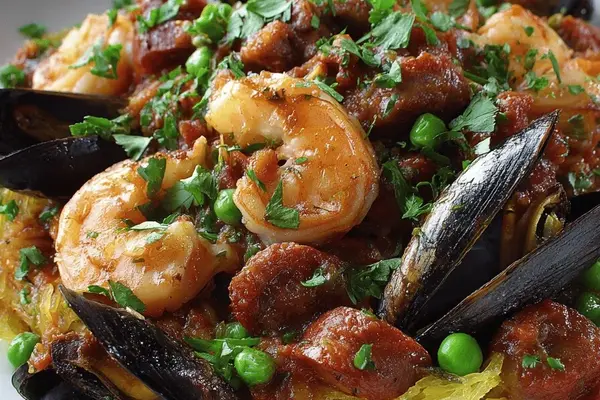
Seafood Paella with Spaghetti Squash