Chunky Brownie Bites
E
By Emma
Certified Culinary Professional
•
Recipe tested & approved
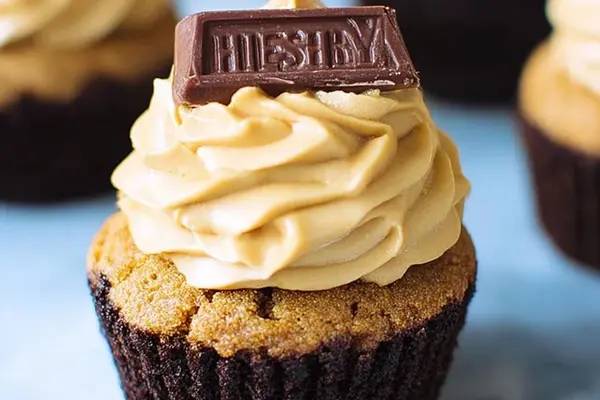
Brownie cupcakes baked in muffin tins. Cocoa swapped for bittersweet chocolate chunks. Butter quantity increased slightly to 7 tbsp total. Flour and salt sifted together but folded earlier for better texture. Melted chocolate mixed with butter in microwave then combined with eggs and sugar whipped till pale. Flour folded in cautiously to keep fudgy crumb. Extra chocolate chunks hand-folded inside. Baked at 320°F for 22 to 28 minutes until cracked tops appear and edges set but center jiggles slightly. Peanut butter frosting smooth with heavy cream swap for milk. Salt sprinkled atop for balance.
Prep:
17 min
Cook:
28 min
Total:
45 min
Servings:
18 servings
#baking
#brownies
#cupcakes
#chocolate
#dessert
#peanut butter
Before You Start
Brownie cupcakes with peanut butter frosting. I swapped cocoa powder for bittersweet chunks because direct melting gives sharper chocolate echo and more texture. Butter bumped to seven tablespoons for moistness but not greasy. Patience is the biggest lesson here with baking times fluctuating. Watch tops crack lightly and edges shrink from liners before pulling out. Egg and sugar whipping lifts the brownie better than just beating. And frosting? Heavy cream replaces milk hands-down for a fluffier peanut butter swirl. Salty flakes on top break the intense sweet hit. Makes 18 cups so plenty to share or hide.
Ingredients
- 1 cup all-purpose flour
- 1/2 teaspoon fine sea salt
- 7 tablespoons unsalted butter
- 1/3 cup bittersweet chocolate chunks plus 1/2 cup for folding in
- 2 large eggs
- 3/4 cup granulated sugar
- 1 teaspoon pure vanilla extract
- 1 1/4 cups powdered sugar
- 5 tablespoons creamy peanut butter
- 4 tablespoons heavy cream
- 2 tablespoons unsalted butter softened
- Flaky sea salt for garnish
In The Same Category · Desserts
Explore all →
Cinnamon Plum Tart
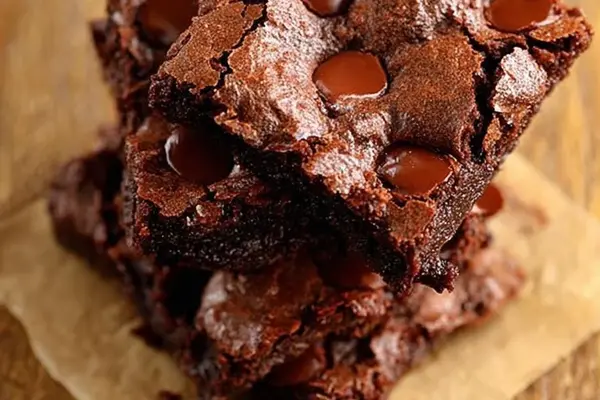
Twisted Cake Mix Brownies
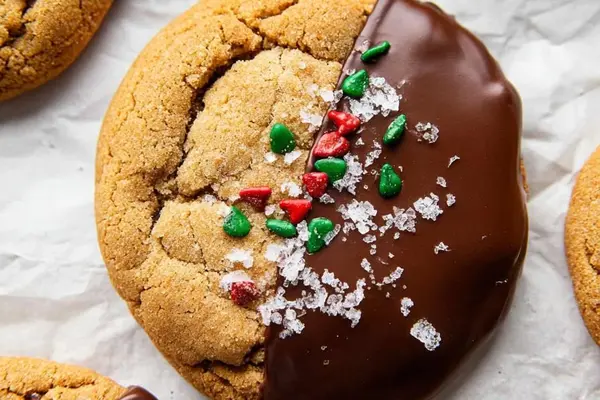
Chewy Peanut Butter Cookies
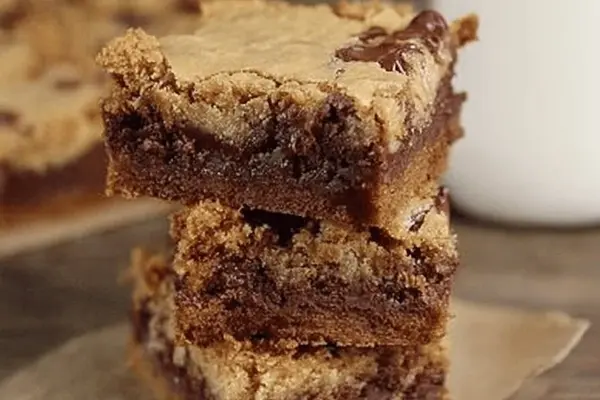
Chunky Chip Dream Bars
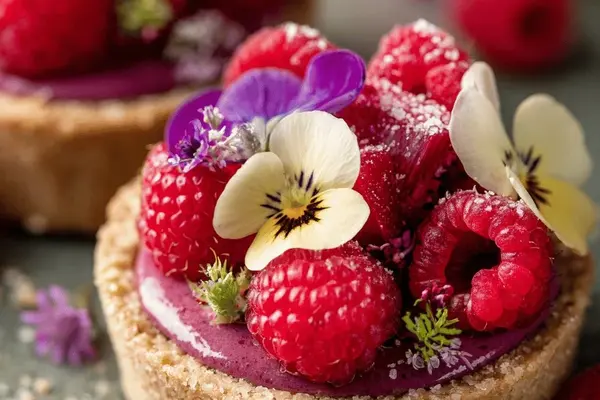
Rhubarb Raspberry Tartelettes
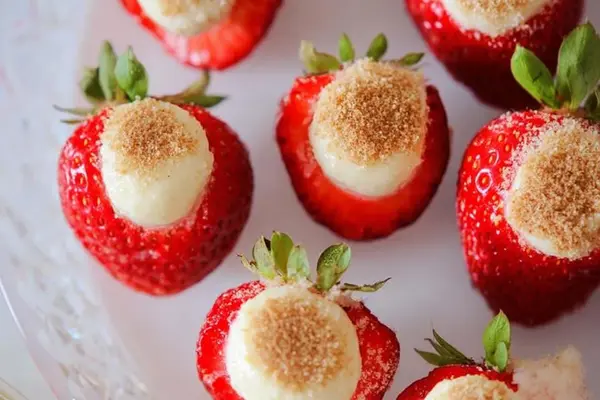
Cheesecake Strawberries Twist
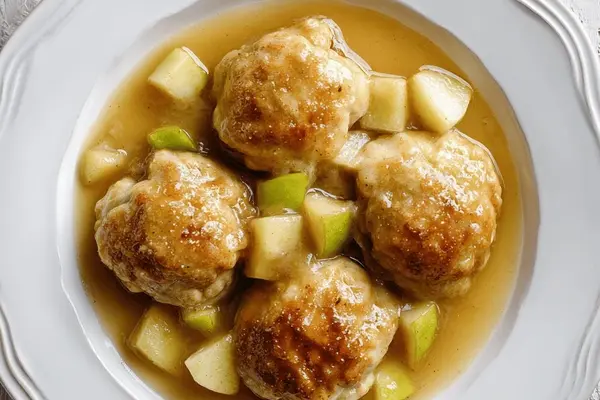
Maple Stuffed Apple Dumplings
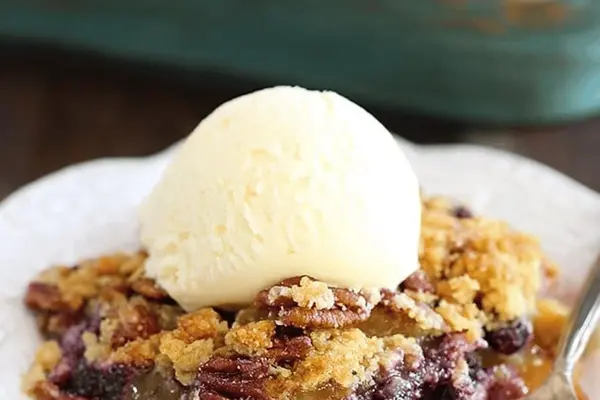
Pineapple Blueberry Crisp
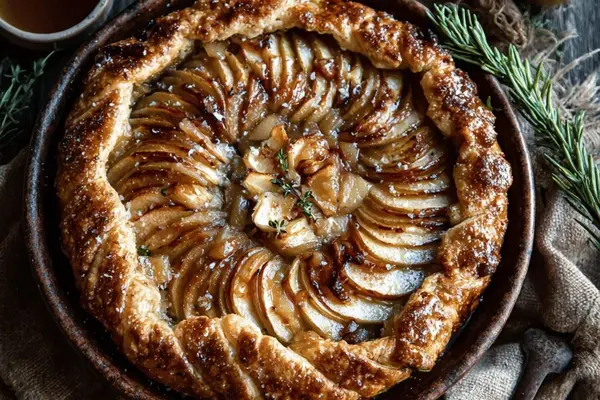
Rustic Apple Tart
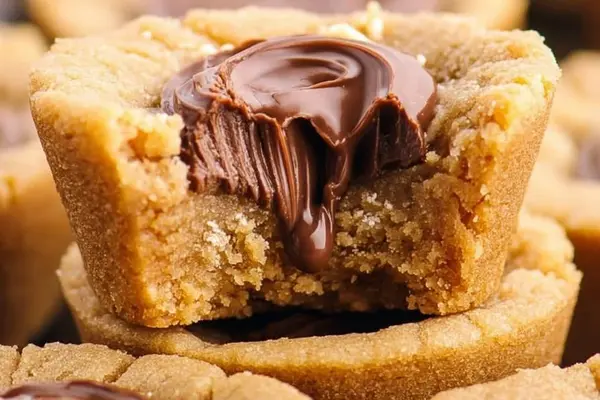
Peanut Butter Cookie Cups
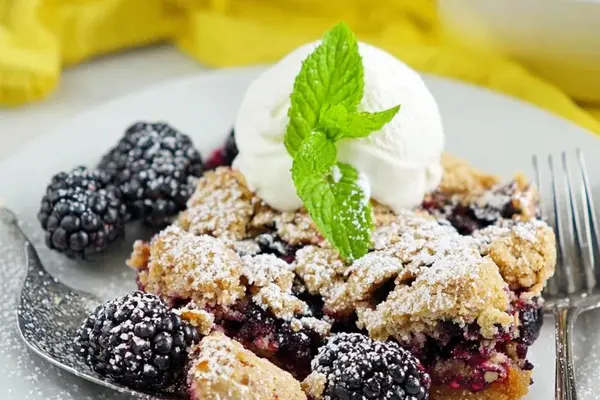
Blackberry Buckle Twist
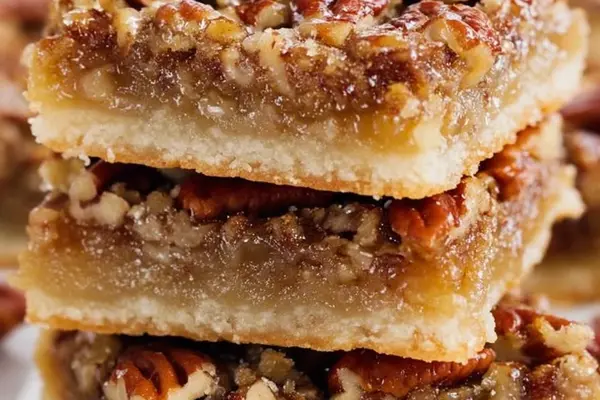
Twisted Pecan Pie Bars
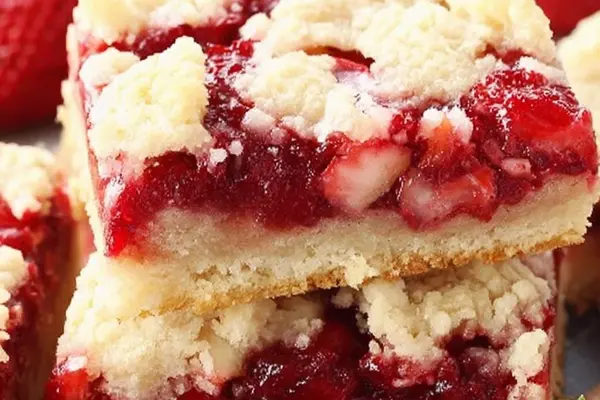
Rustic Strawberry Bars
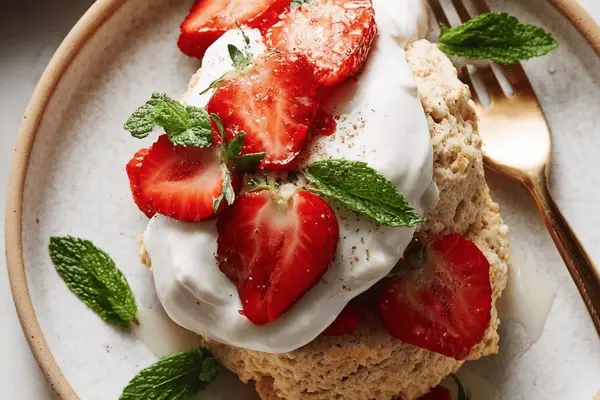
Vegan Strawberry Shortcakes
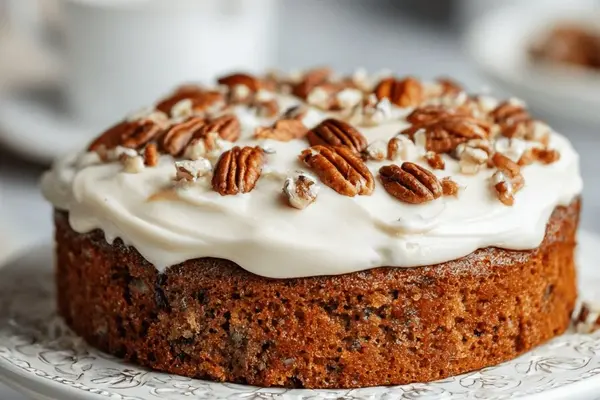
Brown Butter Banana Cake
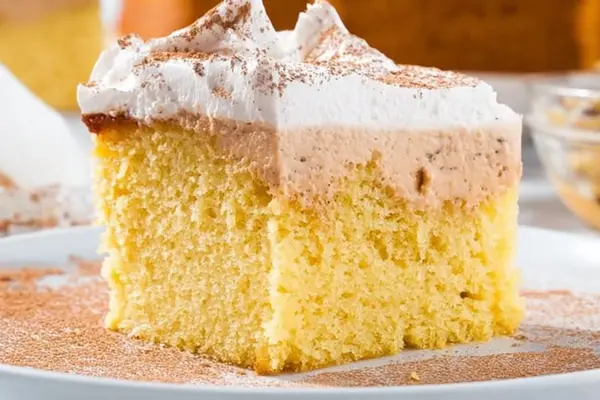
Pumpkin Magic Cake
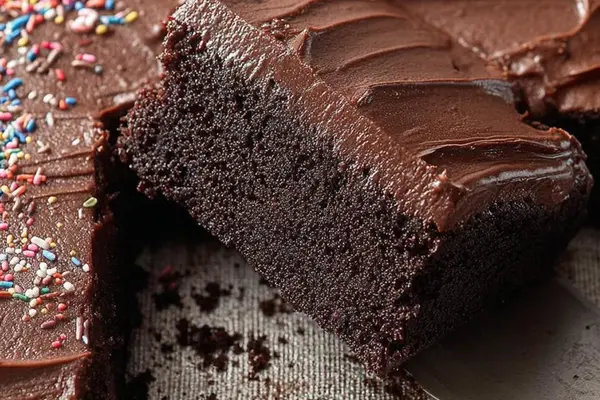
Sheet Pan Choco Cake
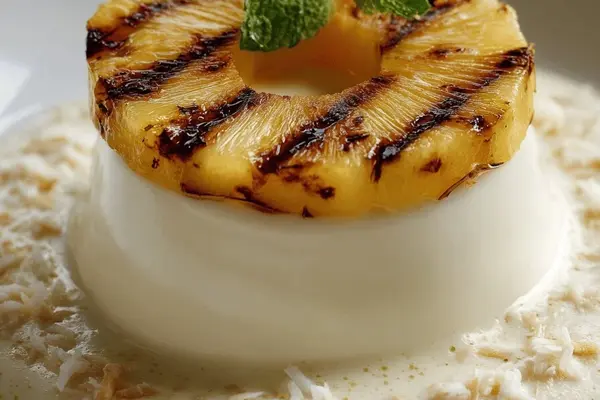
Coconut Rhum Panna Cotta Twist
Blueberry Cookie Cream Layer
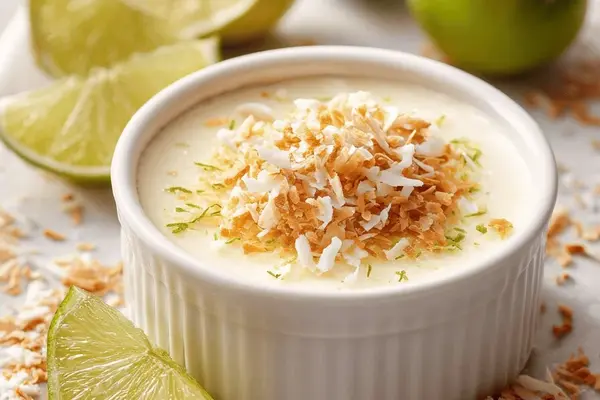
Coconut Flan Twist
About the ingredients
Flour and salt sift together to remove lumps and distribute salt uniformly. Butter plus bittersweet chocolate chunks melted slowly for glossy mixture that won’t shock eggs later. Split chocolate quantity lets some chunks survive baking in melty pockets—crucial for bites with texture contrast. Using heavy cream in frosting instead of milk adds body and counters peanut butter density, giving a fluffier finish. Flaky sea salt optional but highly recommended for contrast. For substitutions, smooth peanut butter stands in for crunchy. Unsalted butter best for controlling salt. If no bittersweet, semi-sweet chocolate chips also work but adjust sugar down slightly, as they vary in sweetness. Avoid margarine; flavor suffers.
Method
Brownie Batter
- Heat oven to 320°F. Line 18 muffin cups with liners, no shortcuts or cheap liners or risk sticking.
- Sift flour and salt together thoroughly. Trust me, sifting air in lightens crumb.
- Microwave butter with 1/3 cup chocolate chunks until edges look melted and glossy, about 35 seconds. Stir vigorously to finish melting. Slight warmth helps egg blend later.
- Whip eggs and sugar in a large bowl until mixture thickens slightly and ribbons form when you lift the beater. Insert vanilla extract now.
- Slowly pour melted butter/chocolate mix into egg sugar blend while whisking. Temper gently so eggs don’t scramble.
- Fold sifted flour into batter, no overmixing—lumps okay, keeps fudgy texture. Then fold in remaining 1/2 cup chocolate chunks by hand.
- Spoon batter into cupcake liners filling 2/3 full. Tap tins gently to settle and release air bubbles.
- Bake 22 to 28 minutes. Tops crack, edges pull slightly from liners, centers jiggle softly when nudged but no raw batter. Visual cues rule over timer. Overbake and dry brownies appear with dull surface.
- Cool completely in tins. Don't rush. Warm brownies crumble when frosting later.
Peanut Butter Frosting
- Beat butter and peanut butter with electric mixer until creamy and pale. Add powdered sugar gradually.
- Swap milk with heavy cream for richer texture; add slowly, beat till fluffy but pipeable.
- Pipe or spread frosting on cooled brownie cupcakes. Sprinkle flaky salt on top to cut sweetness.
- Serve at room temperature. Refrigerate leftovers but frost may firm up—let soften before eating.
Cooking tips
Start by preheating oven to 320°F; baking at too high temp yields cracked, dry exteriors with undercooked interiors. Line muffin tins thoroughly; sticky brownie disasters happen without liners or if they’re too thin. Melting chocolate and butter in microwave requires brief bursts—overheating scorches easily. Whipping eggs and sugar till pale and slightly thickened traps air which helps delicate crumb; neglect this and brownies become dense. Incorporation of flour needs gentleness—fold folds, no stirring. Chocolate chunks last for those melty bites, folded last so they don’t bleed color uniformly. Bake until tops fissure, edges tighten but centers wobble slightly—don’t trust a timer alone. Cooling fully is essential to allow chocolate to set and maintain cupcake shape during frosting application. Peanut butter frosting benefits from gradual additions of powdered sugar and cream; beat until piping consistency but avoid overbeating or it stiffens excessively. Use a pastry bag to pipe or offset spatula to spread, then sprinkle flaky salt while fresh for strongest texture effect. Store in airtight container, frost may firm in fridge but soften minutes before eating.
Chef's notes
- 💡 Sift flour and salt well then fold flour gently; overmixing kills fudgy crumb and makes dense texture. Chocolate chunks first melted with butter gives glossy melt that blends better with eggs. Handle with care to avoid scrambling eggs while mixing warm chocolate butter. Tap muffin tins to release bubbles settles batter evenly; bubbles cause large holes or irregular crumb.
- 💡 Whip eggs and sugar till pale ribbon stage; this traps air for lift and light crumb but don’t overdo or dry edges occur. Temperature important; mix melted chocolate warm not hot to avoid curdling eggs. Adding vanilla right after whipping keeps aroma intact; add too early or heat flakes volatile aroma compounds fast.
- 💡 Bake slow at lower temp 320°F lets brownie set edges while center jiggle tells doneness. Timer useless here; watch cracks top edges shrink liner. Underbaked means gooey batter still, overbaked means dry, dull finish and crumb toughness. Cool fully in tins to let chocolate set into bite shape else crumbles with frosting.
- 💡 Peanut butter frosting benefits from heavy cream swap for milk; richer, fluffier texture. Add cream slow while beating; fast additions break emulsion or runny texture. Powdered sugar needs to mix gradually avoid lumps or patchy frosting. Frost while brownie cool or frosting melts, sprinkle flaky salt fresh to break sweetness sharply.
- 💡 Chocolate chunks split into two amounts; some melt fully with butter, some folded in whole to keep textured pockets. This balance key for those chewy chocolate bursts. If swapping bittersweet for semi-sweet, reduce sugar slightly; sweetness levels vary across chocolates, otherwise frosting and batter overwhelm sweet palate.
Common questions
How to avoid dry brownies?
Bake lower temp longer not shorter hot bursts. Watch edges pull liner and slight crack top. Centers should jiggle but not liquid batter. Cooling in tin firm up crumb correctly. Overbaking kills trust cracks, dull surface, hard crumb forms fast.
Can I use crunchy peanut butter?
Yes, it adds texture but frosting becomes grainier. If preferred creamier, use smooth. Texture changes impact pipeability too. In frosting, beat thoroughly for smoother finish but chunks remain unless strained.
What if my chocolate chunks melt completely?
Melted chunks mix into batter flavor but lose pockets and contrast. Avoid overheating butter melt mix in microwave. Stir vigorously, stop before chocolate fully smooth. Partial melt preserves bite texture without raw chocolate edges.
How to store leftover bites?
Airtight container refrigeration extends life but frost firms up hard. Room temp short term softens frost but short window. Freezing works but frost texture changes; thaw slowly to avoid condensation sogginess. Rewarm slightly to soften if frost too stiff.
You’ll Love These Too
Explore all →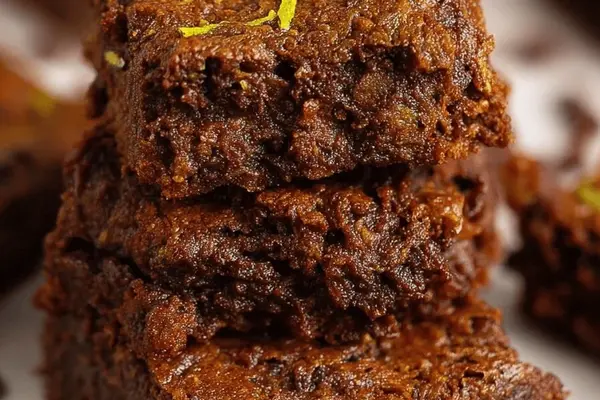
Zucchini Cocoa Brownies
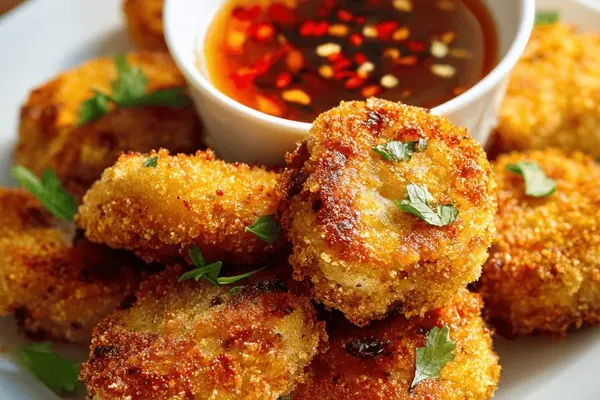
Crispy Chicken Croquettes
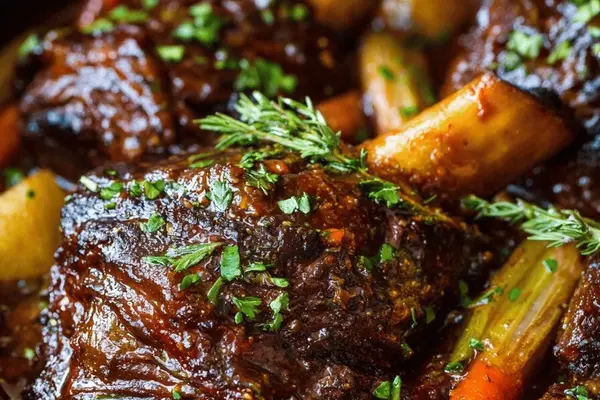
Glazed Lamb Shanks with Buckwheat Honey
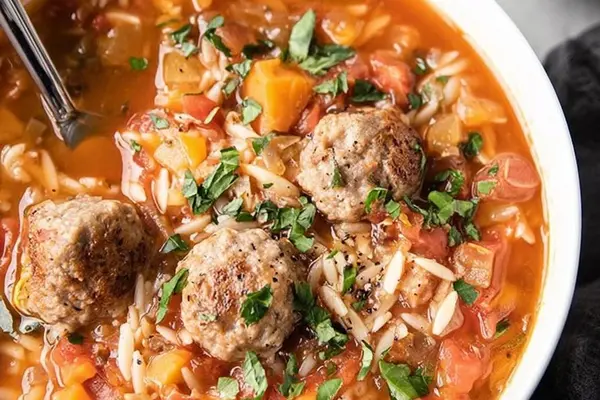
Italian Meatball Soup Remix
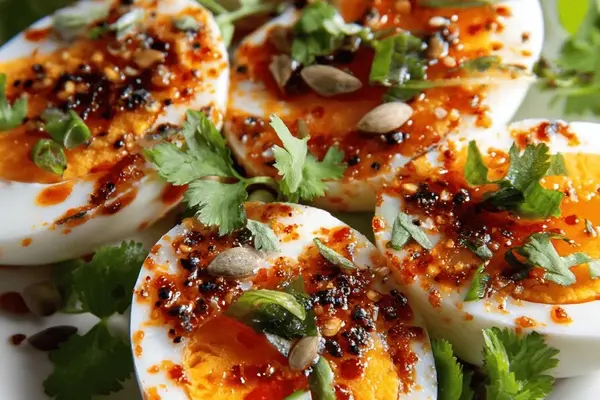
Spiced Pickled Eggs
Sugar Cream Pudding Remix
Spiced Miso Ginger Chicken
Shabu-Shabu Twist
Braised Pork Belly Buns
Creamed Corn Remix
Iced Rhubarb Cake
Stuffed Pocket Pizzas
Caramelized Pear Hand Pies
Chunky Candy Brownies
Baked Maple-Chai Donuts
Spinach Ricotta Lasagna Revamp
Rustic Cowboy Cookies
Ham Egg Cheese Biscuit Wafflewiches
Creamy Cajun Andouille Pasta
Molasses Banana Cookies