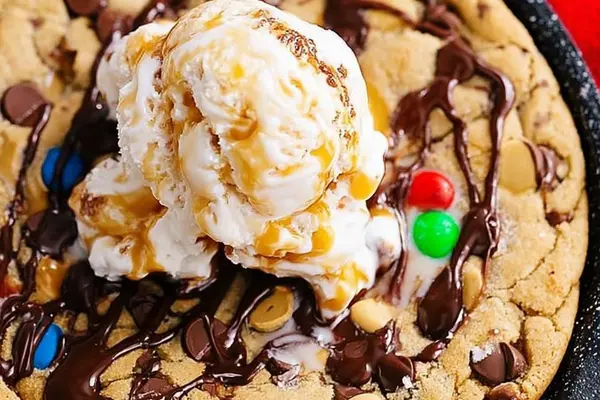
Chunky Cast Iron Cookie
E
By Emma
Certified Culinary Professional
•
Recipe tested & approved
Cast iron skillet cookies with a mix of granulated and brown sugars creating chewy edges and a soft center. Uses slightly altered baking times and ingredient tweaks for texture variation. Hand-pressed dough for uneven, rustic crusts. Familiar, straightforward ingredients with one swap for deeper flavor. Visual indicators, subtle aromas, and tactile cues guide baking more than strict clocks. Four individual 6-inch skillets or two larger 9-inch pans—flex shoulders with weight and heat retention. Avoid overmixing to keep cookie tender. Tips for substitutions and problem-solving along the way. Balanced crispness, melty chips, and buttery richness in every bite. Trust your senses more than timers.
Prep:
7 min
Cook:
12 min
Total:
19 min
Servings:
4 servings
#cast iron
#cookie
#chocolate
#skillet
#baking tips
#rustic
#chewy
Before You Start
Butter melting, sugar crystals sparkling before creaming. The mix of soft and gritty, like a dance of textures. Skillet heats sharp and unforgiving, holding that roast like a campfire from my old days. Thick dough, a bit stubborn sticking to fingers. Chocolate chunks scattered like treasure colonies. Oven heat kissing edges golden then slowly coaxing center to just set. Smell—brown sugar deep, vanilla ripe, a hint of char on the caramelized crust. Pressing dough with wet palms; salt flakes joined post-bake for contrast. A small cast iron skillet cookie is comfort and heat, browning edges cracking under teeth while insides linger chewy, almost molten. No fluff, just honest work and that satisfying crackle as you break into it. Telling doneness by eye and touch, every oven unique, testing with a toothpick like a seasoned scout. No memory of a burnt one here, though close calls plenty—usually scorching the rim before center is ready. Still messing with times, but the smells never lie.
Ingredients
- 1 stick unsalted butter softened (swap for coconut oil in same quantity for nutty twist)
- ½ cup granulated sugar altered to ¾ cup for slightly sweeter edge
- ½ cup packed light brown sugar
- 1 large egg (replace with flax egg for vegan option)
- 1 teaspoon vanilla extract
- 1 ⅓ cups all-purpose flour (increase from 1 ¼ cups for texture)
- ½ teaspoon baking soda
- ¼ teaspoon fine sea salt
- 1 cup semi-sweet chocolate chunks (use chopped bittersweet chocolate for more intense flavor)
In The Same Category · Desserts
Explore all →
Coconut Flan Twist
Maple Unemployed Pudding
Apple Air Fryer Puddings
Chunky Chip Dream Bars
Vanilla Cream Fudge
Molasses Banana Cookies
Apple Cream Layer Bars
S'mores Cake Remix
Chocolate Blueberry Pudding Cake
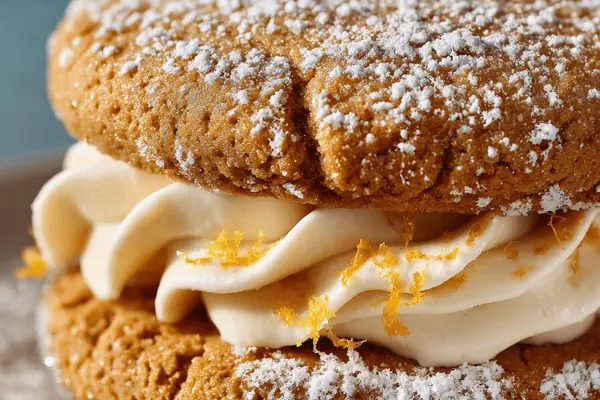
Maple Butter Cookies
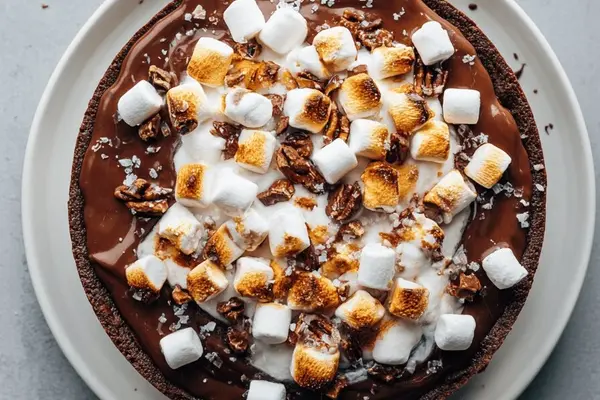
Marshmallow Pecan Fudge Twist
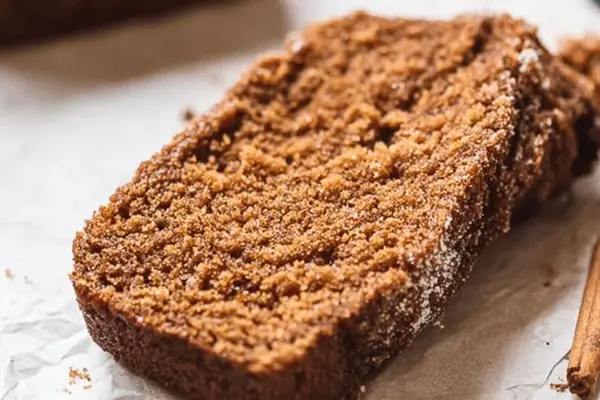
Molasses Gingerbread Loaf
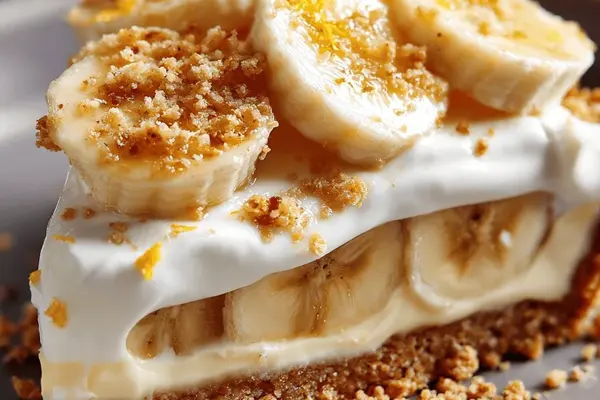
Banana Cream Tart Twist
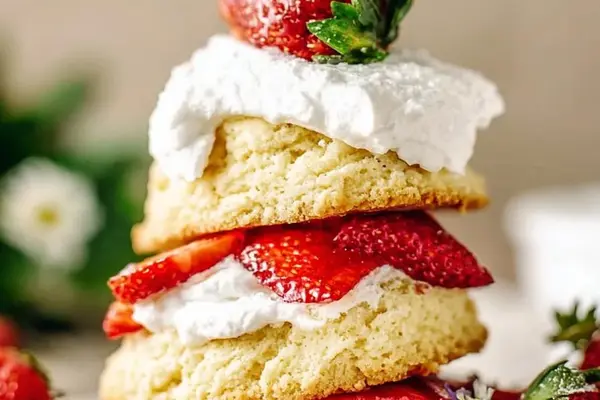
Classic Strawberry Shortcake
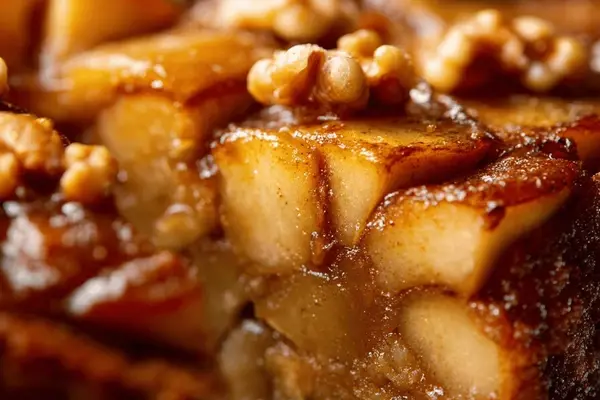
Maple Glazed Upside-Down Apple Cake
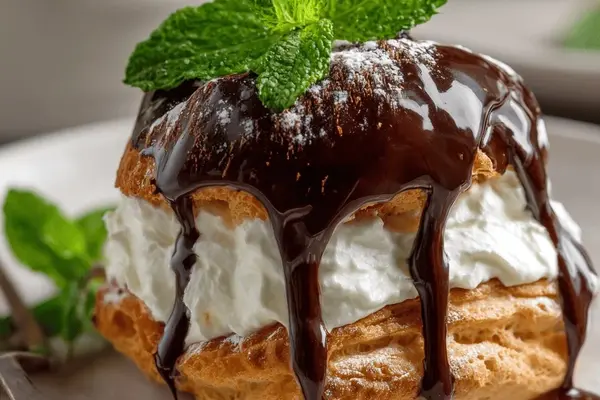
Mint Chocolate Profiteroles
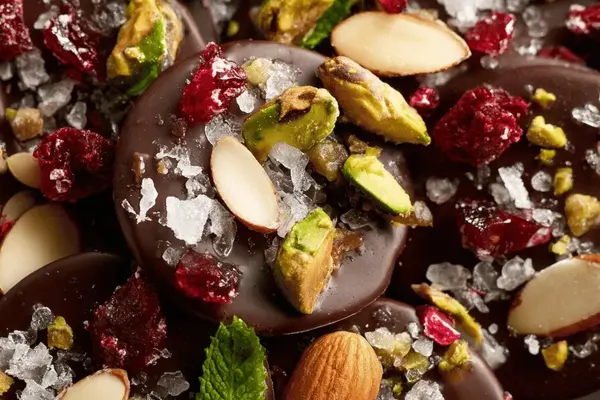
Twisted Mendiants
Peanut Butter Cup Cookies
Crispy Brownie Brittle
Peach-Infused Cupcakes
About the ingredients
Butter is the backbone. Swap it for coconut oil if dairy’s a problem but expect a nuttier flavor and less crisp edges. Sugar amount increased for deeper browning and chew based on past batches where sweetness felt muted. Brown sugar adds moisture and chew; light preferred but dark for more molasses note if you dig richness. Vanilla’s personal—always quality or skip—the aroma sets mood. Egg or flax egg makes dough bind better but swapping may shift texture from chewy to cakey. Flour ratio bumped to 1 1/3 cups keeps dough thick and slightly dense, more ‘cobbled’ not smooth. Baking soda gives lift, fresh soda essential. Fine salt, never iodized table salt. Chocolate chunks better than chips; they melt in pools, giving uneven texture. Larger chunks mean big melty moments, small chips risk melting into blur and losing dimension.
Method
====
- Heat oven to 335°F—not 350° for better gentle heat; less risk burning edges before center cooks through. Prep 4 six-inch cast irons or 2 nine-inch skillets with oil spray or softened butter rubbed on inside edges. Dry surface traps heat unevenly.
====
- Soft butter and sugars go in big bowl. Cream with sturdy wooden spoon or paddle attachment until fluff lifts, pale color and tiny air pockets show. No electric mixer? Hardened butter chunks stall creaming. Patience beats force.
====
- Mix egg and vanilla next. Egg binds, vanilla wakes up dough. Can skip if unsure vanilla quality; cookie loses personality but stays functional.
====
- Whisk flour, soda, salt in separate bowl—dry trio evens leavening and flavor balance. Gradually fold dry mix into wet ingredients. Avoid full mixing; patches of flour dust fine but no lumps.
====
- Fold in chocolate chunks with hand. Chopping enhances melty pockets, not uniform chips. Chunk size matters; big clumps weigh dough unevenly.
====
- Divide dough roughly equally. Wet fingers liberate sticky, dense dough pressing into skillets. Pat rough, slightly uneven surface. Don’t flatten obsessively. Thickness determines bake time.
====
- Slide into oven. Watch edges golden and rise puff slightly, surface crackles quietly. 10-13 minutes at 335°F usual for small skillets. Bigger pans lean towards 14-16 mins. Smell nutty caramel, peek occasionally. Insert toothpick; moist crumbs cling but no dough strings. Too dry? Pull faster. Undercooked feels doughy when pressed gently.
====
- Cooling off cast iron is hot hazard. Pastry firming up silently. Let sit 3-5 minutes before slicing or scooping. Texture shifts from molten to chew-ready.
====
- Post-bake tipping: I usually add a pinch of flaky salt right after oven. It cuts richness, wakes the chocolate pockets.
====
- Common slipups: overheated oven scorches edges fast, leaving center raw. Mistake the buttery texture for underbaking; cooling is key, always test toothpick for real doneness.
====
- Substitutions: brown sugar can be swapped with maple sugar or coconut sugar but expect darker color, earthier sweetness. Baking soda must be fresh; old soda kills rise and browning.
====
- Storage tip: best eaten warm. Leftovers chilled keep well but lose edge crispness; reheat lightly in skillet or oven to revive.
====
- If no cast iron, heavy oven-safe dish or muffin tin works, but omit cooking spray and grease with butter only to avoid chemical taste.
Cooking tips
Oven temp drop from 350°F to 335°F based on that experience with burnt edges and underdone middles. Skillet grease critical; spray or some rubbed softened butter keeps cookie from sticking and helps crust form. Cream butter and sugar until airy—takes time without electric mixer so plan. Adding egg and vanilla after sugar smooths cream. Dry ingredients mixed separately prevent lumps and ensure soda is distributed equally; toss any lumps if needed with a fork before mixing in. Folding chocolate at hand avoids overworking—essential to keep tenderness. Wet fingers when pressing dough prevent dough sticking and help rough texture, adding rustic charm and faster heat penetration. Watch browning, smell caramelizing sugar and vanilla; edges firm and tiny crackles on top are perfect indicators. Toothpick test still best but expect moist crumbs, not bone dry. Cooling time mandatory for setting. Don’t rush or risk structural failure when cutting or scooping. Adding flaky salt as final flourish balances sweetness and enhances chocolate flavor. If oven runs hot, cover edges loosely with foil mid-bake to avoid burning but let center finish. Store leftovers chilled wrapped; reheat for 5 mins to restore freshness.
Chef's notes
- 💡 Lower oven to 335F not 350F. Edges finish sharp not burnt. Cast iron traps heat thick, dry surface traps uneven. Oil spray or softened butter rub inside edges only; dry pan scorches fast. Four six-inch skillets or two nine-inch pans—consider heft and heat retention; bigger pans need longer bake. Watch around 10-13 mins small, 14-16 large but smell nutty caramel, brown sugar. Dark edges precede done center. No rigid timer.
- 💡 Butter softened but not melted breaks creaming if hard chunks remain. Use wooden spoon or paddle attachment slow fluffing. Patience key; beating rushed makes dense dough. Sugars creamed until pale with tiny air holes. Mixing egg and vanilla smooths dough binding; skip vanilla if unknown quality but lose aroma lift. Dry flour mix whisked with soda and salt separately helps even rise. Fold in dry slowly; patches of flour dust ok but lumps ruin textures.
- 💡 Dough sticky, press with wet fingers into pan. Rough, uneven surface speeds even bake, heat penetration better than flat discs. Don't obsess over smoothing. Chunky chocolate better than chips; chopped bittersweet for intense flavor but big clumps weigh dough down unevenly. Insert toothpick near end; moist crumb clings but no raw strings. If damp, baked slightly longer; too dry means pull sooner.
- 💡 Post-bake cool 3-5 minutes before slicing. Cast iron stays hot, handle with care. Cookie texture shifts from molten to chew-ready while cooling. Flaky salt pinch after oven finish cuts butter richness and sparks chocolate pockets. If edges burn faster than center, tent loosely mid-bake with foil. Oven calibration matters; check often, smell guides doneness better than timer numbers.
- 💡 Sugar swaps: brown sugar can switch to maple or coconut sugar but expect earthier sweetness and darker color. Baking soda must be fresh; stale kills lift and browning. Butter swap coconut oil changes crispness and flavor—nuttier, softer edges. No electric mixer? Use wooden spoon, be patient. If no cast iron, heavy oven-safe dish or muffin tin works, skip spray and rub butter for grease only to avoid chemical tastes.
Common questions
Why lower oven temp from 350 to 335?
Too high scorches edges quick, center raw still. Thicker cast iron traps heat more; lower temp controls bake, aroma signals brown butter, caramel. Slow gentle bake beats fast char.
Can I substitute egg with flax egg?
Yes flax egg binds but dough changes texture. Slightly cakey, less chewy but vegan option nailed. Skip vanilla if you want but dough loses aroma punch. Both swaps shift outcome a bit.
What if cookies burn on edges but raw in middle?
Oven too hot or pan too thin maybe. Lower temp, tent edges mid-bake. Cast iron thick but uneven heating if surface dry or rough pans. Pat dough thick but uneven; thin spots cook too fast. Watch smells, cracks on surface tell doneness.
How to store leftover cookies?
Chill wrapped tightly; keeps freshness but edges soften. Reheat in cast iron or oven 5 mins to crisp again. Room temp short term okay but lose crispness fast. Freeze if longer, thaw and rewarm gently.
You’ll Love These Too
Explore all →
Chunky Oat Chocolate Chip Cookies

Twisted Won-Ton Soup
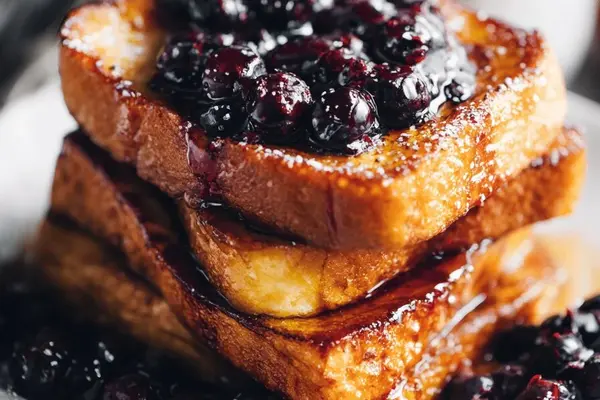
Maple Caramelized French Toast
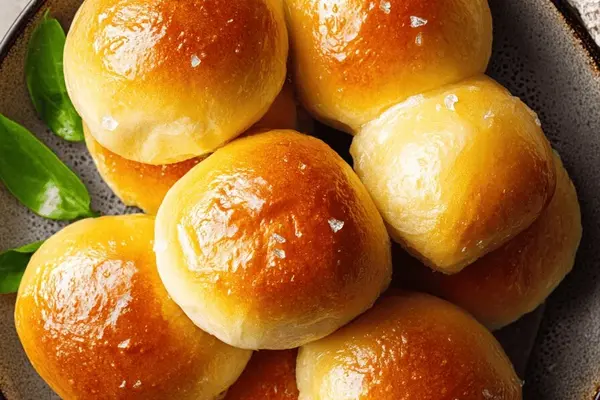
Tangy Milk Buns
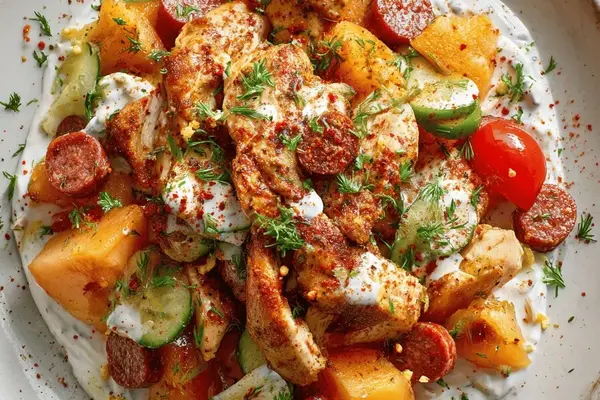
Spicy Chicken with Melon and Chorizo
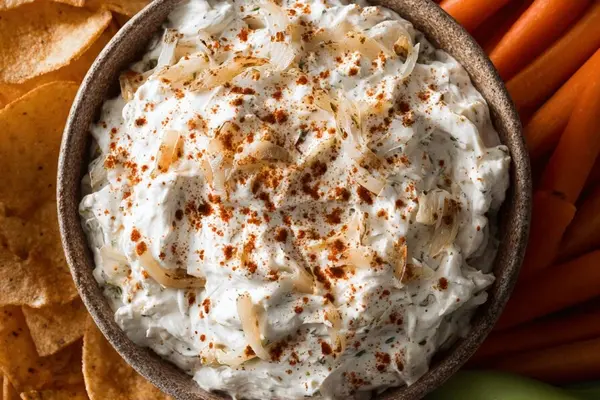
Caramelized Shallot Dip
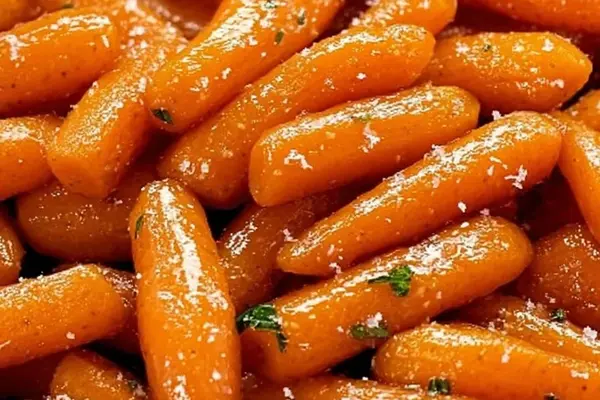
Glazed Honey Carrots
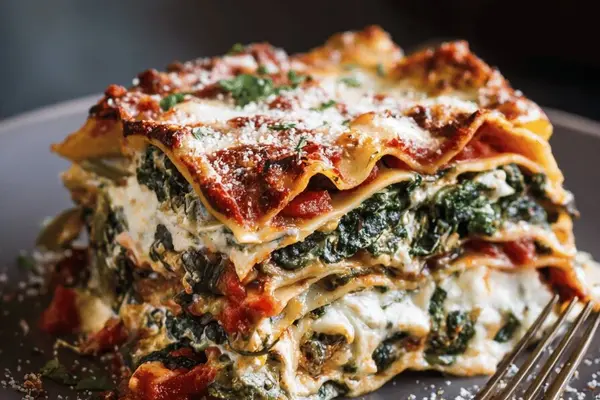
Spinach Ricotta Lasagna Revamp
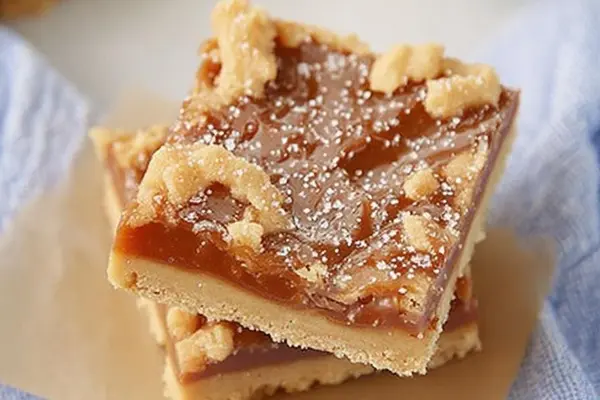
Salted Dulce Bars
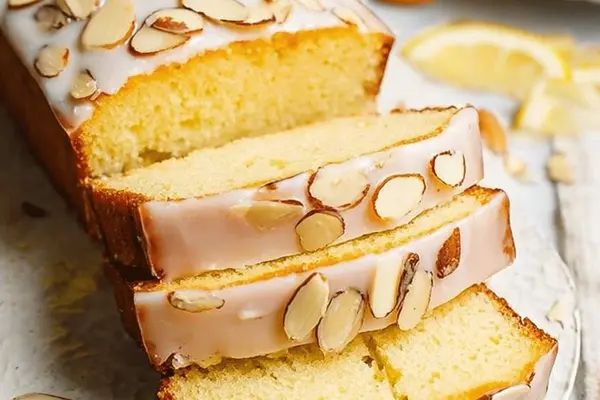
Iced Almond Lemon Loaf
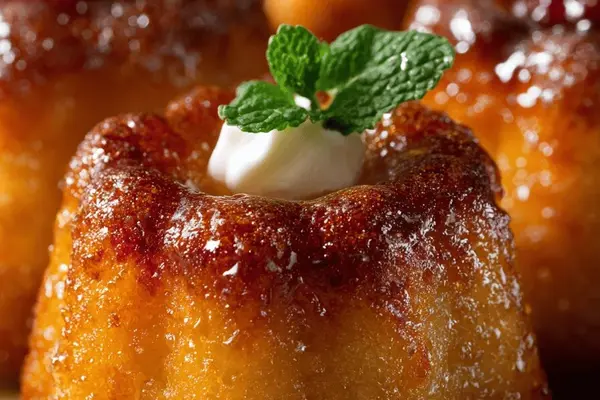
Maple Rum Babas
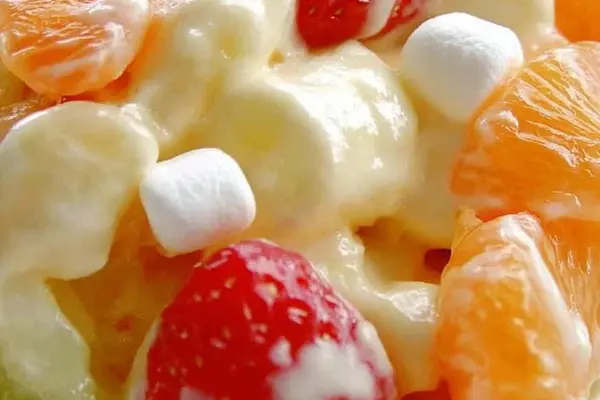
Creamy Fruit Salad Remix
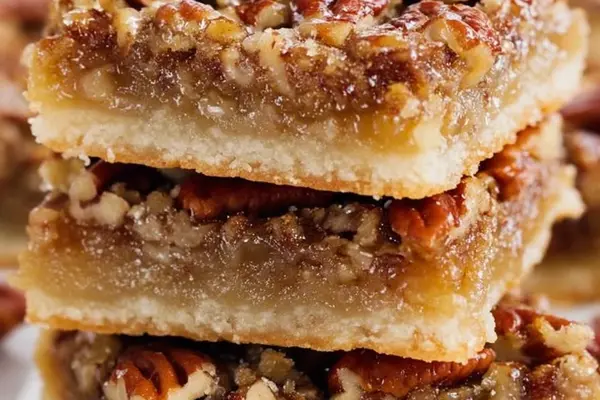
Twisted Pecan Pie Bars

Fruity Twist Sangria

Twisted Coney Island Tea
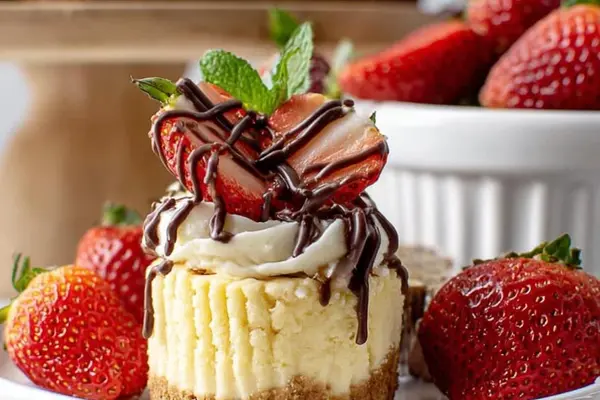
Mini Cheesecake Cupcakes
Vegetable Soup with Bacon Croutons
Banana Cream Tart Twist
Cinnamon Sugar Pretzels
Ratte Potato Salad Twist