
Chunky Reese's PB Cookies
E
By Emma
Certified Culinary Professional
•
Recipe tested & approved
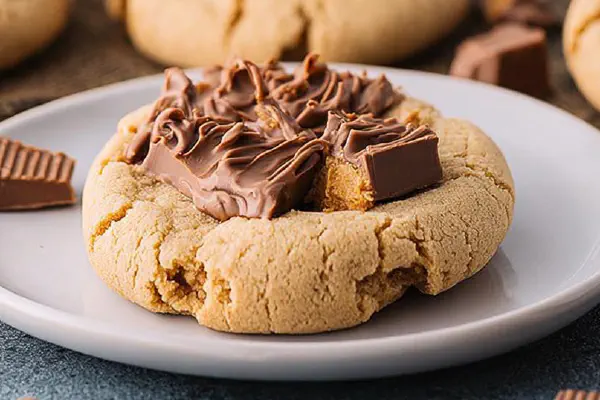
Buttery, slightly crisp edges with dense chewy centers loaded with peanut butter and chopped Reese’s cups. The dough is balanced with light brown and powdered sugar, making for nuanced sweetness. Baking cues rely on color and texture, not clock. Topping melted Reese’s peanut butter chips with a hint of coconut oil adds sheen and a melty, glossy finish. Chopped candies both inside and sprinkled on top give textural contrast and bursts of chopped peanut crunch. Variations include swapping cream of tartar for a bit of vinegar or lemon juice, and light brown sugar can be replaced with demerara for crunch. Cookies hold well in an airtight container for days or freeze-dried for months. Experience shows spacing cookies is key; overcrowding = flat, oily mess.
Prep:
20 min
Cook:
11 min
Total:
45 min
Servings:
10 servings
#cookies
#peanut butter
#Reese’s
#baking tips
#chocolate candy
#desserts
#quick bake
Before You Start
Cookies dense with peanut butter, chunks of Reese’s candy hiding in every bite. Learned from past batches that balancing sugars changes spread behavior dramatically—powdered adds chew without too much sweetness. Butter temperature critical. Too cold means uneven creaming; too soft yields greasy wet dough. Watch dough texture for pliability. Crispy edges with chewy centers? That’s the angle. Melting peanut butter chips with coconut oil gives a glossy candy coating and enough fat to stay flexible but firm. Tried skipping the cream of tartar—tastes flat, texture fades. Adding chopped peanut butter cups inside, plus on top, layers textures and explosions of salty-sweet peanut candy. Don’t be shy with the spacing; they want room to blossom and not steam each other. Patience cool before topping: hot cookies melt chocolate messily.
Ingredients
- 3 1/2 cups all-purpose flour
- 1 3/4 teaspoons baking powder
- 1/2 teaspoon cream of tartar
- 1/2 cup unsalted butter room temp
- 1/2 cup creamy peanut butter
- 1/2 cup light brown sugar packed
- 3 tablespoons powdered sugar
- 1 teaspoon vanilla extract
- 2 large eggs
- 1/2 cup chopped Reese’s peanut butter cups
- 1 cup Reese’s peanut butter chips
- 1 teaspoon coconut oil
In The Same Category · Desserts
Explore all →
Coffee Cake with Chocolate Meringue
Kitchen Sink Cookies
Candy Cane Lush Remix
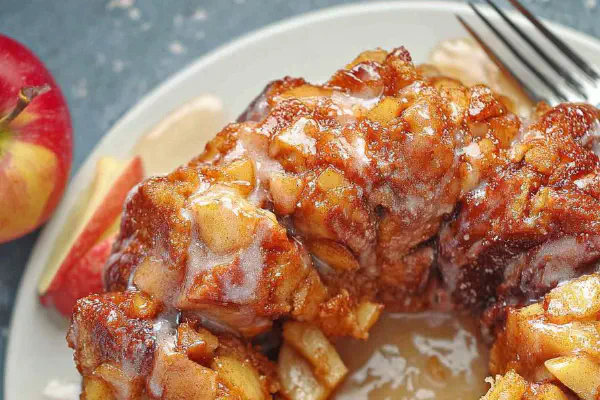
Apple Biscuit Monkey Bread

Sour Cream Rose Cookies
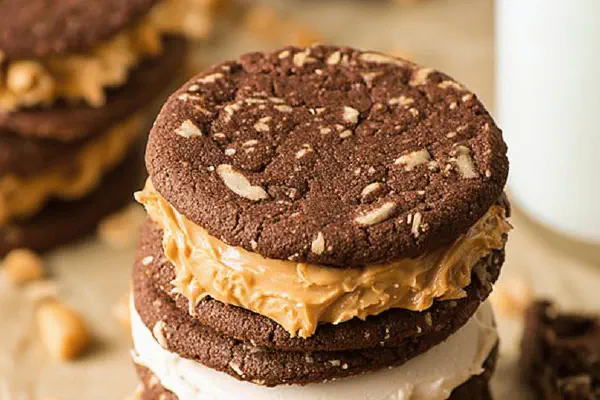
Peanut Butter Cocoa Sandwiches
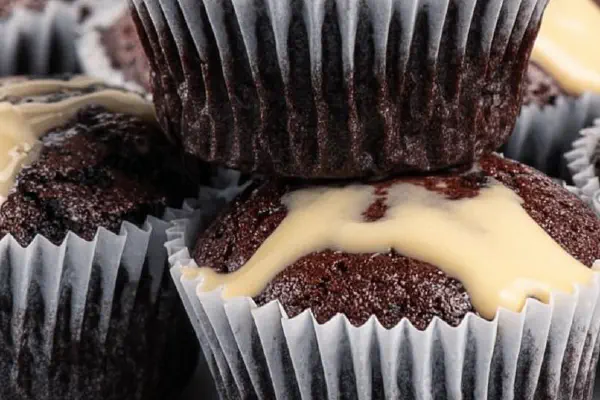
Chocolate Cream Cheese Cupcakes
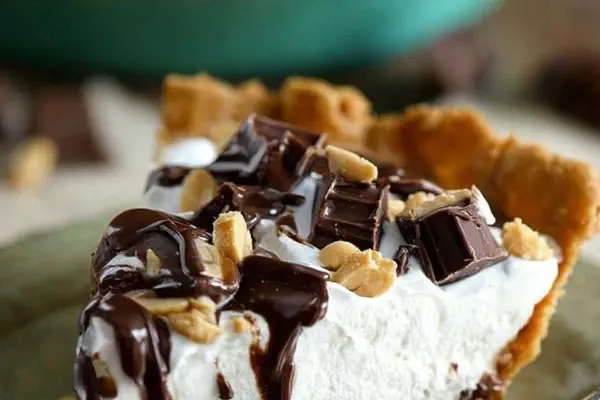
Amaretto Peanut Butter Pie
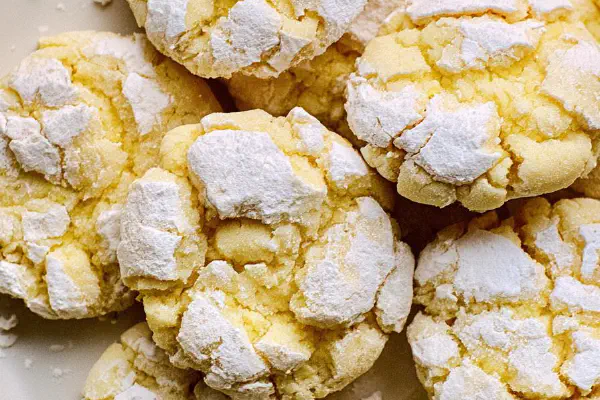
Lemon Crinkle Cookies Twist
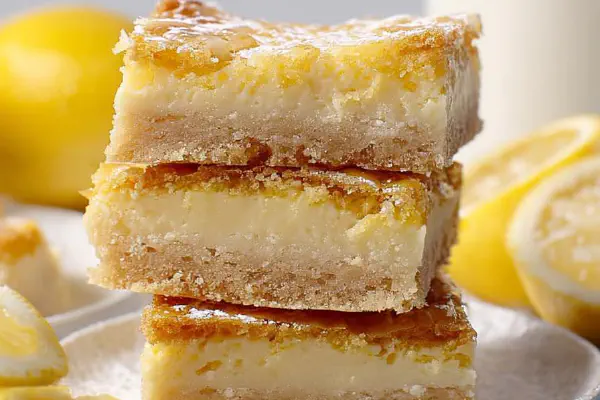
Lemon Cheesecake Bars Twist
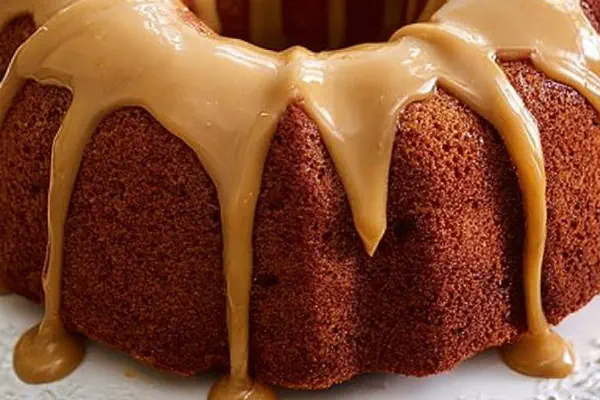
Salted Caramel Pound Cake
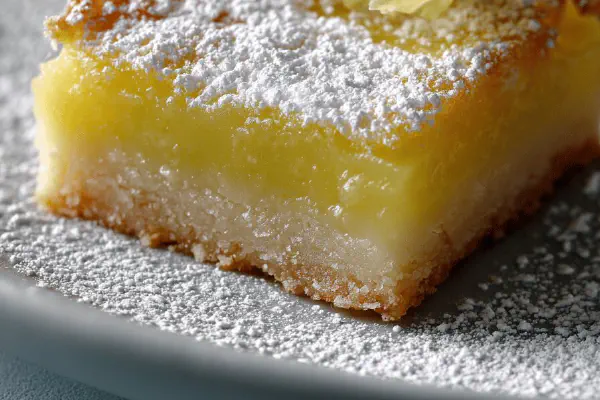
Tart Lemon Bars
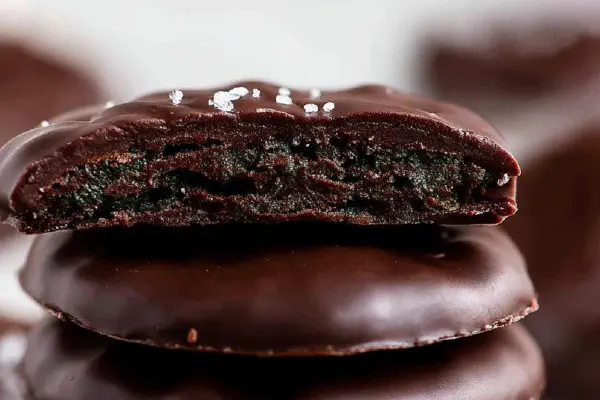
Mint Chocolate Crisps

Old-Fashioned Apple Pie
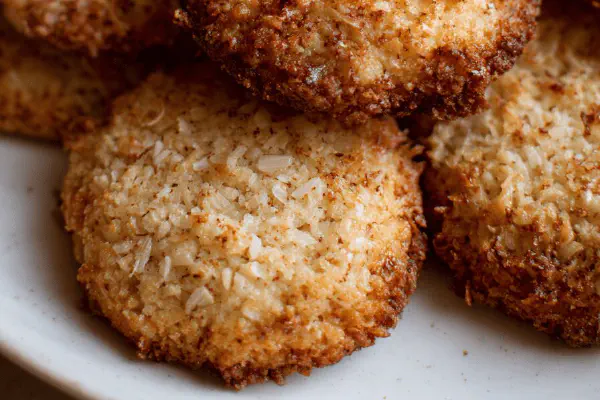
Coconut Almond Cookies
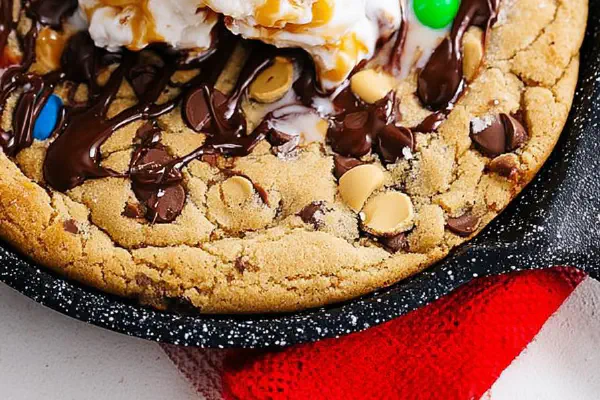
Chunky Cast Iron Cookie
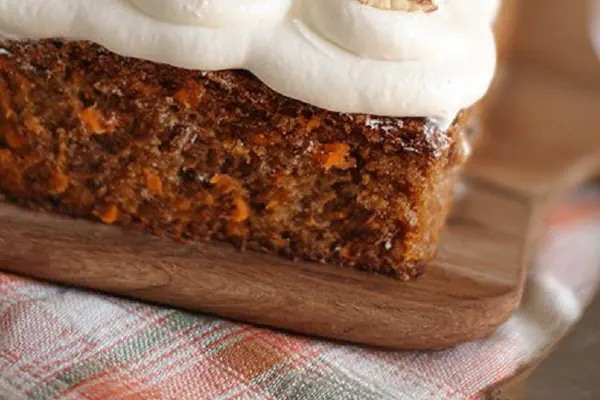
Sweet Potato Cake Remix
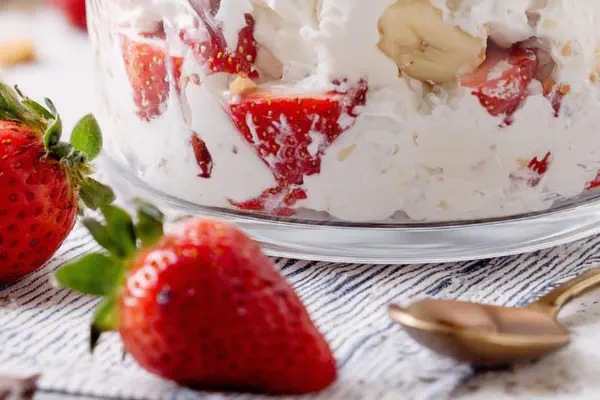
Snickers Apple Salad

Honey Cinnamon Apple Fritters

Maple Blueberry Pavlova
About the ingredients
Flour, ideally all-purpose for balance in structure and tenderness. Baking powder and cream of tartar work together here—cream of tartar adds acid for tender crumb and slight tang. Butter at room temp, not melted, keeps dough light when creamed with sugars—brown sugar should be packed but not clumped. Powdered sugar optional but adds crispness without bulk. Peanut butter creamy style for smooth incorporation; chunky creates inconsistent texture. Vanilla extract for depth. Eggs bind and moisturize; too many and cookies spread thin but too few makes crumb dry. Reese’s peanut butter cups chopped large for texture bursts, not dust. Peanut butter chips for topping melt more easily than chunks or bars. Coconut oil thins the topping, keeps shine, and adds subtle flavor—can substitute mild vegetable oil, but coconut adds final polish. Adjust sugar types for personal sweetness preferences; turbinado or demerara for crunch swaps.
Method
Cookies
- Preheat oven to 345°F. Line insulated or heavy cookie sheet with parchment paper, set aside. Temp slightly lower than usual avoids burnt butter edges, especially with peanut butter in mix.
- Whisk together flour, baking powder, cream of tartar in medium bowl. Important to sift or whisk thoroughly, creates even leavening so edges don’t crack prematurely.
- In a stand mixer with paddle attachment, cream butter until fluffy—about 3-4 mins medium speed. Watch it lighten in color; air whipped in means tender crumb.
- Add peanut butter, light brown sugar, powdered sugar. Mix until homogenous but scrape bowl sides often. Over mixing turns dough tougher. Sugar combo balances depth and spread control.
- Beat in vanilla and eggs until no streaks but don’t overbeat or dough turns loose. Aim for pliable not liquid.
- Fold in chopped Reese’s cups by hand with spatula. Avoid smashing chunks; want pockets of candy throughout.
- Scoop dough using a large cookie scoop (approx 2 tbsp) into 10 balls. Leave 2 ½ inches space; they spread more than you’d guess—overcrowding traps steam and ruins texture.
- Place dough balls on sheet. Flatten gently using bottom of flat glass or measuring cup—about ½ inch thick. Too thin? Cookies burn fast, too thick and centers stay doughy.
- Bake 9-12 minutes. Look for edges turning golden brown but centers still pale and slightly puffed. Overbake and risk leathery middles. Cookies firm on cooling, so pull early if unsure.
- Cool completely before topping—crucial or melted topping runs off.
Topping
- Microwave peanut butter chips and coconut oil in 25-30 second bursts, stirring in between. Finish when mixture just melted and creamy with sheen. Coconut oil thins and adds mild tropical note, can swap for light vegetable oil if unavailable.
- Spoon or drizzle melted mixture generously over cookies. Will harden with slight shine as it cools, adding texture contrast with soft cookies beneath.
- Sprinkle extra chopped Reese’s cups atop immediately so they stick before topping sets.
- Let cookies sit at room temp 20-30 minutes or refrigerate briefly if impatience strikes to firm the topping faster.
- Store airtight at room temperature up to 4 days or freeze single layers separated by parchment. Defrost gently to avoid soggy tops.
Cooking tips
Start by prepping dry mix—whisking flour, baking powder, cream of tartar ensures even rise and texture, avoids dense pockets. Cream butter and sugars slowly; fluffiness signals air incorporation, crucial for light cookies. Mix-ins folded gently to prevent tough dough; overmixing gluten develops chew but leads to toughness. Scooping consistent portions means even baking—large ice cream scoop helps here. Flattening dough uniformly avoids uneven baking: balls too thick cook unevenly; thin ones brown quickly. Oven temp lowered slightly from standard cookie baking saves butter and sugar from burning edges—recheck cookies a minute or two before time’s up. Visual cues trump timers: edges golden, centers soft and puffed is the sign. Cooling fully prevents topping meltdown; patience pays off. Melt chips in bursts to avoid seizing, stirring crucial to retain shine. Spread topping quickly before it sets then sprinkle chopped candy immediately to adhere. Store cookies layered with parchment to avoid messy sticking. Don’t crowd baking sheet; steam kills crispness. When in doubt, cooler dough means less spread but denser texture. Tried the method replacing cream of tartar with splash lemon juice—worked but modified flavor slightly. A pinch of salt complements but don’t overdo with salty candy inside.
Chef's notes
- 💡 Cream butter just right medium speed 3-4 minutes till fluffy and lighter in color. Air whipped texture means tender inside. Too cold butter stunts rise; butter too soft yields greasy dough. Watch carefully, not too fast.
- 💡 Mix dry ingredients well—sift or whisk flour, baking powder, cream of tartar together. Acid from tartar gives tang and tender crumb but too much and you get sour notes. Cream of tartar can be swapped with lemon juice or vinegar in small amounts; flavor shifts subtly.
- 💡 Fold in chopped Reese’s cups by hand to keep candy pockets intact – if smashed chunks, candy melts in dough ruining texture. Large pieces give bursts of peanut sweetness. Same with topping Reese’s, add right before glaze sets to stick well.
- 💡 Oven temp set lower than usual (345°F) slows browning edges. Important with peanut butter and sugar mix—they brown fast. Watch edges for golden brown, centers pale and puffed is key doneness signal. Overbake makes leathery middles, no recover.
- 💡 Spacing cookies crucial; 2 ½ inches minimum apart since dough spreads aggressively from sugars and peanut butter fat. Crowding traps steam, kills crisp edges and leaves oily flat rounds. Large scoop sizes help portion control and even bake.
Common questions
Can I swap cream of tartar?
Yes but carefully. Vinegar or lemon juice works but slight flavor change noticeable. Use splash, not much. Some batches turn less puffy without cream of tartar.
Why do cookies spread too much?
Likely dough too warm or overcrowded on tray. Butter temp matters—too soft makes oily spread. Also low flour or overmixing can slack dough causing flat cookies. Chill if unsure.
How long to bake?
9-12 mins typical but use visual cues over time. Edges golden brown but center still pale and slightly puffed. The dough firms as it cools so pull early if unsure to avoid tough middles.
How store leftovers?
Airtight container room temp 3-4 days fine. Layer with parchment so no sticking. Freeze single layers wrapped or sealed for months. Defrost gently to keep topping from weeping or softening too much.
You’ll Love These Too
Explore all →
Hearty Brown Chicken Gravy
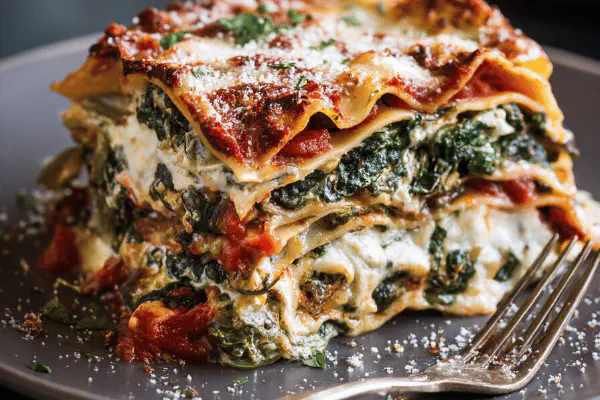
Spinach Ricotta Lasagna Revamp

Balsamic Roasted Roots

Beef Eggplant Pleurote Ramen
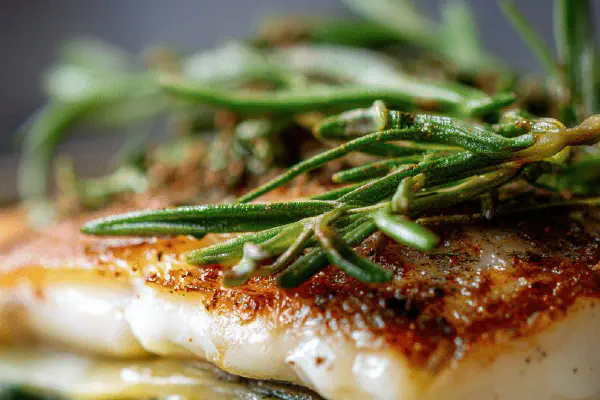
Sole Potato Gratin
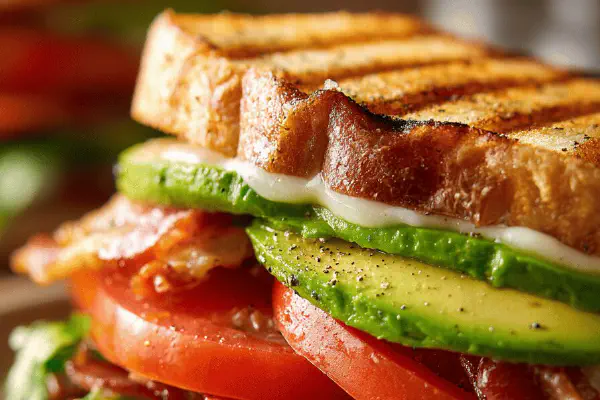
Twisted BLT Stack
Rough Pecan Caramel Sauce

Hearty Chicken Bone Stock

Oven-Roasted Tomato Bisque
Sweet Potato Muffins
Slow-Cooked Caramelized Onions
Spiced Apple Bread Pudding

Ice Cream Cone Cupcakes Twist

Instant Pot BBQ Brisket

Hot Lobster Rolls Reinvented

Pulled Pork Potato Skins

Oven-Baked Sheet Eggs

Cucumber Gin Sparkler
Parsnip Risotto Twist
Cheesy Churros Twist