Classic Potato Pancakes
By Emma
Certified Culinary Professional
·
Recipe tested & approved
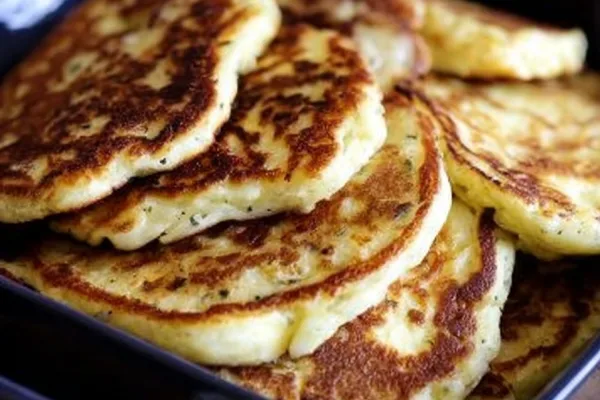
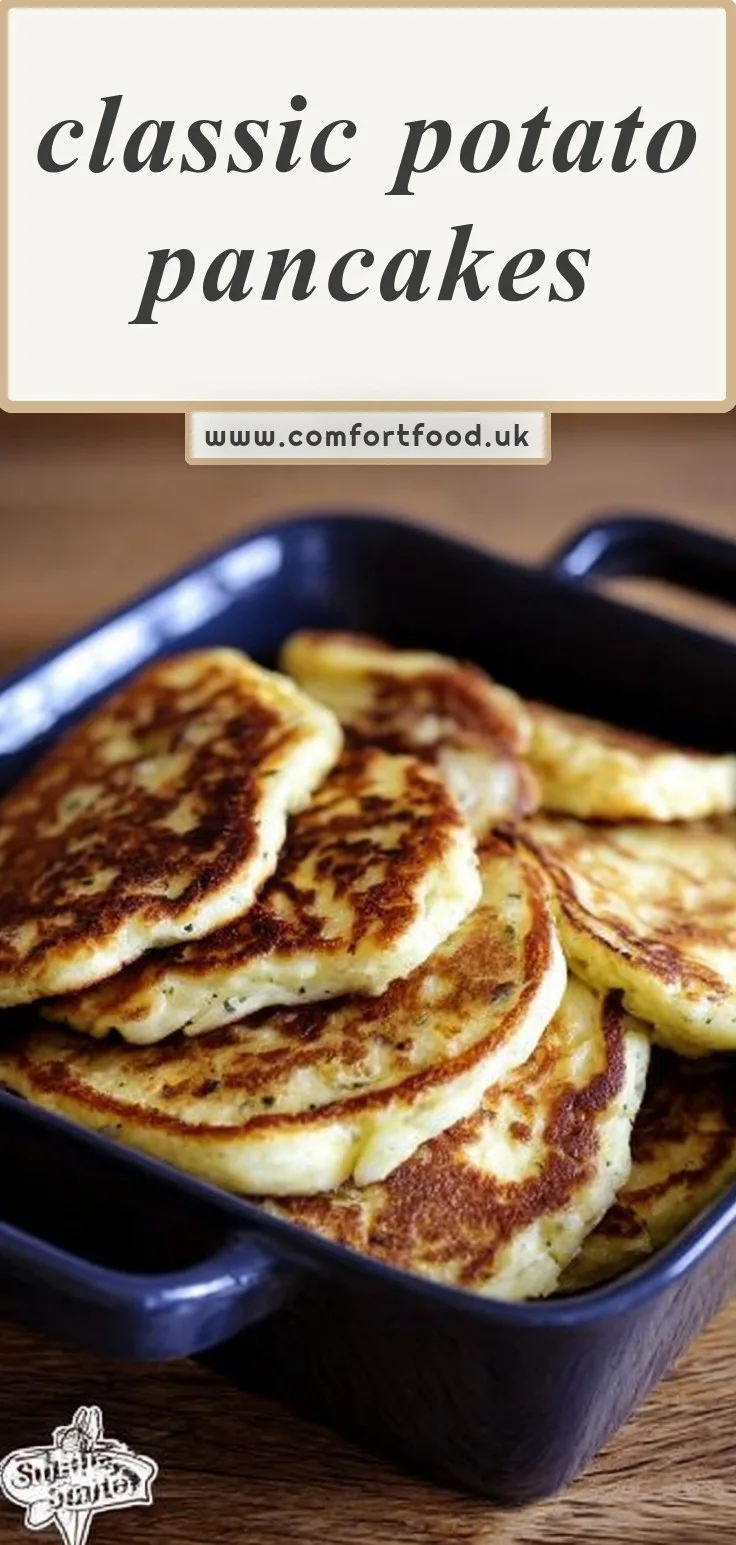
Classic Potato Pancakes deliver crispy golden disks made from a thick batter, cooked 6 minutes each side until sizzling and browned. Prep takes 5 minutes, cooking 15 minutes total for 4 servings.
Prep:
5 min
Cook:
15 min
Total:
20 min
Servings:
4 servings
I kept making potato pancakes that fell apart or turned mushy in the middle and I finally figured out the batter has to be thick enough to almost stand up on its own. Once you get that right, the rest is just patience and a hot pan.
Why You’ll Love This Recipe
- They’re ready in 20 minutes start to finish
- The batter holds together without any fancy binding tricks or extra eggs
- You get that sizzling crust without deep frying
- Each pancake cooks for exactly 6 minutes per side so you’re not guessing
- The crackling sound they make when you flip them is honestly the best part
- They don’t fall apart when you move them around the pan
The Story Behind This Recipe
I tested these last Tuesday after work because I had some leftover ingredients and I was too tired to make anything complicated. I’d been trying to nail down crispy latkes for a while but they always came out either greasy or sad and limp. This time I made the batter way thicker than I thought it should be, almost like it was wrong.
Turns out that’s the secret. When the batter is heavy and clings to the spoon you know you’re in good shape.
The first batch I made, I noticed the edges dried out and firmed up way before the center did, which meant I could actually see when to flip without cutting into them. That changed everything for me.
What You Need
You’re working with a thick batter that’s already been mixed together, so you’re not starting from scratch with raw potatoes. The batter needs to be heavy enough that it doesn’t spread out too much when you drop it in the pan. It should look almost wrong, like you added too little liquid or something.
If the batter seems runny at all, you’re going to end up with flat sad discs that don’t hold their shape. It needs to clump on the spoon and fall off in one thick blob. That’s how you know it’ll work.
You’ll also need oil or butter for the pan, enough to coat the bottom well but not so much that the pancakes swim in it. I used about 2 tablespoons for each batch and added more between rounds. The oil has to be hot enough that a tiny bit of batter sizzles immediately when it touches the surface.
A non-stick pan helps but isn’t required if you’ve got a well-seasoned cast iron. The pan size matters too because you want space between each pancake so steam doesn’t make them soggy. I fit three at a time in my 10-inch skillet and that felt right.
How to Make Potato Pancakes
Get your bowl with the already-mixed batter and give it one last stir to make sure everything’s combined evenly. The consistency should be thick and clumpy, almost paste-like. If it’s not, you’re going to have problems later.
Heat your skillet over medium heat and add enough oil to coat the bottom. You want it hot but not smoking. I test it by flicking a tiny drop of water into the pan and if it sizzles and evaporates right away, that’s the temperature you’re after.
Spoon about 3 tablespoons of batter onto the hot surface for each pancake. Don’t flatten them yet. Just let them sit there and do their thing.
The edges will start to firm up and dry out after about 2 minutes, which is way before the center does anything. This is actually really useful because you can watch the progress without touching them. When the edges look set and the bottom starts smelling nutty, you’re getting close to the 6-minute mark.
At exactly 6 minutes, slide your spatula under and flip. The crackling sound when they lift off the pan is honestly my favorite part of making these. If they stick, they’re not ready yet.
Once you flip, press down gently with the spatula to flatten them a bit. This helps the second side cook evenly and gives you more surface area for crispiness. The second 6 minutes goes faster in your head because you’re already thinking about eating them.
I noticed the smell changes from starchy to almost sweet when they’re nearly done on the second side. The bottom releases easily when you test it with the spatula and the color should be deep brown, not pale. Pull them when they feel firm and sound hollow when you tap them with the spatula edge.
What I Did Wrong the First Time
I didn’t wait long enough for the oil to heat up properly and the first pancake just sat there absorbing grease instead of crisping up. It took forever to cook and came out limp and oily. I had to crank the heat and start over with fresh oil, which wasted like 10 minutes.
Also I tried to flip them at 4 minutes because I got impatient and the centers were still wet. The whole thing broke apart in the pan and I had to scrape it out and call it a loss. The 6 minutes per side isn’t a suggestion, it’s actually how long they need.
Classic Potato Pancakes
Prep:
5 min
Cook:
15 min
Total:
20 min
Servings:
4 servings
Ingredients
- Potato pancake batter ingredients combined as directed
Method
- 1 Start by mixing all ingredients in a large bowl until everything comes together into a thick, heavy batter. I've learned the batter shouldn't runny, hold firm but not dry, that’s key for texture.
- 2 Heat a skillet or non-stick pan over medium heat and grease it well. When the pan makes a clear sizzle as you add a drop of water, you’re ready.
- 3 Spoon about 3 tablespoons of the thick batter onto the hot surface, watching closely as it settles and the edges firm. The first side will take about 6 minutes to turn a deep golden brown accompanied by a faint crackling sound.
- 4 Flip each pancake carefully, pressing gently to flatten it evenly. The second 6 minutes brings a rich, nutty color and a satisfying crispness beneath your spatula.
- 5 Look for bubbles on the surface firming into dry edges and the bottom releasing easily when flipped; that’s my cue for perfect doneness.
Nutritional information
Calories
150
Protein
2g
Carbs
18g
Fat
8g
Tips for the Best Potato Pancakes
Don’t touch them once they’re in the pan. I kept wanting to peek underneath or adjust them and every time I did that the bottom stuck or tore a little bit.
The batter gets thicker as it sits because the starch keeps absorbing moisture, so if you’re making multiple batches you might need to check consistency between rounds. I added a tiny splash of water to loosen mine up for the third batch but honestly it wasn’t necessary.
Wipe the pan with a paper towel between batches to get rid of the burnt bits. Those little crusty pieces will stick to your next pancakes and make them taste bitter and look spotty.
Your spatula needs to be thin enough to slide under without catching on the edges. I tried using a thick rubber one first and it just pushed the pancakes around instead of lifting them cleanly.
The crackling sound gets quieter as they finish cooking on the second side and that’s actually when I pull them. When the noise stops completely they’re starting to dry out too much.
Serving Ideas
I put them on a plate with sour cream and applesauce on the side because that’s traditional but honestly they’re good enough to eat plain while standing at the stove. My roommate ate three with just hot sauce which seemed wrong but she said it worked.
They’re really good underneath a fried egg for breakfast. The runny yolk soaks into the crispy parts and makes them almost creamy in the middle.
I also tried them as a base for smoked salmon and it was better than I expected, almost like a deconstructed bagel situation.
Variations
You can add finely diced onion to the batter before cooking and it gives them a sharper flavor that cuts through the starch. I’d say maybe a quarter cup for the whole batch. The onion releases water though so your batter might need an extra minute per side.
Mixing in some shredded zucchini works if you squeeze all the liquid out first with a towel. The texture stays about the same but you get little green flecks and it tastes lighter somehow.
I tried adding garlic powder once and it burned before the pancakes finished cooking so I don’t recommend that. Fresh herbs like dill or parsley folded in at the end are better and they don’t turn bitter from the heat.
These easy potato pancakes also work with sweet potato but you have to lower the heat slightly because the sugars brown faster than regular potato starch does.
FAQ
Can I make the batter ahead of time? The batter sits fine for about 2 hours but after that it gets watery and separates. You’ll need to stir it really well and maybe drain off excess liquid before using it.
Why are my potato pancakes falling apart in the pan? The batter’s too thin or you’re flipping too early. It needs to be thick enough to clump on the spoon and you have to wait the full 6 minutes before flipping or the center won’t be set.
Do I need to use a non-stick pan? No but it helps a lot. Cast iron works if it’s properly seasoned and you use enough oil but they’ll stick more and you have to be gentler when flipping.
Can I freeze cooked potato pancakes? Yeah they freeze fine for about a month. I put parchment between each one so they don’t stick together and reheat them in a hot oven at 400°F for like 8 minutes.
How do I know when the oil is hot enough? Drop a tiny bit of batter in and if it sizzles right away and starts to brown within 30 seconds you’re good. If it just sits there the oil’s too cold.
What if my batter is too thick? Add water one teaspoon at a time and mix it in completely before adding more. You want it thick but still able to drop off a spoon in one blob.
Can I use butter instead of oil? You can but butter burns easier so you have to watch the heat more carefully. I’d mix half butter half oil so you get the flavor without the burning.
Why do the edges cook faster than the middle? That’s normal and actually helpful because you can see when they’re ready to flip. The thinner edges firm up first and that’s how these crispy latkes are supposed to work.
How many pancakes does one batch make? I got about 8 pancakes using 3 tablespoons of batter each. Depends on how big you make them though.
Can I cook these in the oven instead? I tried that once and they didn’t get crispy at all, just kind of dried out. You need direct contact with hot oil to get the right texture.
What’s the best way to reheat leftovers? Put them in a 375°F oven for about 5 minutes or back in a hot skillet with a tiny bit of oil. Microwave makes them soggy and sad.
Do I have to flip them exactly at 6 minutes? Pretty much yeah. I tried going earlier and they broke apart, tried going later and the bottoms got too dark and tasted burnt.
Why are my pancakes greasy? Either the oil wasn’t hot enough when you added them or you used too much oil. They should sizzle immediately when they hit the pan.
Can I add cheese to the batter? I haven’t tried it but I think grated hard cheese would work if you don’t add too much. Soft cheese would make the batter too wet.
How do I store leftover batter? In a covered container in the fridge for up to 24 hours but you’ll need to stir it really well before using because it separates and gets watery on top.
What size should I make them? About 3 tablespoons of batter makes a pancake roughly 3 inches across which cooks evenly in 6 minutes per side. Bigger takes longer and the timing gets weird.
Can I double the recipe? Sure but you’ll be standing at the stove forever because you can only cook a few at a time. The batter holds fine while you work through batches.
Why do mine stick to the spatula when I flip them? You’re either flipping too early or your spatula isn’t thin enough to slide under cleanly without catching the edges.
Should I cover the pan while cooking? No, that traps steam and makes them soggy instead of crispy. Leave it uncovered the whole time.
How thick should each pancake be after I drop the batter in the pan? About half an inch thick before you press them down after flipping. They spread a little on their own but not much because the batter’s so thick.
You’ll Love These Too
Explore all →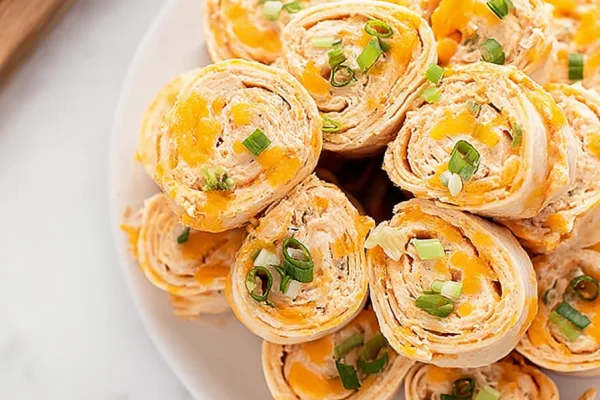
Buffalo Chicken Pinwheels
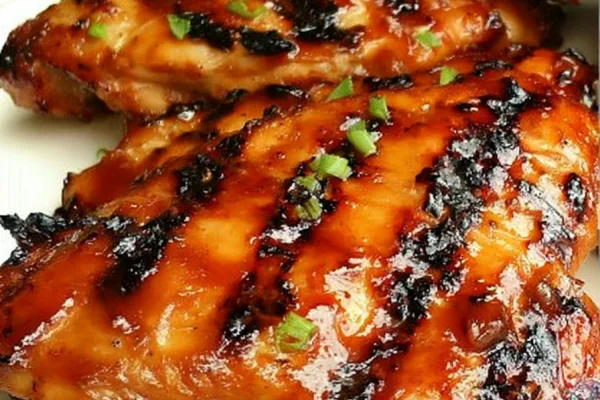
Grilled Teriyaki Chicken
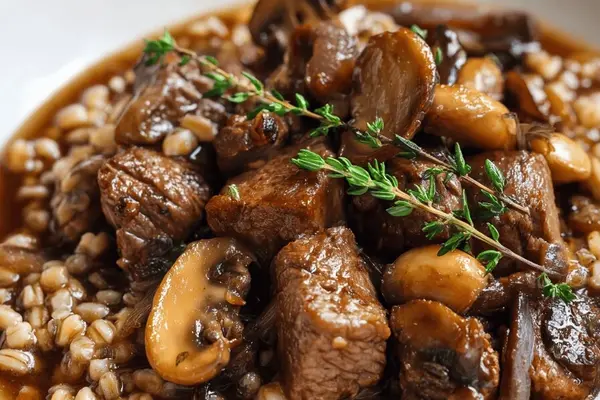
Crockpot Beef and Barley Soup
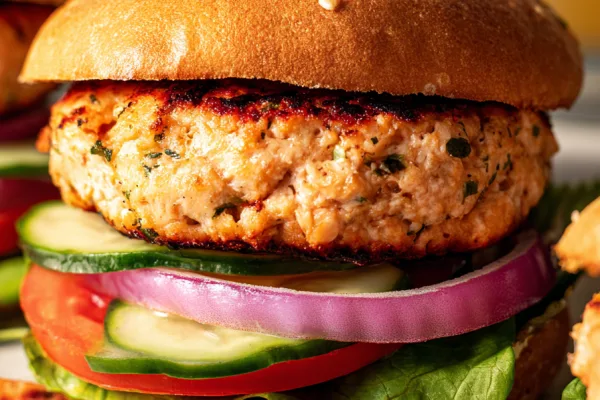
Juicy Ground Chicken Burgers
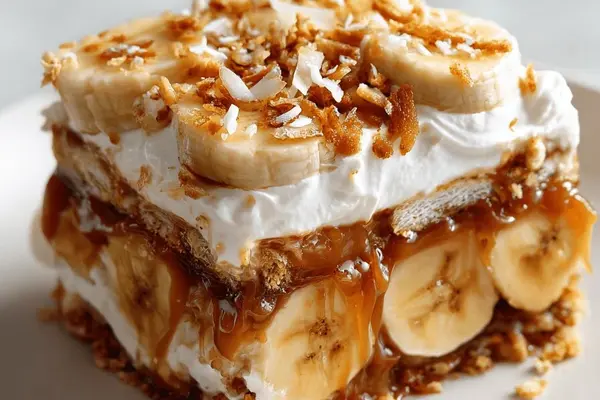
Banana Dulce de Leche Trifle with Oat Crumble
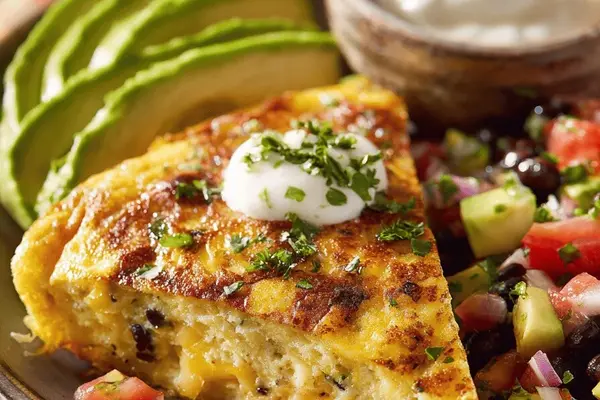
Mexican Soufflé Omelette with Avocado Salsa
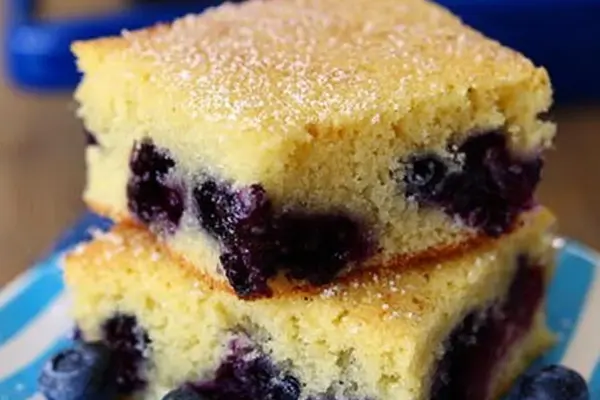
Blueberry Corn Bread with Honey & Polenta
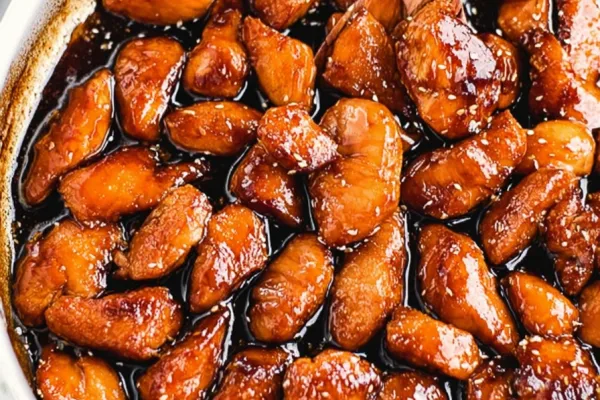
Honey Garlic Chicken Stir-Fry
Beef Enchilada Crescent Roll-ups
Baked Apples with Cranberry Walnut Filling
Crispy Baked Potato Skins with Bacon & Cheddar
Crispy Dill Pickle Fritters with Cornmeal
Broccoli Cheddar Potato Skins with Sour Cream
Fluffy Pancakes Recipe with Buttermilk
Lamb Tagine with Spiced Tea and Dried Fruits
Chicken Pot Pie with Carrots & Leek
Cabbage Beet Pomegranate Salad Recipe
Candied Sweet Potatoes With Pecans
Cold Salmon Taboulé with Peas Recipe