Coffee & Cookies: Espresso Chocolate Chunk
By Emma
Certified Culinary Professional
·
Recipe tested & approved
Espresso powder goes in with the flour. Not after. Changes everything.
Why You’ll Love These Coffee & Chocolate Chip Espresso Cookies
Homemade means you control the chocolate — actual chunks, not those waxy chips from the store. The espresso powder hits different than coffee extract. It’s bitter and deep without tasting like you’re drinking something. Takes 50 minutes total from start to cooling, 15 of that just waiting for the dough to chill. Edges get crispy. Centers stay soft. They taste better the next day, maybe because the flavors sit overnight and stop fighting each other. Makes enough for snacking all week, or gone in two days depending on restraint.
What You Need for Coffee & Chocolate Chip Espresso Cookies
Two and a quarter cups flour. All-purpose. Don’t use cake flour or it gets too tender and falls apart.
Espresso powder. Two teaspoons. The real stuff from a coffee aisle, not instant coffee from a jar — the particle size matters more than it should. Semi-sweet chocolate chunks. Three quarters cup. Chunks work better than chips because they don’t melt into the dough the same way. Dark chocolate chips on top of that. Half a cup. The combination keeps it from being one-note sweet.
Butter. Three quarters cup, softened but not warm. Cold butter makes cookies spread less. Warm butter makes them flat and greasy. Brown sugar and white sugar mixed — three quarters of a cup brown, a quarter cup white. The brown keeps everything moist. The white keeps it from turning into cake.
Two whole eggs. Both whole eggs, not yolks. Vanilla extract. One and a half teaspoons. Baking soda and baking powder. Half teaspoon soda, quarter teaspoon powder — the soda does most of the work, the powder just backs it up. Salt. Kosher. A quarter teaspoon. Helps everything taste like more of itself.
How to Make Chocolate Chip Coffee Cookies
Combine the dry stuff first. Flour, espresso powder, baking soda, baking powder, salt — all in one bowl. Whisk until there’s no clumpy espresso powder hiding in there. The clumps don’t dissolve in the dough, they just sit there bitter and weird.
Use a stand mixer if you have one. Medium-high speed. Beat the butter with both sugars for about a minute and a half. Creamy but not fluffy like you’re making frosting. That’s where people mess up — overbeating makes the cookies tough and cakey instead of tender. Stop when it looks uniform.
Add the eggs one at a time with the mixer going. Let each one fully incorporate before adding the next — no yellow streaks. Scrape the sides of the bowl so everything’s the same color. Pour in the vanilla. Mix until it vanishes into the wet mixture.
Here’s where it matters: add half the dry mix. Fold it in gently. Not mixing, folding. Then add the rest. This part kills cookies — overmix and the gluten wakes up and the dough gets elastic and chewy instead of tender and crumbly. You want the dough to barely hold together, not to feel like a rope.
How to Get Coffee & Chocolate Chip Espresso Cookies Crispy on the Edges
Stir in the chocolate chunks and dark chips last. Don’t beat it. Just fold until they’re distributed. The less the dough gets worked at this point, the better.
Cover the bowl and stick it in the fridge. Twenty-five to thirty minutes minimum. Cold dough spreads slower in the oven, which means the edges have time to set and brown before the center spreads flat. This is non-negotiable.
Preheat to 350°F while you wait. Line baking sheets with parchment or silicone mats. Greased sheets and the cookies slide everywhere and bake unevenly. Not worth it.
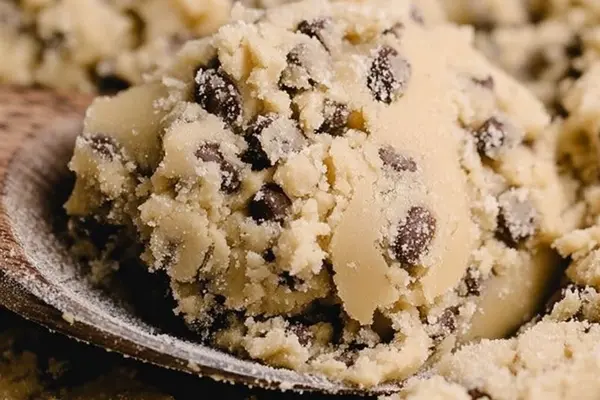
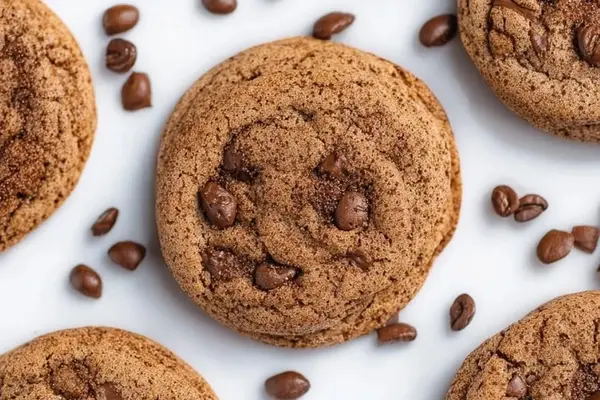
Scoop dough into balls about an inch and a half across — roughly a tablespoon and a half each. Space them two inches apart. They’ll spread but not enough to touch. Bake for nine to eleven minutes. The edges should be brown, actual brown, not just set. The tops stay shiny and look a bit underbaked. That’s intentional. They’re soft on top, crispy on the edges, tender all the way through once they cool.
Coffee & Chocolate Chip Espresso Cookies Tips and Common Mistakes
Let them sit on the baking sheet for two to three minutes before moving them. They’re fragile right out of the oven. Moving too soon and they break apart. Two minutes is enough.
Transfer to a cooling rack after that. Or just a plate. Doesn’t matter as long as air can circulate. Cookies left on the hot sheet keep cooking from underneath and get crunchy instead of tender.
White chocolate doesn’t work here. Too sweet. Overwhelms everything. The espresso needs darker chocolate to make sense.
Store them in an airtight container once they’re completely cool. They last about five days before they start tasting stale, but honestly they’re best on day two. That’s when the coffee flavor settles in and stops being so sharp.
If your cookies spread too much, your dough was too warm. Chill it longer next time. If they’re cakey, you mixed the dough too much or used too much baking powder. Start with less soda next time — a quarter teaspoon instead of a half.
The espresso powder doesn’t make them taste like coffee. It makes them taste deeper. Richer. Like chocolate that sat with something dark for a while.
Coffee & Cookies: Espresso Chocolate Chunk
Prep:
15 min
Cook:
10 min
Total:
50 min
Servings:
36 cookies
Ingredients
- 2 1/4 cups all-purpose flour
- 2 teaspoons espresso powder
- 1/2 teaspoon baking soda
- 1/4 teaspoon baking powder
- 1/2 teaspoon kosher salt
- 3/4 cup unsalted butter softened
- 3/4 cup packed light brown sugar
- 1/4 cup granulated sugar
- 1 large whole egg
- 1 large whole egg (instead of yolk)
- 1 1/2 teaspoons pure vanilla extract
- 3/4 cup semi-sweet chocolate chunks
- 1/2 cup dark chocolate chips
Method
- 1 Mix together flour espresso powder baking soda baking powder salt in bowl. Whisk well so clumps vanish. Fine powder makes dough better.
- 2 Use stand mixer or handheld on medium-high speed. Beat butter sugars 1 1/2 min till creamy but not air-whipped. Don’t overdo or cookies toughen.
- 3 Add whole eggs one at a time with vanilla. Mix till no yellow streaks. Scrape sides. Even color means well combined.
- 4 Add half dry mix into wet. Fold gently till just mixed. Then add rest. Overmix and dough turns elastic and chewy, not tender.
- 5 Stir chocolate chunks and chips last. Incorporate but no heavy beating. Cover dough wrap tight chill 25-30 mins. Cold dough keeps shape in oven.
- 6 Preheat oven 350°F. Line baking sheets with parchment or silicone. Avoid greased sheets or cookies spread too much.
- 7 Scoop 1 1/2-tablespoon dough balls space 2 inches apart. Bake 9-11 mins till edges brown but tops look set and shiny. Soft centers but not raw.
- 8 Rest cookies on sheet 2-3 mins. Moving too soon breaks them. Cool completely on rack. Store airtight once cooled.
Nutritional information
Calories
175
Protein
2g
Carbs
21g
Fat
9g
Frequently Asked Questions About Coffee & Chocolate Chip Espresso Cookies
Can I use instant coffee instead of espresso powder? You can. It’ll taste different — less intense. Espresso powder is more concentrated. If you only have instant, use more. Maybe three teaspoons instead of two. Haven’t tested it exactly so adjust to taste.
How long do these keep? Five days in an airtight container. They get drier after that. Freezing works fine too — they last a month frozen, taste exactly the same once they thaw.
Why does the dough need to chill? Cold dough doesn’t spread as fast in the oven. The edges set and brown before the center flattens. Warm dough spreads immediately and bakes flat. Different texture completely.
Can I use all dark chocolate chips? Sure. It’ll be less sweet, more bitter. The semi-sweet chunks balance it out. All dark and it’s almost like a dark chocolate cookie with espresso instead of a chocolate espresso cookie. Different vibe entirely, but it works.
What if I want cookies with coffee flavor more obvious? Add another half teaspoon of espresso powder. That’s the limit before it gets acrid. Some people use instant coffee brewed into a paste and swap out some vanilla with it. Never tried it. Might work but the powder method is simpler.
Do I need a stand mixer? No. Handheld mixer works. Hand mixing with a wooden spoon takes longer and you’ll get tired. The mixer is just faster.
Can I make these without the dark chocolate chips? Yeah. Use all semi-sweet chunks, a full cup. Or add white chocolate if that’s what you have. The espresso and chocolate chip cookie base works with anything. The dark chips just add bitterness to keep the sweet balanced.
You’ll Love These Too
Explore all →
Asian Style Sirloin BBQ with Soy & Ginger

Savory Cherry Tomato Tart with Goat Cheese
Loose Beef Sandwich with Chorizo & Chipotle
Italian Meatballs with Ricotta Topping

Unsweetened Coconut Juice with Soybeans

Grilled Asparagus Silken Tofu Salad
Sheet Pan Chocolate Cake with Sour Cream
Homemade Peanut Butter Cups Recipe

Fish Tacos with Cod, Pineapple & Cilantro
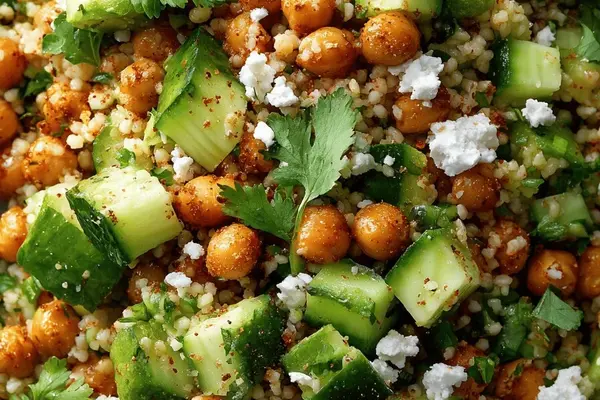
Chickpea Couscous Salad with Feta
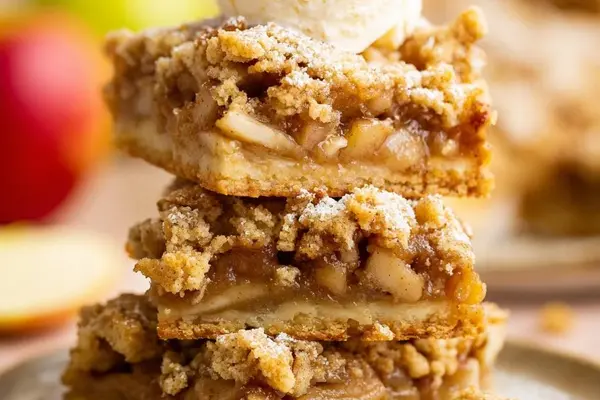
Apple Pie Bars with Cinnamon Shortbread
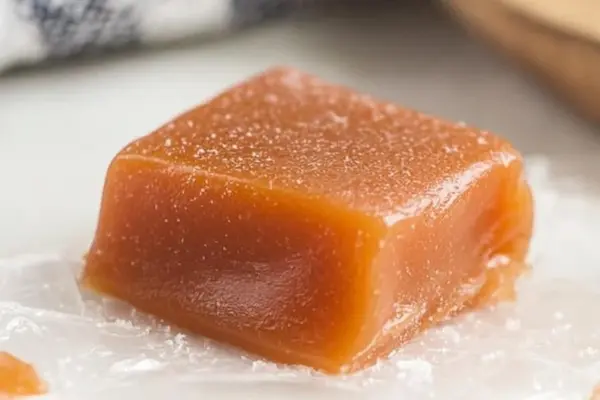
Homemade Caramel Candy Recipe with Brown Sugar

Thanksgiving Turkey Breast Roast with Pineapple
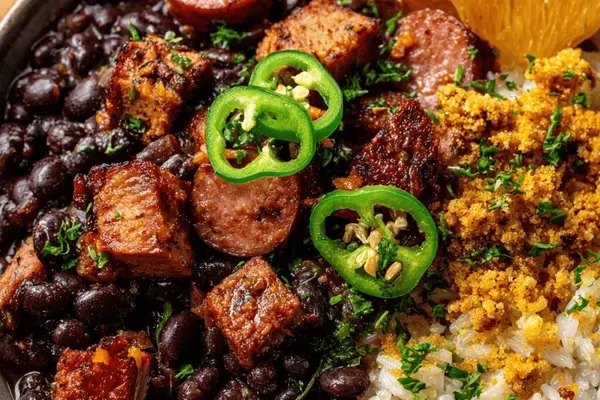
Black Bean Stew Recipe with Pork & Linguiça
Miniature Brownies with Peanut Butter Frosting
Profiteroles with Chocolate Chips & Zucchini

Roasted Carrots with Ricotta and Lemon
Grilled Sirloin Roast with Peppercorn Sauce
Cinnamon Sugar Popovers Recipe