Crab-Stuffed Beef Tenderloin
E
By Emma
Certified Culinary Professional
•
Recipe tested & approved
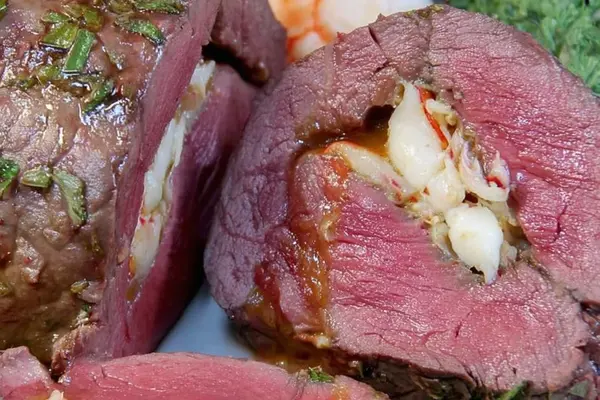
Beef tenderloin stuffed with butter-coated crab meat and caramelized onions. Roasted to medium with a crusty exterior and juicy center. Butter and garlic build a flavorful seafood filling. Caramelized onions add sweetness, balancing the beef’s rich flavor. Important to butterfly carefully to avoid tearing. Tied tightly to keep filling intact. Olive oil rub and sea salt crucial for nice crust. Internal temp close to 130F for medium-rare, rest time to lock juices. Sub veggies or you’ll miss texture contrast. Flexible for swapping crab with lobster or crab paste for easier prep. Cook times shift with thickness; feel for firmness and color transition rather than clocks.
Prep:
25 min
Cook:
30 min
Total:
55 min
Servings:
4 servings
#beef
#seafood
#roasting
#stuffed meat
#American cuisine
Before You Start
Butterfly the beef tenderloin but don’t cut clean through. That’s the trick. The crab needs to stay juicy, not baked dry out. Toss crab in melted garlic butter, not just dry spices—fat carries flavor and moisture. Caramelized onions take forever but give sweet contrast; watch for faint golden edges and a deep onion aroma. Don’t skip resting meat after roasting. Beef tightens as it cools and juices settle. Knots in twine every inch and a half keep everything tight—learned that trying to stuff too much without tying; ended up with crab everywhere. Oven hot enough to get browned crust but not too much to overcook inside. Important: timing’s flexible. Learn the cues. If your onions burn or crab dries, better to slow down than rush. Butterflied beef looks scary wide but pulls together snugly. Experiment with lobster too, adds complexity. Or swap olive oil for browned butter for nuttier crust.
Ingredients
- 1 2-lb beef tenderloin
- 4 crab legs with shell removed, roughly chopped
- 1 large onion, thinly sliced
- 3 tbsp butter
- 1 tsp garlic powder
- 2 tbsp olive oil
- 1 tsp fine sea salt
- fresh cracked black pepper
- kitchen twine
In The Same Category · Main Dishes
Explore all →
Turkey Rolls Quinoa Pumpkin Sauce

Hearty Veg Chili Twist
Smothered Chicken Burritos Remix
Grilled Veal with Avocado Beet Salad
Sushi Rice Fish Bowl
Kung Pao Chicken Remix
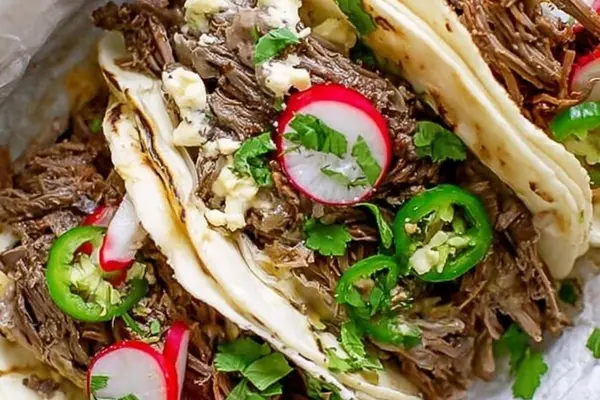
Slow Cooker Barbacoa Tacos
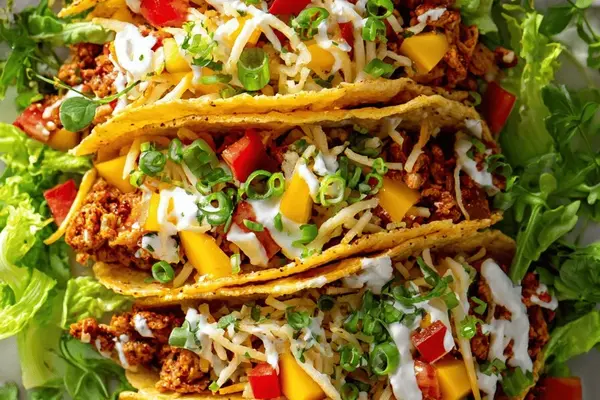
Spiced Chicken Tacos Twist
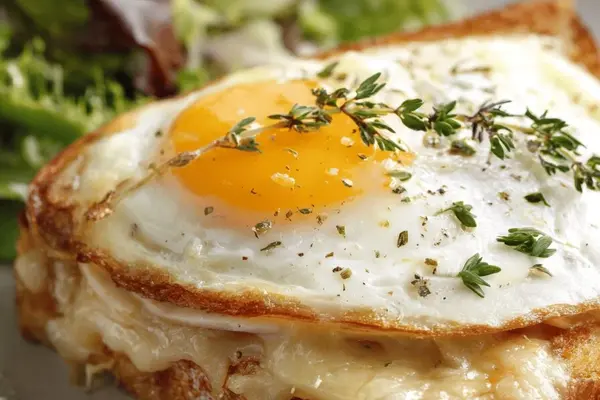
Twisted Croque-Madame
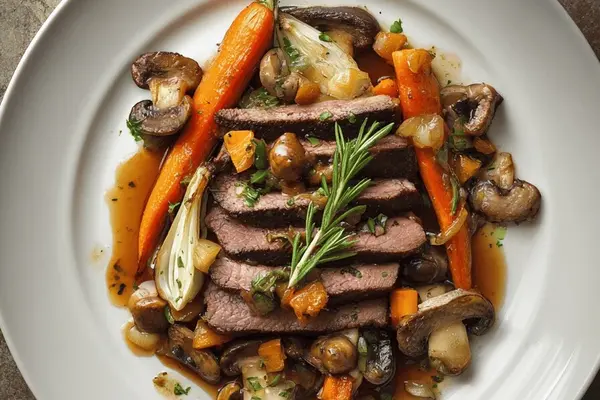
Pork Bavette with Mushrooms Figs
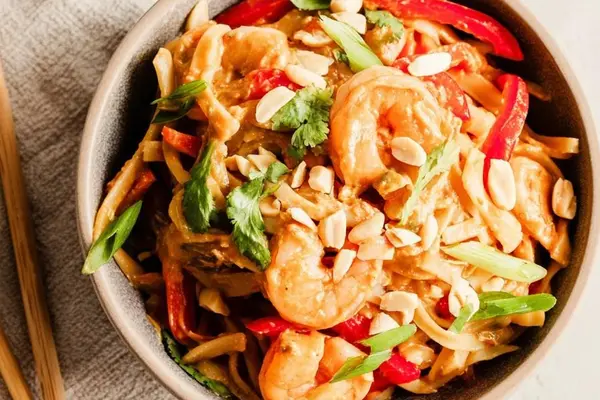
Thai Peanut Noodles Shrimp
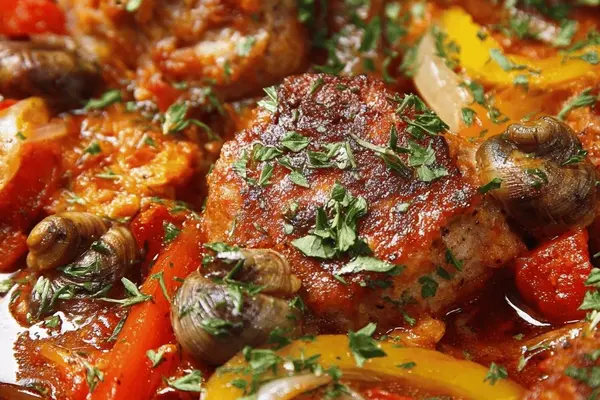
Spicy Sausage Escargots
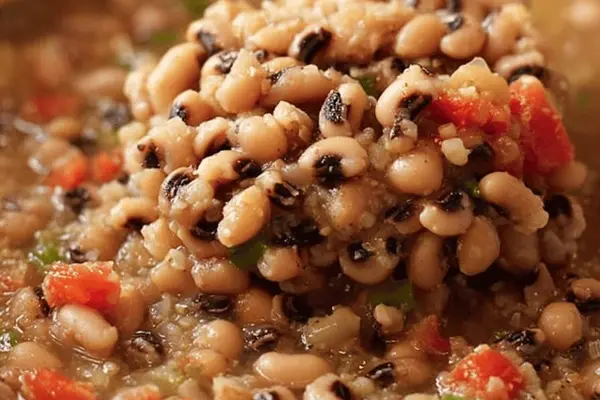
Spicy Creole Peas Twist
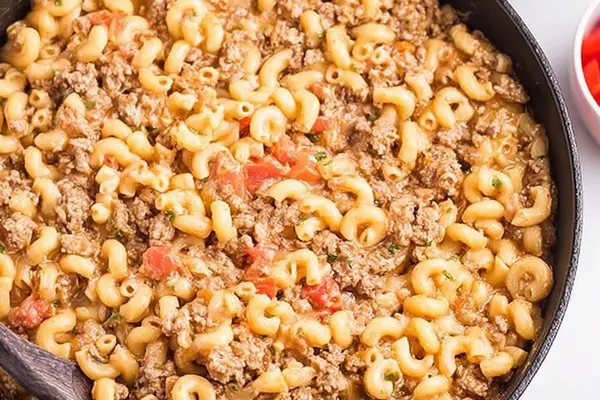
Beef Mac Skillet
Sausages with Flageolets
Savory Meat Puff Pastry

Smoky Chicken Birria Tacos
Savory Steak Stir Fry
Beet Risotto Twist
Keto Spicy Bacon Chili
About the ingredients
Tenderloin needs trimming to even thickness if uneven; makes rolling easier and cooks evenly. Crab legs—use fresh or frozen, thaw completely; crab paste or lump crab meat works but adjust butter amount since paste is wetter. Caramelizing onions slow on low heat prevents bitterness; don’t rush with high flame or you get burnt bits spoiling sweetness. Butter key to moisten crab and add richness—it tricks dryness out. Olive oil rub helps crust form in oven, and seasoning with fine sea salt ensures even distribution; coarse salt leaves gaps. Kitchen twine essential to hold shape with filling inside; no tying means filling bursts out. Garlic powder works better than fresh garlic here; fresh burns fast, powder infuses evenly. Have lemon zest on hand if swapping crab for shellfish—adds brightness. Onion type can vary, yellow or sweet onions preferred for balanced caramelization. If short on time, caramelize onions day before and refrigerate, reheating slightly before assembling.
Method
- Caramelize onion in a skillet over medium-low heat with a bit of oil and patience, stirring often so the slices turn golden and smell sweet. This takes 20 minutes but trust the smell and color, not just time.
- Butterfly tenderloin: Lay flat, slice lengthwise halfway down keeping 1.5 inches at bottom intact. The goal is a big flat piece to roll into a log but avoid ripping it apart here.
- Melt butter in bowl, add garlic powder, then toss chopped crab gently to coat. Butter adds moisture, garlic deepens flavor; raw crab needs that fat hit.
- On a clean surface, lay butterflied beef cut side up, spread crab in center lengthwise, layer caramelized onion over crab. Pull flaps over to enclose filling—don’t worry if it looks tight. Tie tightly every 1.5 inches with twine so it holds shape.
- Rub entire beef log with olive oil, then sprinkle salt and pepper. Let sit at room temp 20 minutes. Salt draws flavor in, oil helps crust form.
- Preheat oven to 410°F for slightly faster roast. Slide in beef, roast 28-32 minutes for medium-rare depending on thickness. Look for deep brown crust, juices starting to pool on surface, slight firmness when pressed gently. Internal temp about 130°F.
- Remove from oven, tent loosely with foil, rest 10 minutes. Juices redistribute, meat firms up slightly making slicing easier without losing moisture.
- Cut twine, slice thickly. Crab and onion filling moist and sweet against beef’s robust flavor. If crab replaced, lobster or shrimp chunks with a splash of lemon zest work. If tenderloin is thick, add few minutes; if thin, watch carefully or risk drying.
- Note: avoid rushing caramelized onions or grilling filling beforehand—they dry crab out. Also if tying is loose, filling oozes out. If beef breaks while butterflying, partial cuts still work but tuck edges to seal with twine.
Cooking tips
Caramelize onions low and slow until deep gold and soft but not mushy, stirring every few minutes to avoid sticking. Roughly chop crab after removing shells; don’t overwork or it turns pasty. When butterflying beef, keep one edge intact; cut slowly with a sharp knife to avoid tearing. Toss crab gently in melted butter with garlic powder, coating but avoiding breaking pieces. Spread crab and onions evenly along beef center; pile too high and it explodes during roasting. Tie every 1.5 inches tightly to hold shape; loose twine leads to filling fallout. Olive oil rub after tying seals surface, helps salty crust form. Resting at room temperature lets salt penetrate and beef relax before hitting oven. Oven set higher (410°F) to speed crust without drying inside—watch color cues and touch firmness rather than strict time. Tent loosely with foil after cooking so not steamed but juices redistribute. Slice thick to keep filling layers intact. If thicker beef, increase roasting by 5 minutes but check visual/tactile cues first. Skip step if short on time: prepare caramelized onions ahead. Practice tying knots quickly with kitchen twine—saves fumbling during assembly.
Chef's notes
- 💡 Caramelize onions low and slow. Don’t rush or burn. Jam every few minutes. Look for deep gold color, soft texture. Bitter burnt bits ruin sweetness. I sometimes start onions early while prepping tenderloin. Smell sweet, smell rich, that’s your cue.
- 💡 Butterfly beef with care. One clean edge left intact. Sharp knife mandatory. Slice lengthwise not all the way through. Keep 1.5 inches uncut to roll without splitting. If tears appear, tuck edges and secure tight with twine. Looser ties mean crab ooze. Tie knots every 1.5 inches, pull firmly.
- 💡 Mix crab gently with melted butter and garlic powder, not dry spices. Butter coats crab, adds moisture, keeps filling juicy through roasting. Toss softly—don’t break crab chunks or you get mush. If crab paste replaces legs, cut back butter slightly due to moisture.
- 💡 Rub oil over tied beef log after filling. Then salt and pepper evenly. Oil helps crust form in hot oven. Sea salt fine grain. Coarse salt leaves gaps in seasoning. Let sit room temp 20 minutes after rub. Salt pulls flavor into meat, oil preps crust surface.
- 💡 Oven at 410°F makes crust form sooner. Roast 28-32 minutes depending on thickness. Don’t rely on timer alone; watch color changes, juices pooling at surface, touch for slight firmness—not mushy but not hard. Internal temp close to 130°F medium-rare but feel is best. Rest 10 minutes tented in foil.
- 💡 If crab swapped, lobster or shrimp chunks work best with lemon zest. Avoid drying shellfish—no grilling filling ahead. Keep filling moist with butter. Thicker tenderloin adds roast time 3-5 minutes but check doneness visually. Thin pieces watch carefully or overcook fast.
- 💡 Cut twine right before slicing. Slice thick to keep layers intact. Crab and onion filling stay moist inside beef. Skipping tying means filling runs everywhere during roast. Knots tightened make all difference. Practice tying fast, reliable knots for no mess.
- 💡 Caramelized onions can be prepared day ahead refrigerated. Reheat slowly before assembly. Makes busy kitchen easier. Use sweet onions for best natural sugars. Yellow onions work but watch for bitterness if rushed. Oil or butter base okay, but butter gives richer aroma.
Common questions
How do I butterfly beef without tearing?
Sharp knife really helps. Slice slowly. Leave one edge intact about 1.5 inches. If small tears appear, tuck edges under and tie tightly with twine. Avoid pulling or forcing open too fast. Tying keeps filling compressed; no tie means trouble.
Can I use other seafood instead of crab?
Lobster chunks or shrimp work fine if chopped properly, toss with butter and garlic powder same way. Avoid dry spices alone. Lemon zest adds brightness. Paste works but wetter, adjust butter accordingly. Grilling filling before stuffing dries it out, so skip that.
How do I know when beef is medium-rare without a thermometer?
Watch crust color, dark and brown but not burned. Juices start pooling on surface. Touch firmness with finger or tongs—should have slight give but not too soft. Thicker tenderloins take 3-5 more minutes; thinner ones less. Resting keeps juices in even if a bit early removing.
Best way to store leftovers?
Wrap tightly in foil and refrigerate. Use within 2 days. Reheat slowly in oven wrapped loose to keep from drying. Cold slices good in sandwiches or salads. Crab filling can dry out fast so avoid microwaving; gentle reheating preferred. Freeze only if raw filling unused.
You’ll Love These Too
Explore all →
Nancy's Meatball Sauce Mix
Slow Cooked Pho Broth
Strawberry Pretzel Parfaits
Balsamic Rosemary Chicken
Spicy Ranch Firecrackers
Fluffy Buttermilk Pancakes
Rustic Seasoned Salt
Savory Cherry Tomato Tart
Creamy Italian Dressing Remix
Nana's Hoop Cheese Mac
Grilled Chicken Tzatziki Combo

Stuffed Sweet Pepper Bites
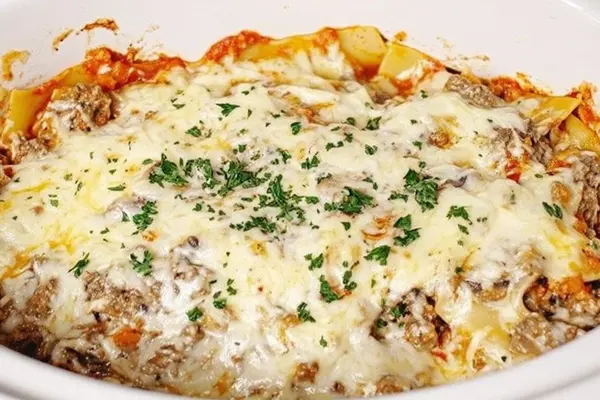
Slow Cooker Sausage Ravioli
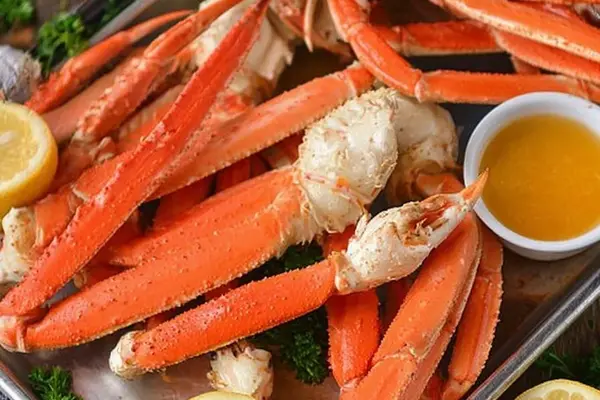
Snow Crab Legs Guide
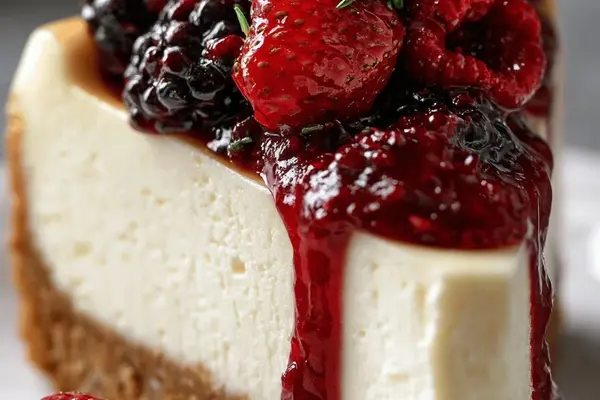
Cheesecake with Fruity Sauce
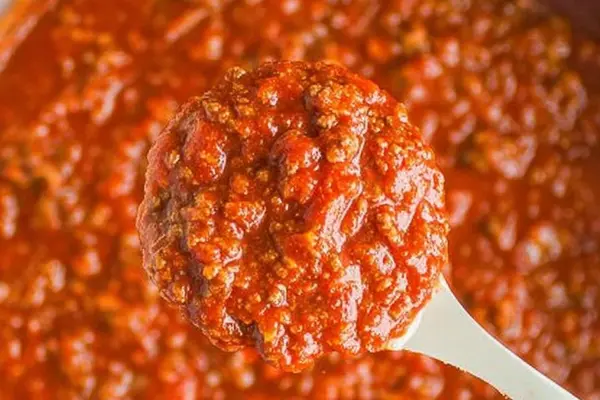
Hearty Beef Spaghetti Sauce
Curried Tofu Avocado Wraps
Lemon Ginger Chicken Thighs
Cinnamon Brioche Buns
Nutella Swirl Brownies Reworked