
Cranberry Glazed Beef Tenderloin
E
By Emma
Certified Culinary Professional
•
Recipe tested & approved
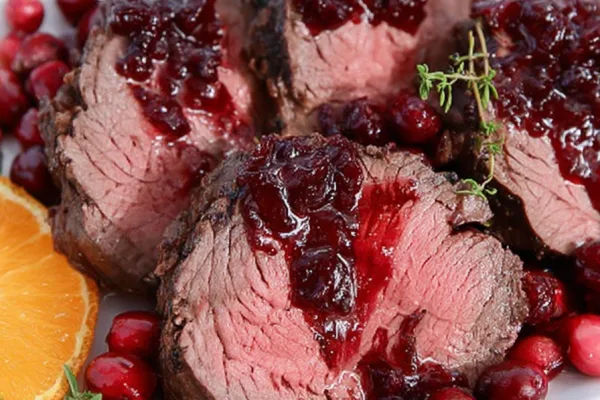
Cranberry Glazed Beef Tenderloin features a tart-sweet cranberry and spice coating over seared beef tenderloin, roasted to medium rare with a juicy interior and a warming aroma from cinnamon and cloves.
Prep:
10 min
Cook:
30 min
Total:
40 min
Servings:
8 servings
I made this beef tenderloin recipe last Tuesday after work and honestly it turned out better than I expected. The cranberry glaze thickens up on the stove while you’re prepping the meat so nothing feels rushed. Once it’s in the oven you basically just baste it once and wait.
Why You’ll Love This Recipe
- You sear the tenderloin first so the outside gets this spiced crust that holds up against the tart glaze
- The cranberries actually burst in the pan and you can hear them pop which tells you when it’s ready
- 40 minutes total and most of that is oven time
- It’s fancy enough for company but I made it on a Tuesday in my regular skillet
- The cinnamon stick in the glaze makes the whole house smell like you’ve been cooking all day when really it’s been less than an hour
- Internal temp hits 145 degrees F and you get that rosy medium rare center without any guesswork
The Glaze Comes Together Fast
Start with the cranberry glaze because it needs to cool slightly before you use it. Throw 1 cup fresh cranberries into a medium saucepan. Add 1/2 cup orange juice, 1/3 cup brown sugar, 1 cinnamon stick, and 1/4 teaspoon salt. Medium-low heat is your friend here. Stir it as it heats until you see the first bubbles breaking the surface.
Keep it at a gentle simmer and stir often. The cranberries will pop open one by one and the whole thing turns glossy, thick enough to coat the back of your spoon. Takes 8 to 9 minutes. I almost walked away to check my phone but heard the berries bursting so I stayed put. Pull it off the heat and let it sit while you deal with the meat.
Searing the Tenderloin Is Where You Build Flavor
Pat your beef tenderloin dry with paper towels. Mine was about 2.5 pounds. The drier it is the better the sear you’ll get later and that’s non-negotiable if you want a crust.
Mix 1 teaspoon salt, 1/2 teaspoon black pepper, 1/4 teaspoon ground nutmeg, 1/4 teaspoon ground cloves and 1/4 teaspoon ground cinnamon in a small bowl. Rub this spice blend all over the beef, pressing it in so it sticks. I got it on every side, even the ends.
Heat your cast iron skillet over medium-high until it’s very hot. Pour in 1 tablespoon vegetable oil and wait for it to shimmer. That shimmer means it’s ready. Add the tenderloin and sear on all sides, turning with tongs. You want a brown crust that smells deeply savory with those spices coming through. Took me 6 to 7 minutes. Don’t rush this part.
Roasting With the Glaze Changes Everything
Preheat the oven to 350 degrees F while you’re searing. Once the beef is browned on all sides, turn off the burner. Spoon some of that cranberry glaze right over the seared beef while it’s still in the skillet — this traps moisture and starts building those layers of flavor early.
Slide the whole skillet into the oven. After 10 minutes pull it out and baste again with more glaze. I used a spoon and just drizzled it over the top, letting it run down the sides. Put it back in and roast until you hit a total of 20 minutes for a 2-pound roast or 30 minutes for 3 pounds. You’re aiming for an internal temperature of 145 degrees F for medium rare, which gives you that juicy rosy center.
Pull the skillet out and let the beef rest at room temperature for at least 10 minutes. I know it’s tempting to cut into it right away but don’t. The juices need time to redistribute or they’ll just run all over your cutting board.
The First Time I Made This I Learned Something
I tried this roasted beef with cranberry glaze on a random weeknight because I had fresh cranberries leftover from something else. First attempt I didn’t pat the meat dry enough and the sear wasn’t as good. Also I skipped the mid-roast basting and the glaze didn’t penetrate as much. This time I followed the steps exactly and the difference was obvious — the beef had this sweet-tart coating that clung to every slice instead of just sitting on top.
The spices in the rub (nutmeg, cloves, cinnamon) echo what’s in the glaze so the whole thing tastes connected. When you slice it the meat should still be pink in the middle, not gray. If you go past 145 degrees F it dries out fast so use a thermometer.
Serving Ideas and What Goes With It
Slice the rested beef into single servings, maybe half an inch thick. Spoon the remaining cranberry glaze over the slices before you bring it to the table. The glaze has cooled a bit by now but it’s still warm enough to melt slightly on contact.
I served mine with roasted root vegetables and it worked. Mashed potatoes would be good too because they’d soak up the extra glaze. A simple green salad on the side cuts through the richness. Honestly you could serve this for a holiday dinner or just make it because it’s Wednesday and you want something that feels special without a ton of effort.
Leftovers keep in the fridge for a couple days. I sliced the cold beef thin and put it on a sandwich with arugula and it was really good.
Variations You Could Try
If you don’t have fresh cranberries you could use frozen but let them thaw first so they don’t throw off the cooking time for the glaze. Orange juice is key but you could swap in a tablespoon of orange zest for more citrus punch. I’ve thought about adding a splash of red wine to the glaze next time for depth but haven’t tested it yet.
The spice rub is flexible. More cloves if you like that warming bite. Less nutmeg if it’s not your thing. You could double the glaze if you want extra for serving or if you’re doing a bigger roast closer to 3 pounds.
Cast iron holds heat well but a regular oven-safe skillet works too. Just make sure it can go from stovetop to oven without the handle melting off.
FAQ
can you make the cranberry glaze ahead of time
Yeah, make it up to two days early and keep it in the fridge. Reheat it gently on the stove before you baste the beef so it’s not cold when it hits the hot meat.
what if I don’t have a meat thermometer
Get one, honestly, because guessing internal temp on beef tenderloin is risky and you don’t want to overcook it. They’re cheap and you’ll use it more than you think.
how do you know when the beef is done resting
10 minutes minimum but 15 is better if you can wait. The meat stops contracting and the juices settle back into the fibers instead of leaking out when you cut.
You’ll Love These Too
Explore all →
Crispy Phyllo Cheese Bundles with Apples
Pimento Cheese with Manchego and Smoked Paprika

Green Shakshuka with Tomatillos and Spinach
Layered Pumpkin Spice Pie No-Bake Recipe
Leek Shrimp Tart with Dill & Parmesan
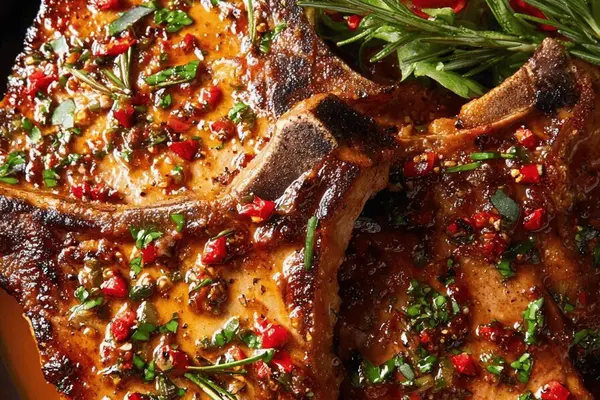
Pork Chops Citrus Fennel Marinade Recipe
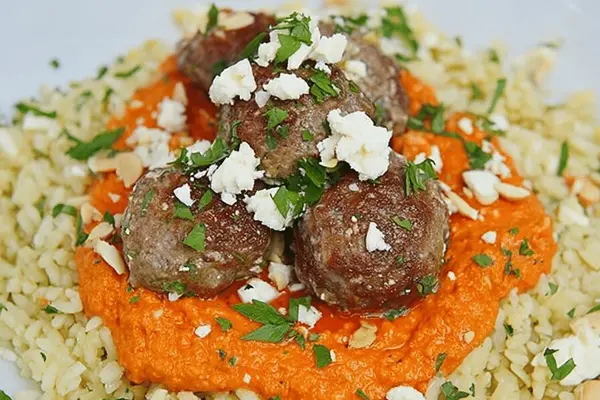
Herbed Lamb Meatballs with Buttered Orzo

Ham Egg Cheese Biscuit Wafflewiches
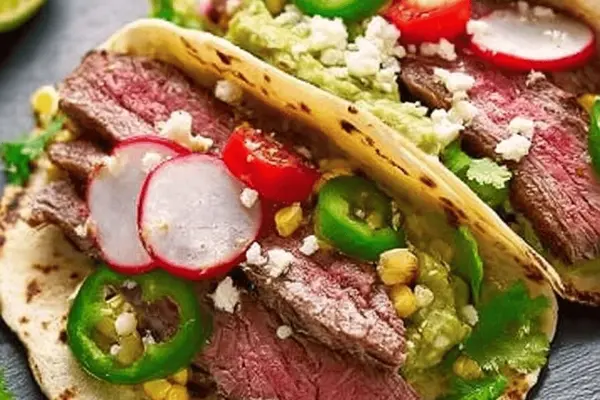
Marinated Flank Steak with Cilantro Avocado

Burrata Toast with Fried Egg & Roasted Tomatoes
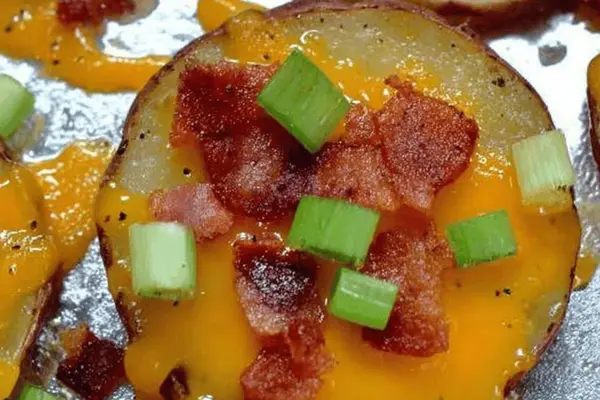
Loaded Potato Rounds with Bacon & Cheddar
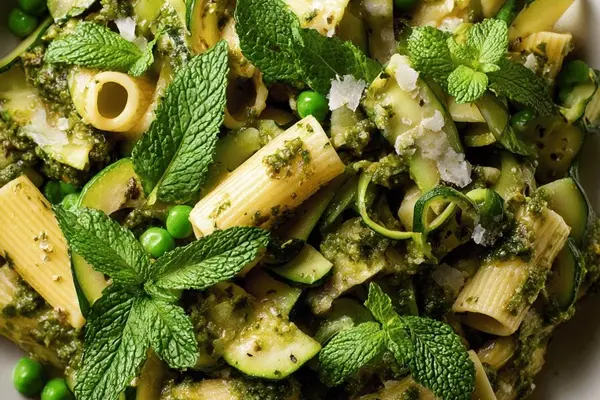
Filled Shells with Ricotta and Peas

Jello Shot Recipes with Strawberries & Rum

Chunky Mulled Apple Cider with Fennel Seeds
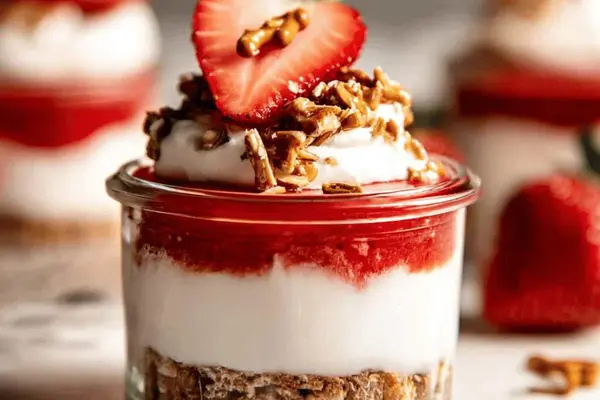
Strawberry Short Cake with Pretzel Crust
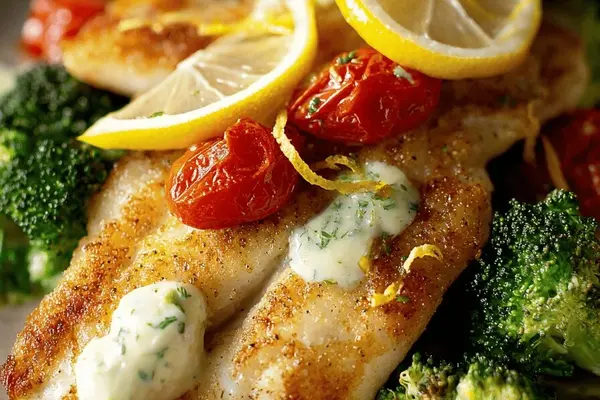
Pan Seared Sole with Dill and Mayo

Grilled Cheese with Turkey, Bacon & Gruyere
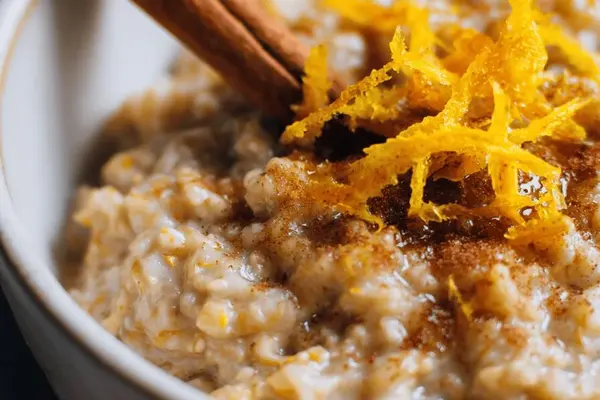
Steel-Cut Oats with Cinnamon & Orange Zest
Avocado Tuna Salad No Mayo Recipe