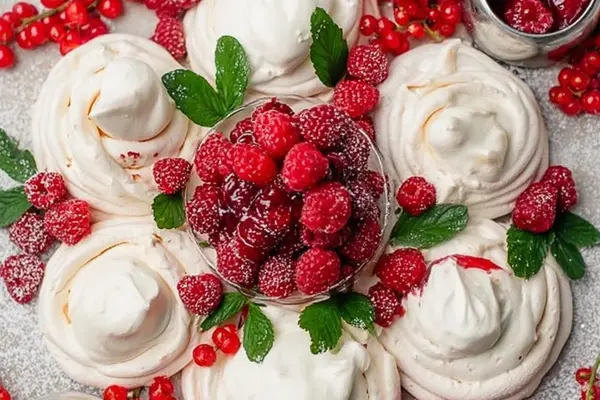
Cranberry Meringue Wreath with Orange Spice
By Emma
Certified Culinary Professional
·
Recipe tested & approved
Egg whites. Just egg whites, a little sugar, heat set low, and suddenly you’ve got something that tastes like nothing else—crispy outside, soft inside, kind of impossible. That’s a meringue wreath. Add cranberries stewed with cinnamon and orange, whipped cream, maybe some powdered sugar dust. Takes two hours to bake but most of that is just waiting. Had a bag of fresh cranberries in November with no plan beyond sauce. This happened instead.
Why You’ll Love This Cranberry Meringue Wreath
Looks fancy. Takes time but not effort—once the meringue goes in the oven you’re basically done. Perfect for holiday desserts when you want people to think you spent all day on it.
Cranberry compote and cinnamon spice means it doesn’t taste like pure sugar. Has something going on. Works cold the next day, maybe better.
The meringue part is just eggs and sugar whipped into submission. No flour, no fussing. Gluten-free by accident.
Won’t fill you up like cake does. Light. Crispy. Melts. Then gone.
Fresh cranberries give you that tart bite that balances everything. Not cloying.
What You Need for a Cranberry Meringue Wreath
Four egg whites. Not three, not five. Room temperature works but honestly colder whips faster—pull them out of the fridge 20 minutes before. No yolk allowed. Even a speck kills the whole thing.
Three-quarters cup granulated sugar. Not brown sugar here, this one needs white. Add it slowly or the whites won’t hold.
Apple cider vinegar. A teaspoon. Sounds weird but it stabilizes the egg white meringue circles baked low and slow. Lemon juice works if that’s what you have—flavor shifts slightly but not in a bad way.
Cornstarch. A tablespoon in the meringue. Absorbs moisture. Makes it crisp all the way through instead of weeping.
Vanilla. A quarter teaspoon. Barely anything.
For the cranberry topping: fresh cranberries, three-quarters cup. Not frozen. Frozen brings water and the compote gets thin. Orange juice, a quarter cup squeezed fresh. Brown sugar, a quarter teaspoon cornstarch, cinnamon, nutmeg, salt.
Heavy cream for whipping. A cup. Stabilize it with a bit of powdered sugar if you want, though it’s not necessary.
Powdered sugar for dusting. Fresh mint or orange peel for garnish if you’re feeling it.
How to Make a Pavlova Wreath with Whipped Cream
Oven to 230 degrees. Lower rack. That low temperature matters—regular heat browns the outside before the inside dries. Line a baking sheet with parchment.
Egg whites go in a clean bowl. Really clean. Any oil, any grease, they won’t whip. Medium speed on the mixer—frothy, opaque, takes maybe 3 or 4 minutes. Soft peaks. You’ll feel the difference. The whites go from clear liquid to this cloudy foam that holds its shape but still droops a little.
Sugar now. Spoonful by spoonful. Not all at once. Keep beating. This takes another 3 minutes, maybe 4. The whites brighten. They get shiny, stiff, glossy. Watch for graininess—if the texture goes grainy and gritty, you’ve gone too far. Should be smooth as glass.
Stream in the vanilla, vinegar, and cornstarch while the mixer runs on low. Two more minutes. Don’t overbeat or the whole thing falls apart.
Spoon onto the parchment. Rough third-cup portions, spaced out. Use the back of a spoon to hollow the centers. Make little nests. These hold the cream and cranberry compote later.
Into the oven. Two hours. That’s the time but watch it. You’re looking for the edges to go faintly golden and the tops to feel firm and crispy when you touch them. Not brown. Not creamy. Crisp.
When they’re done, crack the oven door open and leave them inside to cool completely. Slow cooling prevents cracks. Rushing it kills the texture.
How to Get Egg White Meringue Nests Crisp and Sturdy
The trick is low heat and patience. Two hundred thirty degrees sounds low but it works. Higher and the outside browns before the inside dries out. Lower and you’re baking for four hours. Two hours is the sweet spot.
Egg whites aged overnight at room temperature whip better than fresh ones. Something about time changes them. If you have time, leave them out the night before. If not, it still works.
No yolk. I mean it. Even a drop and the whole batch fails. Use a separate bowl to crack each one if you’re worried.
The vinegar and cornstarch do the real work here. Vinegar stabilizes the structure. Cornstarch absorbs moisture so they crisp instead of staying chewy. Without them the meringue is softer, more prone to weeping.
Watch the visual cues. Crisp edges. Glossy smooth tops. Dry bottoms. Hollow centers that don’t feel sticky. Those mean done. Not a timer. What you see.
If they’re browning too fast after an hour, tent the pan with foil. Keeps the heat gentler.
Holiday Dessert with Fresh Cranberries and Cinnamon Spice Tips
The cranberry compote is where the cinnamon and spice live. Fresh cranberries with orange juice, brown sugar, a little cornstarch to thicken it, cinnamon, nutmeg, salt. Medium heat. Stir it. The berries burst. The sugar dissolves. The liquid goes slightly translucent, not runny. Maybe 8 minutes. Cool it completely before assembly or it’ll warp the meringue.
Fresh cranberries only. Not frozen. Frozen ones are waterlogged and the compote gets thin instead of thick.
The whipped cream should be sweetened lightly. Heavy cream, a tablespoon of powdered sugar, whip to soft peaks. Not stiff. Soft. They still hold shape but feel airy.
Assembly goes fast because meringues get soggy quick. Arrange the cooled meringue circles in a wreath shape on a serving plate. Spoon the whipped cream into the hollow centers. Top with cranberry compote. Dust with powdered sugar. Garnish with mint or curled orange peel. Serve right then.
If you need them to hold for a bit, keep the compote and cream separate and assemble at the last minute. The meringue itself stores fine in an airtight container for a few days. Assembles at serving time.
If you overbeat the whites and they go grainy, try adding a teaspoon of cold water and whisking by hand. Sometimes it smooths out. Sometimes it doesn’t. Worth a try.
Cranberry Meringue Wreath with Orange Spice
Prep:
20 min
Cook:
2h
Total:
2h 20min
Servings:
8-10 servings
Ingredients
- 4 large egg whites
- 3/4 cup granulated sugar
- 1/4 teaspoon vanilla extract
- 1 teaspoon apple cider vinegar
- 1 tablespoon cornstarch
- 3/4 cup fresh cranberries
- 1/4 cup fresh squeezed orange juice
- 1/4 cup light brown sugar
- 1 teaspoon cornstarch
- 1/2 teaspoon ground cinnamon
- 1/4 teaspoon freshly grated nutmeg
- pinch salt
- 1 cup heavy cream
- powdered sugar for dusting
- fresh mint leaves or orange peel strips for garnish
- optional twist substitution: replace apple cider vinegar with lemon juice
Method
- Pavlova Wreath
- 1 Set oven to 230 degrees Fahrenheit and position rack on lower third. Parchment paper on baking sheet ready.
- 2 Whip egg whites in a chilled bowl or stand mixer on medium speed till frothy, opaque, holds soft peaks, about 3-4 minutes.
- 3 Add sugar slowly, spoonful by spoonful, beating continuously. Whites brighten, become slick, shiny with stiff peaks by 6-7 minutes total. Watch closely for graininess, stop once smooth and glossy.
- 4 Stream in vanilla, vinegar or lemon juice, and cornstarch while mixer runs on low. Keeps meringue stable and sets texture. Whip additional 2 minutes to incorporate but avoid overbeating; if mixture falls apart it's too late.
- 5 Spoon roughly third cup portions spaced evenly. Use backside of spoon or cup to hollow centers forming little nests. These craters hold cream and sauce.
- 6 Slide pan into oven. Two hours baking, but watch for subtle golden edges and firm feel. Crisp to touch but still light. If meringues brown too fast, lower heat or tent with foil.
- 7 When out, crack oven door ajar, leave meringues inside until fully cool and dry. This prevents cracks from rushing the cool air.
- Cranberry Topping
- 8 Combine cranberries, orange juice, brown sugar, cornstarch, cinnamon, nutmeg, and salt in saucepan over medium heat.
- 9 Simmer gently stirring often. Sugar dissolves, berries pop, sauce thickens enough to coat a spoon’s back fully—look for slight translucency in liquid, not runny.
- 10 Remove from heat. Cool before assembly or it warps meringue texture.
- Assembly
- 11 Form cooled meringue rounds into a circle on serving plate. Spoon cold whipped cream (lightly sweetened, whipped to soft peaks) into each hollow.
- 12 Top with cranberry compote spooned precariously but prettily. Dust with powdered sugar like fresh snow.
- 13 Garnish with fresh mint or curled orange peel for color and zing. Serve immediately—meringue gets soggy fast.
- ===
- 14 Tips: Egg whites aged a day in fridge at room temp whip better. No yolk allowed; even a drop kills volume. Use fresh cranberries—frozen bring excess water altering compote thickness. For quick vinegar substitute lemon juice but expect subtle flavor change.
- 15 If baking more than two hours, check every 20 minutes after first hour to prevent overbrowning. Store meringues separate from moisture; topping goes on at last minute.
- 16 Whipped cream can be stabilized with gelatin or cream cheese for standing time, but adds tang.
- 17 To rescue overbeaten whites turning grainy, add a teaspoon of cold water and whisk by hand till smoother; risk of fail, but can sometimes help.
- 18 Watch the visual cues over timers. Crisp edges, glossy smooth tops, dry bottoms, and hollow centers with no sticky feel mean done.
Nutritional information
Calories
210
Protein
2g
Carbs
30g
Fat
10g
Frequently Asked Questions About Cranberry Meringue Wreath
Can I make the meringue circles ahead of time? Yeah. They keep in an airtight container for three or four days. Doesn’t matter if they sit. Just fill them right before serving or they get wet and lose the crispness.
What if I don’t have fresh cranberries? Frozen works but the compote gets thinner because of the water that comes out when they thaw. You’d need more cornstarch to compensate. Fresh is better.
Can I use bottled orange juice instead of fresh squeezed? Probably. Flavor’s slightly different—fresh is brighter. Bottled tastes more processed. Not a disaster. Just different.
Why does my meringue crack? Cooling too fast. That’s the main one. Leave the oven door open and let it cool inside. Also check that you’re not overbaking. Once it’s dry it’s done. Longer and the cracks spread.
Can I make this without the cinnamon? Sure. The compote’s still good without it. You lose some of that holiday dessert with fresh cranberries warmth but the tart from the berries and orange is still there. Different, not worse.
How long does the whole thing stay fresh? The meringue circles keep for days if stored dry. Once you assemble it with cream and compote, eat it within a couple hours. The meringue starts absorbing moisture and gets soft. That’s why assembly happens at the end.
Can I use lemon juice instead of apple cider vinegar in the meringue? Yeah. Lemon’s brighter. The meringue still sets the same. Just tastes a touch different.
You’ll Love These Too
Explore all →
Jalapeño Popper Grilled Cheese with Bacon
Cilantro Lime Pasta Salad with Citrus Gremolata

Crispy Dill Pickle Fritters with Cornmeal
Quinoa Chicken Salad with Lemon & Feta

Chocolate Cupcakes with Cream Cheese Frosting
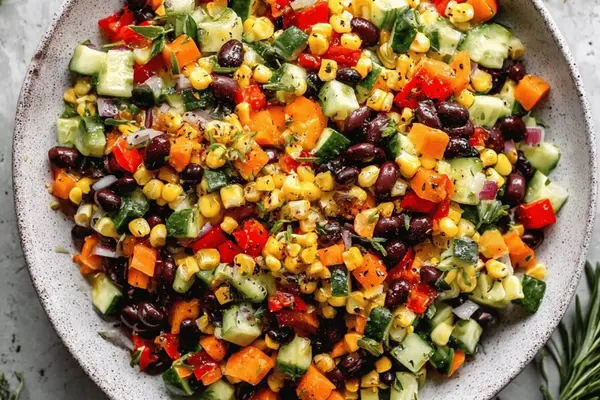
Corn Black Bean Salad with Red Wine Vinaigrette
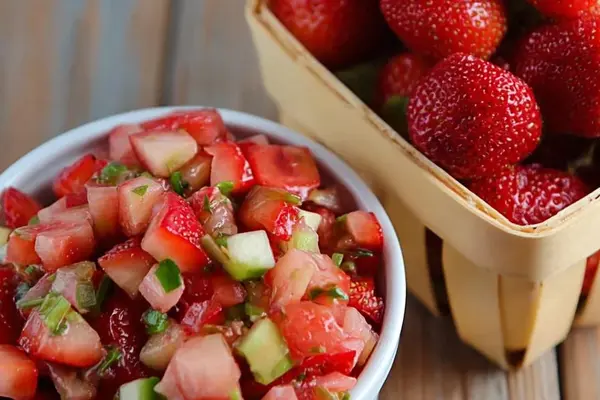
Strawberry Salsa Recipe with Jalapeño
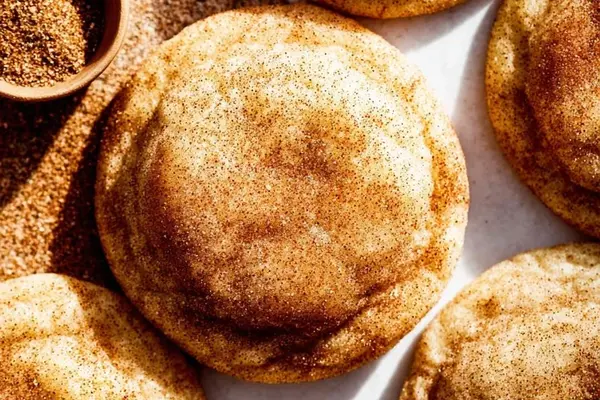
Snickerdoodle Recipe with Brown Butter
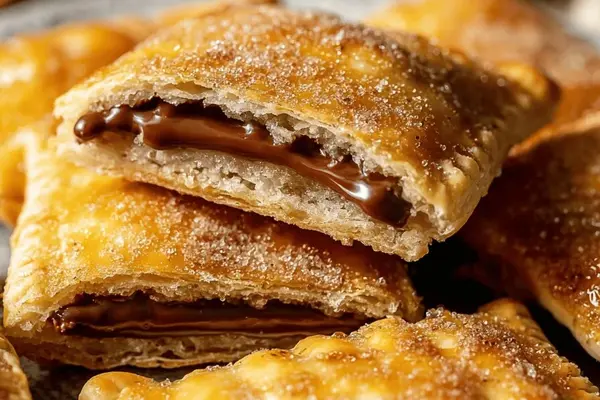
Cinnamon Pop Tarts with Coconut Cream Glaze
Garlic Mayo Recipe with Sriracha & Hoisin
Mulling Spices For Cider With Rum
Sweet Potato Cake with Walnuts & Marshmallow
French Toast Bake With Blueberries
Greek Yogurt Bagels Air Fryer: No Yeast
Creole Cornbread Dressing with Sausage

Easy Weeknight Pizza Casserole

Asian Chicken Sandwich with Peanut Carrot Salad
Chocolate Crepes with Dark Chocolate Sauce

Salmon Mango Tartare with Curry Yogurt Sauce