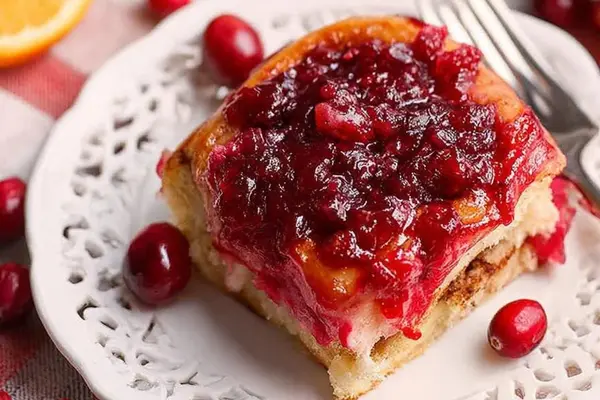
Cranberry-Orange Sticky Buns with Cinnamon
E
By Emma
Certified Culinary Professional
•
Recipe tested & approved
Warm milk first—not boiling, just steaming. That matters. Mix the yeast, sugar, salt in the bowl, pour the milk over, and wait. Ten minutes. You’ll smell it working. That’s the yeast doing what it’s supposed to do, and it’s your signal that everything’s on track before you add anything else.
Why You’ll Love These Cranberry-Orange Sticky Buns
63 minutes total—35 to prep, 28 in the oven. Makes 12. No standing around for hours. Fresh cranberries burst into the corn syrup and it gets this thick, sweet-tart coating that sticks to your hands when you eat them. Better that way. Cinnamon rolls are good. Holiday breakfast bread with an actual fruit in it tastes like you planned ahead. You didn’t, but it looks like you did. The orange zest hits different than you’d think. Not overwhelming. Just makes the whole thing smell like something’s actually happening in your kitchen. Freezes great. Thaw a slice, let it rise while the oven heats, and you’ve got fresh sticky buns on a random Tuesday. No planning required.
What You Need for Cranberry-Orange Sticky Buns
Whole milk. A cup. You’re warming it to activate the yeast—not boiling, just steaming. Active dry yeast. Two and a quarter teaspoons. Not instant. The timing depends on it working at a specific pace. Granulated sugar and salt—a quarter cup and half a teaspoon. Goes in with the yeast first. Two large eggs. Room temperature works better but cold doesn’t break anything. All-purpose flour. Two and a half to three cups. You’ll know when you add enough because the dough stops being a mess. Melted coconut oil instead of shortening. A quarter cup. Keeps things tender. Unsalted butter divided—six tablespoons total. Some for the filling, some for brushing the dough. Light corn syrup. Half a cup. This is what makes them sticky, not just sweet. Fresh or frozen cranberries. A cup and a half. Frozen works just as well. They burst the same way. Zest and juice from one large orange. Not concentrate. Not bottled. An actual orange. Packed brown sugar. Three quarters cup. For the filling layer. Ground cinnamon. Two teaspoons. The amount that makes sense. A pinch more salt for the filling.
How to Make Cranberry-Orange Sticky Buns
Warm the milk in the microwave for about a minute until it’s steaming. You’re not boiling it. Just hot enough that it activates the yeast enzymes and gets everything working faster.
Put the yeast, granulated sugar, and salt in your mixer bowl with the dough hook attached. Swirl them together. Pour the hot milk over top and let it sit for 10 to 12 minutes. The yeast will foam up and smell sweet and yeasty. That’s it working.
Add the eggs next. Mix until they’re barely combined into the foamy yeast mixture. Then start adding flour slowly—about half of it first—until the dough barely clings to the hook. It’ll drape a bit. That’s right.
Pour the melted coconut oil in, then add the remaining flour by the handful. Knead for four to six minutes. Watch it become stretchy and soft. It should be tacky but not sticky. If it’s too wet, add a bit more flour. If it’s too stiff, you’ve added too much and the buns will be dense. Slightly tacky is the target.
Shape it into a smooth ball. Coat the inside of the bowl with cooking spray. Turn the dough over in it so all sides get coated. Cover with a damp cloth and let it rise for 35 to 40 minutes until it’s doubled and jiggly when you jiggle it.
While that’s happening, make the topping. Warm the butter, sugar, and corn syrup in a saucepan. Toss in the cranberries, orange zest, and orange juice. Stir as the cranberries burst. The syrup will thicken slightly as it sits and cools. That’s when the raw sugar grit goes away. Take it off heat and let it be.
How to Get Cranberry-Orange Sticky Buns Perfectly Sticky
Mix the brown sugar, cinnamon, and a pinch of salt in a small bowl. Set it aside. You’ll use this for the filling.
Grease a 9 by 13 pan. Pour the cranberry-orange topping into the bottom and tip the pan to spread it evenly. Don’t push the fruit toward the edges. Let it sit in a loose layer.
Flour your work surface lightly. Turn the dough out and roll it gently to 14 by 22 inches. Brush it with four tablespoons of melted butter. Sprinkle the cinnamon sugar mixture evenly across the whole thing. Too much and the buns get overly sweet inside or soggy. You want enough to taste it, not enough to make them fall apart.
Roll the dough tightly starting from the narrow edge. You’re making one long log. Use a sharp serrated knife—a regular knife squeezes the dough and it doesn’t cut clean. Cut it into 12 equal slices about an inch and three quarters thick. Arrange them cut side down, close together, on top of the cranberry layer in the pan.
Cover with a cloth and let them rest for 25 to 30 minutes until they’re puffy. Look for pillowy domes. If they overproof, they’ll have big bubbles and the buns won’t rise in the oven the way they should. You want them soft but not overblown.
Cranberry-Orange Sticky Buns Tips and Common Mistakes
Preheat the oven to 375 degrees. Bake the buns for 27 to 30 minutes. Check the edges first—they should be golden brown and you should see the cranberry juices bubbling at the base. The top might brown faster than you want. If it does, tent it loosely with foil to keep it from burning while the inside finishes.
Let them cool in the pan for exactly five minutes. Don’t skip this. If you flip them right away, the topping’s too hot and it’ll all slide off.
After five minutes, set a platter that’s slightly larger than the pan over the top. Hold both with your hands and flip it quickly but carefully. The sticky fruit will want to cling to the inside of the pan. It does that. Use an offset spatula to gently coax any residual topping back onto the buns.
Serve warm. Leftovers reheat beautifully under foil in a low oven—it restores the stickiness. You can also freeze the dough slices on a tray before baking. Thaw them, let them rise longer than usual, then bake. Fresh sticky buns whenever you want them.
Cranberry-Orange Sticky Buns with Cinnamon
Prep:
35 min
Cook:
28 min
Total:
63 min
Servings:
12 servings
Ingredients
- 1 cup whole milk
- 2 1/4 tsp active dry yeast
- 1/4 cup granulated sugar
- 1/2 tsp salt
- 2 large eggs
- 2 1/2 - 3 cups all-purpose flour
- 1/4 cup melted coconut oil instead of shortening
- 6 tbsp unsalted butter divided
- 1/2 cup light corn syrup
- 1 1/2 cups fresh or frozen cranberries
- zest and juice of 1 large orange
- 3/4 cup packed brown sugar
- 2 tsp ground cinnamon
- 1/4 tsp salt
Method
- 1 Warm whole milk in microwave ~1 minute until steaming but not boiling; this scald activates enzymes to improve yeast action.
- 2 In mixer bowl with dough hook, combine yeast, sugar, salt swirling together. Pour hot milk over. Rest 10-12 minutes until yeast foams and smells sweetly yeasty.
- 3 Add eggs next; mix lightly until combined. Stir in half flour slowly till dough barely clings to hook, draping a bit.
- 4 Stream in melted coconut oil; then add remaining flour by handfuls. Knead 4-6 minutes watching dough become stretchy, soft, just tacky but not sticky. Adjust flour slightly if too wet—better slightly sticky than stiff.
- 5 Shape into smooth ball coated with cooking spray inside bowl, then turn dough to coat all sides. Cover with damp cloth, let rise 35-40 minutes until doubled and jiggly.
- 6 Meanwhile, gently warm butter, sugar, corn syrup in pan. Toss in cranberries, orange zest, and juice. Stir as cranberries burst, syrup thickens slightly—removes raw sugar grit. Off heat.
- 7 Combine brown sugar, cinnamon, salt in small bowl, setting aside for later sugar pull.
- 8 Lightly grease a 9×13 pan. Pour cranberry-orange topping into bottom, tip pan to spread evenly but avoid pushing fruit to edges.
- 9 Flour surface lightly. Turn dough out, roll gently to 14×22 inches. Brush with 4 tbsp melted butter, sprinkle evenly with cinnamon sugar mix. Too heavy and buns get overly sweet or soggy inside.
- 10 Roll dough tightly starting from narrow edge into long log. Use sharp serrated knife. Cut into 12 equal slices about 1 3/4 inch thick. Arrange slices cut side down, close on cranberry layer in pan.
- 11 Cover with cloth, rest another 25-30 minutes till puffy, not overproofed. Look for pillowy domes formed but no large bubbles.
- 12 Preheat oven to 375°F. Bake buns 27-30 minutes. Check edges—should be golden brown, bubbling juices visible at base. Top might brown faster—tent with foil loosely to avoid burnt edges.
- 13 Cool in pan 5 minutes. Set platter slightly larger over pan. Holding both, invert quickly but carefully—sticky fruit will want to cling inside pan. Gently coax any residual topping back onto buns with offset spatula.
- 14 Serve warm. Leftovers reheat well under foil in low oven to restore stickiness. Frozen dough slices thaw and rise longer for next batch.
Nutritional information
Calories
320
Protein
6g
Carbs
45g
Fat
12g
Frequently Asked Questions About Holiday Breakfast Bread with Cranberries
Can I use dried cranberries instead of fresh? No. Dried ones are too tough and won’t burst into the syrup the way fresh do. The whole point is that texture change. Not worth it.
What if I don’t have coconut oil? Shortening works. So does melted butter, but the texture comes out a bit different—slightly less tender. Coconut oil is the move.
How do I know if the dough is proofed enough? Poke it gently with your finger. If the indent springs back slowly and leaves a small dent, it’s done. If it bounces back fast, it needs more time. If it doesn’t spring back at all, you’ve overproofed it.
Can I make these the night before? Cut the buns and put them in the pan with the topping. Cover it, refrigerate overnight. In the morning, let them come to room temp for 30 minutes, then bake. They’ll take a couple extra minutes. The cold dough rises slower.
Why is my filling too runny? The orange juice was added cold maybe, or the syrup didn’t thicken because you didn’t let it sit after the cranberries burst. Let it cool completely before you spread it. If it’s still too runny, the corn syrup ratio was off—but that’s a next-time thing.
What happens if I overbake them? The edges get hard and the sticky top turns crunchy instead of gooey. Check at 27 minutes. They don’t need the full 30 if your oven runs hot.
You’ll Love These Too
Explore all →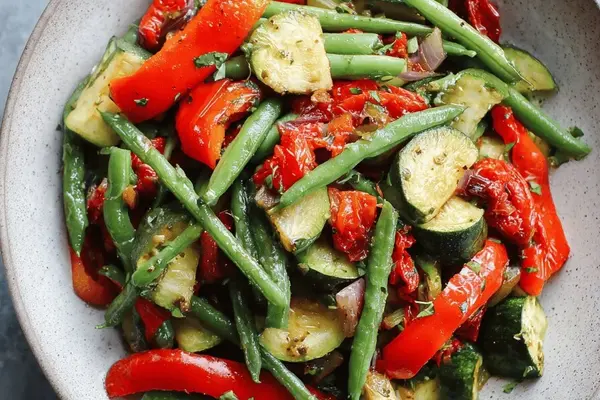
Seasoned Tomato Zucchini & Bell Pepper
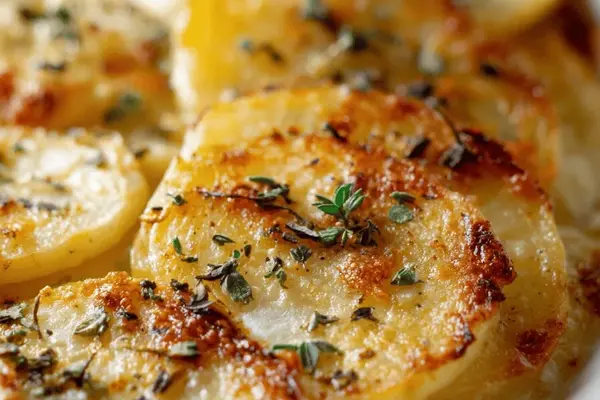
Potato Gratin with Rosemary and Piave Cheese
Beef Steak Marinade with Spice Rubs
Creamy Parmesan Peppercorn Dressing Recipe
Pumpkin Deviled Eggs with Fried Sage
Buttermilk Biscuits Recipe with Flaky Layers
Asian Salmon Recipes with Citrus-Soy Marinade
Pumpkin Pie Recipe with Pecan Crust
Eggnog Poke Cake Remix with Gingersnaps
Buttercream Lemon Pound Cake Recipe
Slow Cooker Garlic Dill Mash
Homemade Whipped Cream with Honey
Cherry Almond Cake with Pudding Filling
Brookies Recipe: Chocolate Chip Cookie Brownie
Barley Salad with Roasted Peppers and Feta
Turkey Meatballs Recipe with Spinach
Spiced Roasted Mixed Nuts Recipe
Pumpkin Muffins with Greek Yogurt
Vermicelli Noodle Salad with Spicy Tuna