Cranberry White Chocolate Cookies
By Emma
Certified Culinary Professional
·
Recipe tested & approved
Cold butter cubes go into the mixer. That’s the move that matters here. Most cookie recipes use softened butter—slack, ready to spread. This one deliberately fights that. Cold. Dense. The result sits thicker on the sheet, stays tender in the middle while edges go golden, and melts slower so you get actual structure before it all flattens out.
Why You’ll Love These Cranberry White Chocolate Cookies
Takes 31 minutes total. 15 to prep, 11 in the oven. Done before you even think about it.
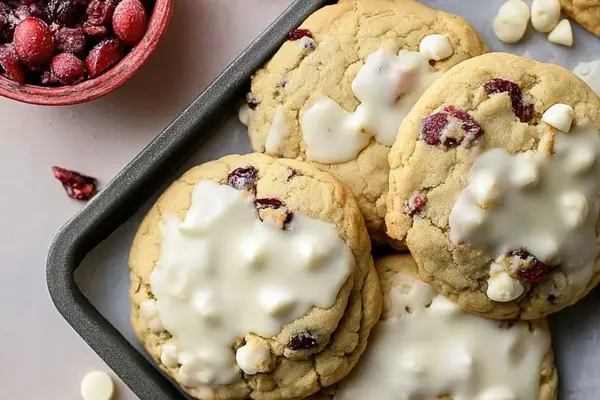
They’re chewy in the middle. Slightly crispy at the edges. The white chocolate doesn’t fully melt—it exists in your mouth as pockets of sweetness that surprise you.
Dried cranberries stay intact. That’s the thing. They don’t dissolve into the dough. They’re there. Tart. Present. Balances all that white chocolate.
The maple sugar does something. Makes it taste like fall even if it’s July.
Dipped in extra white chocolate at the end—looks finished. Professional. Like you spent hours. Didn’t.
What You Need for Cranberry White Chocolate Cookies
All-purpose flour and cake flour. Not just one. The cake flour keeps things tender. All-purpose gives you structure. Together they work.
Cornstarch. A tablespoon. That’s enough. Sounds random. Isn’t. Stops the cookies from spreading into thin wafers.
Baking soda and baking powder both. Not overkill. They do different things. Baking soda reacts with acid (cranberries have some). Baking powder handles the rise.
Cold butter cut into cubes. Don’t soften it first. Cold is the point.
Two sugars. White granulated and packed maple. The maple one is darker, richer. Adds depth.
One whole egg and one yolk. The yolk adds fat. Makes it more tender. The white adds structure. Both matter.
Vanilla extract. A teaspoon. Real vanilla, not imitation. Yeah, it costs more. Worth it.
Dried cranberries and white chocolate chips. A cup each. They’re the whole event here. Don’t cheap out.
Whole milk. Optional. Keep it nearby. If your dough looks crumbly and won’t come together, splash some in. Just a tiny bit.
Four ounces extra white chocolate for dipping at the end. Melting wafers or chips. Both work.
How to Make Cranberry White Chocolate Cookies
Heat the oven to 395 degrees. Watch it preheat. You’ll see the hot air shimmer inside when it’s actually ready. Don’t trust the beep. The shimmer is real.
Whisk the dry stuff together. All-purpose flour, cake flour, cornstarch, baking soda, baking powder, salt. Get it in one bowl. Mix until you don’t see lumps. The cornstarch can hide in flour corners—hunt for it.
In a stand mixer, combine the cold butter cubes with both sugars. Use the paddle. Let it run for 2 to 4 minutes. You want it pale. Slightly fluffy. Not fully creamed like you’d do with soft butter. This stays denser.
Crack in the whole egg, then the yolk, then vanilla. Mix until just combined. Don’t overbeat here. The dough gets tough if you do.
Add the dry mixture in two batches. Low speed. Fold it in more than whip it in. Stop before everything’s perfectly uniform.
If the dough looks crumbly and separate, add a splash of milk. Just a splash. Stir again. It should feel dense. Slightly dry to the touch. Not wet.
Fold the white chocolate chips and cranberries in by hand. Use a spatula. Work slowly so you don’t crush them. You want whole pieces scattered throughout, not pulverized.
How to Get Cranberry and White Chocolate Cookies With Perfect Texture
Divide dough into 6 large portions. Each one should be around 5 ounces. Press them lightly into rounds. Don’t compress them hard. Light pressure. They need room to cook through.
No parchment. No greasing. The butter in the dough is enough. Spread them on a bare baking sheet.
Into the oven for 11 minutes. Watch the edges—they should go golden. The centers stay soft. Touch the surface lightly. It should feel set but still give a little. Not hard.
Oven temps vary. Some run hot. Some don’t. So look more than you trust the timer. Golden edges. Faint crackle sound from inside means they’re almost done.
Pull them out. They’ll look slightly underbaked. That’s right. Leave them on the hot sheet for at least 15 minutes. They firm up while the inside stays tender. Move them too soon and they fall apart. Wait too long and the sheet cools and they stick.
Cranberry White Chocolate Cookie Tips and Common Mistakes
Cold butter is the whole thing. Don’t use softened. Don’t cream it forever. Short burst, just until pale. The cookies spread less and stay thick because of this.
The two-sugar situation matters. Maple sugar adds something white sugar alone can’t. If you skip it, the cookies taste flatter. Not bad. Just less interesting.
Don’t overmix after you add the eggs. Dense dough is what you want. If it looks like it’s going to come together for a while, it will. Stop before it does.
The milk is genuinely optional. Only use it if the dough won’t hold together. Most of the time it doesn’t need it.
Dipping in white chocolate—do it after they cool completely. Melting wafers work better than chips because they stay thinner and glossier. Microwave in 25-second bursts. Stir between each one. Gets smooth faster that way. Dip halfway. Shake off the excess.
Don’t refrigerate the dipped cookies. The cold makes the chocolate bloom and dulls the shine. Room temperature. Let them set on parchment until the chocolate hardens.
Store in an airtight container once the chocolate solidifies. They last 3 days fine. But they’re best the first day. After that the edges soften and you lose that contrast.
Cranberry White Chocolate Cookies
Prep:
15 min
Cook:
11 min
Total:
31 min
Servings:
6 servings
Ingredients
- 1 1/4 cups all-purpose flour
- 1/4 cup cake flour
- 1 tablespoon cornstarch
- 1/2 teaspoon baking soda
- 3/4 teaspoon baking powder
- 1/2 teaspoon salt
- 1 stick cold unsalted butter, cut into cubes
- 2/5 cup white granulated sugar
- 1/3 cup packed maple sugar
- 1 large egg
- 1 large egg yolk
- 1 teaspoon vanilla extract
- 1 cup dried cranberries
- 1 cup white chocolate chips
- Splash whole milk (optional)
- Additional 4 ounces white chocolate melting wafers or chips for dipping
Method
- 1 Preheat oven to 395°F. Watch the hot air ripple inside the oven when it reaches temp.
- 2 Whisk all dry ingredients together in a large bowl: all-purpose flour, cake flour, cornstarch, baking soda, baking powder, and salt. Make sure no lumps linger; cornstarch helps keep the cookies tender.
- 3 In a stand mixer with paddle attachment, cream cold butter cubes with sugars until pale, fluffy, and just slightly aerated, around 2-4 minutes. Cold butter slows spreading and maintains cookie thickness.
- 4 Add whole egg, yolk, vanilla. Let mixer blend until just combined. Too vigorous here toughens dough.
- 5 Slowly add dry mix in 2 parts, mixing low speed. Don’t overmix; dough should feel dense, slightly dry. If it looks crumbly, add a splash of milk to bring it together.
- 6 Fold in white chocolate chips and dried cranberries by hand. You want pockets of melted chip and chewy fruit in every bite.
- 7 Divide dough into 6 large portions (~5 oz each) for chunky cookies. Press lightly into rounds. No parchment or greasing needed on baking sheet; the butter enough.
- 8 Bake about 11 minutes. Edges golden, centers soft, just set on surface but still pliant to touch. Oven temps vary; eyeball edges browning, listen for faint crackle as sign of readiness.
- 9 Cool cookies on sheet at least 15 minutes. They firm up yet stay tender inside. Too soon and they crumble when moved.
- 10 Melt remaining white chocolate in microwave in 25-second bursts. Stir in-between until glossy and smooth. Dip each cookie halfway, shake off excess.
- 11 Set dipped cookies on parchment until chocolate solidifies. Avoid fridge—it dulls gloss and causes bloom.
- 12 Store in airtight container once chocolate sets. Keeps freshness for 3 days, but best eaten first day for texture contrast.
Nutritional information
Calories
320
Protein
3g
Carbs
42g
Fat
15g
Frequently Asked Questions About Cranberry White Chocolate Cookies
Can I use softened butter instead of cold? You can. Cookies will spread more and flatten out. The cold butter is why these stay thick. Defeats the point if you soften it first.
What if I don’t have cake flour? Use all all-purpose. Add another tablespoon of cornstarch. Won’t be quite as tender, but it works. Not a disaster.
Can I substitute the dried cranberries? Dried cherries work. So do raisins, but they’re sweeter—might need less white chocolate. Tart fruit balances the sweetness. That’s the idea.
How do I know when they’re actually done? Golden edges. Centers still soft. Touch the top lightly—feels set but gives a tiny bit. Don’t wait for them to look fully cooked. They’ll be hard by then. Underbaked-looking is right.
Can I make the dough ahead? Yes. Refrigerate it in an airtight container for up to 2 days. Bring it to room temperature before dividing into portions. Or bake straight from cold—might add a minute or two.
Why white chocolate instead of dark? Dark would be bitter against the cranberry. White’s sweet. Complements the tart. Also melts slower, so you get those pockets of chocolate instead of a fully integrated cookie.
You’ll Love These Too
Explore all →
Maple Glazed Sausage Fingers Recipe
Eggnog Poke Cake Remix with Gingersnaps

Kohlrabi Pear Salad with Figs & Manchego
Microwave Chocolate Mug Cake Recipe

Mini Quiches with Ham, Endive & Gruyère
White Chicken Chili Crockpot with Turkey
Crispy Potato Lace with Thyme & Rosemary
Pheasant Roast with Pears and Spices
Beef Gnocchi with Smoked Paprika
Strawberry Ricotta Cheesecake with Cake Mix
Black Rice Tofu Apple Salad with Curry
Coffee Cream Pudding with Cold Brew

Ham Egg Cheese Biscuit Wafflewiches
Cinnamon Sugar Mix with Brown Sugar
Red Cabbage Apple Salad with Fennel
Homemade Self-Rising Flour Blend Recipe
Beef and Broccoli Recipe with Flank Steak
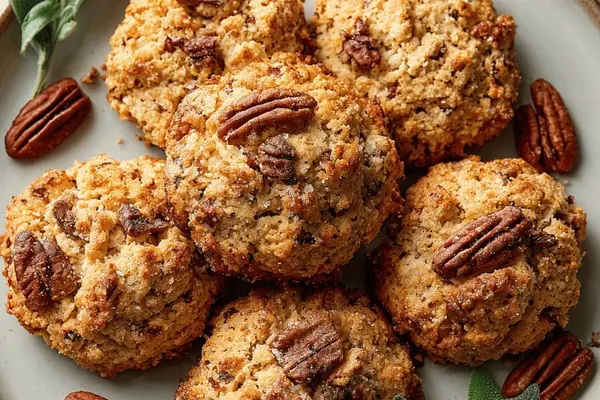
Pecan Butter Biscuits with Cardamom
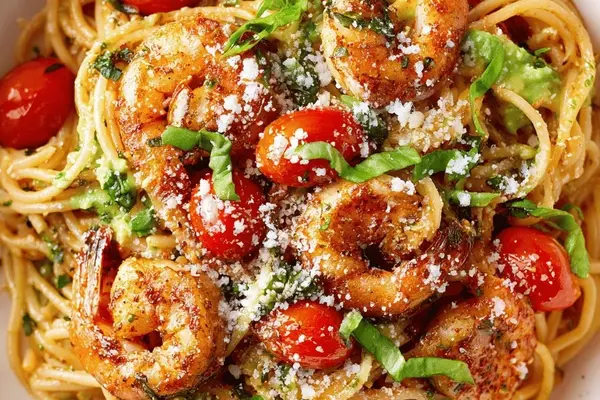
Shrimp Pasta with Cherry Tomatoes & Pine Nuts