Banana Pudding Recipe With Cool Whip
E
By Emma
Certified Culinary Professional
•
Recipe tested & approved
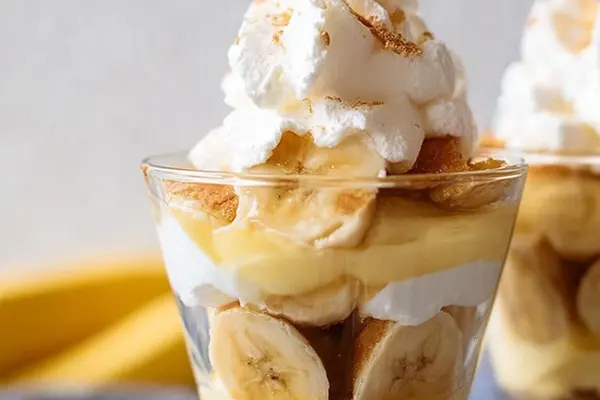
Creamy banana pudding layered with shortbread cookies, fresh bananas, and silky custard made from eggs and milk. Folded with butter and vanilla for rich flavor.
Prep:
12 min
Cook:
11 min
Total:
23 min
Servings:
8 servings
Separate the egg yolks — three of them. That whole last egg goes in the milk. Low heat. Sugar, cornstarch, salt mixed dry first because lumps are a problem you don’t want. Pour the egg-milk in slow, keep stirring, nothing but smooth from here on out.
Ten to eleven minutes. That’s the window. Stir the whole time. Scrape the bottom especially. The pudding thickens like it’s got a mind of its own — one minute it’s still mostly liquid, then suddenly it coats the spoon heavy and you have to pull it off immediately or it curdles. Butter and vanilla go in after heat is off. Stir until it melts completely. The pudding gets this shine to it.
Cool it in the fridge for an hour. That matters.
Then banana slices, shortbread crumbled, pudding spooned in layers. Same thing three times. Chill that too — at least an hour — because the cookies soften and everything kind of becomes one thing instead of separate pieces.
Cold. Whipped cream on top. Done.
Why You’ll Love This Banana Pudding Recipe
Takes 23 minutes total if you don’t mess around — 12 minutes of prep, 11 on the stove, then chilling is hands-off. Comfort food that actually tastes homemade because it is. No box mixes. No weird aftertaste. Vanilla pudding that’s silky, not gloppy. The cornstarch does that. Bananas stay soft but not brown — they soften into the pudding instead of turning weird. Shortbread gets tender from the pudding moisture but keeps a little crunch. That contrast. No bake assembly means you’re not standing over heat in the summer.
What You Need for Creamy Banana Pudding
Three egg yolks. One whole egg. The yolks go with the milk. Keep them separate at first. The difference matters.
Whole milk. Three cups. Not half and half. Not cream. Milk.
Sugar and cornstarch mixed together before anything wet touches them. That’s the only way to avoid lumps. Salt too — just a quarter teaspoon. It’s not nothing.
Butter and vanilla extract. Butter at the end after heat’s off. Vanilla too. This is where the pudding goes from “fine” to “actually good.”
Eight bananas. Slice them fresh. Not the night before. They brown and get mealy.
Shortbread cookies crushed up — about a cup and a third. Store-bought is fine. Homemade is better. The butter content matters because they soften into the pudding.
Whipped cream for topping. Cool Whip if that’s what you have. Fresh whipped is different but works too.
How to Make Banana Pudding With Cool Whip
Get three egg yolks separated. One whole egg that goes in the milk. Medium saucepan. Sugar, cornstarch, and salt — mix them dry. No wet ingredients yet. No lumps.
Take the whole egg you cracked into the milk and pour it in slow. Keep stirring the entire time. You’re looking for smooth. If you stop stirring or pour too fast, you get grit in the pudding and you can’t get it out.
Heat stays low. Medium-low, really. This is not a fast thing. Stir constantly. Scrape the bottom and the sides because the pudding sticks there first. Watch the color — it goes from white to pale yellow as it thickens.
The smell changes too. At first it’s just milk and sugar. Then vanilla and butter come through. That’s not yet. Keep going.
After about ten minutes, maybe eleven, the pudding coats the spoon thick. Like actual coating. Run your finger across the spoon and the trail stays. That’s when you stop. Remove it from heat immediately or it curdles and breaks and you start over. Don’t ask how I know.
Stir in the butter — three tablespoons — and the vanilla. Just stir until it disappears. The pudding gets glossy.
Optional: push it through a fine mesh sieve if it feels grainy. Honestly, if it’s smooth already, skip it. It doesn’t need it.
How to Get Banana Pudding Heavy Cream Smooth and Silky
Transfer the pudding to a clean bowl. Not the saucepan. Clean bowl. Press plastic wrap right on top of the pudding surface so no skin forms. That skin will ruin the texture.
Refrigerate for an hour. Could be longer. The pudding sets as it cools and gets thicker, but not like jello — thicker like pudding actually is. You can assemble it straight after an hour or wait until tomorrow. Makes no difference.
Bananas go in last — right before you layer. Slice them fresh. If you slice them too early they brown and the pudding around them goes brown too. It still tastes the same but looks wrong.
Assemble in cups or one big dish. Pudding first — couple spoonfuls. Then shortbread crumbled. Then banana slices. Then repeat. Do it three times if the cups are deep. Two if they’re shallow. The idea is layers you can see.
Chill the assembled cups at least an hour. The shortbread softens from the pudding moisture. The bananas get softer. Everything tastes better cold and has had time to sit together. That hour matters more than people think.
Top with whipped cream right before serving. Dollop. Extra cookie crumbles if you want. Extra banana slice. It doesn’t have to be pretty.
Banana Pudding Tips and Common Mistakes
Don’t add all the milk at once. Add it slow and keep stirring or the pudding gets lumpy and then you have to push it through a sieve which is annoying. Slow stirring is what prevents that.
Low heat the whole time. High heat curdles the eggs and the pudding breaks. You can’t fix it. Start over.
If it does curdle — if it looks grainy or separated — you have to start fresh. There’s no saving it. Just move on.
Fresh bananas only. Bananas that were cut yesterday get mealy and brown. The pudding makes it worse.
The plastic wrap on the surface actually matters. A skin forms in maybe fifteen minutes without it and that ruins the whole thing.
Chill both things. The pudding before assembly. The assembled cups after. This isn’t optional. Room temperature pudding is gloppy. Cold pudding is silky.
The vanilla extract is optional in theory. In practice, leave it out and the pudding tastes flat. Don’t do that.
Cool Whip works. Fresh whipped cream is better. Either one is fine. Just use one or the other, not both.
Banana Pudding Recipe With Cool Whip
Prep:
12 min
Cook:
11 min
Total:
23 min
Servings:
8 servings
Ingredients
- 4 eggs
- 3 cups whole milk
- 3/4 cup granulated sugar
- 1/4 cup cornstarch
- 1/4 tsp salt
- 3 tbsp unsalted butter
- 1 1/2 tsp vanilla extract
- 8 bananas, sliced
- 1 1/3 cups shortbread cookies, crumbled
- whipped cream for topping
Method
- 1 Separate yolks from 3 eggs. Save whites for another use or discard. In a medium bowl, whisk whole last egg with milk; set aside.
- 2 In a saucepan over low heat, combine sugar, cornstarch, and salt. Stir dry mix well to prevent lumps.
- 3 Slowly pour in the egg and milk mixture, stirring constantly to blend smooth before heating.
- 4 Keep heat low. Stir continuously, scraping bottom and sides. Watch for pudding to thicken but do not let it bubble or boil or risk curdling.
- 5 After about 10-11 minutes, pudding thickens enough to coat a spoon thickly. Remove from heat immediately.
- 6 Stir in butter and vanilla until butter melts fully and blends into pudding. This adds richness and shine.
- 7 Optional: Press pudding through a fine mesh sieve if your mixture feels lumpy — but if smooth, skip this. Texture only.
- 8 Transfer pudding to a clean bowl. Cover surface with plastic wrap to prevent skin and refrigerate for about an hour or until chilled and set.
- 9 Assemble cups: spoon some pudding into 8 cups, sprinkle crumbled shortbread, then banana slices. Repeat layering 2 more times or until cups fill.
- 10 Chill assembled cups at least an hour to soften cookies and meld flavors.
- 11 Serve cold with a dollop of whipped cream and extra cookie crumbs or banana slices.
- 12 Listen for that gentle bubbling stop, smell the vanilla and butter mixing, feel the silky pudding thickening — all signs you’re nearly done.
Nutritional information
Calories
310
Protein
6g
Carbs
44g
Fat
12g
Frequently Asked Questions About Banana Pudding With Cool Whip And Sour Cream
Can I use sour cream instead of Cool Whip? People ask this a lot. Sure. Sour cream works. It’s tangier. Changes the whole flavor. Not bad, just different. Fold it in or dollop it on top — doesn’t matter. Cool Whip is sweeter so if you want that sweetness, stick with Cool Whip.
How long can banana pudding sit in the fridge? Three days. Maybe four. The cookies get soft and the bananas get softer. The pudding itself is fine. After day three the whole thing gets kind of mushy and the bananas taste brown even if they don’t look brown. Eat it sooner than that.
Can I make this the day before? Don’t assemble it the night before. Make the pudding, chill it, keep it covered. Slice bananas fresh the next day. Assemble an hour before serving. If you assemble it the night before, the cookies disappear into the pudding and the bananas oxidize and turn gray.
What if the pudding doesn’t thicken? It will. Heat needs to stay low and you need to actually stir constantly. If it’s still thin after twelve minutes, crank the heat slightly — medium, not high — and keep going. It’ll suddenly thicken. If it still doesn’t after fifteen minutes, you either have too much liquid or not enough cornstarch. For next time, use more cornstarch or less milk. This time, chill it. Sometimes cold fixes what heat doesn’t.
Can I skip the chilling time before assembly? You can. Warm pudding works. It’s wetter. The cookies dissolve into it faster. Cold pudding holds its shape better and you get distinct layers. Cold is better.
What’s a good substitution for shortbread cookies? Vanilla wafers. Nilla wafers. Crushed graham crackers. Crushed butter cookies. Anything buttery and mild. Avoid chocolate. Chocolate fights with the vanilla pudding and bananas. Avoid anything too hard like biscotti — it stays hard even when wet. You want something that softens.
You’ll Love These Too
Explore all →
Herbed Butter Board with Figs & Pistachios
No-Bake Pumpkin Brownies with Chocolate
Pineapple Fried Rice with Crispy Bacon
Honey Mustard Dressing Recipe
Sheet Pan Citrus Chicken with Potatoes
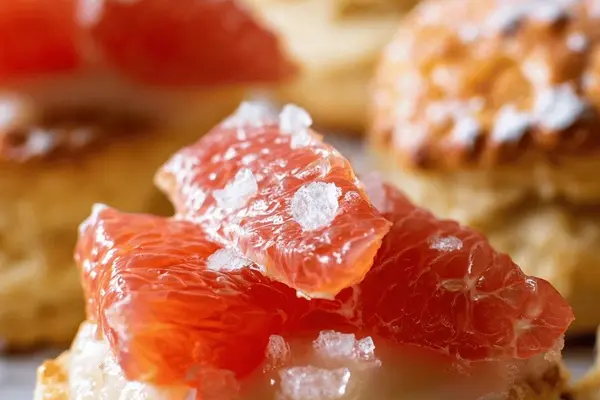
Grapefruit White Chocolate Scones
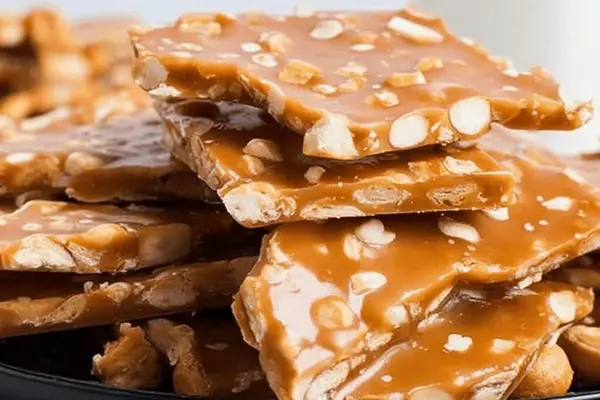
Cashew Brittle Recipe with Baking Soda
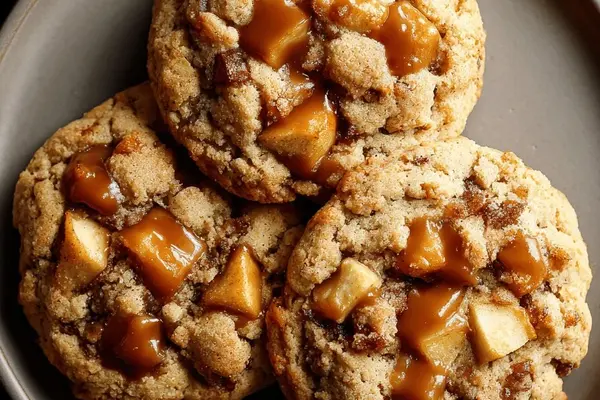
Apple Caramel Cookies with Brown Butter
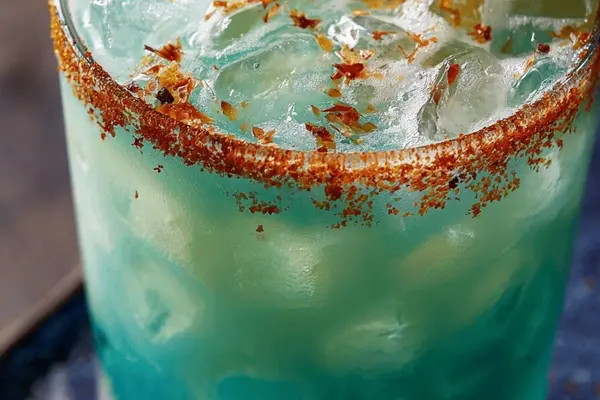
Piña Colada Recipe with Rum and Coconut Cream

No Bake Horse Cookies with Milano & Nilla Wafers

Crunchy Blue Cheese Olives
Crispy Tofu Rice Bowls with Snow Peas
Coconut Cream Pie Bites with Almond Bark
Recipes With Mince Lamb: South African Bake
Stuffed Peppers with Ground Turkey
Roasted Chicken With Couscous and Harissa
Ground Turkey Breakfast Burritos
Coconut Snowballs with Almond Bark
Autumn Fruit Salad with Apples, Grapes & Honey