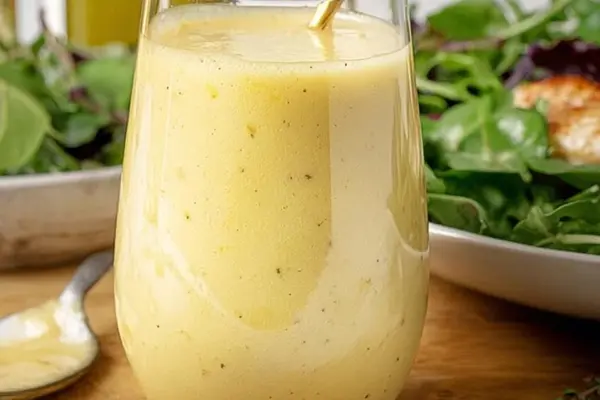
Butter Sauce with White Wine and Lime
By Emma
Certified Culinary Professional
·
Recipe tested & approved
Tiny bubbles around the edges, wine going sharp and syrupy. That’s when you know it’s working. This homemade butter sauce takes 30 minutes total—8 to prep, 22 to make—and it’s the kind of thing that feels fancy but isn’t pretending. Just acid, fat, and time. Cold butter whisked into a reduction until it’s glossy and thick. Lime juice instead of lemon. Shallot that softens into the background instead of staying loud. Works on fish, chicken, vegetables, whatever needs brightness and richness at the same time.
Why You’ll Love This French-Style Butter Sauce
Takes 30 minutes. That’s it. Not a full cooking project.
Easy enough for weeknights, impressive enough for the table to notice. Actually homemade, so you know exactly what’s in it—no weird additives, just ingredients you recognize.
White wine and lime juice do all the heavy lifting flavor-wise. Shallot melts in. Cream smooths it out. Then butter makes it velvety without being heavy.
Lasts maybe 10 minutes once it’s done, so you work backward from when you want to eat. Annoying in a way, but also makes you feel present while cooking.
What You Need for a Creamy Sauce With White Wine
Dry white wine. Two tablespoons of white wine vinegar works if you don’t have it, but the sauce gets sharper. Just different, not worse.
Fresh lime juice. Not bottled. Bottled tastes like chemicals after it sits in a bottle for months. One and a half tablespoons.
One small shallot chopped fine. Red or regular. Doesn’t matter much. You want pieces small enough to disappear almost.
Fine sea salt and ground white pepper. White pepper instead of black because it dissolves better, stays invisible in a cream sauce. Probably doesn’t matter, but French techniques exist for reasons.
Heavy cream. A quarter cup. It’s what keeps the butter from breaking. Temperature control is everything with cream.
Two cups unsalted butter. Cold. Cut into cubes before you start. Room temperature butter won’t emulsify right.
How to Make a Homemade Butter Wine Sauce
Pour the wine and lime juice into a medium saucepan. Add the shallot. Medium-low heat. You’re looking for tiny bubbles around the edges—not a rolling boil, not simmering hard. Gentle. It takes about 12 minutes for the liquid to reduce by half. You’ll notice it getting slightly syrupy and sharply aromatic. The shallot softens but doesn’t disappear. Doesn’t brown. Just softens.
This is the reduction. It’s the base for everything that comes after.
Salt and pepper go in now. Whisk in the heavy cream. You’re not trying to make it bubble. Just incorporate it. Cream curdles if the pan’s too hot, which ruins everything.
How to Get a Velvety Butter Sauce With Cream
Lower the heat. Almost no steam. You want the temperature controlled, not guessed at.
Butter goes in now. Cold cubes. A few at a time. Whisk after each addition until melted, then keep whisking. The sauce gets glossy. Gets thick. Stays pourable. That’s the emulsion—acid and cream and fat all holding together because you’re whisking and the temperature’s right.
Watch the whisk. If you see oil slicking away from the rest of it, or grainy bits forming, the sauce is separating. Pull the pan off heat. Whisk hard. Usually comes back together. Sometimes you need to add a teaspoon of cold water or cream off heat to reset the whole thing. Don’t panic. It happens.
When all the butter’s in and the sauce is velvety, pour it through a fine sieve into a warm bowl. Press gently. You’re catching the shallot bits but not forcing them through. The sauce goes in clean.
Serve right now. It gets duller if you hold it or reheat it.
White Wine Butter Sauce Tips and Mistakes
Cold butter matters. Cut it cold, not room temperature. Better control that way.
Don’t rush adding the butter. Too fast and the emulsion breaks. Too slow and you’re whisking forever. Medium pace. Steady pace. Keep the whisk moving.
Temperature spikes wreck everything. No sudden heat. No sudden cooling. Consistency matters more than speed.
Swapping lemon for lime is fine. Changes the flavor a bit—maybe slightly less bright. Still works.
If you have leftover sauce somehow—unlikely because it’s best fresh—you can rewarm it gently over low heat while whisking. Brings back some smoothness. Not perfect, but better than throwing it out.
Run out of butter? Increase the cream slightly. Keeps the richness.
The reduction smells sharp and aromatic when it’s right. No burnt notes. You can smell it before it looks right. Trust your nose on this.
Shallot should be finely diced. Big chunks overpower the sauce. Small pieces meld in quietly.
Butter Sauce with White Wine and Lime
Prep:
8 min
Cook:
22 min
Total:
30 min
Servings:
2 servings
Ingredients
- 1/3 cup dry white wine or 2 tablespoons white wine vinegar
- 1 1/2 tablespoons fresh lime juice
- 1 small shallot finely chopped
- 1/3 teaspoon fine sea salt
- 1/4 teaspoon ground white pepper
- 1/4 cup heavy cream
- 2 cups unsalted butter cut into small cubes
Method
- 1 Put wine and lime juice in a medium saucepan with shallot. Bring to a gentle simmer over medium-low heat. Watch for tiny bubbles around edges, not rolling boil. Let it reduce by about half until slightly syrupy and sharply aromatic, roughly 12 minutes. The shallot should soften, infusing aroma but not cook away completely.
- 2 Add salt and pepper directly to the reduction. Whisk in the cream until incorporated but the sauce barely bubbles. This temp step is critical; too hot, cream curdles, too cold, butter won't emulsify properly.
- 3 Lower heat to very low, almost no steam. Gradually add cold butter cubes bit by bit, whisking continuously after each addition until melted and sauce is thick but still pourable. The sauce will get glossy, thickening as butter emulsifies with the acidic cream reduction.
- 4 If sauce threatens to separate (oil slicks or grainy bits show), lift pan briefly from heat and whisk vigorously to bring back together. Avoid overheating or sudden temperature spikes. Keep whisk moving—no lazy stirring.
- 5 When all butter is absorbed and sauce is velvety, strain through fine sieve into warm bowl or serving vessel. Press gently to catch shallot bits but avoid forcing solids through. Serve immediately. Sauce loses silkiness if held or reheated.
- 6 If you run out of butter, cream can be slightly increased to maintain richness. Use white wine vinegar only if dry white wine unavailable; slightly less needed to avoid over-acidity.
- 7 In case sauce splits beyond repair, a quick fix is whisking in a teaspoon of cold water or cream off heat to reset the emulsion. If too cool, gently reheat using warm water bath while whisking steady.
- 8 I learned early on that butter temp matters—I cut cubes cold, not room temp, for better control. No rushing; adding butter too fast wrecks emulsion. Also swapping lemon for lime zings flavor up, balancing creamy fat with sharp citrus. Shallot diced fine so it doesn’t overpower but melds quietly.
- 9 The overall process calls for patience and close attention to how sauce looks and feels on whisk. Not just a timer game. Can smell when reduction hits right point—aromatic, sharp, but no burnt notes.
- 10 This sauce pairs wonderfully with fish, chicken, or veggies needing creamy brightness. Always best fresh, but leftovers rewhisked slowly over low heat bring back some smoothness.
Nutritional information
Calories
400
Protein
1g
Carbs
2g
Fat
44g
Frequently Asked Questions About White Wine Butter Sauce
Can I use salted butter instead of unsalted? It’ll work, but you’re adding salt you can’t control. Start with less salt then. Or just use unsalted. Easier.
What if the sauce breaks while I’m making it? Off heat. Add cold water or cream. Whisk hard. Usually comes back. If it doesn’t, strain it and start the emulsion over with fresh cream—but that defeats the purpose. Just watch the heat and whisk constantly. Doesn’t break that way.
How long does this keep? Best fresh. Right after you make it. If you somehow have leftovers, maybe a day in the fridge in a sealed container. Rewarm gently over low heat with a whisk. It won’t be as silky but it’s still a sauce.
Can I make this ahead? Not really. Make it when you’re 10 minutes from eating. It takes 30 minutes total. Planning around that is part of it.
Why lime juice and not lemon? Lemon works. Lime’s sharper. More interesting with cream. Flip it if you prefer lemon. Same technique.
Do I really need a fine sieve for straining? Removes the shallot pieces and smooths out any grainy bits. If you don’t have one, a regular strainer works. Shallot bits might stick around. Not the end of the world.
You’ll Love These Too
Explore all →
Cosmopolitan Drink Recipe with Cranberry
Maple Glazed Oatmeal Cookies with Cinnamon
Fermented Kimchi with Napa Cabbage
Cucumber Appetizers with Cream Cheese
Meringue Ice Cream Bowls with Vanilla
Chick Pea Salad with Greek Yogurt Dill
Peanut Butter Bars with Almond Butter

Blue Lagoon Cocktail Recipe
Herbed Lamb Meatballs with Buttered Orzo
Chipotle Mayo Recipe with Lime & Cilantro
Oven Roasted Cauliflower Rice with Cheddar

Lemongrass Gin Cocktail with Yuzu Juice
Sausage and Flageolet Bean Stew
Korean Pork Rice Bowls with Gochujang
Beef Pasta with Beets and Gorgonzola
Pork Rib Roast with Mushroom Sauce
Vegan Ice Cream with Coconut Cream
Apple Pecan Sheet Cake with Caramel Sauce

Lobster Croque-Monsieur with Béchamel Sauce