Creamy Mac and Cheese with Cheddar
E
By Emma
Certified Culinary Professional
•
Recipe tested & approved
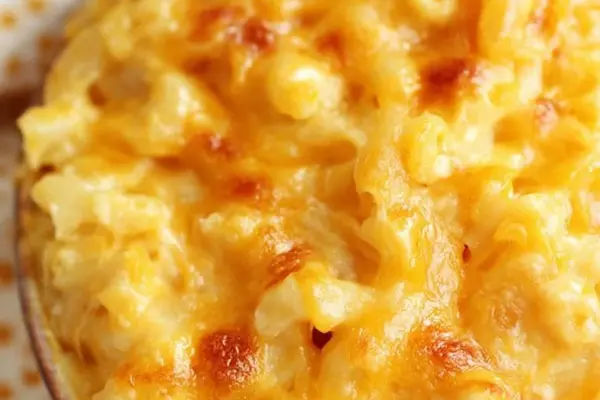
Creamy mac and cheese made with sharp cheddar, heavy cream, and feta cheese. Baked until golden with a bubbling crust. Rich, indulgent comfort food.
Prep:
25 min
Cook:
25 min
Total:
50 min
Servings:
10 servings
Pasta’s still sizzling. Cream’s warming. Three kinds of cheese going in. This is the kind of mac and cheese that doesn’t mess around—four ingredients, 50 minutes total, and it comes out the way you actually want it.
Why You’ll Love This Creamy Baked Mac and Cheese
Takes 50 minutes start to finish. Mostly waiting, not work. Works as a weeknight dinner, a side that crowds actually eat, comfort food for when nothing else sounds right. Feta does something weird here—it doesn’t announce itself but makes everything taste like it sat overnight and got better. Cleanup isn’t nothing, but it’s one pot plus a baking dish. Not bad. Four ingredients. That’s it. No breadcrumbs, no fancy additions, no tricks that require special equipment.
What You Need for Vegetarian Mac and Cheese with Cream
A pound of elbow macaroni. Not shells, not penne. Elbows hold sauce in their actual curves. Sharp cheddar—12 ounces shredded. Coarse. You’re dividing it into thirds and that’s easier if you just grab handfuls than measure it out perfectly. Feta cheese, six ounces. Crumbled. The tangy part. It grounds the cheddar so the whole thing doesn’t taste like a Sysco delivery. Heavy cream, a cup and a half. That’s it for liquid. Nothing else. Salt. Pepper. Nonstick spray thick on your baking dish—skipping this means the whole thing sticks and ruins.
How to Make Creamy Baked Macaroni and Cheese
Oven goes to 345. Not 375, not 350. 345. Spray your 9x13 baking pan like you mean it. Both sides, corners, bottom. You’ll see why when it comes out clean.
Shred your cheddar coarse and divide it into thirds. Just eyeball it. Grab a third, put it on a plate. Do it twice more. Doesn’t have to be exact.
Boil salted water hard—like actually hard, rolling boil. Dump the pasta in according to the box instructions but pull it two to three minutes early. It should still have a bite. Drain it well but don’t rinse. You want that starchy coating.
While pasta’s going, pour heavy cream into your biggest pot. Medium-low heat. Watch for steam rising—not a boil, just steam. Once you see it rising, lower the heat. This part’s easy to miss if you’re not looking.
How to Get the Texture Right with Feta and Cream
Crumbled feta goes in now. Whisk like you mean it. The curds melt slowly and if you rush it or the heat spikes, it seizes into little hard bits. Keep whisking. It’ll get creamy but still a bit textured—that’s right.
Salt it now. Feta’s salty already but the cream needs balancing. Taste it. Weird to taste sauce at this point but do it anyway.
Add one-third of your shredded cheddar gradually, whisking until it melts into something bubbly and slightly grainy. Takes maybe three minutes. Turn heat to low. Stir in a third teaspoon of pepper. Not a full teaspoon. A third.
Toss the drained pasta in. Mix thoroughly. Every piece should have sauce clinging to it. This is where you see if it’s actually creamy or if something went wrong. Usually it’s creamy.
Sprinkle the next third of cheddar over top. Fold gently. Don’t stir it in. You want melty pockets later, not a completely uniform sauce. Transfer the whole thing to your greased baking dish, spread it even.
Last third of cheddar gets sprinkled evenly over the surface. Make it an actual even layer. This is what gets crispy and golden.
Four Ingredient Mac and Cheese Baking and Finishing
Bake 18 to 22 minutes. Edges should bubble fiercely. Cheese starts melting into gooey patches. The sauce thickens as it heats.
Switch to low broil. Watch it. Two to four minutes max. Don’t walk away. When the cheese bubbles and crisps to golden brown spots, it’s done. Looks kind of violent in there but that’s right.
Pull it out. Let it sit uncovered for ten minutes. The sauce thickens more. Any stray oil recedes back into the cheese as it cools. You don’t need to blot anything.
That’s it. Comes out every time.
Creamy Mac and Cheese with Cheddar
Prep:
25 min
Cook:
25 min
Total:
50 min
Servings:
10 servings
Ingredients
- 1 lb elbow macaroni
- 12 oz sharp cheddar cheese, shredded and divided
- 1 1/2 cups heavy cream
- 6 oz feta cheese, crumbled
- Salt and freshly ground black pepper
- Nonstick cooking spray
Method
- 1 Heat oven to 345°F. Spray a 9x13 baking pan thickly with nonstick spray. No skipping this--sticking ruins the whole bake.
- 2 Grab your biggest grater; shred cheddar coarsely, divide roughly into three equal piles. Less fiddly than meticulously measuring.
- 3 Boil salted water hard. Dump in pasta according to the box but cut 2-3 minutes before fully al dente—firm but forgiving. Hot, salty starchy water smells like success.
- 4 Meanwhile, set heavy cream in a separate large pot over medium-low heat. Watch closely to catch the steam rising, not boiling. Lower heat once steaming.
- 5 Add crumbled feta now, whisk like your life depends on it. The tangy curds melt slowly, don’t rush it or it’ll seize. Blend until creamy-ish but a bit textured. Add salt; feta is salty but needs balancing.
- 6 Toss in one-third of shredded cheddar gradually, whisking until it melts into a bubbly, slightly grainy sauce. Turn heat to low, stir in 1/3 teaspoon pepper.
- 7 Pasta should be drained well but not rinsed—need that starch clinging to sauce. Toss pasta into the cheese base. Mix thoroughly; sauce coats every nook.
- 8 Sprinkle next third shredded cheddar over pasta; fold gently but don’t melt. This creates melty pockets later. Transfer mixture into your greased baking dish, spread evenly.
- 9 Top off with the last third of cheddar evenly over the surface. Make sure it’s an even layer to get that golden, crispy top.
- 10 Bake for about 18-22 minutes. Look for edges bubbling fiercely and cheese melting into gooey lakes. Edges should inch towards crisp.
- 11 Kick oven to broil low. Watch like a hawk, 2-4 minutes max. When cheese bubbles and crisps to golden brown spots, done. Don’t walk away.
- 12 Pull from oven and let rest uncovered for 10 minutes. Sauce thickens—the trick for perfect texture. Any stray oil will recess into the cheese as it cools, no need to blot.
Nutritional information
Calories
650
Protein
28g
Carbs
52g
Fat
38g
Frequently Asked Questions About Creamy Four-Ingredient Mac and Cheese
Can you make this vegetarian mac and cheese ahead of time? Assemble it in the baking dish, cover it, put it in the fridge. Bake it straight from cold. Add maybe five minutes to the bake time. The feta actually makes it better the next day.
Why feta instead of a different cheese? Sharp cheddar alone tastes flat. Feta doesn’t taste like feta here—it just makes the whole thing taste intentional. Don’t skip it. Haven’t tried substituting something else. Doesn’t matter.
What if your baked mac and cheese doesn’t get crispy on top? Your broil probably ran longer than mine. Two minutes next time, not four. Watch the actual cheese, not the clock.
Can you use block cheddar instead of shredded? Yeah, shred it coarse. Doesn’t matter. Takes three extra minutes. Pre-shredded has anti-caking powder but it’s fine.
Does this work with a different pasta shape? Elbows work best because the sauce gets inside them. Shells hold it too. Penne’s weird because it’s longer and the cream pools instead of coating. Stick with elbows.
How long does this keep? Three days in the fridge, covered. Reheats fine at 350 for like twelve minutes if you cover it. Add a splash of cream if it tightened up. Cold it’s actually good too. Not the same but good.
You’ll Love These Too
Explore all →
Peanut Butter Pretzel Chocolate Cookies
Oatmeal Chocolate Chip Cookies Recipe
Menchie Frozen Yogurt Popsicles Recipe

Easy Amaretto Chocolate Truffles with Coconut
Lemon Souffle Pancakes with Blueberry Syrup
Pineapple Dessert with Pomegranate Juice

Cookies With Lemon Glaze: Vegan Royal Icing
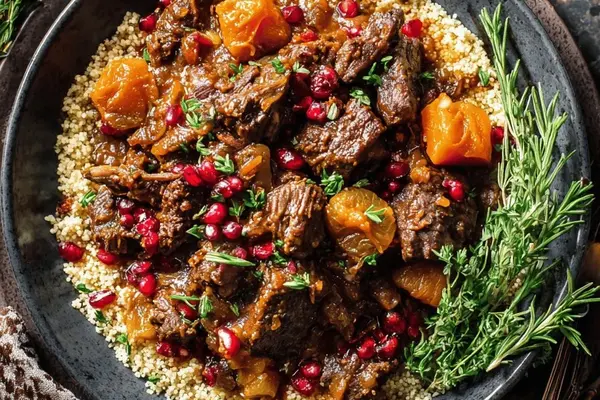
Lamb Tagine with Spiced Tea and Dried Fruits
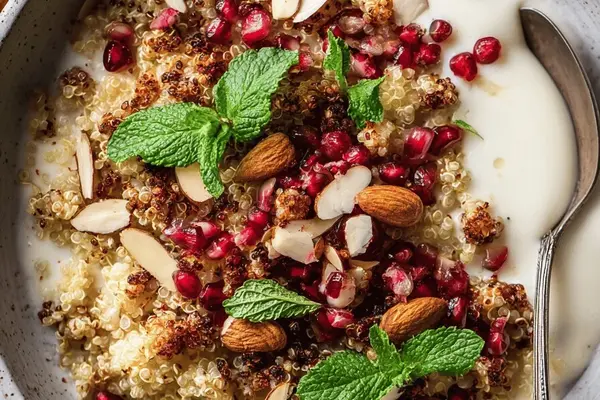
Honey Puffed Quinoa Vanilla Yogurt Bowl
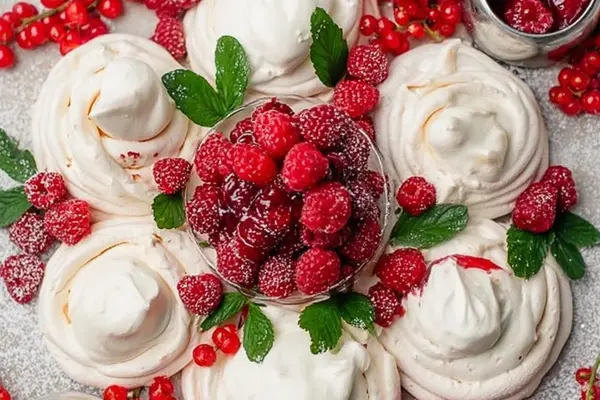
Cranberry Meringue Wreath with Orange Spice
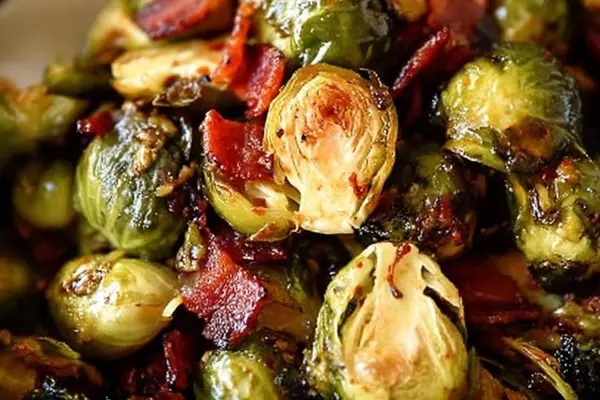
Roasted Brussels Sprouts with Bacon Dressing
Gazpacho Recipe with Yellow Peppers & Cucumber
Lemon Apricot Nectar Cake with Glaze
Slow Cooker Meatloaf with Panko and Worcestershire
Cantaloupe Feta Salad with Blueberries
Butternut Squash Pasta with Sage Cream
Beef Stew Slow Cooker with Rotel & Cheese

Chocolate Snowman Truffles with Nutter Butter
Porcupine Meat Balls with Quinoa