
Creamy Garlic Alfredo Penne
By Emma
Certified Culinary Professional
·
Recipe tested & approved
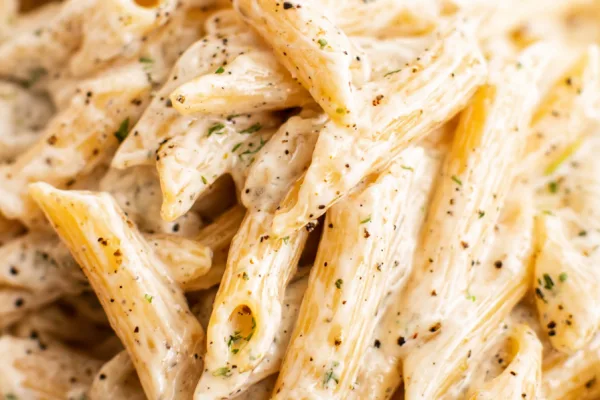
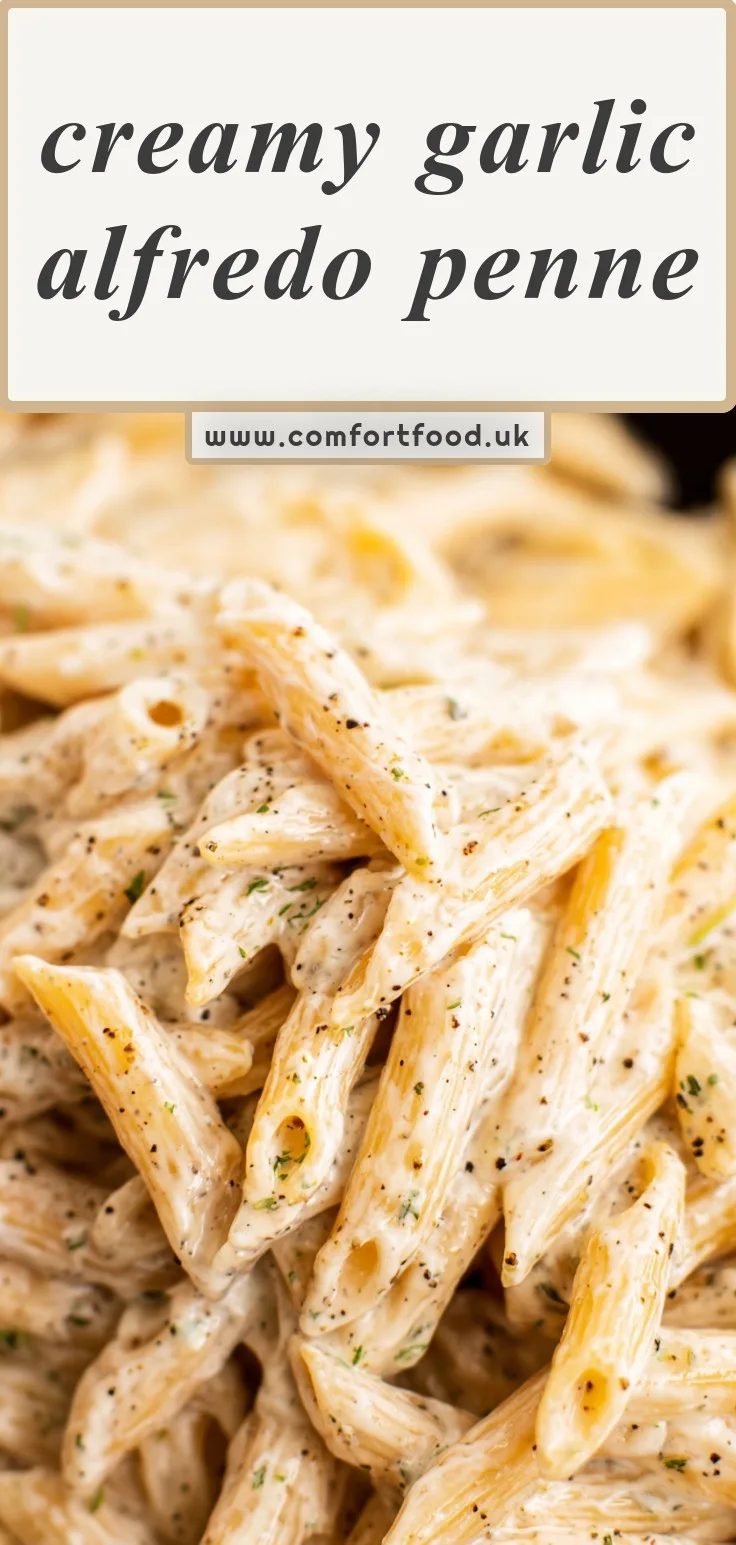
Creamy Garlic Alfredo Penne cooks tender pasta tossed in a garlic, cream cheese, and parmesan sauce enriched with chicken broth and herbs. Ready in 20 minutes, it serves 8 with rich, buttery flavors and a velvety texture.
Prep:
5 min
Cook:
15 min
Total:
20 min
Servings:
8 servings
I made Creamy Garlic Alfredo Penne last Tuesday and honestly it’s heavier than I thought but in a way that makes you want to keep eating. The cream cheese does something different than just straight heavy cream. You get this tanginess that keeps it from feeling like you’re eating straight butter.
Why You’ll Love This Recipe
- Ready in 20 minutes, which matters when you get home at 7
- Cream cheese Alfredo is thicker and clings to the penne better than traditional recipes
- The bouillon cube trick makes the chicken broth taste like you simmered it for hours
- 8 servings means you’re set for lunches or you’re feeding a crowd
- Garlic powder and fresh garlic together because one alone isn’t enough
- The flour slurry step actually works and you can see it thicken in real time
The Story Behind This Recipe
I kept making watery Alfredo pasta that would separate by the time I sat down to eat. Tried the classic heavy cream and Parmesan thing but it pooled at the bottom of the bowl. Someone mentioned cream cheese once and I didn’t believe them but then I had 4 ounces sitting in the fridge from something else.
Mixed it with the butter and garlic first, which seemed weird, but it melted into this base that held everything together later. The flour slurry felt like cheating but I don’t care anymore because it works. Now the garlic pasta sauce actually coats each piece instead of sliding off.
What You Need
You need one box of penne pasta, whatever amount the package says. Don’t substitute another shape because ridged penne catches the sauce in those grooves and short tubes hold more in each bite than spaghetti ever will.
Half a teaspoon of salt goes in the pasta water, then you’ll need another half teaspoon later for the sauce itself. A bouillon cube dissolved in one cup of water gives you that concentrated chicken flavor without opening a carton that’ll sit in your fridge for a week. One stick of butter, the whole thing, because this isn’t a light recipe and cutting it down makes everything taste thin.
Four ounces of cream cheese, cut into chunks so it melts faster when you whisk it. Two cloves of fresh garlic, minced, because the jar stuff tastes like nothing here. Then half a teaspoon each of garlic powder, dried parsley flakes and Italian seasoning because the powder adds a different garlic layer than fresh does.
Quarter teaspoon black pepper, one cup chicken broth, one cup heavy whipping cream. One cup of freshly grated Parmesan, not the shelf-stable kind, because it melts smoother and doesn’t clump. One tablespoon of all-purpose flour mixed with five tablespoons of the sauce you’re already making, which is the slurry that makes this Alfredo pasta thick enough to stay on the noodles instead of pooling at the bottom.
How to Make Creamy Garlic Alfredo Penne
Bring a big pot of water to a boil and add half a teaspoon of salt. Dump the penne in and cook it for about 14 minutes, following whatever the box says. You want it tender but still with some bite when you press it between your fingers. Drain it completely, then put it back in the pot off the heat and leave it there while you make the sauce.
Take a small microwave-safe bowl and pour one cup of water in. Drop the bouillon cube in and microwave it on high for 2 minutes. The bowl’s going to be really hot when it comes out so use a towel or something. The cube should be dissolved and the broth smells way more concentrated than regular chicken broth from a carton. Set it aside.
Grab a large saucepan and put it over low-medium heat. Melt the whole stick of butter in there first, then add the cream cheese chunks, minced garlic, garlic powder, parsley flakes, Italian seasoning, salt and pepper all at once. Start whisking and breaking down the cream cheese as it gets softer. It’ll turn into this thick garlicky paste that smells stronger than you’d expect, almost sharp.
Pour in the chicken broth, heavy whipping cream, and Parmesan cheese. Whisk everything together until it’s one color, then turn the heat up to medium. Watch the edges because they’ll start bubbling first and that’s when you know it’s hitting a low boil. Don’t walk away now.
Scoop out five tablespoons of the warm sauce into a small bowl. Add the tablespoon of flour and stir it until there’s no white streaks or lumps left. Pour that slurry back into the saucepan and whisk it in fast so it doesn’t clump. The sauce will start to thicken almost immediately and you’ll feel the whisk dragging a little more.
Let it simmer for 5 minutes, stirring it every 30 seconds or so. The garlic pasta sauce gets glossy and coats the back of a spoon without dripping off right away. If you tilt the pan slightly, the sauce moves slower than it did before. That’s the texture you want. When you stir, you’ll notice the bottom of the pan stays visible for a second before the sauce flows back over it, which doesn’t happen with thin sauces.
Pour the finished sauce over the penne in that big pot. Stir it all together until every piece is coated. The cream cheese Alfredo should cling to each noodle instead of settling at the bottom. Serve it right away while it’s hot because it thickens more as it cools and gets gluey if you wait too long.
What I Did Wrong the First Time
I added the flour directly into the sauce without making the slurry first and it turned into these tiny dough balls floating around. Had to fish them out with a spoon, which was annoying and I missed some. They didn’t dissolve no matter how much I whisked.
Mixing the flour with some of the warm sauce first makes it liquid enough to incorporate smoothly. Now I always pull out those five tablespoons before I add anything else because once you’ve got flour lumps in there, you can’t fix it. You just have to live with the texture or start over.
Creamy Garlic Alfredo Penne
Prep:
5 min
Cook:
15 min
Total:
20 min
Servings:
8 servings
Ingredients
- 1 box penne pasta (amount per package)
- ½ teaspoon salt (for pasta water)
- 1 cup water
- 1 bouillon cube
- 1 stick butter
- 4 ounces cream cheese, cut into chunks
- 2 cloves garlic, minced
- ½ teaspoon garlic powder
- ½ teaspoon dried parsley flakes
- ½ teaspoon Italian seasoning
- ½ teaspoon salt
- ¼ teaspoon black pepper
- 1 cup chicken broth
- 1 cup heavy whipping cream
- 1 cup freshly grated Parmesan cheese
- 1 tablespoon all-purpose flour
- 5 tablespoons sauce (reserved from saucepan)
Method
- 1 Bring a large pot of salted water to a boil with ½ teaspoon salt. Add penne pasta and cook according to package instructions, about 14 minutes, until tender but firm to the bite. Drain well and return the pasta to the large pot off heat.
- 2 Place 1 cup water in a small microwave-safe bowl. Drop the bouillon cube in and heat on high for 2 minutes. The bowl will get hot; handle with care. Set this flavorful broth aside.
- 3 In a large saucepan over low-medium heat, melt 1 stick of butter completely. Once melted, add cream cheese chunks, minced garlic, garlic powder, dried parsley flakes, Italian seasoning, salt, and black pepper. Begin whisking, breaking down the cream cheese as it softens. A thick, garlicky aromatic mix will form.
- 4 Pour in the prepared chicken broth, heavy whipping cream, and Parmesan cheese into the saucepan. Whisk everything together thoroughly, then raise heat to medium. Watch carefully as the sauce edges bubble gently, signaling a low boil.
- 5 Scoop 5 tablespoons of the warm sauce into a small bowl. Stir in 1 tablespoon of flour until the mixture is smooth with no lumps. Pour this flour-thickened slurry back into the sauce, whisking rapidly to integrate. You want to avoid clumps and encourage a velvety, thickened texture.
- 6 Let the sauce simmer for 5 minutes, stirring frequently. The aroma of garlic and herbs will deepen, and the sauce will become glossy, coating the back of a spoon. The gentle simmer is key to balancing richness without scorching the bottom.
- 7 Pour the finished sauce over the drained penne in the large pot. Stir thoroughly, making sure every pasta piece is evenly coated with the creamy garlic sauce. Serve immediately while hot. You’ll know it’s right when the sauce clings thickly and aromas fill the air.
Nutritional information
Calories
630
Protein
20g
Carbs
47g
Fat
40g
Tips for the Best Creamy Garlic Alfredo Penne
Don’t rinse the penne after draining it. The starchy surface helps the cream cheese Alfredo grab onto each piece better than if you wash it clean.
When you’re whisking the cream cheese into the butter, push down on the chunks with your whisk to break them up faster. Standing there waiting for them to melt on their own takes twice as long and your arm gets tired.
The sauce thickens more after you add it to the pasta because the penne’s residual heat keeps cooking everything. If it looks a little thinner than you want in the pan, it’ll tighten up once you toss it with the noodles. I always think it’s too loose and then 30 seconds later it’s exactly right.
Use a saucepan that’s wider than it is tall for the garlic pasta sauce. More surface area means the liquid reduces faster and you get better control over the heat instead of having everything stacked deep where the bottom scorches before the top even warms up.
Grate the Parmesan right before you add it instead of using pre-grated from a bag. The anti-caking stuff in bagged cheese makes the sauce grainy no matter how much you whisk and you’ll see little specks that never smooth out.
Serving Ideas
I put it in shallow bowls instead of on plates because the sauce pools around the edges and you can scoop it up with bread. Garlic bread obviously but also just plain sourdough torn into chunks.
Roasted broccoli on the side cuts through how heavy the Alfredo pasta is. The char on the florets tastes sharper next to all that cream and you need something green or you feel like you ate a stick of butter.
Grilled chicken sliced on top works if you need protein but I usually skip it because the dish is already rich enough. If you do add chicken, season it separately with lemon pepper or it tastes bland against the garlic.
Leftovers go into a baking dish with more Parmesan on top, then under the broiler for 3 minutes until the cheese browns and bubbles.
Variations
Swap the penne for rigatoni if you want even more sauce inside each tube. The bigger opening holds more cream cheese Alfredo than penne does and you get a better sauce-to-pasta ratio in every bite.
Add a half cup of frozen peas in the last 2 minutes of simmering the sauce. They thaw in the heat and add some color without changing the flavor much. Don’t use fresh peas because they’re too starchy and make the sauce gritty.
Sun-dried tomatoes chopped up and stirred in right before serving give you little bursts of acid that break up the richness. Use the oil-packed kind and drain them first or the sauce gets too slick. Maybe a quarter cup total because more than that and it starts tasting like a different dish entirely.
Throw in a cup of cooked shrimp during the last minute of heating the sauce if you bought too much shrimp for something else. They warm through fast and soak up the garlic without needing extra seasoning.
FAQ
Can I use a different pasta shape instead of penne? Rigatoni and ziti work fine because they’re still tubes that hold sauce inside. Spaghetti or angel hair won’t work as well since the Alfredo pasta just slides off long noodles. Rotini might work but the sauce doesn’t get into the spirals the same way it fills tubes.
What if I don’t have cream cheese? The whole texture of this cream cheese Alfredo depends on that tanginess and thickness, so leaving it out turns this into a different recipe. You could try mascarpone but it’s sweeter and less stable when it heats up. Regular cream cheese from the block is what makes this work the way it does.
Can I make this ahead of time? Not really. The sauce separates and gets grainy when you reheat it and the pasta soaks up liquid as it sits, turning everything into a solid mass. If you have to make it ahead, cook the sauce and store it separately from the pasta, then reheat the sauce gently and toss it with freshly cooked penne right before serving.
How do I store leftovers? Put them in an airtight container in the fridge for up to 3 days. The sauce will thicken into almost a paste as it cools, which is normal. Reheat in the microwave with a splash of milk or chicken broth to loosen it back up, stirring every 30 seconds.
Can I freeze this? I wouldn’t. Cream-based sauces break when they freeze and thaw, turning grainy and separated no matter how carefully you reheat them. The pasta gets mushy too since it’s already fully cooked.
What can I substitute for heavy whipping cream? Half-and-half works but the garlic pasta sauce will be thinner and you might need an extra tablespoon of flour in the slurry. Milk doesn’t work at all because it’s too watery and the sauce never thickens properly no matter how long you simmer it.
Do I have to use freshly grated Parmesan? The pre-grated stuff from a can or bag has additives that make it clump instead of melting smooth. It’ll still taste okay but you’ll get a grainy texture with little bits that don’t fully incorporate. Freshly grated from a block melts into the sauce without any weird texture issues.
Can I use jarred minced garlic instead of fresh? You can but it tastes flatter and almost sour compared to fresh cloves. The fresh garlic gives you that sharp bite that balances against all the cream and butter. Jarred garlic works in a pinch but the flavor difference is noticeable enough that I’d rather skip it and just use the garlic powder alone.
Why does my sauce keep separating? Either your heat’s too high or you added the Parmesan when the sauce was boiling hard instead of at a low simmer. High heat makes dairy-based sauces break and turn grainy. Keep it at medium heat after you add the cheese and whisk constantly while it thickens.
How do I know when the sauce is thick enough? It should coat the back of a spoon and stay there for a second before sliding off. When you drag your whisk through it, you’ll see the bottom of the pan for a moment before the sauce flows back over. If it’s still watery after 5 minutes of simmering, mix another tablespoon of flour with some sauce and whisk it in.
Can I use chicken stock instead of making broth with the bouillon cube? Sure but the bouillon cube broth tastes more concentrated. Regular chicken stock from a carton is more watery and less intense. If you use stock instead, the overall flavor will be a little lighter but it’ll still work fine.
What if my flour slurry has lumps? Press them against the side of the bowl with a fork until they break up. If you already poured it into the sauce and see lumps floating around, you’re kind of stuck with them unless you want to strain the whole thing through a fine mesh sieve, which is annoying and you’ll lose some of the sauce in the process.
Can I add vegetables to this? Cooked vegetables stirred in at the end work better than raw ones because you don’t want extra moisture diluting the sauce. Roasted mushrooms, sautéed spinach or steamed broccoli all fit without changing the texture. Raw vegetables will release water as they cook and make everything watery.
How do I reheat this without it getting dry? Add a few tablespoons of milk or chicken broth before reheating and stir it in. Microwave in 30-second bursts, stirring between each one so it heats evenly. On the stove, use low heat and add liquid gradually while stirring until it loosens back up to the right consistency.
Why does it taste bland even though I followed the recipe? You probably used table salt instead of coarse salt or your Parmesan wasn’t aged enough to have strong flavor. Also if your bouillon cube was old it might’ve lost potency. Taste the sauce before adding it to the pasta and adjust the salt and pepper right then instead of trying to fix it after.
Can I cut the recipe in half? You can but the sauce is harder to thicken properly in a smaller batch because there’s less volume for the flour slurry to work with. If you do halve it, use 2 teaspoons of flour instead of a full tablespoon or it’ll get too thick and gluey.
What’s the best pot size for cooking the pasta? At least 6 quarts so the penne has room to move around while it cooks. If the pot’s too small, the pasta sticks together and doesn’t cook evenly. You need enough water to keep everything moving freely or you’ll end up with clumps stuck to the bottom.
Can I use salted butter instead of unsalted? You can but then cut the added salt in the sauce down to a quarter teaspoon because you’re already getting salt from the butter and the bouillon cube. Taste it before you add more or it might end up too salty to eat.
How long does it take for the cream cheese to fully melt? About 2-3 minutes of constant whisking over low-medium heat. Cutting it into smaller chunks before you add it speeds this up. If you try to rush it with higher heat, the butter will start browning before the cream cheese melts and then everything tastes burnt.
What if I don’t have Italian seasoning? Mix equal parts dried basil, oregano and thyme if you have those. If you don’t have any of those either, just skip it and add an extra quarter teaspoon of garlic powder. The sauce won’t have as much herb flavor but it’ll still taste like Alfredo pasta.
Can I add wine to this? White wine added after the butter melts but before the cream goes in could work, maybe a quarter cup. Let it simmer for a minute to cook off the alcohol before adding the dairy or the sauce might curdle. I haven’t tried it with this specific recipe though so I don’t know if the cream cheese reacts weird.
Why is my Parmesan clumping instead of melting? Either the heat’s too high or you added it when the liquid wasn’t warm enough yet. Add it after the cream and broth are heated through and whisk constantly while the sauce comes up to temperature. Parmesan needs gentle heat to melt smooth instead of seizing up into little hard bits.
You’ll Love These Too
Explore all →
Banana Caramel Syrup with Pecans
Smoked Trout Salad with Asparagus & Eggs

Peppermint Chocolate Shards with Candy Canes
Salisbury Steak Recipe with Onion Gravy
Easy Tomato Soup with Roasted Red Peppers

Citrus Smoothie with Mango, Dates & Cardamom
Pan Seared Pork Skirt Steak with Mushroom Sauce

Lobster Croque-Monsieur with Béchamel Sauce

Sheet Pan Chicken Nachos with Cheddar
Thanksgiving Food: Port Wine Roasted Turkey
Creamy Chicken Fajita Pasta Skillet
Red Velvet White Chip Cookies Recipe

Mini Lime Coconut Cupcakes with Cream Frosting
Lemon Souffle Pancakes with Blueberry Syrup
Cherry Tomato Pasta Sauce Recipe
Barley Duck Confit Soup with Leeks

Mojito Recipe with Mango & Light Rum
Quinoa Salad with Chickpeas and Walnuts
Kiwi Strawberry Smoothie with Coconut Water