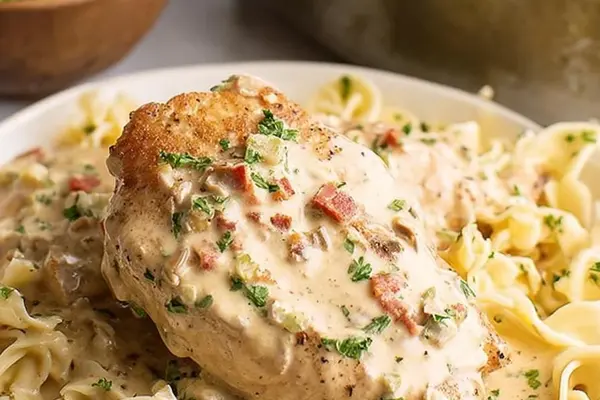
Creamy Garlic Chicken with Bacon & Peas
By Emma
Certified Culinary Professional
·
Recipe tested & approved
Seared chicken breasts in a rich garlic cream sauce with roasted garlic, bacon, and frozen peas. Heavy cream and browned butter create silky comfort food that’s ready in minutes.
Prep:
7 min
Cook:
24 min
Total:
31 min
Servings:
4 servings
Sizzle hits the pan and you know it’s happening. Three tablespoons of hot oil, chicken breasts laid down flat, and that sound—the one that tells you the crust is forming before you even look. Roasted garlic mashed into butter and flour, cream poured slow, everything coming together in one skillet. 31 minutes total and you’ve got a comfort food dinner that tastes like you planned it for hours.
Why You’ll Love This Garlic Chicken with Cream Sauce
One pot. That’s the whole thing. No pans stacked in the sink, no transferring stuff around. Roasted garlic makes it taste like you know what you’re doing—and you will, because it’s stupid simple. Bacon and sundried tomatoes mean it’s not just cream and chicken. There’s something going on in every bite. Works on rice, pasta, whatever you’ve got. Leftovers taste better the next day, honestly. Takes 31 minutes if you move normal speed. Faster if you don’t overthink it.
What You Need for Garlic Butter Chicken Breast Recipe
Four boneless skinless chicken breasts. Doesn’t matter if they’re thick or thin—just know that affects timing. Salt and cracked black pepper. Not the powder stuff. The cracked kind actually stays on the meat. Three tablespoons olive oil or avocado oil. Olive oil works. Avocado oil doesn’t burn as easy, so pick that if you have it. Three tablespoons unsalted butter. The real thing. Not the spreadable stuff. Two tablespoons all-purpose flour. That’s your thickener. Nothing fancy needed. Four cloves roasted garlic, mashed. Buy it pre-roasted if you want. Fresh roasted tastes better but honestly the jar stuff works fine. One cup heavy cream. Straight up. Not the whipped kind. One cup frozen peas. Straight from the freezer. Don’t thaw them. Half a cup sundried tomatoes, chopped. Or roasted red peppers if you hate sundried tomatoes. Or skip it. Four slices bacon, cooked and crumbled. Cook it first. Or use bacon bits. Yeah, even those. Half a cup grated Parmesan. Plus extra for the top.
How to Make One Pot Chicken Dinner
Season the chicken on both sides. Salt, pepper. Don’t skimp—this is your flavor base and you’re not getting another chance to season the meat itself.
Get the oil hot in a large skillet over medium heat. Watch for it to shimmer and move around like water. Lay the chicken down. Don’t move it. This is where the brown crust comes from and you ruin it by fidgeting.
Three to seven minutes per side depending on how thick your breasts are. You’re looking for a golden color that’s almost pulling away from the pan. Press it with your finger—not jiggly means it’s done. Don’t use a thermometer if you can help it. You’ll know when you know. 162 to 168 degrees internal if you need a number but trust your touch more.
Pull the chicken out and set it on a plate loosely covered with foil. Let it rest. People skip this and wonder why their chicken is dry. The juices seal in when you let it sit.
How to Get Creamy Chicken with Roasted Garlic and Bacon Perfect
Crank the heat to medium-high. If the pan’s dry, add another splash of butter or oil.
Melt butter in that same pan and scrape the browned bits off the bottom. This is flavor gold. Don’t waste it.
Add the flour and the mashed roasted garlic. Use the back of a spoon to smash the garlic into the flour and butter until it’s a thick paste. Cook it for about two minutes until the raw flour smell is gone. You want golden. Not dark brown. Dark brown means bitter sauce and you’ve ruined it.
Pour the cream in slowly while stirring constantly. Keep going. The sauce will thicken and coat the back of a spoon. Some garlic chunks stay chunky. That’s fine. That’s good.
Throw in the peas, the sundried tomatoes, and the bacon. Stir. Cook for three to four minutes until the peas aren’t frozen anymore but aren’t mushy either. Sauce should look glossy and be bubbling softly.
Turn the heat down. Nestle the chicken back into the pan, coating it in sauce. Let it warm through for two to three minutes. Don’t stir constantly or the sauce breaks and the chicken shreds up.
Garlic Chicken in Heavy Cream Sauce Tips and Common Mistakes
If you don’t have sundried tomatoes, roasted red peppers work. Or just leave it out. The dish doesn’t fall apart.
No bacon? Smoked paprika. A dash. It adds depth and smokiness without actually using pork.
Sauce getting thin? Cream overheats and separates. Lower the temperature. Or mix a tiny pinch of flour with a splash of cream and stir it in before the cream ever goes in the pot.
Chicken coming out tough? You cooked it too long. 162 degrees is done. Seven minutes per side max for average thickness. Thin breasts? Four minutes. Thick ones? Maybe eight. Watch and feel, don’t just set a timer.
Pan crowded? Chicken steams instead of browns. Do it in batches if your skillet’s small. Wait for the pan to heat back up between batches or the second batch gets pale and sad.
Creamy Garlic Chicken with Bacon & Peas
Prep:
7 min
Cook:
24 min
Total:
31 min
Servings:
4 servings
Ingredients
- 4 boneless skinless chicken breasts
- Salt and freshly cracked black pepper to taste
- 3 tablespoons olive oil, or substitute with avocado oil
- 3 tablespoons unsalted butter
- 2 tablespoons all-purpose flour
- 4 cloves roasted garlic, mashed (can swap roasted with roasted shallots for twist)
- 1 cup heavy cream
- 1 cup frozen peas
- 1/2 cup sundried tomatoes, chopped
- 4 slices bacon, cooked and crumbled
- 1/2 cup grated Parmesan cheese, plus extra for topping
Method
- 1 Season chicken breasts on both sides generously with salt and cracked black pepper; don’t be shy here—flavor base is key
- 2 Heat oil in large skillet over medium heat. Once shimmering and slightly rippling, lay chicken down without crowding; hear that *sizzle?* That’s color forming
- 3 Cook chicken about 3-7 minutes per side, depending on thickness. Look for golden crust that almost starts to release easily from pan; poke gently to check firmness—not jiggly means done. Internal temp 162-168°F safe range but trust touch over thermometer when pressed
- 4 Remove the chicken and set aside loosely tented with foil. Rest time seals juices; skip and chicken dries out
- 5 Kick up the heat to medium-high (if pan is dry add a splash more butter or oil) and melt butter in same pan scraping all browned bits stuck—this is flavor gold, don’t trash it
- 6 Add flour and mashed roasted garlic. Use back of a spoon to mash garlic into flour and butter, making a thick paste. Cook this gentle roux until raw flour smell fades, about 2 minutes. You want a golden hue, not dark brown; overdone means bitter sauce
- 7 Slowly pour in cream stirring constantly. Texture will loosen; keep stirring. Watch sauce bubble softly, thicken to coat back of spoon with some lumps from garlic still intact—chunky good
- 8 Toss in frozen peas, sundried tomatoes, and bacon. The peas add bright contrast, tomatoes chewy sweet tartness, bacon salty crunch. Stir to marry all flavors. Cook 3-4 minutes until peas are tender but not mushy, sauce glossy and bubbling
- 9 Lower heat then nestle chicken back into pan, nestling it gently into sauce. Turn chicken to coat evenly. Let reheat through 2-3 minutes. Don’t over stir or chicken shreds and sauce separates
- 10 Serve chicken and sauce over your go-to base—sticky rice, fettuccine, or even creamy polenta works surprisingly well. Top with extra Parmesan if you want that salty, nutty punch
- 11 If lacking sundried tomatoes swap roasted red peppers or omit entirely. No bacon? A dash of smoked paprika adds depth without pork
- 12 Watch for sauce thinning if cream overheats. Lower heat or add a tiny dusting more flour dissolved in cream beforehand as fix
- 13 Enjoy those sizzly pan sounds, the aromatic roasted garlic punch, and the buttery richness coating everything
Nutritional information
Calories
450
Protein
35g
Carbs
8g
Fat
32g
Frequently Asked Questions About Garlic Chicken with Cream Sauce
Can you make this ahead of time? Yeah. Cook it, let it cool, refrigerate it in a container. Tastes better the next day actually. Reheat it low and slow on the stove, add a splash of cream if it thickened too much.
What if you overcook the chicken and it’s dry already? You’ve got sauce now. Shred it, mix it back into the pan, and serve it over rice or pasta. Call it a creamy garlic chicken situation instead of whole breasts. It works.
Is roasted garlic necessary or can you use fresh? Roasted is sweeter and smoother. Fresh is sharp. Use roasted. Fresh garlic in the sauce goes bitter if you cook it too long. Not worth the trouble.
Can you swap the cream for something lighter? Half-and-half works. Whole milk doesn’t. It won’t thicken right. Greek yogurt at the end instead of cream—add it off heat or it breaks. Probably tastes fine.
How long does it keep in the fridge? Three days. Maybe four if you don’t mind rolling the dice. The peas get mushy and the bacon loses its crunch but the flavor’s still there.
What’s a good base to serve this over? Fettuccine. Rice. Literally any pasta. Creamy polenta if you want to get weird with it. Toast with butter. It all works because there’s enough sauce to coat everything.
You’ll Love These Too
Explore all →
Quiche Lorraine Pie with Bacon & Swiss Chard
Green Salad Recipe with Asparagus & Roasted Shallots
Chocolate Chip Cookie Recipe with Almond Flour

Chicken Tortilla Soup with Crispy Tortilla Strips
Slow Cooker Chocolate Brownies with Hazelnuts
Grilled Shrimp Spring Rolls Salad
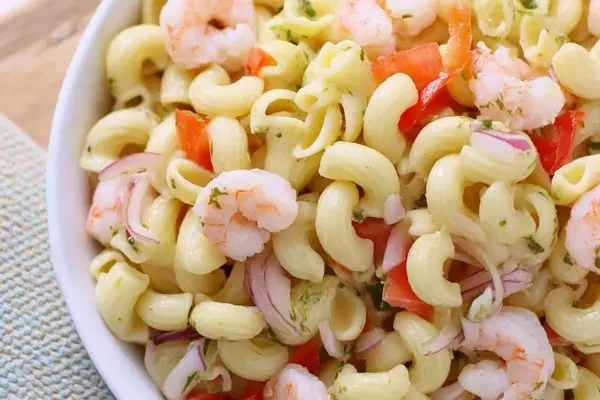
Pasta Salad With Shrimp and Lemon
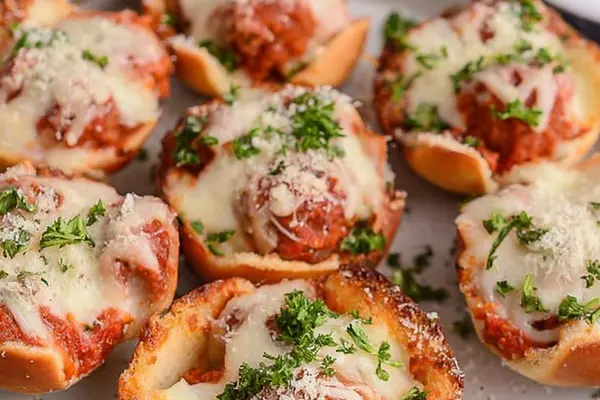
Cheesy Garlic Meatball Bites with Pizza Dough
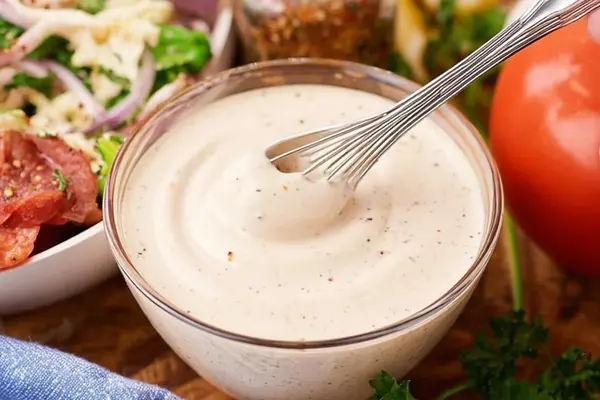
Creamy Italian Dressing Recipe
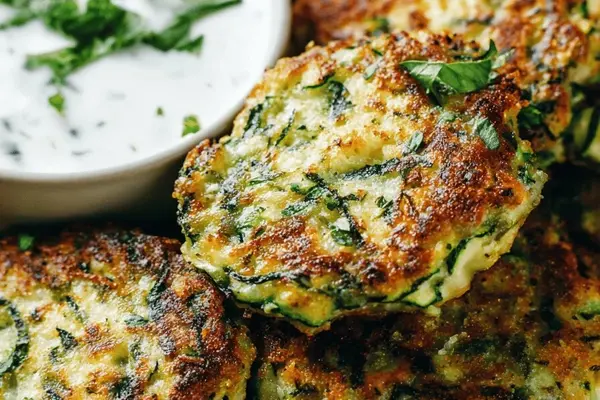
Zucchini Fritters with Ricotta and Fresh Basil
Poaching Eggs Recipe with Za'atar Chickpeas
Charcuterie Board with Chorizo, Cheese & Fruit
Mini Beef Bites with Parsnip and Celery
How Do You Make An Omelet with Shrimp
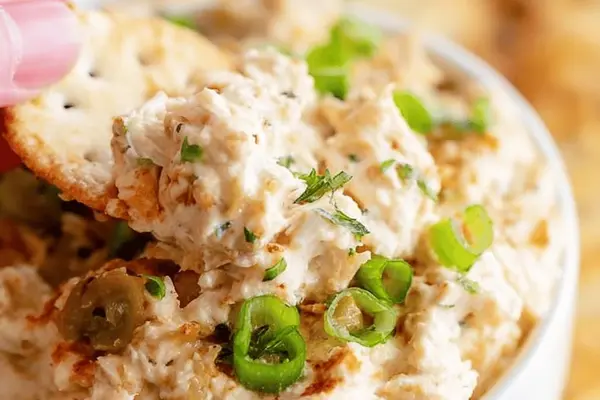
Crab Dip with Cream Cheese and Smoked Gouda
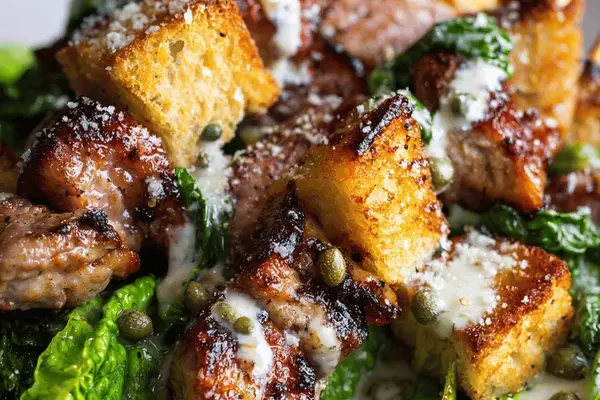
Mini Chicken Caesar Bites with Pancetta
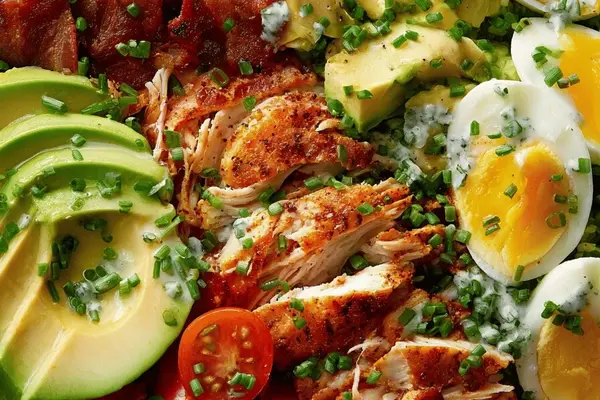
Cobb Salad with Feta and Greek Yogurt
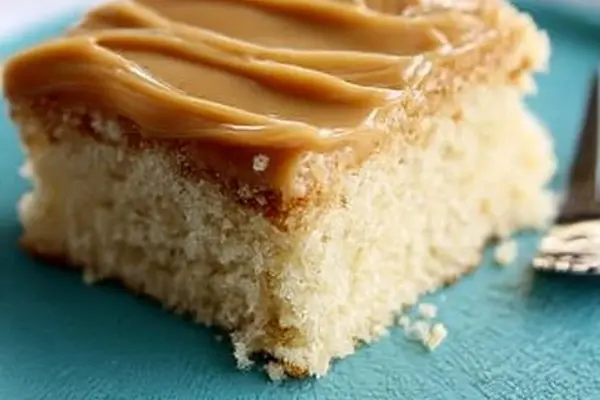
Caramel Sheet Cake with Espresso & Brown Sugar
Baked Cabbage and Bacon with Cheddar