Garlic Mashed Potatoes Recipe with Roasted Garlic
By Emma
Certified Culinary Professional
·
Recipe tested & approved
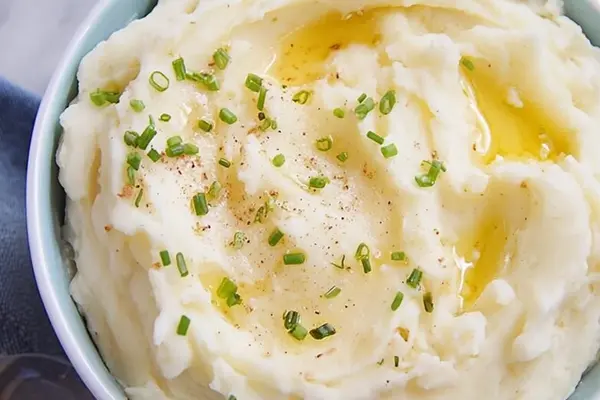
Creamy garlic mashed potatoes made with roasted garlic, Yukon Gold potatoes, half-and-half, and fresh parsley. Achieve silky texture without gumminess.
Prep:
12 min
Cook:
22 min
Total:
34 min
Servings:
6 servings
Yukon Gold potatoes. Cold water. That’s where it starts. Three pounds broken into chunks, covered just barely, brought slow to a simmer—not a rolling boil like you’re in a hurry. Twenty-two minutes of actual cook time, maybe twenty-five if your potatoes are chunky. The roasted garlic mashed in at the end is what makes this stop being regular mashed potatoes and become something people actually want.
Why You’ll Love This Garlic Mashed Potatoes Recipe
Comfort food that takes 34 minutes total. Tastes like someone spent all day on it. Side dish that works with literally anything—chicken, pork, fish, nothing. Leftovers actually taste better cold the next day. Creamy without feeling heavy. The roasted garlic doesn’t taste sharp. Just sweet and buttery and kind of melts into the potatoes like it’s always been there.
What You Need for Garlic Mashed Potatoes with Cream
Yukon Gold. Not russet. The texture stays right—creamy but not mealy. Three pounds. Peel them, cut into chunks about the size of golf balls so they cook even. Half-and-half warmed beforehand. Cold cream seizes the potatoes. Doesn’t work. Butter softened—not melted. Four tablespoons. Roasted garlic mashed fine. Four cloves. Fresh herbs matter here. Chives and parsley. Frozen doesn’t do it. Fine sea salt and cracked black pepper. Not pre-ground. Crack it yourself if you have the time.
How to Make Garlic Mashed Potatoes
Cold water in a pot. Big pot. Heavy-bottomed if you have it—heat distributes better. Potatoes go in covered by about an inch. Not drowning. Just covered. Bring it to a gentle simmer. This is the mistake most people make. They boil it hard. The outside falls apart before the inside’s done. Gentle. Steady. Around eighteen minutes, start poking with a fork. The biggest chunk is your test. When it breaks through with zero resistance, you’re there. Usually twenty to twenty-five minutes but every stove is different. Watch it.
Drain fast in a colander. Let it sit for maybe thirty seconds. Not longer. Then back into the pot, off heat. The residual warmth dries the potatoes out. Watery mashed potatoes are the worst. This step prevents that.
How to Get Garlic Mashed Potatoes Creamy Without Lumps
Warmed half-and-half goes in first. Then the softened butter. The roasted garlic mashed so fine it’s almost paste. Salt and pepper. Then the mashing starts. Gently. With a potato masher or a ricer if you have one. A ricer makes them smoother but a masher works fine if you don’t overdo it. Stop when the lumps disappear but texture remains. Some creaminess, some bite. Too much mixing and the starch breaks down. Gluey. Gummy. Wrong.
If it’s too stiff, add half-and-half one tablespoon at a time. Roughly textured, not soup. Taste it. Maybe another pinch of salt. Maybe black pepper. Trust what you taste.
Garlic Mashed Potatoes Tips and Common Mistakes
Don’t use cold cream. Doesn’t blend. Seizes the potatoes. Warm it in a separate pot or microwave for thirty seconds. Roasted garlic is better than raw garlic. Raw’s too sharp. Roasted goes sweet and mild. If you can’t find roasted garlic, buy the jarred kind. Fresher is nicer but jarred works. The chives and parsley go on top at the end. Fresh herbs. Green colors fade if you stir them in. Keep them on top. Some butter on top too, okay. It melts into the steam. Don’t cover the bowl tight after you serve it or a skin forms right away. Loose covering or no covering at all. Serve hot. Don’t let it sit. Reheats fine though. Microwave or low oven if you need to hold it.
Garlic Mashed Potatoes Recipe with Roasted Garlic
Prep:
12 min
Cook:
22 min
Total:
34 min
Servings:
6 servings
Ingredients
- 3 pounds Yukon Gold potatoes peeled and cut into chunks
- 1 cup half-and-half warmed
- 4 tablespoons unsalted butter softened
- 1 teaspoon freshly cracked black pepper
- 1 1/2 teaspoons fine sea salt
- 4 cloves roasted garlic mashed fine
- 2 tablespoons chopped fresh chives
- 2 tablespoons chopped fresh parsley
Method
- ===
- 1 Start with cold water covering potato pieces by an inch in a large heavy-bottomed pot. Bring up to a gentle simmer. Not boiling hard. Let simmer until poking a fork through the biggest chunks meets no resistance—about 20-25 minutes but watch, poke often after 18 minutes.
- ===
- 2 Drain thoroughly in a colander. Do it fast to cool surface but return immediately to pot off heat. The pot's warmth helps dry out excess water from potatoes avoiding watery mash.
- ===
- 3 Add warmed half-and-half, softened butter, roasted garlic, salt, black pepper. No overmixing madness. Mash gently with potato masher or handheld ricer. Stop when lumps disappear but still some texture. Too much, starch breaks down, gluey goo.
- ===
- 4 If it feels stiff, splash in half-and-half, one tablespoon at a time. More cream makes it richer but watch the weight. Roughly textured, not soupy. Adjust seasoning, maybe a pinch more salt or pepper if flattened flavors.
- ===
- 5 Sprinkle chopped chives and parsley on top. Fresh herbs punch up aroma and give green burst. A smudge more butter on top okay too.
- ===
- 6 Serve hot. Preferred texture slightly chunky with creamy pockets from roasted garlic and butter melting. Don't cover too tight after plating or skin forms faster than you want.
Nutritional information
Calories
230
Protein
4g
Carbs
30g
Fat
10g
Frequently Asked Questions About Garlic Mashed Potatoes
Can you make roasted garlic mashed potatoes ahead? Yeah. Make them, cool them, cover with plastic wrap. They keep three days in the fridge. Reheat in the microwave or a low oven with a splash of half-and-half stirred in. Texture comes back fine.
What if you don’t have half-and-half? Whole milk works. Makes them a bit lighter. Heavy cream makes them richer. A mix of both is probably best but any of those three work.
Can you use butter garlic mashed potatoes instead of roasted garlic? You could add raw garlic but it’ll taste sharp. Not the same. Roasted’s mellower. If you have to use fresh, mince it fine and let it sit in the warm potatoes a few minutes before serving. Doesn’t fully fix it though.
Should you peel the potatoes before or after cooking? Before. Easier. They cool down enough to handle and peel faster raw. Cooked potatoes with skin slip around and it’s annoying.
How do you know when the potatoes are actually done? Fork test. Pierce the biggest chunk. If it falls apart or the fork goes through without any resistance, done. If you feel even a little firmness in the center—another minute or two.
Can you make seasoned mashed potatoes with less salt? Yeah. Taste it at the end. The flavor flattens if there’s not enough salt. You want that punch. Start with what the recipe says and adjust after. Salt’s the thing that makes these taste like something.
You’ll Love These Too
Explore all →
Butternut Squash Mac and Cheese Recipe
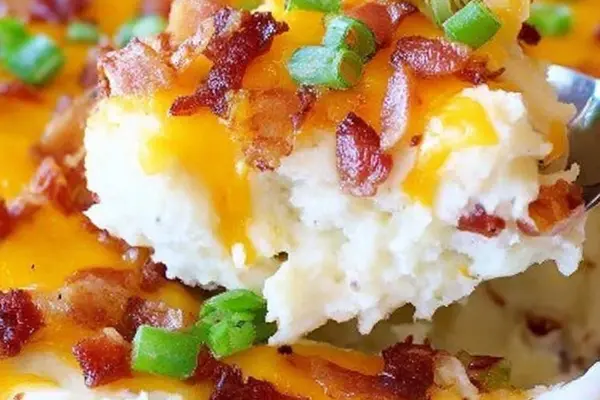
Loaded Mashed Potato Bake with Turkey Bacon

Mini Pork Tourtières with Flaky Butter Crust
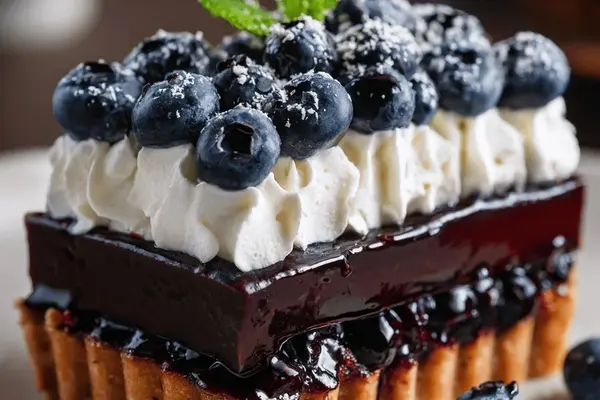
Blueberry Chocolate Tart with Coconut Cream

Orange Mousse with Dark Chocolate
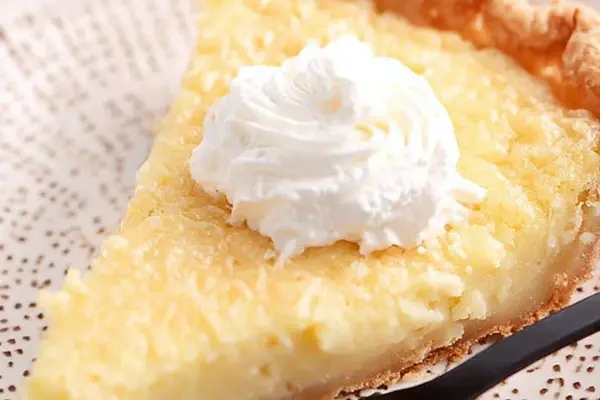
Buttermilk Pie Recipe with Eggs & Vanilla

Peppermint Mocha Cupcakes with Cream Cheese

Sheet Pan Chicken Nachos with Cheddar
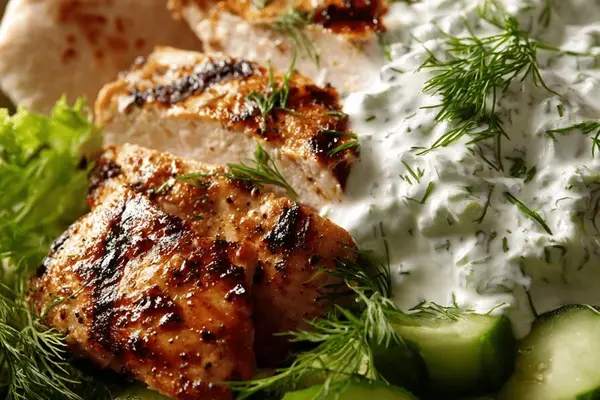
Grilled Chicken Tzatziki Pita with Cucumber
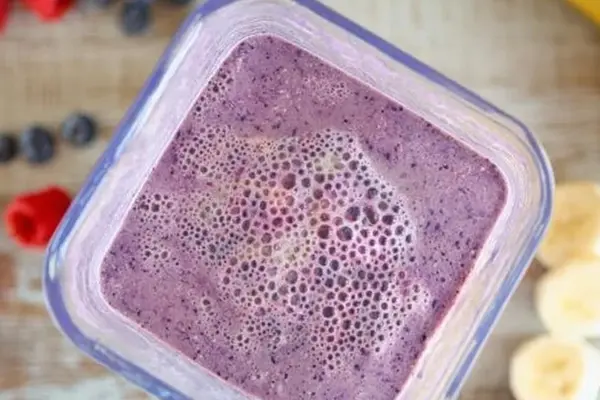
Blueberry Spinach Smoothie with Greek Yogurt
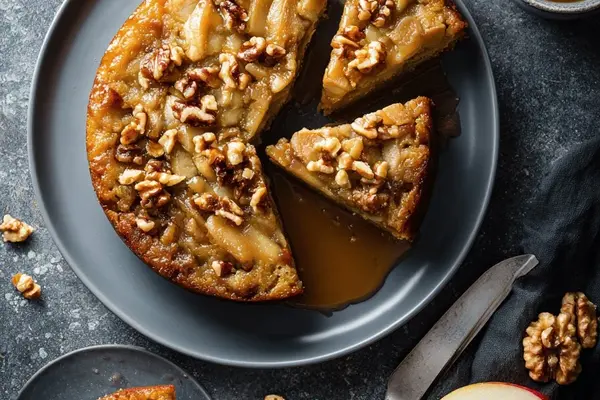
Apple Crumble Recipes with Walnuts

Egg Muffins with Zucchini and Cheese
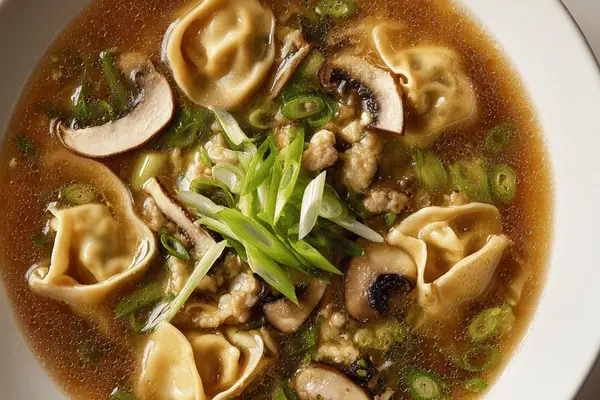
Chicken Wonton Soup Recipe with Mushroom Broth
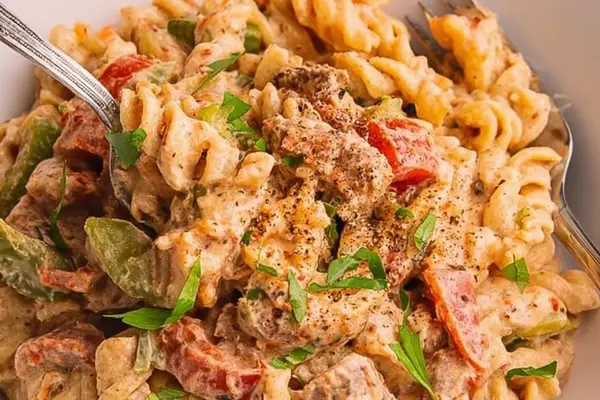
Creamy Cajun Pasta With Andouille Sausage
Instant Pot Turkey Breast with Herb Crust
Pork Terrine with Blackcurrant Liqueur

Ground Beef Burger Recipe with Garlic
Apple Blueberry Almond Muffins Recipe
Focaccia with Potatoes and Smoked Beef