Creamy Garlic Parmesan Linguine Recipe
By Emma
Certified Culinary Professional
·
Recipe tested & approved
Creamy garlic parmesan linguine made with mascarpone, heavy cream, and Parmesan cheese. Browned garlic in olive oil creates deep flavor, bound with reserved pasta water for silky sauce.
Prep:
7 min
Cook:
22 min
Total:
29 min
Servings:
4 servings
Boil the water. Salt it like you mean it. Linguine goes in, and while that’s cooking you’re already thinking about garlic.
Why You’ll Love This Creamy Garlic Parmesan Linguine
Takes 29 minutes total — genuinely. Not 45 like you’d think from the cream and cheese situation. Works cold the next day, maybe better. Pasta soaks up more flavor sitting in the fridge overnight. One pan. Not counting the pot for water. Heat, stir, done. Cleanup isn’t nothing, but it’s fast. Vegetarian comfort food that doesn’t taste like you’re missing meat. The garlic and Parmesan handle that. Tastes expensive. Mascarpone does half the work and costs less than you’d expect.
What You Need for Creamy Garlic Pasta
Linguine. Twelve ounces. Spaghetti works. Fettuccine works. Long pasta holds the sauce better than short stuff does.
Olive oil. Two tablespoons. Not that expensive stuff in the fancy bottle — regular works fine.
Garlic. Four cloves, minced. Fresh. Not jarred. There’s a difference and you’ll taste it.
Mascarpone or cream cheese. Four ounces. Mascarpone is softer, melts easier. Cream cheese works but it’s a touch grainier. Both get you there.
Parmesan. One cup, freshly grated. Not the green can. Real cheese. It changes everything.
Heavy cream. Three quarters of a cup. Nothing else substitutes here — half-and-half gets too thin, whole milk doesn’t get thick enough.
Reserved pasta water. One cup. This is why you don’t rinse the pasta. The starch is what makes the sauce stick instead of sliding off.
Sea salt flakes. For finishing. Kosher salt works. Table salt gets weird.
Black pepper. Freshly ground. Matters more than you think.
How to Make Creamy Garlic Linguine
Get your water going first. Really salted — it should taste like the ocean. Once it’s rolling, linguine goes in. Stir it so nothing sticks. Cook until it’s got some resistance when you bite it. Not crunchy. Not soft. In between.
Before you drain it — and this matters — grab a measuring cup and scoop out pasta water. One cup at least. Then drain the linguine. Don’t rinse it. That starch clinging to the noodles is what makes the sauce work.
Same pan you cooked pasta in. Medium-low heat. Olive oil goes in. Wait for it to warm but not smoke. Once it’s warm, the garlic hits the oil. Stir it constantly. You’re not cooking garlic fast here. You’re coaxing the flavor out slow. The edges will turn pale gold — that’s when the smell blooms. Four or five minutes usually. But smell it. Don’t watch a timer. Burnt garlic tastes like bitterness and regret.
How to Get the Sauce Creamy and Thick
Mascarpone goes in off heat. This part matters. Hot oil will break it. Drop it in and stir constantly. It’ll look chunky and sad at first. Keep stirring. It softens and melts into the oil and garlic. About four or five minutes of steady stirring. If it’s fighting you, add a splash of that pasta water. Just a tiny bit. It helps.
Now the Parmesan. Whisk it in — this is what thickens everything. Once it’s mostly dissolved, pour in the heavy cream. Slow. Add it while stirring so it incorporates smoothly. Then the pasta water. Start with half a cup and see where you are. The sauce should move but hold. It coats the back of a spoon. If it’s too thin, more Parmesan thickens it. Too thick, more pasta water loosens it. This is the only time patience actually matters in this recipe.
Bring the pasta back in. Off heat. Toss it hard — get your whole arm into it. Every strand needs to be coated. The sauce should cling to the pasta, not pool at the bottom. If it seized up and got thick while you were tossing, add more pasta water a splash at a time and stir until it’s loose again. The heat from the pasta will help everything marry together.
Creamy Garlic Parmesan Linguine Tips and Common Mistakes
Don’t let the garlic burn. Seriously. It takes the whole dish from incredible to acrid in about thirty seconds. Watch it. Low heat. You want it golden, not brown.
Pasta water is everything. That starch is why this sauce sticks instead of sliding off. Save it before you drain. Use it generously.
Don’t add the cream cheese or mascarpone to hot oil. The temperature breaks it and you end up with weird separated sauce. Wait until the pan’s warm, not hot.
If your sauce breaks — gets grainy or separates — it’s not ruined. Add more pasta water and stir it over low heat. It’ll come back together. Cream sauces are forgiving if you don’t panic.
Timing is loose here. Four to five minutes for garlic. Four to five for cheese melting. Three to five for the final sauce. Your stove runs different than someone else’s. Trust what you see and smell. Taste as you go. Add more Parmesan if it needs punch. Salt if it needs bite.
Serve it immediately. This sauce doesn’t wait. Hot plates help.
Creamy Garlic Parmesan Linguine Recipe
Prep:
7 min
Cook:
22 min
Total:
29 min
Servings:
4 servings
Ingredients
- 12 ounces linguine or preferred pasta
- 2 tablespoons olive oil
- 4 cloves garlic minced
- 4 ounces mascarpone or cream cheese
- 1 cup freshly grated Parmesan cheese
- 3/4 cup heavy cream
- 1 cup reserved pasta water
- sea salt flakes for finishing
- freshly ground black pepper
Method
- 1 Start boiling water salted generously, cook linguine firm but tender. Grab a cup of starchy pasta water before draining. Don't rinse! Set pasta aside.
- 2 Heat olive oil in the same pan you’ll use for sauce, low heat. Toss in minced garlic. Stir often, watch closely. Wait for edges to turn golden and fragrance blooms. No burning or bitterness, please. About 4-5 minutes but trust smell and color not clock.
- 3 Drop mascarpone (or cream cheese) in. Stir constantly to melt into garlic oil. It’ll look chunky at first but soften gradually. If it clumps, add splash of reserved pasta water to coax smoothness out. Around 4-5 minutes. Heat gentle but consistent.
- 4 Whisk in Parmesan cheese first — thickens sauce. Follow with heavy cream, then little by little pour in pasta water. Sauce should become glossy, thick but pourable. If too thin, add more Parmesan; too thick, more pasta water. A little patience here keeps sauce cohesive instead of separating.
- 5 Return pasta to pan. Toss vigorously off heat — your arms will get workout. Coat each strand evenly; pasta must feel slick but not drowning. If sauce seizes, splash more pasta water and stir till soupy again. Let residual heat finish marriage of sauce and noodles.
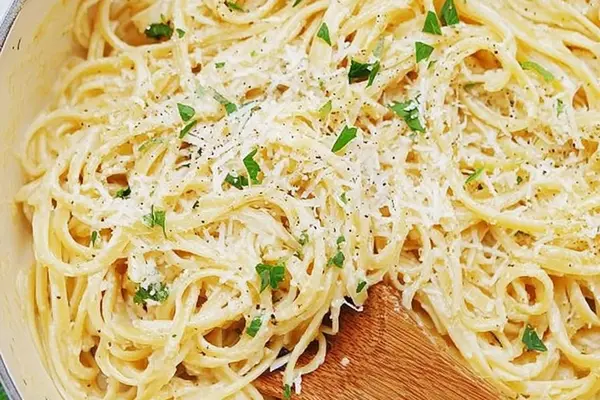
- 6 Serve immediately. Finish with flaky sea salt, fresh cracked pepper. More Parmesan on top if you dare. Visual: faint shimmer on noodles, taste: sharp umami, texture: creamy with bite of pasta. Garlic scent lingers but no sharp bite. Delightful mess.
- 7 If following these steps, experiment with adding chili flakes or lemon zest for brightness. Feedback welcomed—every kitchen adventure shapes better next round.
Nutritional information
Calories
480
Protein
18g
Carbs
45g
Fat
28g
Frequently Asked Questions About Creamy Garlic Linguine with Heavy Cream
Can I use cream cheese instead of mascarpone? Yeah. It’s grainier but it works. You might need an extra splash of pasta water to smooth it out. Takes a minute longer to melt.
What if I don’t have heavy cream? Don’t use half-and-half. Doesn’t get thick enough. You could use cream cheese or mascarpone with pasta water and make it work, but the texture’s different — less silky.
How do I know when the garlic is done? Pale gold on the edges. Smells incredible. Not brown. The difference between that and burnt takes about fifteen seconds, so watch it.
Can I make this ahead? Not really. Sauce breaks if it sits. You can prep everything — mince garlic, grate cheese, measure cream — then cook it when you’re ready. Takes 29 minutes start to finish.
Why do I need to reserve pasta water? Starch. It’s what makes the sauce stick to the pasta instead of pooling at the bottom. Without it the sauce slides right off.
What’s the difference between this and regular Alfredo? Mascarpone instead of just butter and cream. It tastes richer. Less sharp than traditional Alfredo. Garlic forward. More interesting.
Can I add vegetables? Spinach works. Mushrooms work. Add them after the garlic, before the mascarpone. Cook them until soft. Doesn’t change the timing much.
Should I use fresh or dried pasta? Fresh pasta cooks faster — maybe eight minutes instead of twelve. Dried pasta has more bite, holds the sauce better. Either one’s fine. Adjust the timing accordingly.
You’ll Love These Too
Explore all →
Clams Casino with Bacon and Cracker Topping
Grilled Mussel Spaghetti with Pancetta
Baked Chicken Wings with Smoked Paprika
Chicken Pot Pie with Shallots and Cheddar
Vegan Pie Crust with Vegan Butter

Smorrebrod with Blue Cheese & Fig Chutney

Chocolate Snowman Truffles with Nutter Butter
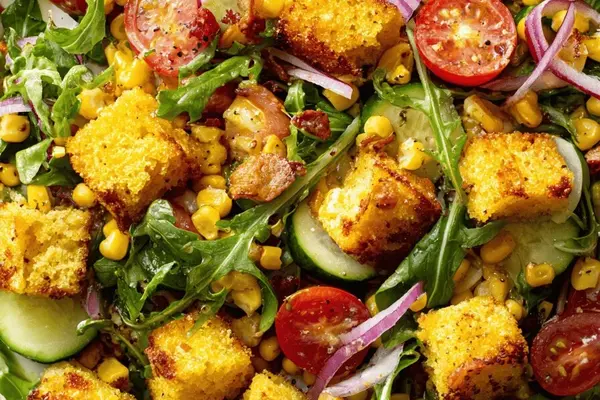
Cornbread Panzanella with Maple-Lemon Dressing
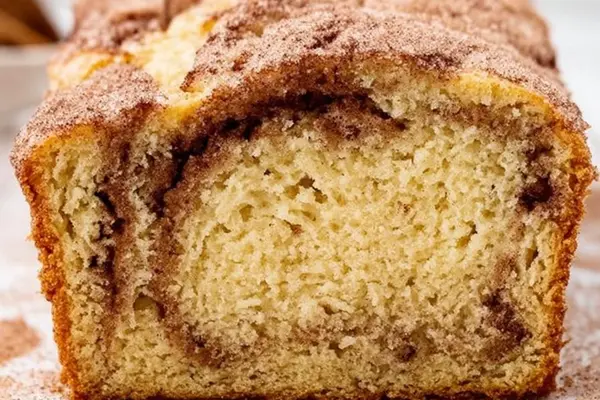
Buttermilk Corn Bread Recipe with Cinnamon

Cookie Recipe Cake Mix Orange Frosting
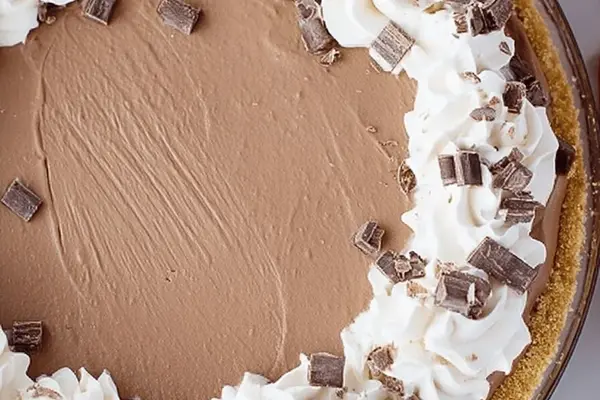
No Bake Chocolate Cheesecake Recipe
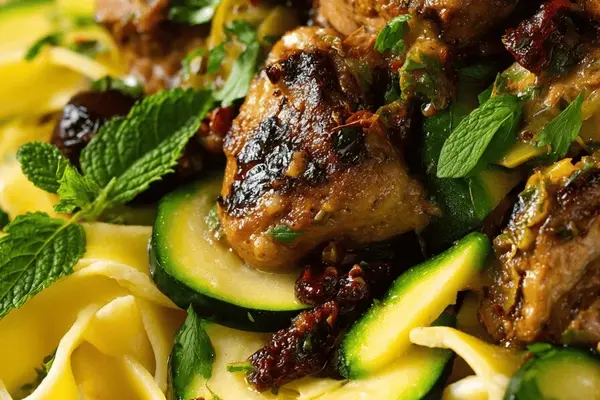
Chicken Pasta with Turmeric and Preserved Lemon

Coffee Caramel Macarons with Hazelnut

Melon Aloe Refresher with Lime & Mint
Rustic Tomato Basil Sauce with Fresh Garlic
Strawberry Short Cake with White Chocolate
Oven-Baked Teriyaki Chicken Rice with Broccoli

Curried Chicken Salad Toasts with Turmeric

Grilled Cheese with Turkey, Bacon & Gruyere