Crispy Baked Chicken with Asiago & Breadcrumbs

By Emma
Certified Culinary Professional
·
Recipe tested & approved
Crispy baked chicken coated with breadcrumbs and Asiago cheese. Marinated in apple cider vinegar and olive oil with oregano and garlic powder for golden, crunchy results.
Prep:
20 min
Cook:
45 min
Total:
65 min
Servings:
4 servings
Marinade hits different when you use vinegar. Four pounds of chicken, a bowl, overnight in the fridge—and suddenly your baked chicken breast has flavor that doesn’t need any extra fuss. I stopped making bland oven-baked chicken breast once I learned this trick. Asiago crust shatters when you bite it. Twenty minutes prep, 45 minutes in the oven, and dinner’s done.
Why You’ll Love This
Takes 20 minutes to prep, then the oven does the work. Set it and forget it—actual comfort food without the babysitting.
Asiago gives you that nutty, salty punch parmesan crusted chicken usually gets. Crispy outside, juicy inside. The cheese doesn’t burn because you’re baking at 395, not broiling.
One sheet pan. Parchment. Rack. Minimal cleanup. The chicken drips through, parchment catches it, you toss it after.
Leftovers actually taste better reheated in the broiler than the first night. Crust re-crisps. Seriously.
Marinade That Actually Matters
Olive oil and apple cider vinegar. Not white vinegar—too sharp, tastes like punishment. Apple cider is gentler, brings sweetness. Salt, crushed red pepper, dried oregano, garlic powder. That’s it. Mix them in your biggest bowl. Whisk it. Don’t measure half-measures on salt; it pulls flavor through the meat and into skin where it matters.
Dump your chicken pieces in. Toss until every surface is slick, every crevice coated. Skin gets tacky. Meat glistens. That’s the marker. Plastic wrap tight over the bowl or use a zip-top bag. Refrigerate 4 to 20 hours max—I avoid longer because vinegar can toughen things if it sits too long.
Dry Chicken First, Then Bread It
Pull the chicken out of the marinade and pat every piece dry with paper towels. Spend the 2 minutes here. Wet skin means sogginess, stew-like texture, everything you don’t want. I skipped this once. Never again.
Preheat to 395°F. Yes, five degrees below 400. Even baking, fewer burnt edges. While it heats, prep your baking sheet—parchment flat on the bottom, cooling rack sitting on top of it. The parchment catches drips. The rack is what matters though. Airflow underneath the chicken is non-negotiable for crispness.
In a shallow bowl, combine breadcrumbs, shredded Asiago, and black pepper. Asiago gives that nutty, tangy punch—Pecorino works if you want to swap it, but Asiago is the move here. This is your crust. Dredge each piece of chicken, pressing firmly so crumbs cling. Don’t be shy about it. The crust needs to grip the meat or it slides off in the oven.
Bake Until the Crust Turns Golden
Set coated chicken on the rack spaced out. No crowding. No pieces touching. Steam traps under crowded skin and you lose everything you just built.
Bake 40 to 45 minutes. Start checking at 38 minutes. Listen for a sizzle but no sharp charred smell—that’s your warning to lower heat next time. The skin should turn bronzed, the cheese bubbling golden brown. Wiggle a piece gently. Skin should feel taut, not floppy. Still pink at the thickest part? Keep going but watch closely, especially breasts—they dry out faster than thighs.
When it’s done, move it to a plate. Tent loosely with foil and rest 5 to 10 minutes. Resting traps juices inside. Cut too soon and you get dry chicken. I learned that the hard way on my first tries. After resting, sprinkle fresh parsley on top. The green pops against the rich, crispy chicken.
Swaps, Timing, Temperature
Breasts instead of thighs? Go for it, but reduce baking time to 35-40 minutes—breasts dry out faster. No panko breadcrumbs? Crushed cornflakes give extra crunch. Cut the red pepper down to 1/8 teaspoon if spicy isn’t your thing.
No cooling rack? Flip the chicken halfway through to crisp both sides. It works. Not ideal, but it works.
Chicken temperature when cooked should hit 165°F at the thickest part. Use a meat thermometer if you have one. Cut into the thickest part near the thigh—if juices run clear and meat’s opaque, you’re done. Oven temps vary wildly. Trust your eyes and a probe more than the timer.
Leftovers stay in the fridge up to three days. Reheat in the broiler for 4-5 minutes to restore crispness. Microwave kills the crust. Broiler brings it back.
Crispy Baked Chicken with Asiago & Breadcrumbs
Prep:
20 min
Cook:
45 min
Total:
65 min
Servings:
4 servings
Ingredients
- 1/4 cup olive oil
- 1/4 cup apple cider vinegar
- 1 1/4 teaspoons salt
- 1/4 teaspoon crushed red pepper flakes
- 1 1/4 teaspoons dried oregano
- 3/4 teaspoon garlic powder
- 4 pounds bone-in skin-on chicken pieces
- 1 1/2 cups breadcrumbs
- 3/4 cup shredded Asiago cheese
- 1/2 teaspoon black pepper
- 2 tablespoons minced fresh parsley for garnish
Method
- 1 Pick your biggest bowl. Whisk olive oil, apple cider vinegar, salt, crushed red pepper, oregano, and garlic powder. Don’t skimp on salt; it pulls flavor through meat.
- 2 Dump chicken pieces in the bowl. Toss until slick, every nook coated. Cover bowl tight with plastic wrap or use a big zip-top bag. Refrigerate 4 to 20 hours max. I avoid longer—vinegar can toughen if left too long.
- 3 Pull chicken out, pat every piece dry. Wet skin means less crunch. Trust me, skip this step and you’ll get stew-like sogginess.
- 4 Preheat oven to 395°F. Yes, I dialed 5 degrees down for even baking, less burnt edges. Prep a rimmed baking sheet. Lay parchment flat, then place a cooling rack above it. Flattened parchment helps catch drips but rack is king for airflow.
- 5 In a shallow bowl combine breadcrumbs, Asiago, and pepper. Asiago gives nutty, tangy punch—try Pecorino to switch it up. Dredge chicken, press firmly. You want that crisp crust to cling, so don’t be shy about pushing in the crumbs.
- 6 Set coated chicken on the rack spaced out. No crowding or steam traps under skin.
- 7 Bake 40 to 45 minutes. Start checking at 38 min, listen for sizzle but no charred smell. Skin turns bronzed, cheese bubbling golden brown. Wiggle pieces—skin should feel taut, not floppy. Thick parts pink at center? Keep going but watch closely.
- 8 When done, remove to plate and rest 5-10 minutes loosely tented with foil. Resting traps juices. Cut too soon—dry chicken. I learned the hard way on first tries.
- 9 Before serving, sprinkle with fresh parsley. The green pop is refreshing against crispy, rich chicken.
- 10 Notes: For quicker prep, swap chicken thighs or breasts but adjust baking time—breasts dry out faster. No panko? Use crushed cornflakes for extra crunch. Too spicy? Cut crushed red pepper to 1/8 tsp. If no rack available, flip halfway through baking to crisp both sides. Oven temps vary; use temp probe or cut into thickest part to confirm done. Leftovers reheat in broiler to restore crispness.
Nutritional information
Calories
450
Protein
35g
Carbs
9g
Fat
32g
Frequently Asked Questions
Why use apple cider vinegar instead of white? Apple cider is milder, less harsh. White tastes like it’s punishing you. Try both once and you’ll never go back.
Can I use chicken breast in oven the whole time instead of mixed pieces? Yeah. Just cut the baking time to 35-40 minutes. Breasts are thinner. They cook faster and dry out if you leave them in too long.
What’s the best way to confirm baked chicken breast recipes actually cooked through? Meat thermometer—165°F at the thickest part. Or cut into the thickest section near the thigh. Juices should run clear, meat opaque all the way. No pink.
Does the marinade have to sit 20 hours or can it be less? Four hours minimum if you’re rushed. Twenty is better. More than 20 and the vinegar starts to toughen things. Not worth pushing it.
What if I don’t have a cooling rack for my baked chicken breast dishes? Flip it halfway through. Not as clean as a rack, but the bottom side will still crisp. You’ll be fine.
Can I use parmesan instead of Asiago cheese? Totally. Parmesan crusted chicken works the exact same way. Asiago’s got more tang, parmesan’s more sharp. Either gets you there.
You’ll Love These Too
Explore all →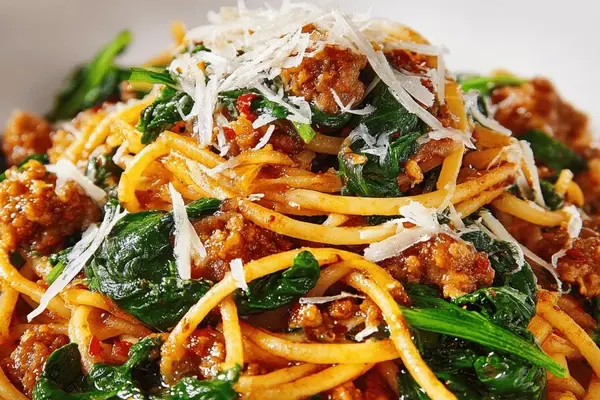
Chorizo Pasta with Spinach and Tomato
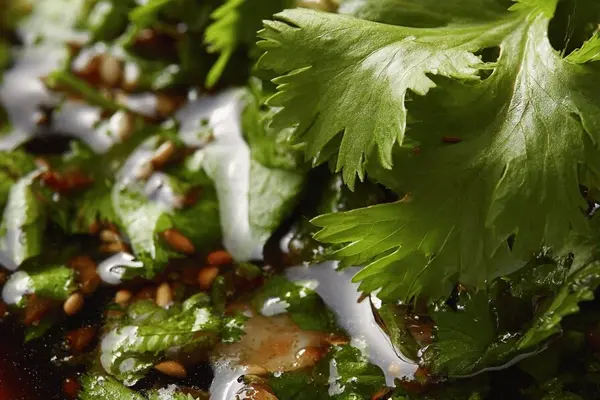
Asian Mignonette Sauce with Ginger

Sheet Pan Quesadillas with Black Beans
Cream Cheese Frosting for Spice Cake
South Carolina Mustard BBQ Sauce with Molasses
Bundt Cake Pumpkin with Maple Whiskey

Pitcher Paloma Remix with Yuzu & Grapefruit
Beef Burger Recipe with Chipotle Cheese
Gooey Autumn Spice Cake with Cream Cheese

Lemon Dessert Bars with Strawberries
Banana Caramel Syrup with Pecans

Sheet Pan Pork Chops with Parmesan Potatoes

Orange Marmalade Chicken with Cherry Tomatoes
Iced Rhubarb Cake with Crunchy Crumble

Creamy Clam Chowder with Pancetta and Corn
Crockpot Ziti Bake with Ground Beef
Eggnog Cheesecake Recipe with Speculoos Crust
Crunchy Veggie Salad with Ginger Lime

Mocha Coffee Recipe with Dark Chocolate