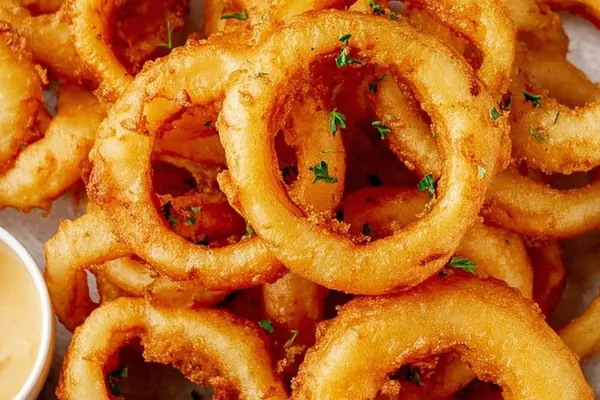
Crunchy Beer-Battered Onion Rings
By Emma
Certified Culinary Professional
·
Recipe tested & approved
Crispy beer-battered onion rings made with thick onion slices, all-purpose flour, fresh parsley, and cold craft beer. Golden-fried and perfectly crunchy outside.
Prep:
22 min
Cook:
19 min
Total:
41 min
Servings:
4 servings
Crispy rings that shatter when you bite them. Onions underneath stay soft, almost sweet. Beer does something the old recipes don’t explain—the bubbles in the batter create actual air pockets. Not just a coating. Actual texture.
Had a batch turn soggy once. Oil wasn’t hot enough. Learned it the expensive way. Now I test with a tiny piece of batter first. It should rise immediately. That’s your signal.
Why You’ll Love This
Takes 41 minutes start to finish. Most of that’s just waiting for oil to heat and frying in batches. Actual hands-on work is maybe 22 minutes.
Works as an appetizer or snack—serve them with anything, or just eat them standing up with your fingers.
Vegetarian. No fish, no meat. Just onions and beer.
The spicy kick is optional but worth it. Cayenne doesn’t overwhelm. Just adds a whisper.
The Batter That Actually Works
Two large onions. Peel them, slice thick—3/4 inch rings. Save the small inner ones and centers. Those fry faster, get extra crispy. Keep them separate.
For the dry dredge: cup of flour, teaspoon of powdered sugar, teaspoon of onion powder, half teaspoon of fine salt. Mix it. Toss the onion rings in this first. This matters more than people think. Tap off the excess—too much flour gums up when the batter hits the oil.
The actual beer batter lives in a different bowl. Flour again. Garlic powder. Parsley—fresh is better but dried works. Baking powder. Cayenne if you want heat. Pour in 3/4 cup of cold beer slowly while whisking. Not all at once. A craft beer works best. Lager or ale. The carbonation is doing work here. Whisk in one beaten egg until it’s just combined. Don’t overwork it.
Let the batter sit in the fridge for 15 to 20 minutes. This isn’t optional. The flour needs to hydrate. The bubbles need to stabilize. It changes everything.
How to Actually Fry These
Heat your oil in a heavy-bottom skillet or deep pot. You need 2 to 3 inches deep. Use a thermometer. Aim for 360 to 375 degrees. This is the zone. Test with a tiny piece of batter first. It should float up immediately and bubble like it’s angry. If it sinks, wait. If it browns in 10 seconds, you’re too hot.
Take a dredged ring. Shake the excess flour off. Dip it into the beer batter so it’s fully covered. Let the excess drip back into the bowl—you want coating, not blob. Drop it gently into the oil. Don’t crowd the pan. Five or six rings at a time, depending on your pan size. Overcrowding kills the temperature. Rings come out soggy.
Watch them. After about 3 to 4 minutes, the edges go golden brown. The bubbles on the surface get smaller. That’s when you flip. Once. That’s all. Fragile when hot.
Slotted spoon gets them out. Put them on a rack lined with paper towels. Not directly on the towels—the rack lets air circulate underneath. Stops steam from making them soggy.
Keep a 200-degree oven running. Put finished batches in there while you fry the rest. Keeps them warm. Keeps them crispy.
Fry the small center pieces last. They’re smaller. Less time in the oil. Three minutes, maybe less. Golden brown and done.
What Goes Wrong and How to Fix It
Batter too thick. It won’t coat evenly. Rings come out blobby. Add more beer. Or water if you’re out of beer. A splash at a time. Whisk it in.
Batter too thin. Slides right off. You can feel it when you dip—it should coat but not drip. Add a touch more flour if it’s that runny.
Oil not hot enough. Rings soak up oil instead of frying. They get heavy and greasy. Soggy. Limp. Temperature matters more than technique here. Get it right and most other mistakes don’t matter.
Rings getting dark too fast. Heat’s too high. Drop it to 350. They’ll take longer but won’t burn. Better to wait.
Skipped the dry dredge. Big mistake. That layer creates the extra crunch. The batter sticks to it. Skip it and you get a slick coating that slides around. Do both steps.
Crunchy Beer-Battered Onion Rings
Prep:
22 min
Cook:
19 min
Total:
41 min
Servings:
4 servings
Ingredients
- 2 large onions peeled, sliced into approximately 3/4 inch rings; centers reserved
- 1 cup all-purpose flour
- 1 teaspoon powdered sugar
- 1 teaspoon onion powder
- 1/2 teaspoon fine salt
- 1/2 teaspoon garlic powder
- 1 tablespoon chopped fresh parsley or 1 teaspoon dried
- 1/4 teaspoon baking powder (substitute for baking soda for gentler rise)
- 1/4 teaspoon cayenne pepper (optional, for slight kick)
- 3/4 cup cold craft beer (lager or ale preferred); soda water as substitute
- 1 large egg beaten
- Vegetable or canola oil for frying (enough to fill pan 2-3 inches deep)
Method
- 1 Preheat oven to 200 degrees F (95 degrees C). Line a baking sheet with paper towels, place a wire rack on top to keep rings dry and hot.
- 2 Peel onions, discard outer skin layer that’s dry and papery. Slice into thick, 3/4 inch wide rings. Set aside smaller inner rings and centers separately for extra crunchy bites later.
- 3 In a shallow bowl, whisk together flour, powdered sugar, onion powder, and salt for dry dredge. Toss onion rings until evenly coated. Tap off excess flour—too much will gum up the batter adhesion.
- 4 In a medium bowl, whisk flour, garlic powder, parsley, baking powder, and cayenne. Slowly pour in beer while whisking gently to create a smooth batter with some bubbles still visible. Whisk in egg till just combined. Better rest the batter in fridge at least 15-20 minutes — allows flour to hydrate and bubbles to stabilize.
- 5 Heat oil in a heavy-bottom skillet or deep pot until thermometer reads between 360 and 375 F. Test by dropping small dollop of batter: it should rise immediately, bubble furiously, and float.
- 6 Take dredged rings, shake off excess flour. Dip fully into beer batter so covered but drip off excess. Drop gently one by one into hot oil — overcrowding drops temp and leads to soggy rings.
- 7 Maintain moderate heat. Fry for about 3-4 minutes, watching for bubbles turning smaller and ring edges deepening to rich golden brown. Flip them once midway for even crisping, don’t poke too much—fragile when hot.
- 8 Remove rings with slotted spoon onto rack-lined baking sheet. Place in warm oven to keep crisp while frying remaining batches. Ensures no steam buildup that causes sogginess.
- 9 For centers, toss them in dry dredge again, then lightly coat with some batter and fry briefly until golden, less cook time needed as they’re smaller.
- 10 Serve rings immediately with dipping sauce options like garlic aioli, chipotle mayo, or classic ketchup. Notes: If oil smokes, reduce heat immediately; if too cool, rings soak up oil greasy and limp.
- 11 Common issues: Batter that’s too thick won’t coat evenly—thin with a splash more beer or water. Too thin batter slides off. Don’t skip the dry dredge step; it’s crucial for adhesion and extra crunch.
Nutritional information
Calories
270
Protein
5g
Carbs
30g
Fat
15g
Frequently Asked Questions
Can I make this batter for fish or other seafood? The beer batter recipe works the same way—same ratio, same technique, same oil temperature. Fish takes about the same time too. The batter for fish with beer works because the carbonation does the work regardless of what you’re coating. Just keep the oil at 360 to 375. Smaller fillets need less time. Maybe 2 to 3 minutes instead of 4.
What if I don’t have beer? Soda water works. Not the same result—less crispy—but it fries. Ginger ale adds sweetness that doesn’t fit. Sparkling water is fine. The carbonation is what matters. Use the same amount. Cold matters too.
How long does the batter sit in the fridge? At least 15 to 20 minutes. Don’t rush it. You can make it ahead and let it sit for an hour. Longer than that and the bubbles start collapsing. Not ideal.
Should I use fresh or dried parsley? Fresh tastes better. One tablespoon. Dried is fine too—teaspoon. It’s not the star. Just there for flavor. Skip it if you don’t have either.
What’s the deal with powdered sugar in the batter? A teaspoon. It helps browning. Makes the exterior color up faster. Also adds a hair of sweetness that plays against the onion. Not detectable as sugar. Just better.
Can I make this ahead and store them? They’re best fresh. Immediately. But leftover rings keep in an airtight container for maybe a day. Reheat in a 350-degree oven for about 3 minutes. They won’t be as crispy. Worth knowing but not worth planning for.
Why does the recipe for making batter for fish suggest cold beer specifically? Warmth kills the bubbles. Cold beer stays carbonated longer. When it hits the hot oil, those bubbles create pockets. That’s the crunch. Room-temperature beer starts losing carbonation before you even dip. Cold matters.
You’ll Love These Too
Explore all →
Salty Sweet Monster Bars with Pretzels
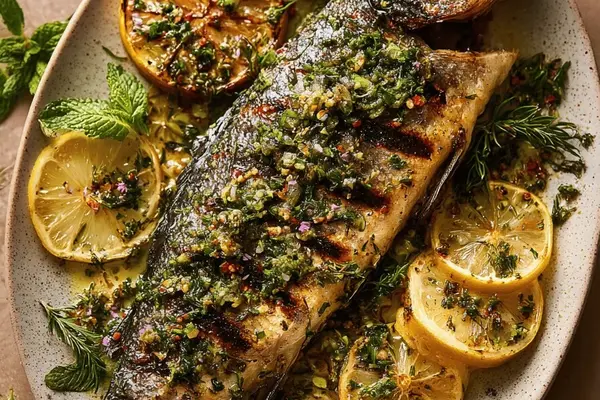
Grilled Whole Sea Bass with Lemon & Herbs
Honey Mustard Dressing Recipe
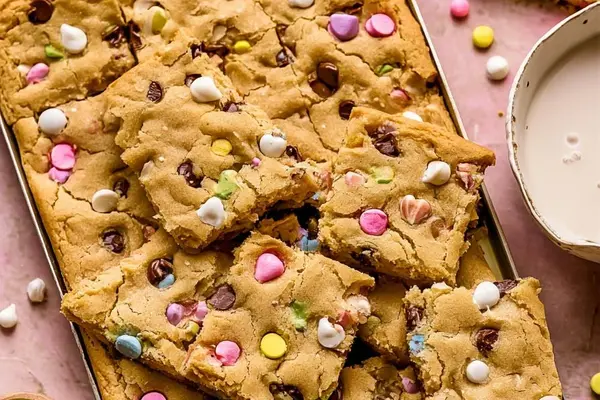
Chewy Chocolate Chip Cookies with Cadbury Eggs
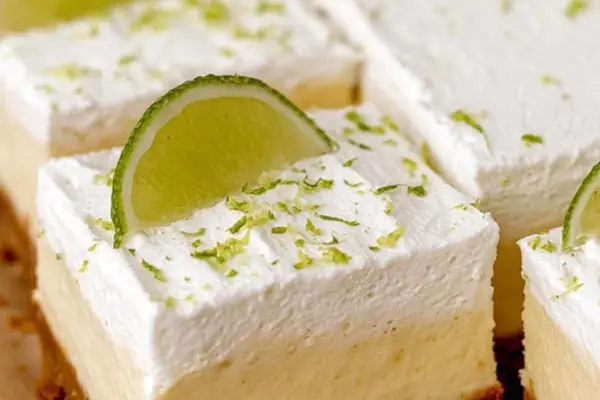
Key Lime Bars with Biscoff Cookie Crust
Grilled Vegetables: Charred Three Bean
Air Fryer Tofu Sandwich with Vegan Cheddar
Grill Salmon Fish with Spicy Mayo Sauce
BBQ Chicken Quesadillas with Pineapple
Taco Chicken in a Crock Pot

Jalapeño Poppers Recipe with Mozzarella
Lemon Crinkle Cookies with Browned Butter
Broccoli Cheddar Soup in Instant Pot
Bacon Ranch Potato Salad
Braised Endives with Maple Syrup
Gyro Sauce Recipe with Greek Yogurt
Banana Nutella Muffins with Pancake Mix
Green Bean Casserole with Bacon & Monterey Jack
Beef Macaroni Bake with Cheddar Mozzarella