Easy Beef Wellington with Mushroom Duxelles
E
By Emma
Certified Culinary Professional
•
Recipe tested & approved
Beef Wellington looks impossible. Three pounds of beef tenderloin wrapped in mushroom duxelles, prosciutto, and puff pastry. Sounds like restaurant kitchen work. Had a dinner party once, thought I’d mess it up completely. Turned out perfect. Forty-five minutes of actual hands-on time, most of it just waiting for things to cool or chill. The beef Wellington dish comes together faster than you’d think if you don’t overthink the layers.
Why You’ll Love This
Takes 67 minutes total. Thirty-five minutes prep, thirty-two minutes cooking. Most of that is passive—cooling, chilling, resting. You’re not standing there the whole time.
Holiday dinner. Party centerpiece. Fillet Wellington is the kind of main dish people talk about after. Roasted beef tenderloin wrapped in golden pastry. Looks like you spent all day on it.
Beef stroganoff gets boring. This doesn’t. The mushroom duxelles gives you umami without tasting heavy. Prosciutto adds salt and depth. Puff pastry crisps up golden.
No sauce needed. Though a pan sauce never hurts. The meat, duxelles, and pastry are complete on their own.
Mushroom Duxelles: The Foundation
Cremini mushrooms. Eighteen ounces. Finely chopped—use a food processor but pulse it, don’t puree. Thick paste, chunky texture. You want the mushrooms to stay distinct, not turn into mush.
One medium shallot, chopped. Three cloves garlic, minced. Two tablespoons butter. One teaspoon fresh thyme. Half a teaspoon salt, quarter teaspoon black pepper. Quarter cup heavy cream at the end.
The cream isn’t optional. Binds everything together. Makes it spreadable instead of crumbly.
Building Your Beef Wellington
Beef tenderloin. Two and a half to three pounds, center-cut. Coarse salt and black pepper. One tablespoon neutral oil—grapeseed or avocado. Sear it hot.
Eight to ten thin slices prosciutto. They form the moisture barrier between meat and pastry.
Three tablespoons Dijon mustard. Spread thin. Whole grain works if you want texture.
One sheet puff pastry, twelve by twelve inches, thawed. Cold pastry tears. Room temperature pastry works.
Two large eggs, beaten. Egg wash makes the crust dark and crispy.
Butcher’s twine. Keeps the tenderloin from puffing weird during searing.
The Sear, Assembly, and Bake
Tie the tenderloin with butcher’s twine every inch and a half. Keeps it compact. Rub everywhere with salt and pepper. Kosher salt if you have it—sticks better than fine salt.
Heat your skillet smoking hot on medium-high. Add oil. Sear the tenderloin on all sides, including the tips. One minute per side, about four to five minutes total. Dark brown crust. You want to hear that sizzle. That’s the Maillard reaction locking in flavor.
Remove twine. Pat the meat completely dry. Any moisture left makes the pastry soggy. Let it come to room temperature briefly if it came straight from the fridge.
Lay plastic wrap on your cutting board. Arrange prosciutto in overlapping shingled rows. Spread mustard thin over the prosciutto. Layer the cooled mushroom duxelles on top, leaving a one-inch border. That border keeps edges from getting soggy and helps everything seal.
Place the tenderloin at the bottom edge. Use the plastic wrap to roll everything up tight like a log. Seal the seam. The plastic wrap does the work here—let it do the work.
Wrap it again in plastic wrap if you want extra security. Chill forty to sixty minutes. The pastry needs to firm up or it flops in the oven.
Preheat oven to 400 degrees. Line a baking sheet with parchment. Unwrap the Wellington. Place it seam side down on the sheet.
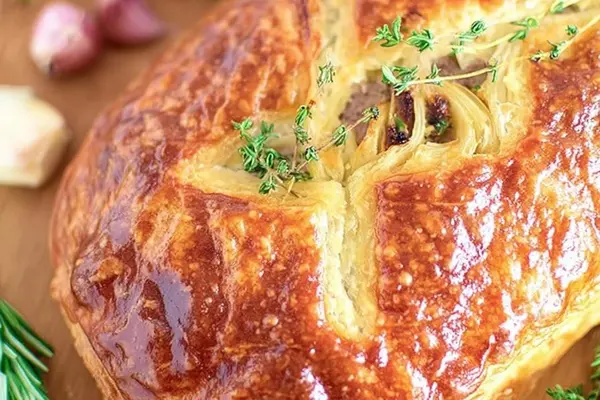
Cut decorative shapes from leftover pastry scraps if you saved them—leaves, diamonds, whatever. Brush them with egg wash and stick them on top. Otherwise score the top lightly with a paring knife to vent steam and create a pattern. Brush the entire surface with egg wash. Deep, even color from that egg wash.
Bake twenty-eight to thirty-two minutes. The pastry golden and puffed. Watch the edges—if they brown too fast, cover with foil. The timing varies depending on your oven and how thick your beef is. Trust what you see. Pale pastry means undercooked. Too dark means burnt.
Transfer to a rack when it comes out. Rest for a minimum of fifteen minutes. This is non-negotiable. The meat’s still cooking from residual heat. Let it settle. Slice it hot and it bleeds everywhere. Wait fifteen minutes and it stays tender and moist.
Slice thick with a serrated knife. Serve with optional brown gravy or red wine sauce. Stroganoff sauce works too if you have it made. The Wellington stands alone though.
Common Mistakes to Fix
The biggest beef Wellington mistake is skipping the chill. Puff pastry needs firmness or it spreads in the oven instead of puffing. Forty-five minutes minimum.
Soggy pastry comes from three things: not drying the mushroom duxelles enough, not patting the seared meat dry, or not cooling the duxelles before assembly. Fix any one of those and pastry stays crispy.
Don’t overlap the pastry too much when rolling. Thick layers cook unevenly. You’ll get raw dough in some spots and burnt in others. Trim excess and wrap tight.
Undercooked meat happens when the tenderloin isn’t seared properly or the oven runs cool. A meat thermometer helps. One hundred twenty-five degrees Fahrenheit is medium-rare inside the beef. The pastry still bakes to golden, the meat stays pink.
The duxelles breaks if you don’t sauté it long enough. Twelve minutes minimum until all the moisture evaporates. Watch for the sizzling sound to fade. When it’s quiet, the water’s gone.
Easy Beef Wellington with Mushroom Duxelles
Prep:
35 min
Cook:
32 min
Total:
67 min
Servings:
10 servings
Ingredients
- Duxelles Mushroom Paste
- 18 ounces cremini mushrooms or substitute mixed wild mushrooms, finely chopped
- 1 medium shallot, chopped
- 3 cloves garlic, minced
- 2 tablespoons unsalted butter
- 1 teaspoon fresh thyme leaves
- 1/2 teaspoon salt
- 1/4 teaspoon black pepper
- 1/4 cup heavy cream
- Tenderloin
- 1 (about 2 1/2 to 3 pounds) center-cut beef tenderloin
- Coarse salt and freshly ground black pepper
- 1 tablespoon neutral oil like grapeseed or avocado
- 8-10 thin slices prosciutto
- 3 tablespoons Dijon mustard, or substitute whole grain mustard for added texture
- 1 sheet puff pastry, thawed (about 12x12 inches), plus extra for decoration
- 2 large eggs, beaten for egg wash
- Butcher’s twine
Method
- Duxelles Mushroom Paste
- 1 Start with large food processor, pulse mushrooms, shallot and garlic till thick paste. Too much chopping swamps the pan with moisture. The paste should be chunky-fine, not puree. Let the mushrooms breathe in the pan later to dry fully.
- 2 Heat butter in medium skillet over medium, dump mushroom paste in. Sauté, stir occasionally, about 12 minutes. Watch moisture escape with sizzling sound. When no water pools, paste shrinks and darkens. That dryness is key or soggy Wellington follow.
- 3 Stir in thyme, salt, pepper. Pour cream over and fold in. Cream binds the dry mushroom bits into a thick spreadable paste. Remove from heat, cool completely. Still warm makes pastry soggy. Patience here pays off.
- Preparing Tenderloin
- 4 Tie the tenderloin with butcher's twine every 1 1/2 to 2 inches to keep shape. Without twine it puffs weird and cooks unevenly. Rub generously with salt and pepper. I use kosher salt; helps crust before sear.
- 5 Heat skillet to smoking point on med-high; add oil unless seasoned cast iron is your weapon. Sear tenderloin on each side including tips, about 1 minute per side, total 4-5 minutes. You want dark brown crust, not gray. Hear that sear? That’s flavor locked in.
- 6 Cut twine off, discard. Pat tenderloin dry with paper towels—no residual moisture or pastry gets soggy. Bring to room temp briefly if fridge-cold, speeds even cooking.
- Assembling Wellington
- 7 Lay large piece of plastic wrap on cutting board vertically. Roll out puff pastry to overlap slightly, pinch edges. Arrange prosciutto slices in single overlapping layer, shingled like roof tiles. Thin, even layer is foundation here.
- 8 Spread Dijon mustard thinly over prosciutto. I swapped plain for whole grain sometimes; texture kicks up a notch. Then spread cooled mushroom paste evenly, keep a 1-inch border clear around edges – stopping edge sogginess and it sticks better.
- 9 Place tenderloin at bottom edge of prosciutto-mushroom wrap. Using plastic wrap edges, roll tightly into log shape, pressing ends to seal. Trim excess pastry but don’t overlap too much or it cooks unevenly, undercooked in thick spots.
- 10 Pinch ends closed, tuck under tenderloin. Optionally wrap again in plastic wrap and twist ends. Chill wrapped log 40-60 minutes. Chill firms shape and sets layers. No chilling, puff pastry flops in oven.
- 11 Preheat oven to 400F (204C). Line baking sheet with parchment. Unwrap tenderloin and place seam side down on tray.
- 12 If you saved puff pastry scraps, cut decorative shapes like leaves or diamonds; attach on top with egg wash. Otherwise score top lightly with paring knife to vent steam and create pattern. Egg wash glues crust and adds deep color.
- 13 Brush entire pastry surface with egg wash. Bake 28-32 minutes till pastry golden brown and puffed. Watch edges; cover with foil if browning too fast. Timing varies with size. Use pastry color and firmness to judge doneness; too pale means undercooked pastry, too dark means burnt.
- 14 Remove from oven, transfer carefully to rack. Rest for minimum 15 minutes before slicing with serrated knife. Don’t skip rest; hot meat loses juices, slicing later keeps tender and moist.
- 15 Serve thick slices with optional brown gravy or red wine sauce. Pan sauces add punch but the Wellington can stand solo.
- ====
Nutritional information
Calories
570
Protein
31g
Carbs
18g
Fat
39g
Frequently Asked Questions
Can I make this ahead of time? Assemble it completely, wrap it in plastic, chill it overnight. Bake straight from the fridge—add a few minutes to the bake time, maybe thirty-five instead of thirty-two. Cold pastry takes longer.
What’s the difference between this and beef stroganoff? Stroganoff is braised beef in a creamy sauce. This is seared beef wrapped in pastry. Different technique, different result. Stroganoff’s comfort food. This is dinner party beef.
Can I use a slow cooker instead? No. A slow cooker would steam the pastry and turn the beef gray. You need the oven sear and the hot oven bake. This isn’t a slow cooker recipe.
How do I know if the beef is cooked through? Meat thermometer. One twenty-five degrees Fahrenheit is medium-rare. One thirty-five is medium. One forty-five is medium-well. Don’t go past one forty-five or it dries out. The thermometer doesn’t lie.
What if my pastry tears while wrapping? Patch it with a scrap of pastry and egg wash. Stick it down, brush with more egg wash, keep going. It bakes together fine. The tear disappears once it puffs.
Can I substitute the puff pastry with something else? Phyllo dough works if you layer it thin with butter. Croissant dough works. Regular pie dough doesn’t have the same puff. Not worth it.
Does the beef Wellington dish need sauce? No. Beef stroganoff needs sauce. This has mushroom, prosciutto, pastry. Complete on its own. A pan sauce from the drippings adds punch but isn’t required.
How long does it keep? Leftovers last three days in the fridge. Reheat in a 325-degree oven for ten minutes covered with foil. Don’t microwave it or the pastry gets rubbery.
You’ll Love These Too
Explore all →
Best Ways To Make Lobster Tails

Chicken Pot Pie with Carrots & Leek
Caramelized Onion Dip Recipe with Gouda

Mugcake Recipe: Chocolate in Minutes
Vegetarian Slow Cooker Meals with Potatoes

Tequila Sour Cocktail Recipe
Grilled Red Snapper with Lemon and Garlic
Spaghetti Recipe Baked with Meat Sauce
Creamy Cucumber Salad with Sour Cream

Chipotle Three Cheese Toast with Smoky Gouda

Kahlua Chocolate Cheesecakes with Oreo Crust
Wendy's Apple Pecan Salad Recipe
BBQ Chicken Quesadillas with Pineapple

Air Fryer Goat Cheese Salad with Kale
Fruit Cake with Raisins, Cherries & Spices
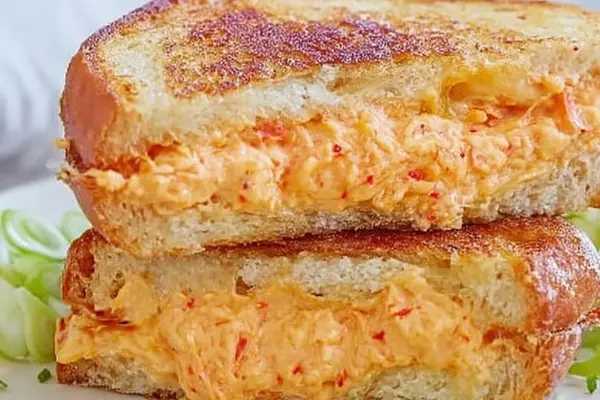
Chunky Pimento Melt with Bacon & Cheddar
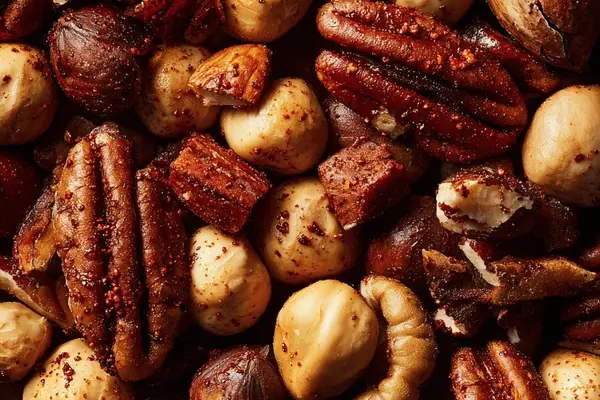
Microwave Toasted Nuts with Smoked Paprika
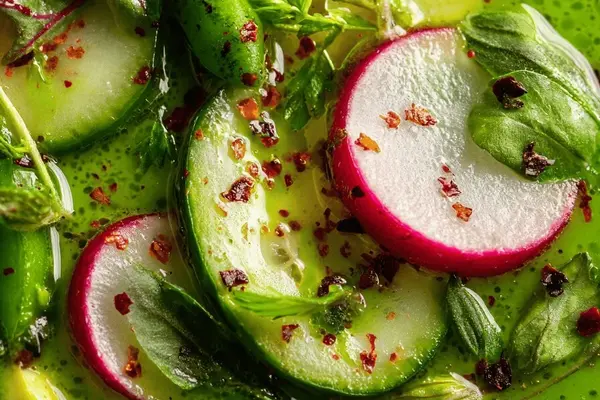
Chilled Green Pea Soup with Cucumber
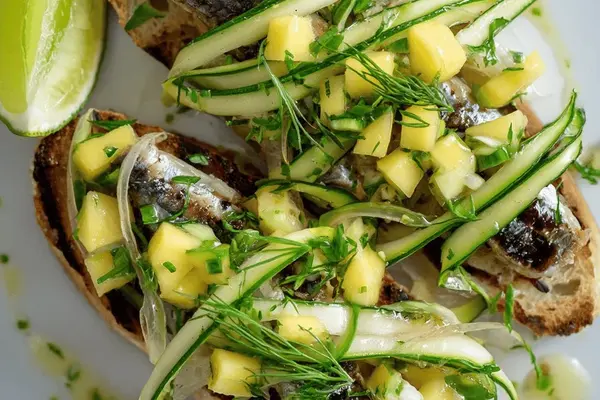
Grilled Sardine Toasts with Green Mango