
Easy Minestrone Soup
By Emma
Certified Culinary Professional
·
Recipe tested & approved
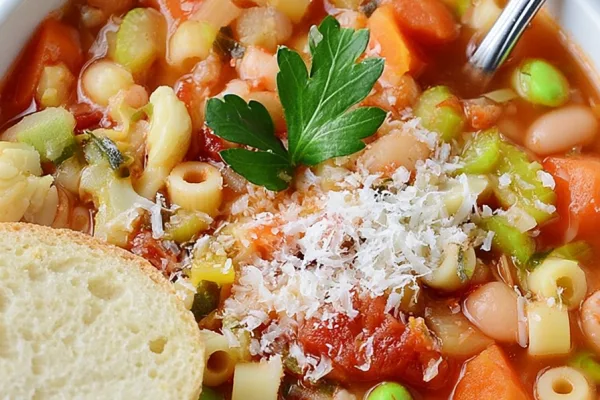
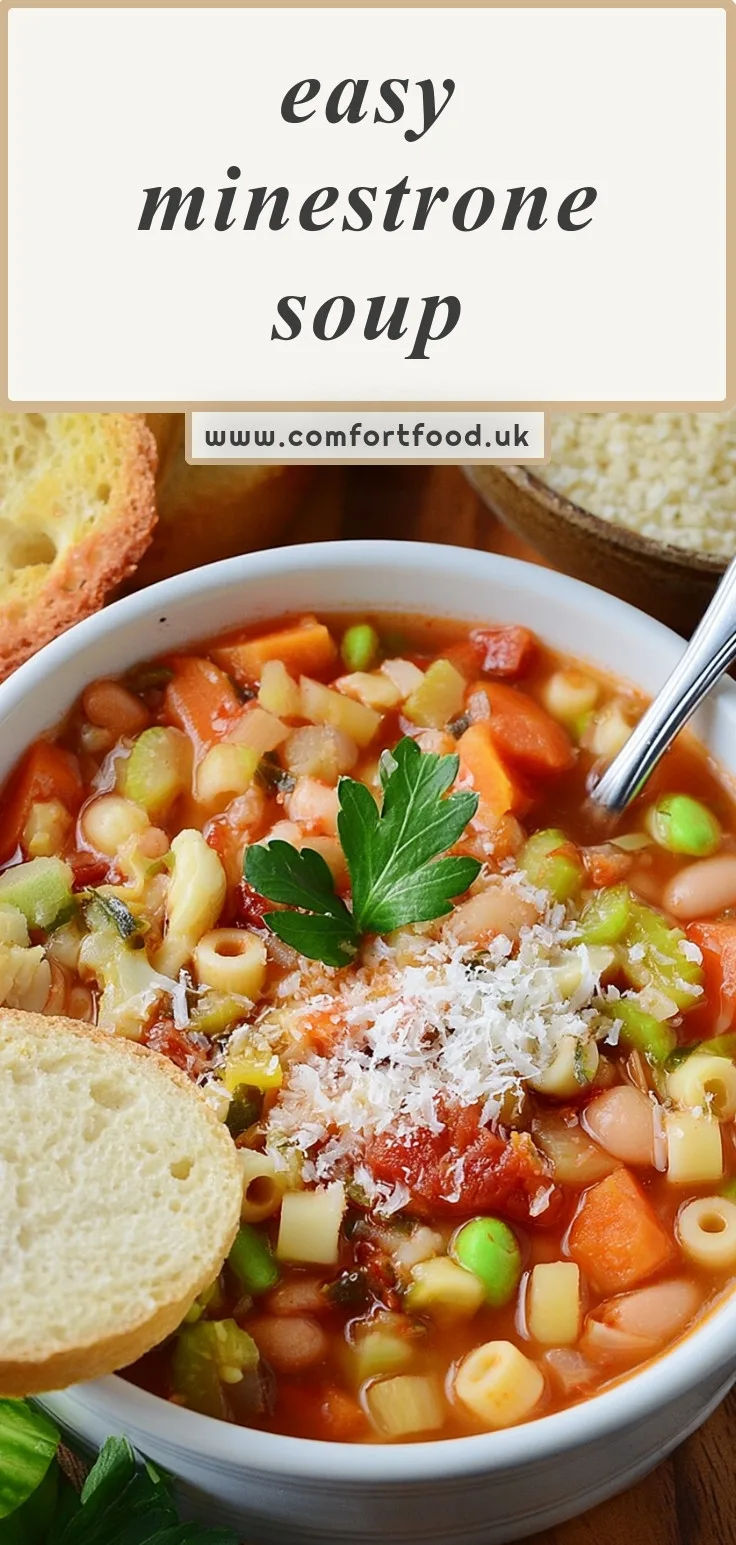
Easy Minestrone Soup combines vegetable broth, pasta sauce, fresh vegetables, and cannellini beans with Parmesan cheese and lemon juice for a hearty 45-minute meal serving six.
Prep:
15 min
Cook:
30 min
Total:
45 min
Servings:
6 servings
I don’t think I ever planned to keep making this but here we are. It’s one of those things where you try it once because you have vegetables sitting around and then it just keeps happening every couple weeks.
Why You’ll Love This Recipe
- You probably have half this stuff already, which makes it feel less like a project
- The pasta sauce does a lot of heavy lifting so you’re not building flavor from scratch for an hour
- Everything goes into one pot and you’re not juggling three burners trying to time things
- It reheats better than it has any right to—day two is honestly better
- You can skip the cheese if someone’s dairy-free and it still works, though I wouldn’t
- That lemon juice at the end isn’t optional, it completely changes the soup from flat to something you actually want to eat
The Story Behind This Recipe
Last Tuesday I got home around 6:30 and realized I had a zucchini that was going to turn if I didn’t use it. I also had that jar of Prego sitting there because I bought two for pasta earlier in the month and only used one. I’ve made minestrone soup recipe versions before but they always involved simmering tomatoes for ages or making stock from scratch, and I just wasn’t doing that on a weeknight. So I started throwing things in a pot with the pasta sauce as a base. The cannellini beans were a last-minute add because I remembered I had them in the pantry. It came together in about 45 minutes, which felt reasonable for a vegetable soup Italian style that actually tasted like something. I wrote it down while eating because I knew I’d forget the order I added things.
What You Need
You’re starting with 2 tablespoons of olive oil because that’s enough to coat the bottom of your pot without making everything greasy. A medium onion gets diced and you need 2 cloves of garlic minced, not chopped big or you’ll bite into a chunk later. One medium carrot and 2 stalks of celery both get chopped into pieces that’ll cook at the same rate as everything else. The zucchini I used was about 8 inches long, chopped into half-inch chunks that hold their shape.
Then there’s that 24-ounce jar of Prego Traditional Pasta Sauce, which is doing most of the tomato work here so you’re not opening cans and adding paste and trying to balance acidity. You’ll need 4 cups of vegetable broth, the kind that comes in a carton works fine. One 15-ounce can of cannellini beans gets drained and rinsed because that liquid is starchy and weird.
The pasta is 1 1/2 cups already cooked al dente, so make it earlier or use leftovers. I used small shells. You need 1/2 cup of grated Parmesan cheese for stirring in, plus more for topping because people will want it. That tablespoon of fresh lemon juice at the end isn’t a suggestion, it’s the thing that makes this minestrone soup recipe taste awake instead of flat. Salt and black pepper you’ll adjust at the end, and crusty rolls for serving if you want something to dunk.
How to Make Easy Minestrone Soup
Heat your olive oil in a large saucepan or Dutch oven over medium heat. Once it’s shimmering a little, add the diced onion and minced garlic and cook them, stirring pretty often, until they soften and start smelling really good, which takes about 3 to 4 minutes. You’ll know it’s ready when the onion goes translucent and the garlic stops smelling sharp.
Add your chopped carrot celery and zucchini all at once. Cook them over medium heat until they lose that raw crunch but they’re still a little firm, about 3 to 4 more minutes. You’ll hear a soft sizzle and see the edges starting to tenderize, which is your cue they’re ready for liquid.
Pour in the whole jar of Prego Traditional Pasta Sauce, then follow it with the 4 cups of vegetable broth. Stir everything until it blends uniformly and doesn’t have streaks of sauce sitting on top, then bring it to a gentle simmer. Don’t crank the heat or it’ll boil too hard.
Keep the soup simmering and you’ll notice the aroma deepening as everything cooks together. About ten minutes before you want to eat, add the rinsed cannellini beans, your cooked pasta that still has a firm bite, and the 1/2 cup of Parmesan cheese. Stir it carefully so the cheese melts into the soup without clumping into one gummy mass in the corner of your spoon.
Continue heating until the soup is piping hot throughout but not boiling hard, which should take a few minutes. This step lets the cheese meld and warms the beans and pasta evenly without turning the pasta to mush. When you make this vegetable soup Italian style, that pasta texture matters more than you’d think.
Right before serving, add that tablespoon of fresh lemon juice to brighten everything, then taste and adjust your salt and black pepper. The lemon sharpens the richness and rounds out the whole thing in a way that’s hard to explain until you try it. Ladle the soup into bowls, sprinkle generously with extra Parmesan, and put out crusty rolls or bread on the side to soak up every last bit.
What I Did Wrong the First Time
I added the pasta way too early, like right after the broth, because I thought it needed more time to absorb flavor. By the time I served it the noodles had gone completely bloated and soft and the soup looked more like a thick stew. It wasn’t bad exactly but it was definitely wrong. Now I wait until the last 10 minutes and use pasta that’s already cooked al dente, which keeps everything in the right texture zone. That’s the difference between an easy soup dinner that works and one that just sits heavy.
Easy Minestrone Soup
Prep:
15 min
Cook:
30 min
Total:
45 min
Servings:
6 servings
Ingredients
- 2 tablespoons olive oil
- 1 medium onion, diced
- 2 cloves garlic, minced
- 1 medium carrot, chopped
- 2 stalks celery, chopped
- 1 zucchini, chopped
- 1 jar Prego Traditional Pasta Sauce, 24 ounces
- 4 cups vegetable broth
- 1 (15-ounce) can cannellini beans, drained and rinsed
- 1 1/2 cups cooked al dente pasta
- 1/2 cup grated Parmesan cheese
- 1 tablespoon fresh lemon juice
- Salt and freshly ground black pepper to taste
- Additional Parmesan cheese for topping
- Crusty rolls or bread for serving
Method
- 1 Heat olive oil over medium heat in a large saucepan or Dutch oven. Add diced onion and minced garlic and cook, stirring often, until they soften and release a savory aroma, about 3 to 4 minutes.
- 2 Add chopped carrot, celery, and zucchini. Cook over medium heat until vegetables lose their raw crunch but remain slightly firm, about 3 to 4 minutes; you’ll hear a soft sizzle and see the edges start to tenderize.
- 3 Pour in the Prego Traditional Pasta Sauce followed by the vegetable broth. Stir until everything blends uniformly, then bring to a gentle simmer.
- 4 Keep the soup simmering while you notice the aroma deepen; this stage allows the flavors to intermingle nicely. About ten minutes before serving, add the rinsed cannellini beans, cooked pasta that still has a firm bite, and the Parmesan cheese. Stir carefully so the cheese melts into the soup without clumping.
- 5 Continue heating until the soup is piping hot throughout but not boiling vigorously, which should take a few minutes. This lets the cheese meld and warm the beans and pasta evenly.
- 6 Right before serving, add fresh lemon juice to brighten the flavors, then taste and adjust seasoning with salt and freshly ground black pepper. The lemon sharpens the richness and rounds out the dish.
- 7 Ladle the soup into bowls, sprinkle generously with extra Parmesan cheese, and offer crusty rolls or bread on the side to soak up every last bit.
Nutritional information
Calories
210
Protein
8g
Carbs
28g
Fat
7g
Tips for the Best Easy Minestrone Soup
Don’t drain your Parmesan directly into the pot without stirring first or it’ll sink and weld itself to the bottom in one rubbery disc. I learned that the hard way and had to scrape it off with a wooden spoon while the soup was still hot.
If your zucchini pieces are uneven sizes some will turn to mush while others stay crunchy, so aim for consistency when you’re chopping even if it takes an extra minute. The carrot takes longer to soften than anything else so cut those pieces a bit smaller than the celery and zucchini.
When you’re bringing the soup to a simmer after adding the broth watch for big bubbles breaking the surface, then turn the heat down immediately. A hard boil makes the vegetables fall apart and the sauce tastes sharper instead of rounded.
That lemon juice is acidic enough that if you add it too early it’ll make the soup taste sour instead of bright, so wait until you’re literally about to serve. I keep my lemon on the cutting board next to the stove and squeeze it in while someone’s grabbing bowls.
Serving Ideas
I put out a little bowl of red pepper flakes next to the extra Parmesan because some people want heat and it’s easier than making two batches. A handful of fresh spinach stirred into each bowl right before eating wilts in about thirty seconds and makes it feel less like you’re just eating carbs.
Garlic bread works but honestly a really good sourdough roll torn into chunks and dunked is better because it soaks up the broth without getting soggy instantly. Leftover soup the next day I eat with a fried egg on top, which sounds weird but the yolk mixes into the broth and makes it richer.
Variations
You can swap the cannellini beans for chickpeas if that’s what you have but they don’t break down the same way so the soup stays thinner. White beans get a little creamy around the edges which thickens everything naturally.
If you want to add spinach or kale stir it in with the beans and pasta so it has time to wilt all the way through. I tried adding it at the end once and it was still half-raw and squeaky between my teeth.
Ground Italian sausage browned with the onions turns this into a completely different thing, more of a weeknight easy soup dinner than a vegetable-forward one. You’ll need to drain most of the fat before adding the carrot and celery or it gets greasy.
Using chicken broth instead of vegetable makes it taste less clean somehow, more muddy, though my mom does it that way and doesn’t notice.
FAQ
Can I use a different pasta sauce instead of Prego Traditional?
Any plain tomato-basil style pasta sauce works as long as it’s not chunky with big vegetable pieces already in it. Avoid anything with meat or heavy seasoning like arrabbiata because it’ll overpower the other vegetables you’re adding.
Do I have to cook the pasta separately before adding it to the soup?
Yes, adding raw pasta directly to the soup makes it absorb too much liquid and turns the whole thing starchy and thick. Cook it al dente in a separate pot, drain it and add it at the end when you add the beans.
How long does this minestrone soup recipe keep in the fridge?
It’ll last four days in an airtight container but the pasta keeps soaking up liquid so it gets thicker each day. I add a splash of broth or water when I reheat it to thin it back out.
Can I freeze this soup?
The soup freezes fine for up to three months but the pasta texture gets weird and soft when you thaw it. If you’re planning to freeze it leave the pasta out entirely and cook fresh pasta when you reheat a portion.
What if I don’t have fresh lemon juice?
Bottled lemon juice works but use a little less, maybe 2 teaspoons, because it tastes sharper and more artificial. Fresh is worth it though, a single lemon costs like fifty cents and the difference is obvious.
Can I make this in a slow cooker?
You’d need to brown the onion and garlic in a pan first then transfer everything to the slow cooker with the vegetables, sauce and broth for 4 hours on low. Add the beans, pasta and cheese in the last 20 minutes so the pasta doesn’t disintegrate into mush.
Why is my soup too thin and watery?
You probably added extra broth or didn’t let it simmer long enough for the vegetables to release their flavor. Let it cook uncovered for an extra 10 minutes to reduce the liquid, or mash a few of the beans against the side of the pot to thicken it naturally.
What size pot do I need for this?
A 5-quart Dutch oven or large saucepan works, anything smaller and the liquid will come too close to the top when you add the broth. I’ve tried using a 3-quart pot and it was a mess, soup sloshed everywhere when I stirred it.
Can I skip the Parmesan cheese?
You can leave it out if someone’s dairy-free and the soup still tastes good, just not as rich. The cheese adds a salty umami thing that’s hard to replace but nutritional yeast gets you halfway there if you’re trying to keep it vegan.
How do I know when the vegetables are done in step two?
They should still have a little resistance when you poke them with a fork but not taste raw and crunchy. The zucchini edges will look slightly translucent and the carrot will have lost that bright orange color and faded a bit.
My garlic burned, what did I do wrong?
Your heat was too high or you didn’t stir enough in that first 3 to 4 minutes. Garlic goes from raw to burnt in about thirty seconds once it starts coloring, so keep it moving in the pan and lower the heat if it’s browning faster than the onion is softening.
What kind of pasta works best?
Small shapes like shells, ditalini, or elbow macaroni are best because they fit on a spoon with the vegetables and beans. I tried it with spaghetti broken into pieces once and it was annoying to eat, the long strands didn’t work with the texture of this vegetable soup Italian style.
Can I add other vegetables?
Green beans, diced tomatoes or small pieces of potato work if you add them with the carrot and celery so they have enough time to cook through. Mushrooms get slimy in this soup so I’d skip those.
Why does my soup taste flat even after I added salt?
You forgot the lemon juice or you added it too early and it cooked off. That tablespoon of acid at the very end is what makes everything taste awake instead of one-note, so squeeze it in right before you serve and taste again.
How much salt should I add at the end?
Start with half a teaspoon, stir, taste, then add more if you need it. The Parmesan and pasta sauce both have salt already so you might not need as much as you think, I usually end up adding about 3/4 teaspoon total.
Can I use dried basil or Italian seasoning?
The Prego sauce already has herbs in it so you don’t really need to add more, but a teaspoon of dried Italian seasoning stirred in with the vegetables won’t hurt. Fresh basil torn on top when serving is better than dried though.
What if I only have diced tomatoes instead of pasta sauce?
You’d need to use a 28-ounce can of crushed tomatoes plus a teaspoon of dried basil, half a teaspoon of oregano and a pinch of sugar to get close to what the pasta sauce does. It works but it’s more steps and you lose that thick coating the Prego gives everything.
How do I reheat this without overcooking the pasta?
Reheat it gently on the stove over medium-low heat, stirring often, and pull it off as soon as it’s hot all the way through. Microwave works too but do it in one-minute intervals and stir between or the edges get burning hot while the center stays cold.
My soup is too thick the next day, how do I fix it?
Stir in vegetable broth or water a quarter cup at a time until it loosens up to the consistency you want. The pasta absorbs a ton of liquid overnight so this happens every time, it’s not something you did wrong.
You’ll Love These Too
Explore all →
Vegan Ice Cream with Coconut Cream
Pan Seared Chicken Breast with Chorizo

Cosmopolitan Drink Recipe with Cranberry Vodka
Strawberry Rhubarb Crisp with Buttery Crust

Crispy Garlic Buffalo Wings Recipe
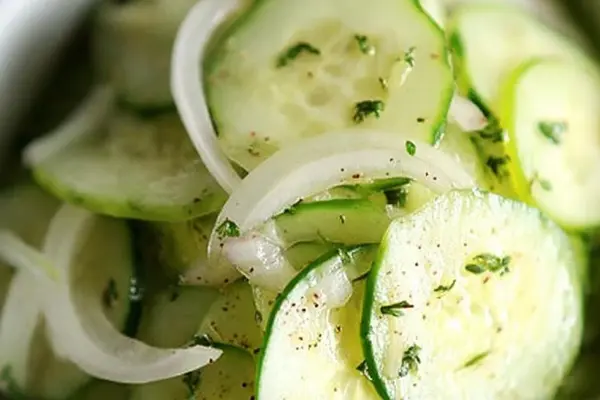
Cucumber Red Onion Salad Recipe

Pitcher Paloma Remix with Yuzu & Grapefruit

Sous Vide Carrots with Butter and Shallots
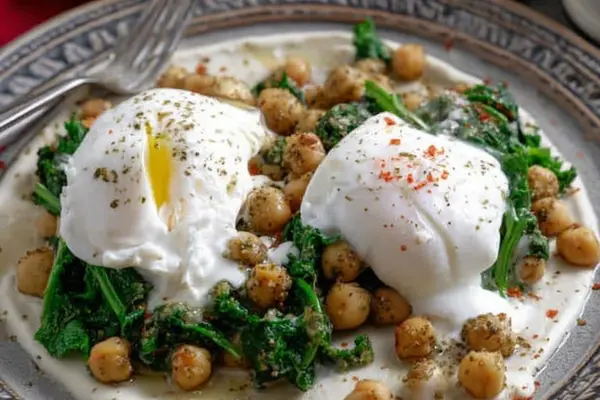
Poaching Eggs Recipe with Za'atar Chickpeas

Amaretto Peanut Butter Pie Recipe No Bake

Molasses Banana Cookies with Cinnamon
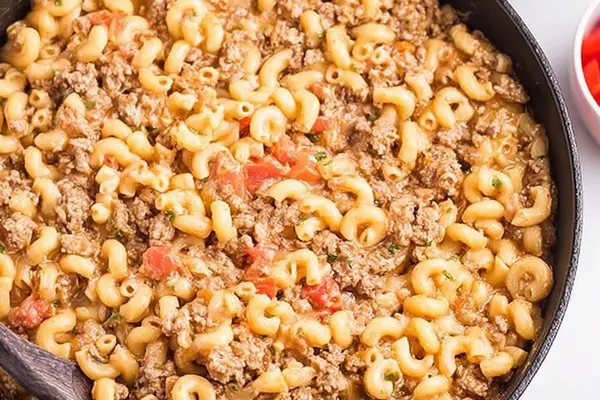
Beef Mac Skillet with Cheddar & Tomatoes

Cookie Monster Cupcakes with Buttermilk

Strawberry Short Cake with Mascarpone
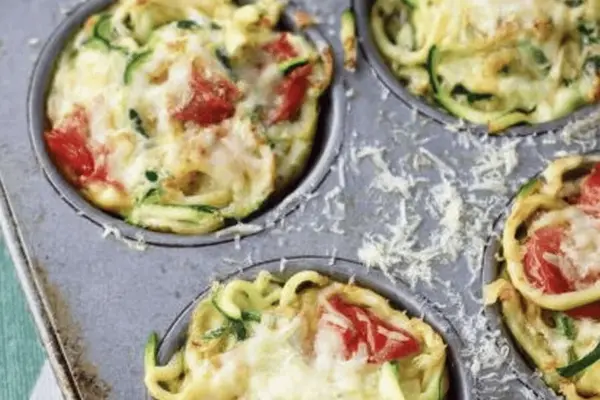
Egg Muffins with Zucchini and Cheese

Caramel White Chocolate Tangerine Tart
Beef Gnocchi with Smoked Paprika
Vegetable Broth Recipe with Smoked Paprika

Peanuts Roasted with Hot Honey Chex Mix