
Easy Mongolian Beef
By Emma
Certified Culinary Professional
·
Recipe tested & approved
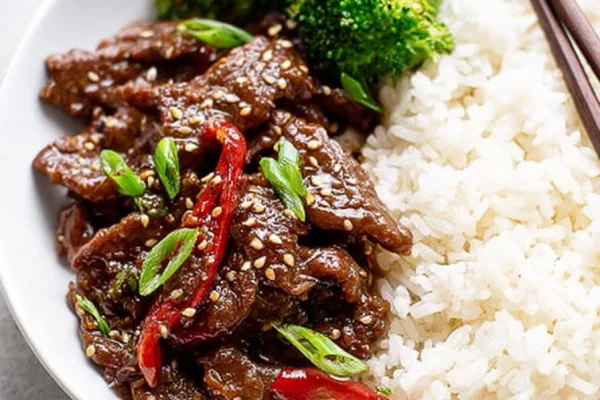
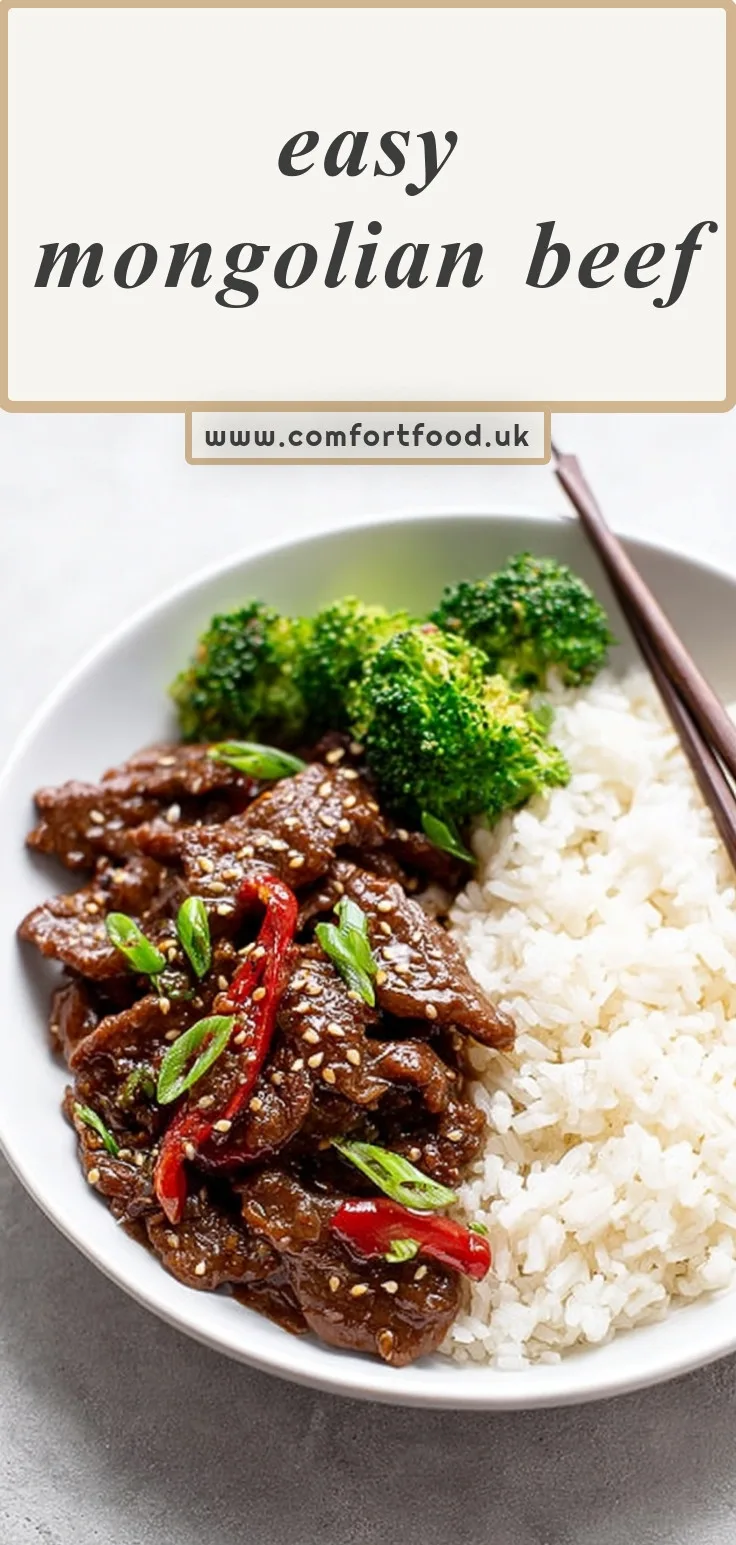
Easy Mongolian Beef uses thin flank steak coated with cornstarch, soy, and baking soda for tender crispness, stir-fried with garlic, ginger, and a glossy sweet-savory sauce. Serve with green onions and sesame seeds over rice and broccoli.
Prep:
15 min
Cook:
15 min
Total:
30 min
Servings:
6 servings
I made this Mongolian beef recipe last Tuesday and it’s honestly one of those things that tastes way better than the effort you put in. The flank steak gets this crispy edge but stays tender inside, and the sauce is sticky and sweet without being cloying.
Why You’ll Love This Recipe
- Ready in 30 minutes, which is faster than most takeout
- The cornstarch and baking soda trick makes cheap flank steak feel expensive
- You get actual crispy bits on the beef that don’t turn soggy in the sauce
- Brown sugar and soy sauce create this glaze that clings to everything instead of pooling at the bottom
- It’s a beef stir-fry that doesn’t taste flat or one-note
- Green onions and sesame seeds add just enough freshness so it doesn’t feel heavy
The Story Behind This Recipe
I started making this because I got tired of ordering Mongolian beef and getting those weird chewy strips that taste more like the sauce than actual meat. Wanted something I could control. Also my grocery store always has flank steak on sale and I needed more ways to use it that weren’t tacos or fajitas.
Tried a bunch of versions but most skipped the baking soda step, which I think is the whole point—it breaks down the meat just enough that you don’t need to marinate for hours. I tested this after work on a Tuesday when I had maybe 40 minutes before I needed to eat, and it actually worked. The sauce thickened faster than I expected, which was a nice surprise since I’m used to watery stir-fry disappointments.
What You Need
You’ll need 1 1/2 pounds of flank steak sliced thin—not thick chunks, actually thin like maybe a quarter inch or less. The thinner you go the faster it cooks and the better that crispy edge develops. For coating the meat you need 1/3 cup cornstarch, 1 tablespoon soy sauce, and 1/4 teaspoon baking soda, which sounds weird but it’s the thing that makes cheap beef stop being chewy.
Vegetable oil is your frying fat—start with 2 tablespoons but keep the bottle nearby because you’ll probably need more between batches. For aromatics grab 3 cloves of garlic and 1 tablespoon fresh ginger, both minced. Don’t use the jarred stuff here because fresh ginger has this snap that jarred just doesn’t.
The sauce is 1/2 cup packed brown sugar, 1/4 cup soy sauce, 1/2 cup beef broth and 1 teaspoon sesame oil. That ratio matters—less brown sugar and it tastes too salty, more and it’s like candy. Finish with 4 green onions sliced, 1 tablespoon sesame seeds, and 4 dried red chilies if you want heat. I skipped the chilies on Tuesday because I didn’t have any and it was still really good, so they’re truly optional.
How to Make Mongolian Beef
Mix your thin flank steak slices with the cornstarch, 1 tablespoon soy sauce and baking soda using your fingers to coat each piece. Shake off extra cornstarch or it gets gummy in the pan. Let this sit for 10 minutes while you prep everything else—the baking soda needs time to do its thing and the cornstarch needs to stick properly.
Get your wok over medium heat with 2 tablespoons vegetable oil until it shimmers and you almost hear it sizzle. Sear the beef in batches for about 1 minute per side—edges should get crisp and golden brown but the middle stays a little rosy. Don’t crowd the pan or you’re steaming instead of searing. Set each batch on a plate and add more oil as you go because the cornstarch drinks it up fast.
Toss the minced garlic and ginger into the wok and stir constantly for 45 seconds to 1 minute. You’ll smell it before you think you should—that’s when you know it’s ready. If it starts browning too fast just pull the wok off the heat for a second.
Pour in the brown sugar, 1/4 cup soy sauce, beef broth and sesame oil all at once. Whisk it together and let it come up to a gentle simmer—it’ll look thin at first but starts thickening as it heats. I noticed the brown sugar clumps for a second before dissolving, so just keep stirring and it smooths out.
Add the beef back in and fold it through the bubbling sauce so every piece gets coated. Throw in your sliced green onions and dried red chilies if you’re using them. Keep tossing for 3 to 4 minutes until the sauce goes from runny to glossy and clings to the beef instead of sliding off. The beef stir-fry finishes cooking during this step so don’t rush it.
Sprinkle sesame seeds over everything and serve it right away over steamed rice with broccoli on the side. The sauce will keep thickening as it sits so honestly it’s best eaten immediately while it’s still loose enough to coat your rice properly.
What I Did Wrong the First Time
I seared all the beef at once because I was impatient and didn’t want to do batches. Big mistake—it steamed instead of crisping and turned gray and sad. The whole point of that cornstarch coating is getting it crunchy but you can’t do that if the pan’s crowded and the temperature drops. Had to restart with fresh oil and do it right, which added 10 minutes I didn’t have. Also I didn’t pack the brown sugar when measuring and the sauce came out less thick and more salty than it should’ve been.
Easy Mongolian Beef
Prep:
15 min
Cook:
15 min
Total:
30 min
Servings:
6 servings
Ingredients
- 1 1/2 pounds flank steak, thinly sliced
- 1/3 cup cornstarch
- 1 tablespoon soy sauce
- 1/4 teaspoon baking soda
- 2 tablespoons vegetable oil, plus more as needed
- 3 cloves garlic, minced
- 1 tablespoon fresh ginger, minced
- 1/2 cup packed brown sugar
- 1/4 cup soy sauce
- 1/2 cup beef broth
- 1 teaspoon sesame oil
- 4 green onions, sliced
- 4 dried red chilies (optional)
- 1 tablespoon sesame seeds
Method
- 1 Combine the thin flank steak slices with cornstarch, 1 tablespoon soy sauce, and baking soda. Use your fingers to lightly coat each piece evenly, shaking off any extra cornstarch. Set aside and let rest for 10 minutes. This tenderizes and primes the meat for crisping.
- 2 Heat 2 tablespoons of vegetable oil in a wok over medium heat until it shimmers and you can almost hear it sizzle. Quickly sear the flank steak in batches, about 1 minute per side, until the edges turn crisp and golden brown but the interior remains rosy. Set each batch aside on a plate, adding more oil as needed. Don’t worry that it’s not fully cooked yet.
- 3 Drop the minced garlic and ginger into the wok, stirring constantly for 45 seconds to 1 minute until fragrant bubbles rise and the aroma fills the kitchen—watch carefully so nothing burns.
- 4 Stir in the brown sugar, 1/4 cup soy sauce, beef broth, and sesame oil. Whisk everything together and bring the sauce up to a gentle simmer; it will start to thicken as you go.
- 5 Return the seared beef to the wok, folding it through the bubbling sauce so it gets coated thoroughly. Add the sliced green onions and dried red chilies if using. Continue cooking and tossing until the sauce glosses over the beef and thickens noticeably—about 3 to 4 minutes.
- 6 Finish by sprinkling the dish with sesame seeds. Serve immediately over freshly steamed rice and bright green broccoli for a balance of texture and flavor.
Nutritional information
Calories
320
Protein
28g
Carbs
23g
Fat
14g
Tips for the Best Mongolian Beef
Slice your flank steak against the grain or it’ll be chewy no matter how much baking soda you use. I always stick mine in the freezer for 15 minutes before slicing because it firms up and you get cleaner cuts.
Don’t rinse the cornstarch coating off before cooking even if it looks chalky. That dusty layer is what turns into the crunchy shell when it hits hot oil, and if you rinse it you’re back to plain wet beef.
Your wok needs to stay hot between batches so crank the heat back up after you pull each round of beef out. I noticed the second batch always cooked faster than the first because the pan held its temperature better once it got going.
Use a metal spatula instead of wooden spoons for this because you need to scrape up those sticky brown bits from the bottom when the sauce goes in. They add flavor and help thicken everything without extra cornstarch slurry.
The sauce hits the right consistency right when it stops looking watery and starts leaving a trail on the back of your spoon. Pull it off heat then because it keeps thickening on the plates.
Serving Ideas
I ate mine over jasmine rice with steamed broccoli but it’s also really good tucked into flour tortillas with shredded cabbage for a weird fusion thing that shouldn’t work but does. My roommate tried it over crispy chow mein noodles and said the crunch-on-crunch texture was actually great.
Fried rice works better than plain rice if you have leftovers to use up. The sauce soaks into the grains without making them mushy like it does with fresh steamed rice sometimes.
You could also serve this Mongolian beef over zucchini noodles if you’re doing that low-carb thing but add the zoodles at the very end or they’ll get soggy and sad.
Variations
Chicken thighs work if you don’t eat beef but they don’t crisp up the same way so I’d cut them smaller and cook them a bit longer. The sauce is sweet enough that it covers up the fact that chicken’s blander than flank steak.
Swap half the brown sugar for honey and you get this deeper almost floral sweetness that’s less one-note. I tried it once by accident when I ran out of brown sugar and it was different but not bad.
Throw in snap peas or bell peppers with the green onions if you want more vegetables but they release water so your sauce won’t be as thick. I’d add them earlier during the garlic-ginger step so they have time to cook off some moisture before the beef goes back in.
Sriracha mixed into the sauce gives you heat without hunting down dried chilies. Start with a teaspoon and taste as you go.
FAQ
Can I use a different cut of beef instead of flank steak?
Skirt steak works almost as well and it’s sometimes cheaper. Sirloin’s fine if you slice it really thin but it doesn’t have that same beefy chew that flank gives you. Don’t use stew meat because it’s cut too thick and won’t crisp up properly.
Do I really need the baking soda or can I skip it?
You can skip it but your beef won’t be as tender and you’ll notice the difference if you’re using a tougher piece of flank steak. It’s like a quarter teaspoon so it’s not a big commitment and it actually makes cheap meat taste less cheap.
What if I don’t have a wok?
A big skillet works fine as long as it’s not nonstick because you need high heat and most nonstick coatings can’t handle it. Cast iron’s great if you have it but it holds heat so well you might need to pull it off the burner between batches so the garlic doesn’t burn.
Can I make this ahead or does it need to be fresh?
You can prep the beef with its coating and keep it in the fridge for a few hours before cooking. The sauce reheats okay but the crispy edges on the beef turn soft once it sits in liquid so it’s not really the same dish the next day.
How do I store leftovers and how long do they last?
Put it in an airtight container in the fridge and it’ll keep for 3 days. The beef soaks up all the sauce as it sits so when you reheat it you might want to add a splash of beef broth or water to loosen things up.
What’s the best way to reheat this beef stir-fry?
Wok or skillet over medium heat with a tiny bit of oil brings it back better than the microwave. Microwave makes the beef rubbery and doesn’t help the texture at all.
Can I freeze Mongolian beef?
Technically yes but the cornstarch coating gets weird and grainy after freezing and thawing. If you’re gonna freeze it I’d freeze the raw marinated beef separately from the sauce and cook it fresh when you’re ready.
Why did my sauce stay watery instead of thickening?
You either didn’t let it simmer long enough or your heat was too low. It needs to actually bubble to reduce and thicken. Also if you added the beef back in too early before the sauce had a chance to concentrate it won’t get as thick.
Can I use low-sodium soy sauce?
Yeah but you’ll probably need to add a pinch of salt at the end because the sauce won’t have enough savory punch. I’ve done it both ways and regular soy sauce tastes more balanced without extra tweaking.
What if I can’t find fresh ginger?
Jarred minced ginger works in a pinch but use about half the amount because it’s stronger and has this vinegary aftertaste that fresh doesn’t have. Ginger paste from a tube is better than jarred if you can find it.
Do the dried red chilies make it really spicy?
Not really—they add more visual heat than actual burn especially if you leave them whole. If you bite into one directly you’ll feel it but mostly they just flavor the sauce without making your mouth hurt.
Can I double this recipe?
You can double the ingredients but you’ll need to cook the beef in even more batches or the pan will be too crowded. I’d honestly just make two separate pans of it instead of trying to cram everything into one wok.
Why do I need to shake off extra cornstarch?
Too much cornstarch clumps up in the hot oil and makes this gummy paste instead of a crispy coating. Just a light dusting is all you need and the excess falls off when you shake each piece over the bowl.
How thin should I actually slice the flank steak?
Like a quarter inch or thinner if you can manage it. I hold my knife at a slight angle and do long strokes instead of sawing back and forth. If your slices are too thick they won’t cook through during that quick sear and they’ll be tough.
Can I use chicken broth instead of beef broth?
Sure, it just won’t taste as rich and beefy. Chicken broth makes it lighter which isn’t bad just different from what you’d expect from Mongolian beef at a restaurant.
What happens if I use too much oil when searing?
The beef will fry instead of sear and you’ll end up with greasy meat that doesn’t have those crispy edges. You want just enough oil to coat the bottom of the pan thinly not a pool.
How do I know when the garlic and ginger are done cooking?
Your kitchen will smell really strong and good, that’s the main sign. If you see the garlic starting to turn brown at the edges you’ve gone a few seconds too far but it’s usually still fine.
Can I add vegetables to this quick Chinese dinner?
You can but add them early with the garlic so they have time to cook and don’t water down your sauce at the end. Broccoli, snap peas, or sliced onions all work if you cut them small enough to cook fast.
Is there a substitute for sesame oil?
Not really—it has this nutty toasted flavor that regular oil doesn’t have and it’s kind of the thing that makes it taste like takeout. You only need a teaspoon so one bottle lasts forever anyway.
Why is my beef gray instead of brown after searing?
Your pan wasn’t hot enough or you crowded it so the beef steamed in its own moisture instead of getting a sear. Let the oil shimmer and almost smoke before you add the beef and give each piece space to breathe.
You’ll Love These Too
Explore all →
Seared Pork Filets with Mango Chutney
Peppermint Chocolate Brownies with Dark Chocolate

Making Sugar Cookies with Royal Icing

Saffron Rice with Shrimp and Smoked Sausage
Slow Cooker Chicken Tacos with Cream Cheese
Balsamic Steak Kabob Marinade
Crispy Baked Buffalo Wings

Ambrosia Salad with Sour Cream Recipe

Strawberry Rhubarb Crisp Air Fryer Recipe

Turkey Chili Recipe with Butternut Squash
Cheesy Zucchini Casserole with Cracker Crust

Smoked Trout Salad with Asparagus & Eggs
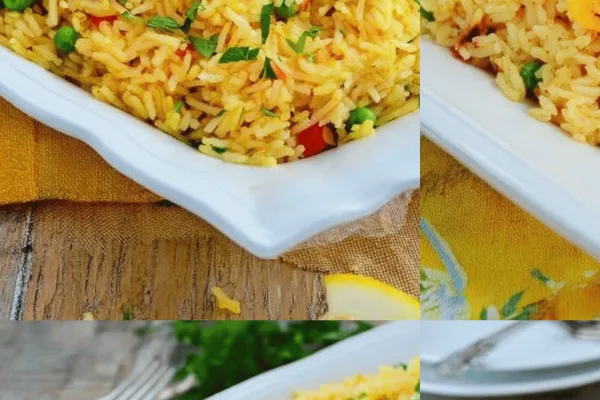
Oven Baked Rice Pilaf
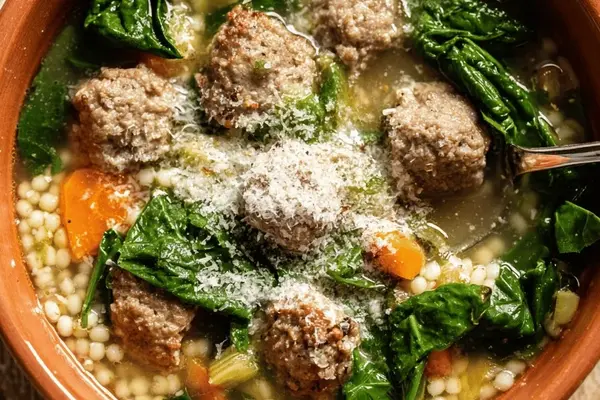
Italian Wedding Soup with Veal Meatballs

Kielbasa Potato Soup with Sauerkraut

Hasselback Potatoes with Cheddar and Pancetta

Flammekuchen Recipe: Crispy Crust with Pancetta

Strawberry Shortcake Recipe with Lemon Biscuits
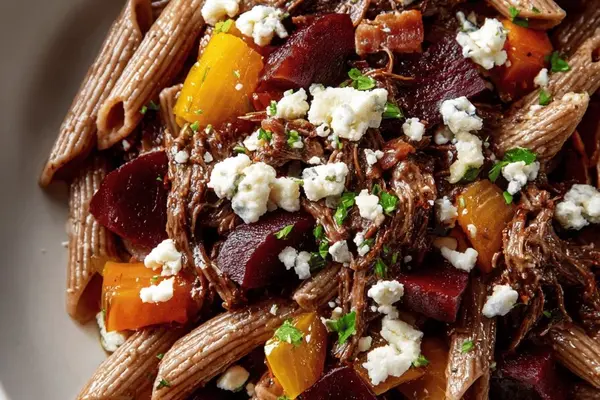
Beef Pasta with Beets and Gorgonzola