
Eggnog Chess Pie with Cardamom
By Emma
Certified Culinary Professional
·
Recipe tested & approved
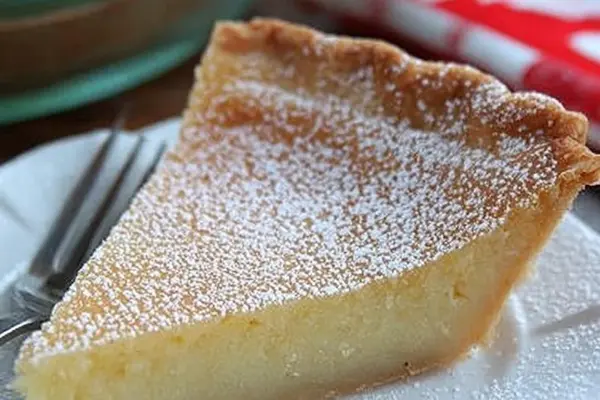
Eggnog chess pie made with heavy cream, butter, eggs, and warm cardamom. This custardy Southern dessert delivers rich depth and perfectly smooth texture.
Prep:
20 min
Cook:
50 min
Total:
1h 10min
Servings:
8 servings
Three pounds of eggs in December. No eggnog left. Heavy cream instead. Cardamom because cinnamon felt tired. This happened.
Eggnog chess pie lives in that space between custard cream and pure comfort—silky, barely set, with nutmeg warmth and cardamom cutting through. Classic Southern chess pie remix that takes 1 hour 10 minutes total and tastes like you’ve been planning it since October.
Why You’ll Love This
Takes 20 minutes prep and 50 minutes bake. That’s it. Hands-on time is real short.
One bowl. One whisking session. Cleanup happens fast.
Tastes like holiday without the fuss of actual eggnog—cream custard base means no curdling, no stress, just smooth custard cream texture that sets perfect every time.
Works as dessert for literally any winter gathering. Comfort food at its most honest—Southern pie tradition with cardamom warmth instead of cinnamon predictability.
Cream Custard Base for Chess Pie
Sugar and butter whipped until light. Not grainy, actually fluffy. Feel it under the beaters—the texture shift is real.
Three large eggs added one at a time. Mix all the way between each. This is not negotiable. Wings of batter should stretch slightly when you lift the beaters.
Three-quarter cup heavy cream—fresh cream matters here. Old dairy dulls everything. Fold it in slowly. Watch it thicken just enough to coat a spoon without turning runny. The mixture should move when tilted but not slosh.
Two tablespoons all-purpose flour. One teaspoon vanilla. One-quarter teaspoon salt. Half a teaspoon nutmeg. One-quarter teaspoon ground cardamom. No cinnamon. Cardamom is the whole point.
Stir the dry stuff and spices in just until combined. Overmix and you get a tough pie. You don’t want tough. The cream custard already does the work.
How to Bake a Chess Pie Remix That Actually Sets
Heat the oven to 400 degrees. This high heat blast matters—it sets the edges before the center can seep into the crust.
Pour the filling into your unbaked pie crust. Slide it onto the middle rack. Immediately drop the heat to 350 degrees. That temperature shift is the secret. The initial roar becomes a soft crackle. You hear the difference.
Bake 40 to 50 minutes. Watch the pie’s center—this is sensory, not a timer. Edges firm and golden. Crust turning brown on the rim. But the center still jiggles. Not a lot. Just a gentle wobble when you nudge the rack. That jiggle means custard cream center is setting but still creamy. Fully set means cracking. Runny means sloppy.
Cool on a wire rack to room temperature. The glossy surface dulls and firms while it cools. Don’t rush this. Rushing creates disaster. Once cooled, cover and chill in the fridge for 3 or more hours. Better overnight. Cold pie slices clean and tastes sharper.
Common Mistakes and How to Fix Them
Soggy crust means prebake. Seven minutes at 375 until barely golden. Then add your filling and follow the bake times. Sounds boring. It works.
Overbaking cracks the pie and turns it grainy. Underbaking leaves you with a sloppy mess. The jiggle test is the only honest guide. Feel matters more than the clock here.
Old cream or old eggs changes everything. Use fresh cream—heavy cream that actually smells like cream. Fresh eggs whip lighter and bind better. The difference between silky and dense.
Metal bowls over plastic. Plastic bowls can’t whip properly. Uneven aeration. Metal stays consistent. Medium speed on your mixer too—high speed incorporates too much air and the pie cracks while baking.
Cardamom Over Cinnamon, Every Time
Cardamom’s warm and slightly floral. Not aggressive. Cinnamon gets tired in pie. Nutmeg handles the spice weight. Cardamom adds depth without shouting.
Ground cardamom from a jar works. Fresh-ground is better if you have a grinder and whole pods. The difference is real but grinding pods takes five extra minutes you might not have in prep time.
Don’t skip it for cinnamon just because it’s easier. That’s when you get an ordinary chess pie. You’re making a remix. Make it count.
Eggnog Chess Pie with Cardamom
Prep:
20 min
Cook:
50 min
Total:
1h 10min
Servings:
8 servings
Ingredients
- 1 1/2 cups granulated sugar
- 1/2 cup unsalted butter softened
- 3 large eggs
- 3/4 cup heavy cream instead of eggnog
- 2 tablespoons all-purpose flour
- 1 teaspoon vanilla extract
- 1/4 teaspoon salt
- 1/2 teaspoon ground nutmeg
- 1/4 teaspoon ground cardamom replacing cinnamon
- 1 unbaked 9-inch pie crust
Method
- 1 Heat oven to 400 degrees F. Butter and sugar whipped till light and airy—feel the change under the beaters; fluffy, not grainy.
- 2 Add eggs one at a time; mix thoroughly after each. Wings of batter should stretch a bit when lifted.
- 3 Pour in cream. Watch the mixture fold in, slightly thickened, creamy, not runny. Stir in flour and spices carefully, just until combined—avoid overmixing or tough pie.
- 4 Vanilla and salt last. Mix just to blend—flavor layers building, aroma rounding out with cardamom nuttiness over nutmeg warmth.
- 5 Pour filling into raw pie crust. Set on oven rack middle level.
- 6 Immediately drop heat to 350 degrees F. That initial blast sets up custard edges, stops seepage. Sounds shift from roaring to soft crackle.
- 7 Bake 40 to 50 minutes. Watch pie’s center—when edges are firm and crust’s golden but center still jiggles gently, done. Jiggle is key—no full set or cracking edges.
- 8 Cool on wire rack to room temp. Pie’s glossy surface dulls and firms during cooling. Chill covered in fridge for 3+ hours.
- 9 Dust with fine powdered sugar if desired—adds sweet contrast and vintage look.
- 10 Serve slightly chilled or at room temp. Texture creamy, flavors layered and cozy with cardamom hint.
- 11 Common pitfalls: if crust soggy, prebake for 7 min till faintly golden. Overbake? Pie cracks and loses silk; underbake is sloppy mess.
- 12 Substitute tip: cream slows curdling better than eggnog’s spices. Use fresh cream—old dairy dulls richness.
- 13 Pro tip: use metal bowl and mix at medium speed. Plastic bowls invite uneven whipping.
- 14 Experience taught: patience cooling — rushing means runny pie disaster. Better judgment by feel than timer.
Nutritional information
Calories
360
Protein
4g
Carbs
34g
Fat
22g
Frequently Asked Questions
Can I substitute eggnog for the heavy cream? You can, but the cream custard base stays more stable. Eggnog’s got spices and booze already—they fight with cardamom and nutmeg. Heavy cream is cleaner. Less curdling risk. Not worth switching unless you really want eggnog flavor.
Why does the center need to jiggle? That wobble means the custard cream is still setting but not fully firm. A fully set pie cracks when it cools. Jiggle means it’s going to firm up perfectly in the fridge and stay creamy. Underjiggle and it stays runny. Overjiggle and you’re not baking long enough.
Should I prebake the crust? Only if you’re nervous about soggy bottom. Seven minutes at 375 until barely golden, then fill and bake the full time. Most chess pie recipes skip this step and it works fine. Preference thing. Your crust integrity matters more than the rule.
Can I make this ahead? Bake it the day before. Cover it. Chill it. Pull it out an hour before serving. Cold pie slices cleaner. Room temperature pie tastes richer. Either way works.
What’s the difference between this and a regular chess pie recipe? Cardamom instead of cinnamon and heavy cream instead of eggnog. Cardamom’s more subtle. The cream custard base doesn’t curdle like eggnog can. Same structure. Different flavor. Smoother texture.
Does the cream caramel comment matter here? Not at all. This isn’t a caramel situation. This is pure custard cream—no browning, no caramelization. Just egg and cream and sugar setting into silk. Different dessert entirely.
Can I use a store-bought crust? Yeah. Just don’t thaw it first. Frozen goes straight in. Add a minute or two to baking time if the oven has to work harder, but honest answer—I’ve done both and frozen works fine.
You’ll Love These Too
Explore all →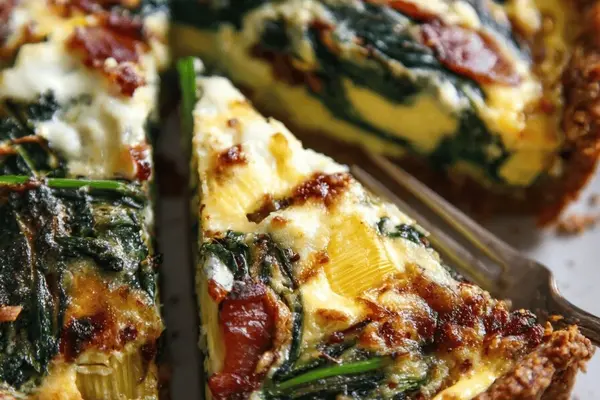
Quiche Lorraine Pie with Bacon & Swiss Chard
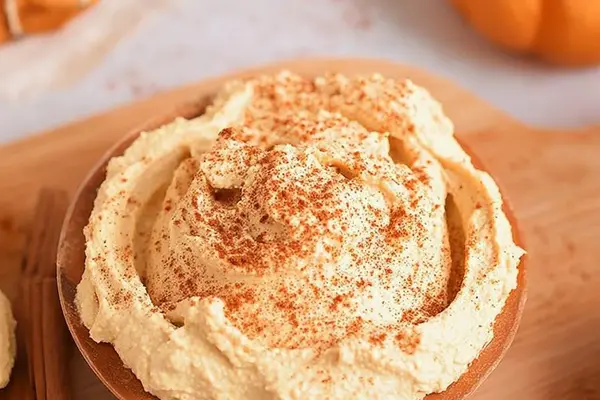
Pumpkin Cream Cheese Dip Recipe
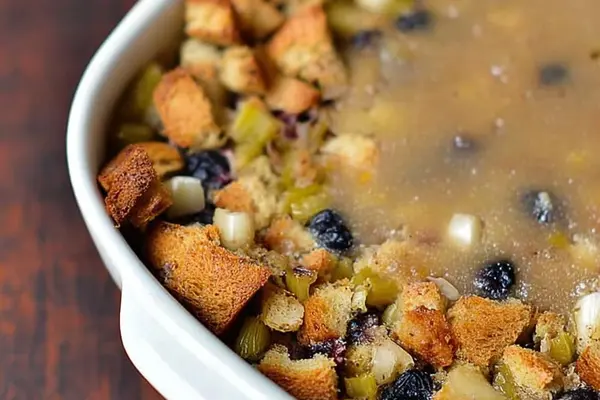
Chestnut Apple Dressing with Raisins
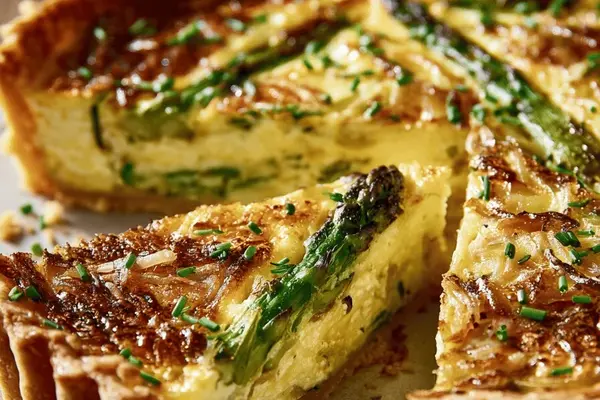
Gruyère and Asparagus Tart Recipe
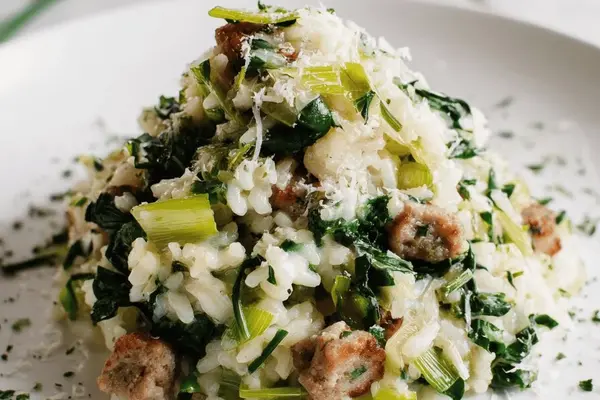
Oven Risotto with Leeks, Spinach & Ricotta
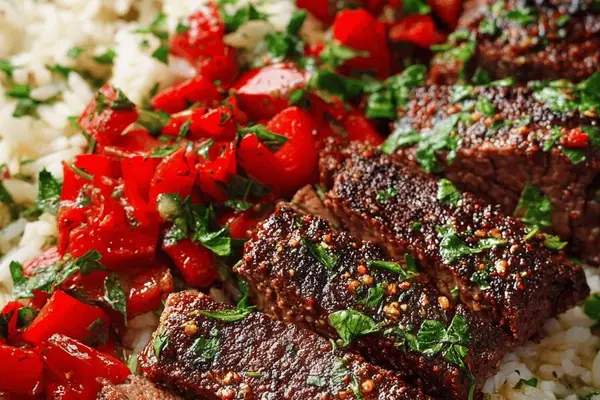
Steak Marinade with Cajun Spices & Rice
Easy Spiced Apple Crumble with Oats
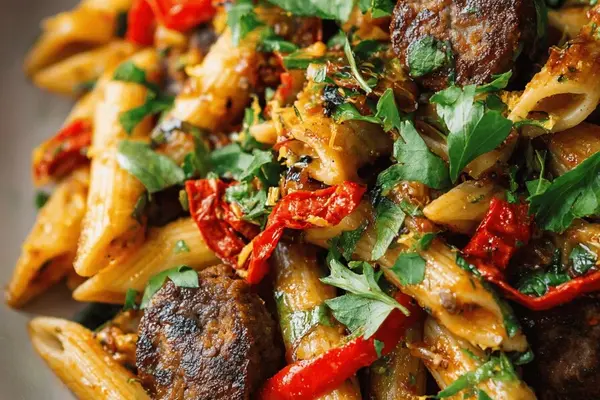
Spicy Penne Pasta with Merguez and Harissa
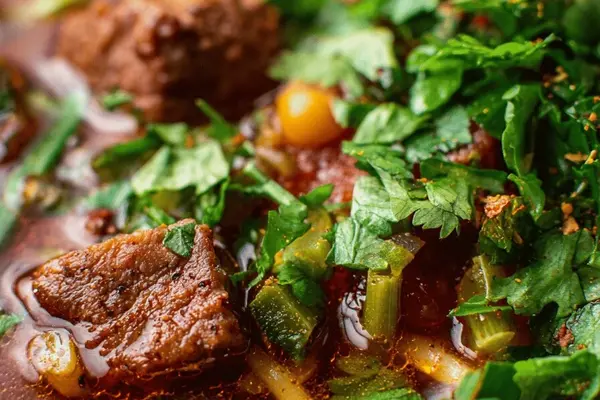
Moroccan Lamb Soup with Saffron
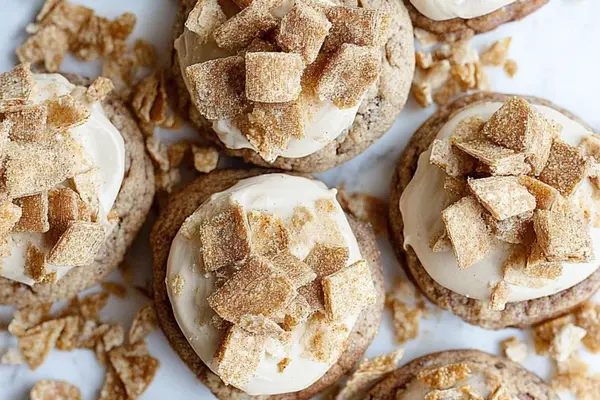
Cinnamon Toast Crunch Cookies Recipe
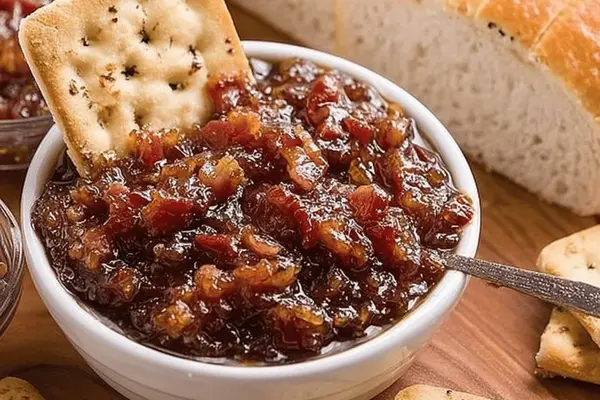
Bourbon Bacon Jam Recipe with Maple Syrup
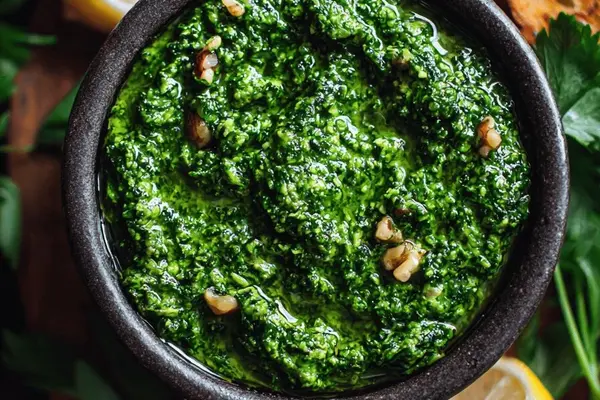
Fresh Basil Pesto Recipe with Spinach
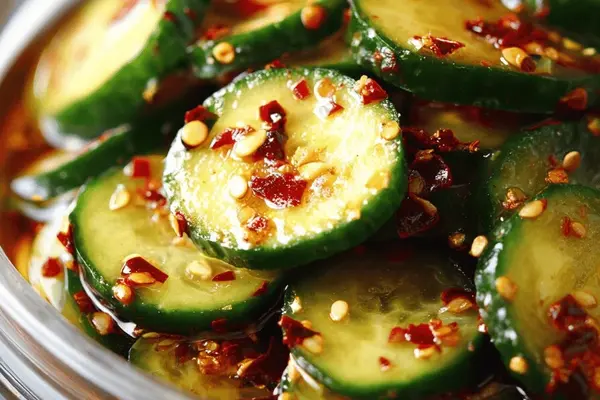
Gherkins: Quick Pickled Persian Cucumbers

Curried Fish Stew with Sweet Potatoes
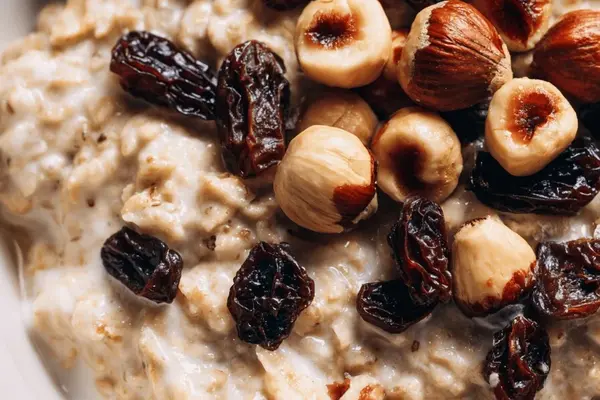
Creamy Cardamom Oatmeal with Hazelnuts
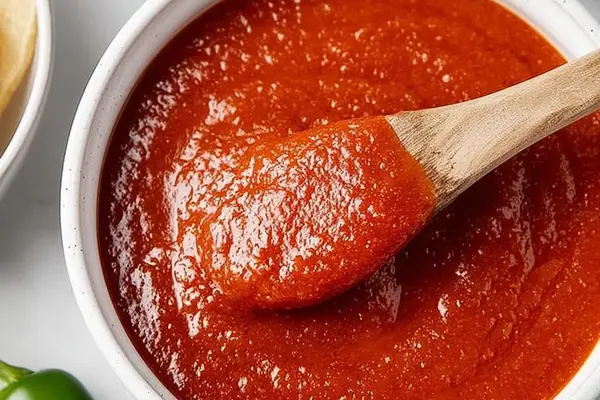
Making Salsa with Chipotle and Lime
Gyro Sauce Recipe with Chickpeas

Roasted Jerusalem Artichokes with Browned Butter
Roasted Vegetable Medley with Smoked Paprika